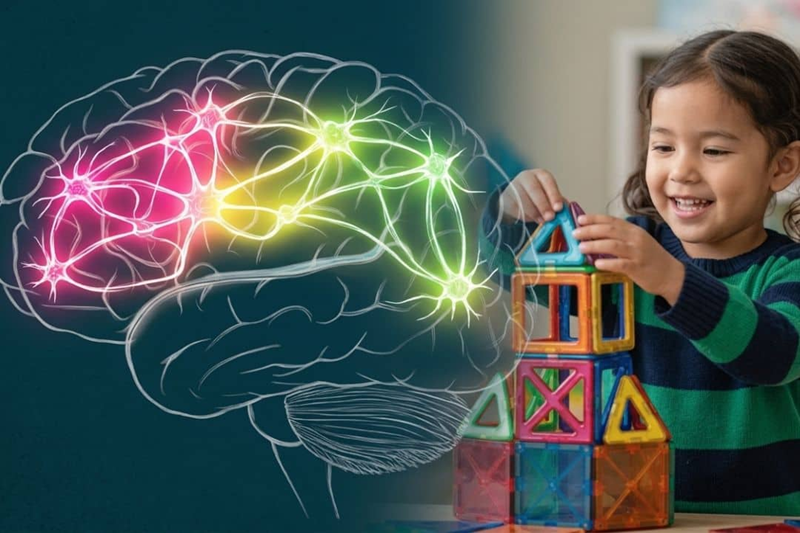
Autism Spectrum Disorder (ASD) is a complex neurodevelopmental condition that affects communication, social interaction, and behavior. The CDC’s most recent estimate (2022 surveillance data, released in 2025) puts the number at about 1 in 31 children in the United States with ASD a figure that has risen steadily over the past two decades and underscores why families continue to seek every possible avenue of support.
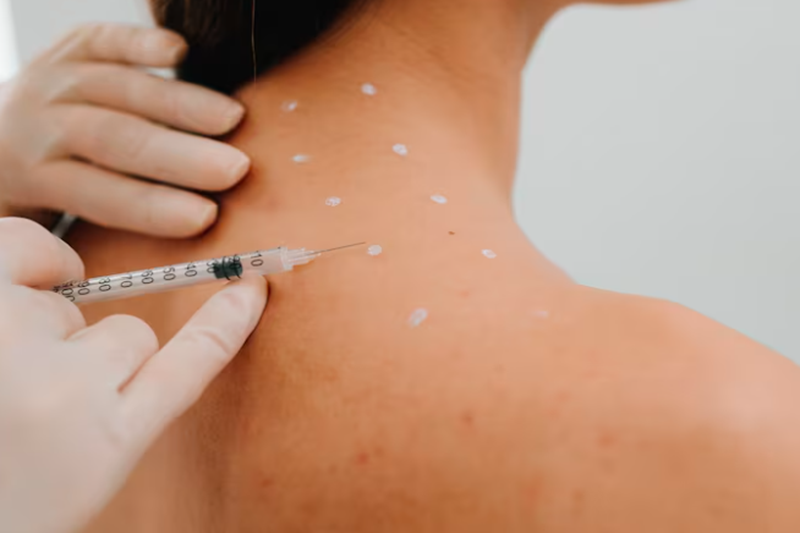
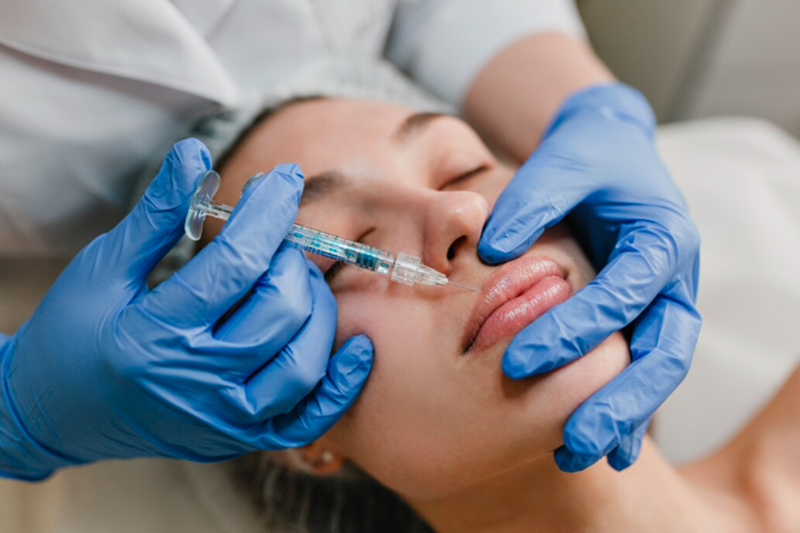
In recent years, interest has also grown in related regenerative technologies and products, including peptide pens. Clinics use these pens to administer peptide-based formulations in general wellness and aesthetic contexts under medical supervision. These products do not treat Autism Spectrum Disorder, and no clinic should market them for this use.
Understanding Autism Spectrum Disorder

Autism Spectrum Disorder encompasses a wide range of symptoms and levels of severity. Every individual with ASD presents unique strengths and challenges.
Common characteristics include:
- Difficulties with communication
- Social interaction challenges
- Repetitive behaviors
- Sensory sensitivities
- Restricted interests
- Differences in cognitive processing
The exact causes of autism remain unclear, although genetics, environmental influences, and early brain development are believed to play significant roles. Decades of large-scale research have also ruled out vaccines as a cause of autism.
What Is Peptide Therapy?
To understand the broader clinical context of what is peptide therapy, it helps to start with the basics: peptides are short chains of amino acids that act as signaling molecules throughout the body. They help regulate numerous biological functions, including tissue repair, immune responses, inflammation, hormone regulation, and cellular communication.
Peptide therapy involves the medical use of specific peptides to target particular biological pathways. To move beyond generalities, here are a few peptides that appear in the autism-related research literature — with important caveats attached to each:
- Cerebrolysin — Manufacturers derive this peptide preparation from porcine brain proteins; researchers originally studied it in stroke and dementia. A small number of pilot studies and case series have examined it in children with ASD and reported modest behavioral changes. These studies suffer from small sample sizes and short follow-up, and the FDA has not approved Cerebrolysin for any indication in the United States.
- BPC-157 — Researchers have studied this synthetic peptide mainly for gut and soft-tissue healing in animal models. Human evidence specific to autism or neurodevelopmental conditions is essentially absent, and any claims linking it to ASD outcomes remain speculative at this stage.
- Thymosin Beta-4 (Tβ4) — Researchers have studied this peptide primarily for tissue and wound repair, and early-stage animal research has explored its potential role in nerve regeneration. It plays no established role in autism care, and no controlled human trial has evaluated it for ASD.
None of these peptides serves as an approved or standard treatment for Autism Spectrum Disorder. We mention them here only because they appear in early-stage or preclinical research discussions, not because we recommend them.
Peptides are also widely used outside neurological research for example, in weight management. Learn more about Peptides for Weight Loss.
What Are Stem Cells?
Stem cells are unique cells capable of self-renewal and differentiation into specialized cell types. Their regenerative properties have led researchers to investigate their potential in treating various neurological and inflammatory disorders — but “stem cells” is not a single product, and the source matters a great deal:
- Umbilical cord–derived mesenchymal stem cells (UC-MSCs) — The type most frequently used in published autism research, including a randomized, placebo-controlled trial led by Duke University involving 180 children, which found no statistically significant improvement over placebo on the primary outcome measures.
- Bone marrow–derived mesenchymal stem cells (BM-MSCs) — Studied more extensively in orthopedic and autoimmune contexts; autism-specific data are sparse.
- Adipose (fat)-derived mesenchymal stem cells (AD-MSCs) — Used in some regenerative and aesthetic applications; there is very limited peer-reviewed evidence for their use in ASD specifically.
Unlike traditional medications, stem cell therapies in general aim to restore or modulate biological function rather than simply suppress symptoms — but for autism specifically, this remains a research question, not an established clinical pathway.
Why Are Researchers Studying Regenerative Medicine for Autism?
Several biological mechanisms associated with ASD are currently being explored, including:
- Neuroinflammation
- Immune system dysregulation
- Oxidative stress
- Impaired cellular signaling
- Mitochondrial dysfunction
Researchers hypothesize that regenerative approaches may help address some of these underlying biological processes. However, current evidence remains limited, and large-scale, well-controlled clinical trials are needed before any conclusions can be drawn.
Potential Benefits of Peptide Therapy
Although research is still developing, scientists are investigating whether peptide therapy may help support:
- Brain cell communication
- Neuroplasticity
- Cognitive performance
- Immune regulation
- Cellular repair mechanisms
The effectiveness of any individual peptide varies depending on the specific compound being studied, the dose, and the patient population — and, in the case of autism, has not been established.
Potential Benefits of Stem Cell Therapy
Stem cell research for autism has generated significant scientific interest. Potential areas under investigation include:
- Reducing neuroinflammation
- Supporting neural repair
- Improving communication between neurons
- Enhancing immune regulation
- Promoting overall neurological health
It is important to note that these applications remain experimental, and in most countries, unapproved outside of registered clinical trials.
Current Scientific Evidence
Research on peptide therapy and stem cells for autism has produced some early, hypothesis-generating findings, but the evidence is not conclusive. Some preliminary studies have reported improvements in social engagement, communication, attention, or adaptive behavior. However:
- Sample sizes have generally been small.
- Study designs vary considerably, and many lack a placebo control group.
- Long-term safety data are still limited.
- The largest controlled trial to date (Duke University, umbilical cord stem cells, n=180) did not show significant benefit over placebo.
Most experts in the field agree that additional high-quality, randomized clinical research is essential before any of these approaches could be considered part of standard autism care.
What Do Medical Organizations Say?
This is a critical point that families should understand clearly:
- The U.S. Food and Drug Administration (FDA) has not approved any stem cell product for the treatment of autism. The only FDA-approved stem cell products are certain umbilical cord blood–derived products for specific blood-forming disorders — not for ASD. The FDA has also issued public warnings about clinics marketing unapproved regenerative therapies for autism and other conditions, describing some of this activity as exploiting the hope of vulnerable families.
- The American Academy of Pediatrics (AAP) does not recommend stem cell or peptide-based regenerative treatments as part of standard autism care, and continues to endorse evidence-based behavioral, developmental, and educational interventions as the standard of care.
- The National Institutes of Health (NIH), through its research divisions, supports continued laboratory and clinical investigation into the biological mechanisms of ASD, but has not endorsed any regenerative product for clinical use in autism outside of formal, IRB-approved research trials.
Any regenerative therapy pursued outside of a registered clinical trial should be understood as unregulated and unproven for this specific use.
Safety Considerations
Before considering regenerative therapies, patients and families should understand both the potential benefits and risks, including:
- Individual variability in response
- Treatment costs, which for unapproved stem cell interventions have been reported in the tens of thousands of dollars
- Limited long-term safety and efficacy evidence
- Wide differences in clinical protocols and product quality between providers
- Regulatory approval status in the country where treatment is offered
Consultation with qualified medical professionals — and, wherever possible, participation only in registered clinical trials — is strongly recommended before pursuing any experimental treatment.
Peptide Therapy Around the World
Interest in regenerative medicine and general wellness peptide use has expanded globally. Some clinics offer peptide-based regenerative programs for various medical and aesthetic indications, such as peptide therapy in Dubai, under professional medical supervision. It is worth being explicit here: peptide therapy for Autism Spectrum Disorder remains investigational and is not an approved indication anywhere, and should only ever be discussed within an appropriate clinical and ethical framework, never marketed as an autism treatment. Treatment protocols, indications, and regulatory standards vary considerably between countries.
Can Peptide Therapy Replace Conventional Autism Treatments?
No.
Current evidence does not support replacing established autism therapies with peptide therapy or stem cell treatment. Behavioral therapy, educational interventions, speech therapy, occupational therapy, and individualized support remain the standard of care.
Regenerative medicine, where clinically justified and pursued through legitimate research channels, should at most be considered a topic for discussion with a specialist — never a substitute for evidence-based autism care.
The Future of Regenerative Medicine for ASD
The field of regenerative neurology is evolving. Future research aims to:
- Better understand autism biology
- Evaluate specific peptides in controlled trials
- Improve stem cell characterization and standardization
- Identify which patients, if any, might benefit from specific interventions
- Establish standardized, regulator-approved treatment protocols
As scientific evidence grows through registered clinical trials, clinicians will gain a clearer, evidence-based understanding of whether — and how — these therapies might one day fit into autism care.
Frequently Asked Questions (FAQ)
Is peptide therapy approved as a standard treatment for autism?
No. Peptide therapy is still an emerging research area for ASD and has not been established or approved as a standard treatment anywhere.
Can stem cell therapy cure autism?
No. There is no scientific evidence that stem cell therapy cures autism. The largest controlled trial to date found no significant benefit over placebo, and no stem cell product is FDA-approved for this use.
Are peptide therapy and stem cell therapy safe?
Safety depends entirely on the specific product, source, patient selection, and medical supervision. Unapproved or unregulated products carry real risks, including infection and other complications. Anyone considering these therapies should consult qualified healthcare professionals and be wary of clinics making strong efficacy claims.
Who may be eligible for regenerative therapies?
Outside of registered clinical trials, there is no established eligibility pathway for autism specifically. A comprehensive medical evaluation is essential before considering any experimental option.
Should regenerative medicine replace behavioral therapies?
No. Evidence-based behavioral, educational, and developmental therapies remain the primary, standard-of-care treatment approaches for individuals with Autism Spectrum Disorder.
Conclusion
Peptide therapy and stem cells for autism represent an active but still early-stage area of regenerative medicine research. Specific candidates — such as Cerebrolysin, BPC-157, and Thymosin Beta-4 among peptides, or umbilical cord, bone marrow, and adipose-derived mesenchymal stem cells among cell therapies appear in the scientific literature, but none has demonstrated proven efficacy for ASD, and none is approved by the FDA or endorsed by organizations such as the AAP or NIH for this use. Current evidence remains limited, and these approaches should not be viewed as replacements for established autism care.
Families considering regenerative therapies should first undergo a comprehensive medical evaluation with a qualified physician. An experienced doctor can explain the current evidence, the real risks involved, the regulatory status of any proposed treatment, and whether participation in a registered clinical trial rather than a commercial clinic offering unproven treatment may be an appropriate next step.