
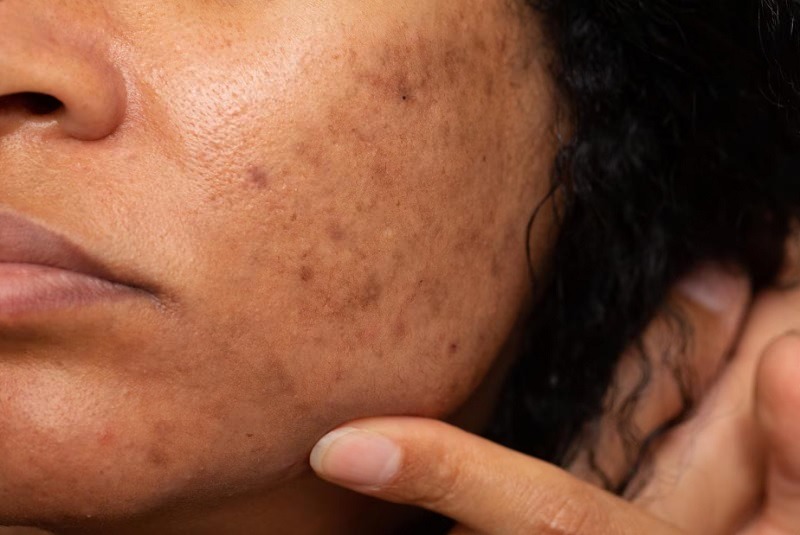
Hyperpigmentation is one of the most common skin concerns affecting people of all skin types and ages. It appears as patches or spots that become darker than the surrounding skin due to an increase in melanin, the natural pigment responsible for skin color. While hyperpigmentation is usually harmless, it can affect self-confidence and may sometimes indicate an underlying medical condition that requires evaluation.
Dark spots can develop gradually after sun exposure, acne breakouts, skin injuries, hormonal fluctuations, or certain medications. In many cases, pigmentation fades slowly over time, but persistent discoloration often requires professional treatment combined with a consistent skincare routine.
At Paramy Polyclinic, every pigmentation concern begins with a thorough skin assessment to determine the underlying cause. Because different types of pigmentation respond differently to treatment, an accurate diagnosis is essential for achieving safe, natural-looking, and long-lasting results.
What Is Hyperpigmentation?
Hyperpigmentation is a condition in which certain areas of the skin become darker than the surrounding tissue because the skin produces excess melanin. Melanin is created by specialized cells called melanocytes and is responsible for giving skin, hair, and eyes their natural color.
When melanocytes become overactive, they produce more pigment than normal. This excess pigment accumulates in the skin, creating visible brown, black, gray, or sometimes bluish patches. Hyperpigmentation may affect a small localized area or larger regions of the body depending on its cause.
Although hyperpigmentation is not contagious and is rarely dangerous, understanding why it develops is important because treatment depends on identifying the underlying trigger.
How Melanin Causes Skin Discoloration
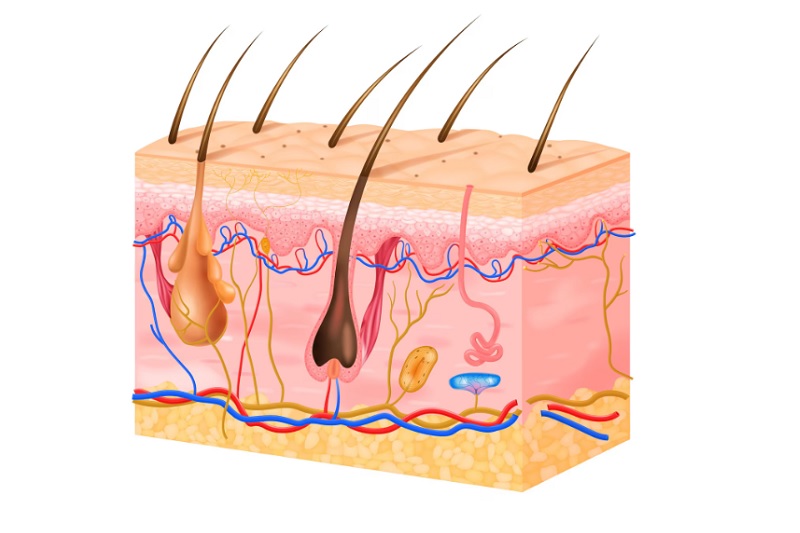
Melanin serves as the skin’s natural defense against ultraviolet (UV) radiation. When the skin is exposed to sunlight, melanocytes increase melanin production to protect deeper skin layers from damage.
However, excessive stimulation can cause pigment to accumulate unevenly, leading to visible dark patches. Inflammation, hormonal changes, certain medications, and skin injuries can also activate melanocytes, even without prolonged sun exposure.
The depth of pigment within the skin also influences its appearance. Pigment located in the outer layer (epidermis) usually appears light to dark brown and often responds well to topical treatments. Pigment deeper in the dermis tends to appear gray or blue-gray and may require advanced dermatological procedures for improvement.
Who Is Most Likely to Get Hyperpigmentation?
Anyone can develop hyperpigmentation, but several factors increase the risk, including:
- Frequent sun exposure without adequate sunscreen.
- Medium to darker skin tones, which naturally produce more melanin.
- Women experiencing hormonal changes during pregnancy or while using hormonal contraceptives.
- Individuals with acne, eczema, psoriasis, burns, or other inflammatory skin conditions.
- People taking medications that increase photosensitivity.
- Individuals with a family history of pigment disorders.
- Adults whose skin has experienced years of cumulative UV exposure.
While hyperpigmentation is common across all ethnicities, people with Fitzpatrick skin types III to VI are generally more prone to persistent pigmentation after skin inflammation or cosmetic procedures.
What Causes Hyperpigmentation?
Hyperpigmentation develops when melanocytes produce excess melanin or when pigment is deposited deeper within the skin. Several internal and external factors can trigger this process, and in many patients, more than one cause contributes to the discoloration.
Understanding the cause is essential because successful treatment targets not only the pigment itself but also the underlying trigger.
Sun Exposure & UV Damage
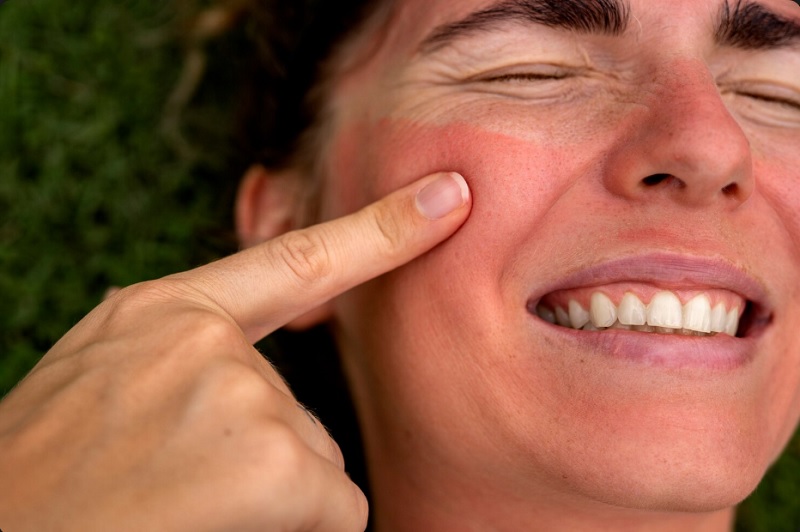
Ultraviolet radiation is the leading cause of most forms of hyperpigmentation. UV rays stimulate melanocytes to produce additional melanin as a protective response against skin damage.
Over time, repeated exposure can lead to persistent dark patches, uneven skin tone, and age-related pigmentation. Even brief periods of unprotected sun exposure can worsen existing pigmentation, especially melasma.
Daily use of broad-spectrum SPF 30 or higher remains one of the most effective ways to prevent pigmentation from becoming darker and to support the success of professional treatments.
Hormonal Changes (Pregnancy, Birth Control, Puberty)
Hormonal fluctuations can significantly influence melanin production. Increased estrogen and progesterone levels may overstimulate melanocytes, resulting in symmetrical patches of pigmentation, particularly on the cheeks, forehead, nose, and upper lip.
This condition, commonly known as melasma, frequently develops during pregnancy and is sometimes referred to as the “mask of pregnancy.” Hormonal birth control, hormone replacement therapy, and puberty may also contribute to pigment changes in susceptible individuals.
Although hormonal pigmentation may fade after hormone levels stabilize, many patients require medical treatment to achieve noticeable improvement.
Post-Inflammatory Causes (Acne, Cuts, Burns)
One of the most common reasons for uneven skin tone is post-inflammatory hyperpigmentation (PIH). This occurs after the skin heals from inflammation or injury.
Common triggers include:
- Acne breakouts
- Eczema
- Psoriasis
- Burns
- Surgical incisions
- Insect bites
- Cosmetic procedures
- Cuts and abrasions
During the healing process, inflammation stimulates melanocytes, leaving behind brown or gray discoloration after the skin appears to recover.
People with darker skin tones are particularly susceptible to PIH because their melanocytes respond more aggressively to inflammation.
Medications & Photosensitivity
Some medications increase the skin’s sensitivity to sunlight or directly affect pigment production.
Examples include certain:
- Antibiotics
- Anti-inflammatory medications
- Antimalarial drugs
- Chemotherapy agents
- Hormonal medications
Patients taking these medications may notice pigmentation becoming darker after sun exposure. A dermatologist can help determine whether medication contributes to skin discoloration.
Underlying Medical Conditions (Thyroid, Addison’s Disease, Diabetes)
Although less common, hyperpigmentation may sometimes signal an underlying health condition.
Medical disorders associated with pigmentation changes include:
- Addison’s disease
- Thyroid disorders
- Diabetes
- Hemochromatosis
- Certain metabolic disorders
For example, insulin resistance may contribute to darker, velvety skin folds known as acanthosis nigricans, while adrenal hormone abnormalities can cause generalized skin darkening.
Persistent pigmentation accompanied by fatigue, unexplained weight changes, or other systemic symptoms should be evaluated by a healthcare professional.
Genetics & Nutrient Deficiencies
Genetics influence how the skin responds to sunlight, inflammation, and hormonal changes. Some individuals naturally produce more melanin or have a stronger pigment response after even minor skin irritation.
In rare cases, nutritional deficiencies—including vitamin B12 deficiency or folate deficiency—may contribute to abnormal pigmentation. Although correcting the deficiency may improve skin health, pigmentation often requires additional dermatological treatment.
Types of Hyperpigmentation
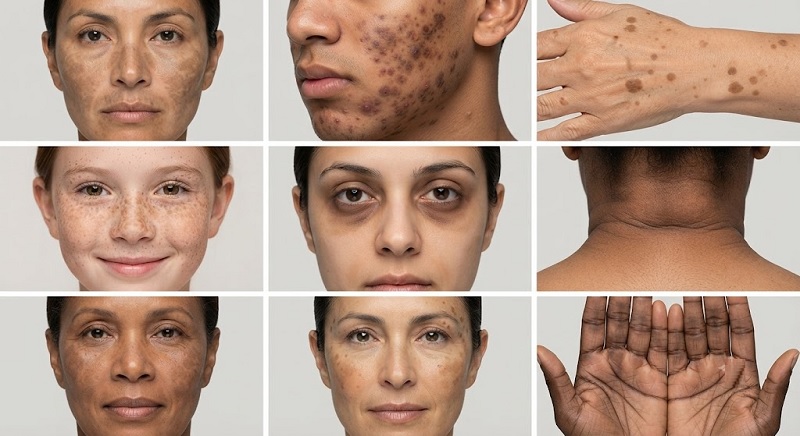
Hyperpigmentation is not a single condition but a group of pigmentation disorders with different causes, appearances, and treatment approaches. Identifying the specific type is one of the most important steps in creating an effective treatment plan. At Paramy Polyclinic, a detailed skin assessment helps determine the type and depth of pigmentation before recommending any procedure or skincare regimen.
Melasma
Melasma is one of the most challenging forms of hyperpigmentation because it often develops due to a combination of hormonal changes and sun exposure. It typically appears as symmetrical brown or gray-brown patches across the cheeks, forehead, bridge of the nose, and upper lip.
Women are affected far more frequently than men, particularly during pregnancy or while taking hormonal contraceptives. Even after successful treatment, melasma has a tendency to recur if the skin is not consistently protected from ultraviolet radiation.
Treatment often combines prescription topical medications, professional procedures, and strict daily sun protection for the best long-term results.
Post-Inflammatory Hyperpigmentation (PIH)
Post-inflammatory hyperpigmentation (PIH) develops after the skin heals from inflammation or injury. Acne is one of the most common causes, but eczema, burns, cosmetic procedures, insect bites, and cuts may also leave behind dark marks.
Unlike acne scars, PIH is caused by excess pigment rather than permanent structural damage to the skin. Many mild cases gradually fade over several months, while deeper pigmentation may require professional treatment to accelerate improvement.
Sunspots / Age Spots (Solar Lentigines)
Solar lentigines, commonly known as sunspots or age spots, develop after years of cumulative ultraviolet exposure. They usually appear as well-defined brown spots on areas that receive the most sunlight, including the face, hands, shoulders, chest, and forearms.
Although these spots are harmless, they often become more numerous with age. Because some skin cancers may resemble age spots, any new or changing pigmented lesion should be evaluated by a dermatologist.
Freckles (Ephelides)
Freckles are small, flat brown spots that commonly appear during childhood in people with lighter skin tones. Genetics plays a major role in their development, while sun exposure makes them darker and more noticeable.
Unlike sunspots, freckles often fade during winter when UV exposure decreases. They are considered a cosmetic feature rather than a medical condition and usually do not require treatment unless desired for aesthetic reasons.
Periorbital Hyperpigmentation (Dark Circles)
Dark circles around the eyes are often multifactorial. Genetics, thin skin, aging, sun exposure, allergies, lack of sleep, and increased pigmentation can all contribute to their appearance.
Because the causes vary, treatment must be individualized. Depending on the underlying issue, options may include topical skincare, laser treatments, skin rejuvenation procedures, or dermal fillers.
Acanthosis Nigricans
Acanthosis nigricans appears as thickened, velvety, darkened skin, most commonly in skin folds such as the neck, underarms, and groin.
Unlike many other pigmentation disorders, this condition is frequently associated with insulin resistance, obesity, polycystic ovary syndrome (PCOS), or endocrine disorders. Successful treatment focuses on addressing the underlying medical condition alongside cosmetic improvement.
Maturational Hyperpigmentation
Maturational hyperpigmentation refers to gradual pigment changes that develop naturally with age, particularly in individuals with medium to darker skin tones. These changes often affect the cheeks, temples, forehead, and sides of the face and may become more noticeable after years of sun exposure.
Although harmless, many people seek treatment to achieve a more even skin tone.
Where Hyperpigmentation Commonly Appears
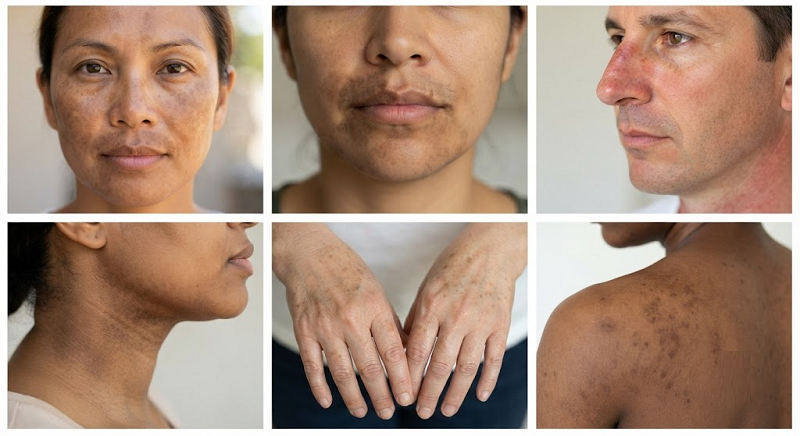
Hyperpigmentation can develop almost anywhere on the body, but certain areas are affected more frequently because they receive greater sun exposure, experience repeated friction, or are more prone to inflammation.
On the Face (Cheeks, Forehead, Upper Lip)
The face is the most common location for hyperpigmentation because it is constantly exposed to ultraviolet radiation. The cheeks, forehead, and upper lip are particularly susceptible to melasma and sun-induced pigmentation.
Persistent facial pigmentation often requires a combination of medical-grade skincare, sun protection, and professional treatments to achieve optimal results.
Around the Mouth
Pigmentation may also develop around the mouth due to hormonal fluctuations, previous acne, irritation from cosmetic products, repeated friction, or post-inflammatory changes. Although this area can be difficult to treat because of frequent movement and exposure, early intervention often improves outcomes.
For patients seeking more detailed information about pigmentation in this specific area, dedicated treatment options are discussed on our Hyperpigmentation Around Mouth page.
On the Nose
The nose is continuously exposed to sunlight, making it vulnerable to UV-related pigmentation and post-inflammatory discoloration following skin irritation or cosmetic procedures.
While mild pigmentation may respond to topical products, persistent discoloration should be evaluated to determine whether professional treatment is appropriate. More information is available in our dedicated guide on Nose Pigmentation.
On the Neck
The neck may develop pigmentation from chronic sun exposure, friction, hormonal factors, or conditions such as acanthosis nigricans. Because several medical conditions can contribute to neck discoloration, professional evaluation is recommended when pigmentation develops suddenly or becomes widespread.
You can learn more about this condition on our Hyperpigmentation on Neck page.
On the Hands
The backs of the hands receive years of cumulative sun exposure, making them one of the earliest areas to develop age spots. Because the hands often reveal signs of aging before the face, many patients choose treatment to restore a more even appearance.
On the Body (Chest, Back, Shins)
Hyperpigmentation can also affect the chest, shoulders, back, arms, and legs. Common causes include acne, folliculitis, insect bites, eczema, burns, shaving irritation, and prolonged sun exposure.
The most appropriate treatment depends on the underlying cause, the depth of pigment, and the patient’s skin type.
Symptoms and When to See a Dermatologist
The primary symptom of hyperpigmentation is the appearance of skin that is darker than the surrounding area. These patches may be:
- Light brown, dark brown, gray, blue-gray, or black
- Flat and painless
- Small or widespread
- Symmetrical or irregular in shape
Most pigmentation disorders are harmless and develop gradually. However, not every dark spot is simply hyperpigmentation.
Signs That Need Medical Attention
You should schedule an evaluation with a dermatologist if a pigmented lesion:
- Changes rapidly in size or color
- Has irregular or poorly defined borders
- Bleeds or develops crusting
- Becomes painful or itchy
- Appears alongside unexplained weight loss, fatigue, or other systemic symptoms
- Looks significantly different from your other moles or spots
Early assessment helps rule out more serious skin conditions while ensuring that the correct pigmentation treatment is selected.
How Is Hyperpigmentation Diagnosed?
Accurate diagnosis is essential because different pigmentation disorders often appear similar but require different treatment approaches.
Physical Exam & Medical History
A dermatologist begins by examining the affected skin and discussing factors such as:
- When the pigmentation first appeared
- Previous acne or skin injuries
- Sun exposure habits
- Pregnancy or hormonal changes
- Current medications
- Family history of pigmentation disorders
- Existing medical conditions
This information often provides valuable clues regarding the underlying cause.
Wood’s Lamp Examination
A Wood’s lamp emits ultraviolet light that helps determine whether pigment is located primarily in the epidermis or deeper within the dermis.
This distinction is important because superficial pigmentation generally responds better to topical treatments, while deeper pigmentation may require laser therapy or other advanced procedures.
Blood Tests & Skin Biopsy
Additional testing is not necessary for most patients.
However, blood tests may be recommended if hormonal or endocrine disorders are suspected. In rare cases, a skin biopsy may be performed when the diagnosis is uncertain or when there is concern about another skin condition that resembles hyperpigmentation.
How to Treat Hyperpigmentation
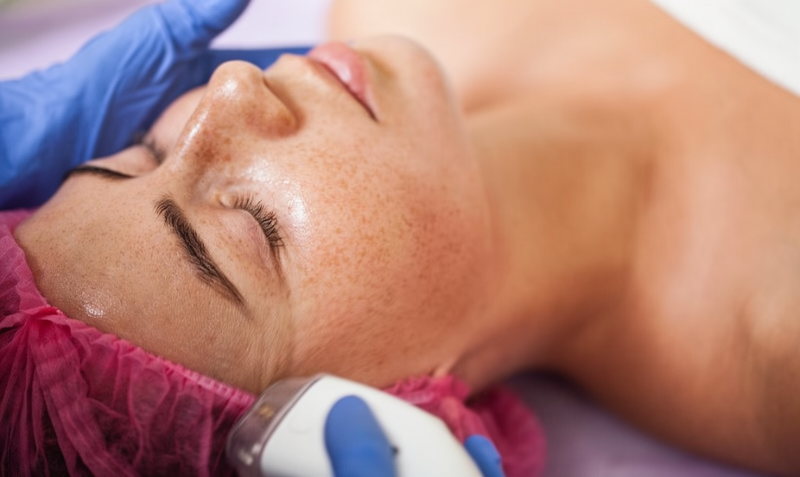
The best treatment for hyperpigmentation depends on its underlying cause, the depth of the pigment, your skin type, and how long the discoloration has been present. While some mild cases gradually improve over time, many forms of pigmentation require a combination of skincare, sun protection, and professional treatments to achieve noticeable results.
At Paramy Polyclinic, every treatment plan begins with a comprehensive skin assessment. Rather than using a one-size-fits-all approach, our dermatology team selects the most appropriate treatment based on your individual skin condition and aesthetic goals.
At-Home & Preventive Care
Daily skincare plays a major role in both treating and preventing hyperpigmentation.
The most important step is applying a broad-spectrum sunscreen with SPF 30 or higher every morning, even on cloudy days or when staying indoors near windows. UV exposure can darken existing pigmentation and reduce the effectiveness of treatment.
Additional preventive habits include:
- Wearing wide-brimmed hats and protective clothing.
- Avoiding excessive midday sun exposure.
- Reapplying sunscreen every two hours when outdoors.
- Avoiding picking at acne, insect bites, or healing wounds.
- Using gentle skincare products that do not irritate the skin.
Consistency is essential, as pigmentation often returns if sun protection is neglected.
Over-the-Counter Topicals
Several non-prescription ingredients have been shown to gradually improve uneven skin tone by reducing excess pigment production and supporting healthy skin renewal.
Common ingredients include:
- Vitamin C to brighten the complexion and provide antioxidant protection.
- Niacinamide to reduce pigment transfer within the skin.
- Azelaic acid to improve post-inflammatory hyperpigmentation and melasma.
- Retinol to encourage faster skin cell turnover.
- Kojic acid to help fade stubborn dark spots.
- Tranexamic acid in selected skincare formulations for melasma-prone skin.
Visible improvement usually requires consistent use for several weeks or months.
Prescription Topicals
When pigmentation is more persistent, prescription medications may be recommended under dermatological supervision.
These may include:
- Hydroquinone to reduce melanin production.
- Tretinoin to accelerate skin renewal.
- Topical corticosteroids to reduce inflammation in selected cases.
- Triple-combination creams that combine several active ingredients for conditions such as melasma.
Because these medications may cause irritation or other side effects, they should only be used according to a healthcare professional’s instructions.
In-Clinic Procedures
Professional treatments often produce faster and more noticeable results than topical products alone, particularly for stubborn or deeper pigmentation.
Depending on the type of pigmentation, suitable options may include:
- Chemical peels to exfoliate pigmented skin and stimulate new skin growth.
- Microneedling to promote collagen production while improving mild pigmentation and skin texture.
- Laser resurfacing for deeper or treatment-resistant pigmentation.
- Pigmented lesion laser treatments that specifically target excess melanin.
- Cryotherapy, which may be appropriate for selected isolated sunspots.
Many patients benefit from combining professional procedures with medical-grade skincare and diligent sun protection to maximize and maintain results.
Hyperpigmentation Types at a Glance
| Type | Common Cause | Typical Location | Best-Suited Treatment |
|---|---|---|---|
| Melasma | Hormones + sun exposure | Cheeks, forehead, upper lip | Prescription topicals + strict sun protection |
| Post-Inflammatory Hyperpigmentation (PIH) | Acne, burns, injury | Anywhere previous inflammation occurred | Azelaic acid, retinoids, chemical peels |
| Sunspots (Solar Lentigines) | Chronic UV exposure | Face, hands, chest | Laser treatment, chemical peels, vitamin C |
| Freckles | Genetics + sun exposure | Face, shoulders, arms | Sun protection (treatment usually optional) |
| Periorbital Hyperpigmentation | Genetics, aging, sun exposure | Around the eyes | Topicals, laser therapy, selected aesthetic procedures |
| Acanthosis Nigricans | Insulin resistance | Neck, underarms, groin | Treat underlying condition + cosmetic management |
Treatment Options Compared
| Method | Best For | Downtime | Time to See Results | Clinic Visit Needed? |
|---|---|---|---|---|
| Sunscreen & Prevention | All types | None | Preventive | No |
| OTC Topicals | Mild pigmentation | None | 8–12 weeks | No |
| Prescription Creams | Melasma, stubborn PIH | Minimal | 4–8 weeks | Yes |
| Chemical Peels | Sunspots, PIH | 2–5 days | 2–4 sessions | Yes |
| Laser Treatments | Deep or resistant pigmentation | 3–7 days | 1–3 sessions | Yes |
| Microneedling | Mild pigmentation + texture concerns | 1–3 days | 3–6 sessions | Yes |
Can Hyperpigmentation Be Prevented?
Although not every type of hyperpigmentation can be prevented, healthy skincare habits can significantly reduce the risk of developing new dark spots and help prevent existing pigmentation from worsening.
Daily Sun Protection Habits
Daily sun protection remains the single most effective strategy for preventing hyperpigmentation.
To protect your skin:
- Apply broad-spectrum SPF 30 or higher every morning.
- Reapply sunscreen when spending extended periods outdoors.
- Wear sunglasses and wide-brimmed hats.
- Seek shade during peak UV hours.
- Protect the face, neck, chest, and hands, as these areas receive the greatest cumulative sun exposure.
Skincare Routine Adjustments
A gentle skincare routine supports healthy skin healing and reduces unnecessary inflammation.
Helpful habits include:
- Cleansing without over-scrubbing.
- Moisturizing regularly to maintain the skin barrier.
- Avoiding harsh exfoliation.
- Treating acne early to reduce the risk of post-inflammatory pigmentation.
- Introducing active ingredients gradually to minimize irritation.
Living With Hyperpigmentation
While hyperpigmentation is generally harmless, it can take time to improve. Setting realistic expectations and following a consistent treatment plan are essential for achieving the best possible results.
Realistic Timelines & Managing Expectations
Most pigmentation does not disappear overnight.
Approximate timelines include:
- Mild post-inflammatory pigmentation: 3–6 months
- Melasma: often requires long-term management
- Sunspots: may improve after one or several professional treatments
- Deep dermal pigmentation: may require several months of combination therapy
Even after successful treatment, pigmentation can recur if the underlying trigger—particularly UV exposure—is not controlled.
Skin Care Habits That Support Treatment
Maintaining healthy skin habits can improve treatment outcomes and help prevent recurrence.
These include:
- Using sunscreen every day.
- Following the prescribed skincare routine consistently.
- Avoiding unnecessary skin irritation.
- Attending follow-up appointments when recommended.
- Maintaining a healthy lifestyle that supports overall skin health.
At Paramy Polyclinic, our goal is not only to reduce visible pigmentation but also to help patients maintain clearer, healthier-looking skin through personalized treatment plans and ongoing professional care.
Frequently Asked Questions
How Can You Get Rid of Hyperpigmentation?
Hyperpigmentation can often be reduced and managed through a combination of daily sun protection, topical skincare products, prescription medications, and professional dermatological treatments such as chemical peels, microneedling, or laser therapy. The most effective approach depends on the type and underlying cause of the pigmentation.
What Is the Main Cause of Hyperpigmentation?
The most common cause is excessive melanin production triggered by ultraviolet (UV) exposure. Other common causes include hormonal changes, acne, skin injuries, inflammation, certain medications, genetics, and some medical conditions.
Can Hyperpigmentation Go Away on Its Own?
Some forms of hyperpigmentation, particularly mild post-inflammatory pigmentation, may gradually fade over several months. However, conditions such as melasma and long-standing sun damage often require medical treatment to achieve significant improvement.
What Are the Main Types of Hyperpigmentation?
The three most common types are melasma, post-inflammatory hyperpigmentation (PIH), and sunspots (solar lentigines). Other forms include freckles, periorbital hyperpigmentation (dark circles), acanthosis nigricans, and maturational hyperpigmentation.