
The idea of Perfect Breasts has fascinated society for generations. From classical art to the high-pressure world of modern social media, we are constantly bombarded with images that suggest there is a “right” way for breasts to look. But if you have ever felt insecure, it is important to know this: The “perfect” standard you see in media is often an illusion.
In reality, there is no single definition of Perfect Breasts. Beauty is not a mathematical formula; it is a blend of your genetics, your unique life journey, and your personal anatomy. This guide dives deep into what actually makes breasts beautiful and how you can cultivate confidence in your own body.
The Role of Nutrition in Breast Health

Many people underestimate how much nutrition influences the health and appearance of breast tissue. Your skin and underlying connective tissues are highly dependent on the nutrients you consume. A diet rich in antioxidants, Vitamin C, and Vitamin E helps neutralize free radicals, protecting the collagen fibers that are responsible for skin firmness and elasticity. Furthermore, consuming high-quality proteins and Omega-3 fatty acids is essential for tissue repair and structural integrity. Remember that breast health starts from within; staying hydrated is not just for your face—it is a daily necessity for maintaining the elasticity and vibrancy of your skin throughout your entire body.
Why “Perfection” Is a Modern Myth
The pressure to achieve Perfect Breasts often stems from unrealistic beauty standards set by photo editing and filtered social media content. However, in the professional world of plastic surgery and medical aesthetics, the focus is never on a “perfect” shape or size.
Instead, the goal is harmony. Aesthetic professionals evaluate breasts based on how well they balance with the rest of your frame, including your shoulders, waist, and hips. When your breasts are in proportion to your natural silhouette, they appear more attractive and balanced than any “ideal” size could ever be.
Anatomy of the Female Breast
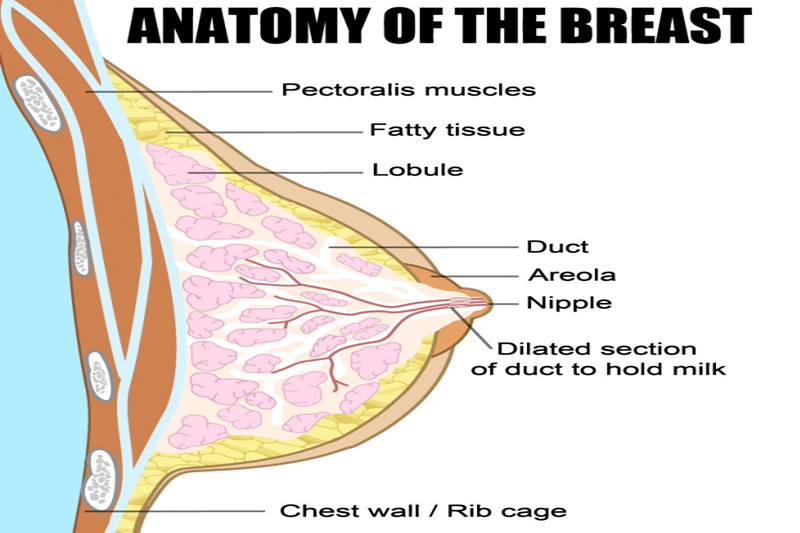
Understanding the anatomy of the female breast helps demystify why shapes and sizes vary so greatly. The breast is primarily composed of glandular tissue, adipose (fat) tissue, and fibrous connective tissue. The amount of fat versus glandular tissue is determined largely by genetics and is what gives breasts their specific volume and density.
The structure is supported by Cooper’s ligaments—fibrous bands that connect the breast tissue to the chest wall. These ligaments are crucial for maintaining shape, but they are also susceptible to stretching over time due to hormonal changes, pregnancy, and the natural effect of gravity. Furthermore, the internal milk ducts and lobules change throughout a woman’s life, particularly during menstrual cycles and pregnancy, which explains why breast tenderness and size fluctuations are a normal biological occurrence. Recognizing that the breast is a complex, functional organ rather than a static aesthetic feature can help reduce the pressure to meet an impossible, artificial standard.
The Anatomy of Breast Aesthetics: Key Factors
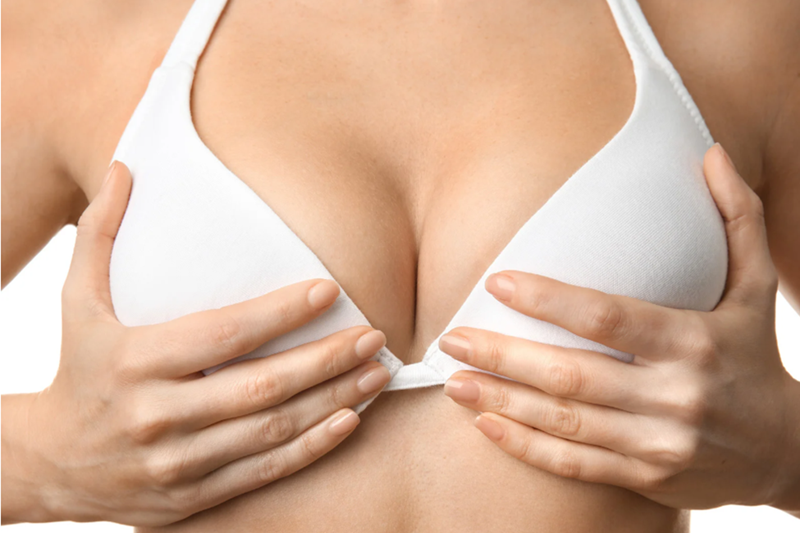
What do experts actually look for? When discussing Perfect Breasts, cosmetic surgeons focus on several technical and aesthetic markers:
- Proportionality: This is the most critical factor. Breast size should match your rib cage and torso. A size that complements a petite frame might look different on a taller, broader frame.
- Symmetry: Many people are surprised to learn that perfect symmetry is non-existent. Almost every woman has one breast that is slightly larger or shaped differently than the other. These minor differences are completely natural.
- The Shape Factor: Your breast shape is largely determined by your DNA. Whether you have round, teardrop, or athletic breasts, your unique shape is a part of your identity.
- Nipple Position: Ideally, nipples are positioned near the fullest part of the breast and point slightly outward. However, like other features, natural variation is the standard.
Who is Suitable for Breast Surgery?
Deciding to undergo breast surgery—whether it is an augmentation, lift, or reduction—is a significant personal choice. Candidates who are typically suitable for these procedures are individuals who are in good overall health and have realistic expectations regarding the results.
A suitable candidate for breast surgery is someone who:
- Has reached physical maturity: Breast development should be fully complete before considering any aesthetic procedure.
- Maintains a stable weight: Significant weight fluctuations after surgery can alter the results, so surgeons often recommend being at a stable weight for several months.
- Is a non-smoker: Smoking severely hinders the healing process and increases the risk of complications, which is why most surgeons require patients to stop smoking well before and after the surgery.
- Has clear personal motivations: The ideal candidate is seeking surgery to resolve their own discomfort or to enhance their own confidence, rather than to please a partner or conform to societal trends.
Ultimately, the best way to determine suitability is through a comprehensive consultation with a board-certified plastic surgeon, who will assess your anatomy, medical history, and aesthetic goals to see if surgery aligns with your expectations.
What Are the Non-Surgical Options for Getting Perfect Breasts?
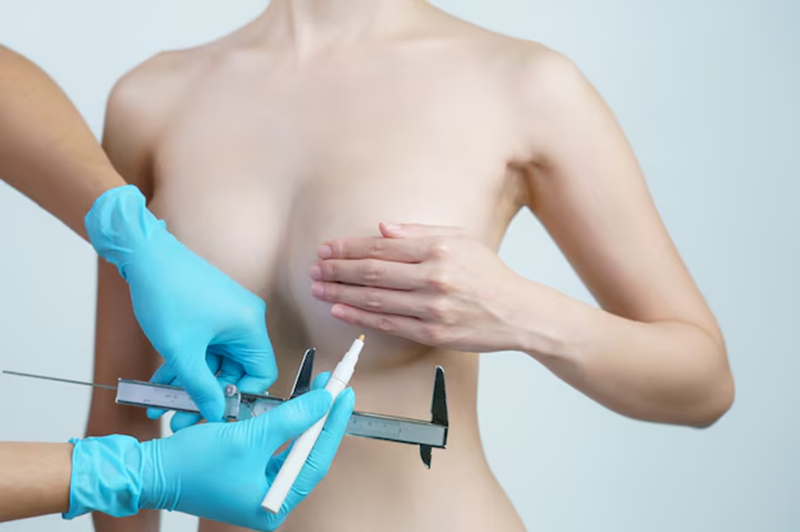
If you are looking for ways to enhance the appearance of your breasts without undergoing surgery, it is important to distinguish between marketing myths and effective, reality-based practices. While no non-surgical method can permanently change breast size or shape, several approaches can help improve skin quality, posture, and overall breast aesthetics:
- Targeted Chest Exercises: While you cannot “spot reduce” fat or grow breast tissue through exercise, strengthening the pectoral muscles underneath the breasts can improve your overall posture and provide a firmer foundation, which often creates a more lifted appearance.
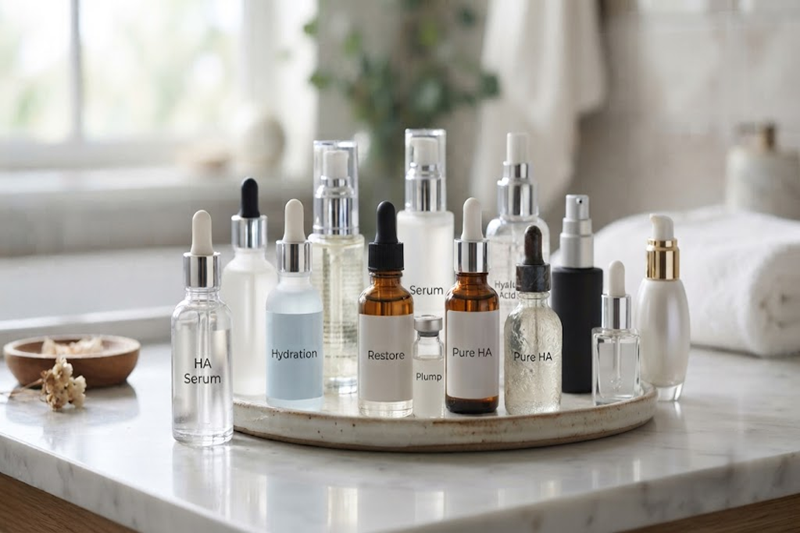
- Professional Skin Care: Just like the skin on your face, the décolletage is prone to aging. Using high-quality firming creams containing retinoids or hyaluronic acid can help improve skin elasticity and hydration, making the area look smoother and more youthful.
- Weight Management: Maintaining a stable, healthy weight prevents the skin from stretching and retracting repeatedly, which helps preserve the integrity of the breast’s supporting ligaments over time.
- Advanced Aesthetic Treatments: Some non-surgical clinical treatments, such as laser therapy or chemical peels, are designed to stimulate collagen production in the chest area, effectively tightening the skin and improving its overall texture.
- Proper Support: A professionally fitted bra is one of the most underrated non-surgical tools. A high-quality, supportive bra instantly improves your silhouette and reduces the strain on your supportive ligaments, which promotes long-term comfort and better posture.
It is worth noting that while these options are excellent for maintaining breast health and improving skin tone, they cannot achieve the dramatic volume or structural changes provided by surgery. If you have specific aesthetic goals, these non-surgical habits serve as the best possible “maintenance plan” for your body.
A Detailed Look at Breast Shapes
Every woman’s body is a unique blueprint. Understanding your shape can help you move away from comparing yourself to others:
| Shape | Description |
| Round | Uniform fullness at both the top and the bottom. |
| Teardrop | More volume at the bottom; widely considered the most natural aesthetic. |
| Bell-Shaped | Narrower at the top and fuller toward the base. |
| East-West | A common variation where nipples point slightly outward. |
| Athletic | Less fatty tissue, more firmness, and often a broader base. |
| Side-Set | Noticeable space between the breasts with fullness toward the sides. |
Why Your Body is Always Evolving
It is vital to remember that your breasts are dynamic, not static. They change throughout your life, and these changes are a natural part of being human:
- Hormonal Shifts: Puberty, menstrual cycles, pregnancy, and menopause cause tissues to expand, contract, and change density.
- Aging: As collagen levels decline over time, skin elasticity naturally changes. This is a biological reality for everyone, not a flaw.
- Lifestyle Impact: Weight fluctuations and gravity play significant roles in how breasts sit over time.
Proven Tips for Breast Health and Appearance
While genetics set the foundation, you can support your body with healthy habits:
- Prioritize Support: Wear a properly fitted bra. While it doesn’t prevent aging, it reduces the physical strain on your Cooper’s ligaments, keeping you comfortable.
- Focus on Posture: Strengthening your pectoral muscles through exercises like push-ups and resistance training creates a firmer foundation, which naturally improves the appearance of the chest.
- Skin Care for the Décolletage: We often forget the chest in our skincare routine. Using sunscreen and moisturizer here prevents UV damage and helps maintain skin elasticity.
- Maintain a Stable Weight: Rapid weight gain and loss put extra stress on skin elasticity. A consistent, healthy lifestyle is your best tool for long-term aesthetics.
Busting Myths About Perfect Breasts
- Myth: Bigger is always better.
- Fact: Proportion is the true key to beauty. Excess volume can often look less harmonious than a size that matches your frame.
- Myth: Bras stop sagging.
- Fact: Bras offer support and comfort, but they cannot stop the natural effects of gravity or the internal aging of connective tissues.
- Myth: Breastfeeding ruins breast shape.
- Fact: Research shows that pregnancy itself, along with genetics and aging, has a much larger impact than breastfeeding.
Cosmetic Enhancement: A Personal Decision
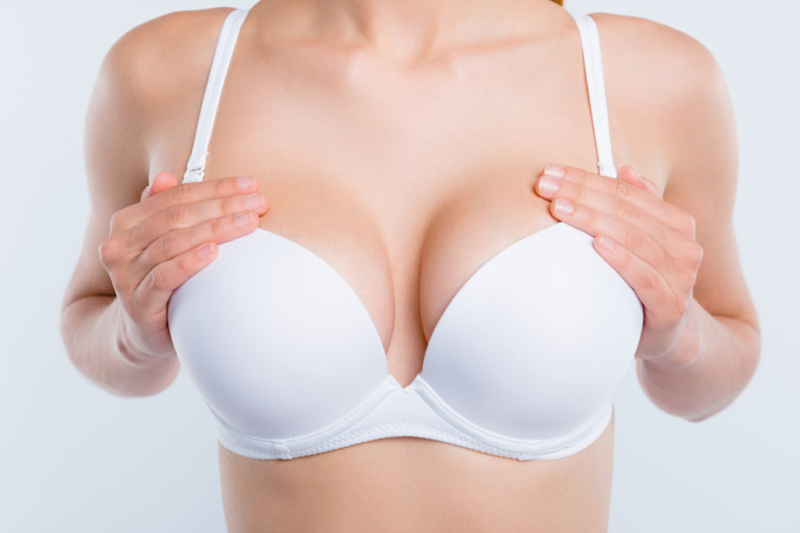
For those considering procedures like breast augmentation, lifts, or reductions, it is important to reflect on your motivations. The best results occur when surgery is chosen to boost your own confidence or solve a discomfort, rather than to chase a trend or meet someone else’s expectations. Always consult with a board-certified surgeon to understand realistic outcomes.
Frequently Asked Questions (FAQ)
Are perfectly symmetrical breasts possible?
No. Perfectly symmetrical breasts are extremely rare. Almost every woman has natural, subtle differences in size or shape.
Does exercise change my breast size?
Exercise cannot shrink or grow breast tissue, as breasts are made of fat and glands. However, it can strengthen the muscles underneath, which improves posture and makes the area look more lifted.
What is the most attractive breast shape?
Beauty is subjective. While many people prefer the “teardrop” shape for its natural look, every breast shape is attractive when it is in proportion to the woman’s body.
Can I prevent my breasts from changing as I age?
You cannot stop the natural aging process, but maintaining a healthy weight, protecting your skin from the sun, and staying hydrated can keep your skin looking as healthy as possible for longer.
Final Thoughts
The search for Perfect Breasts should lead to self-acceptance, not self-criticism. Your body tells the story of your life—every change is a testament to your health and your journey. Instead of comparing yourself to filtered photos, focus on what makes you feel strong, healthy, and vibrant. That confidence is the only “perfect” look that truly matters.