
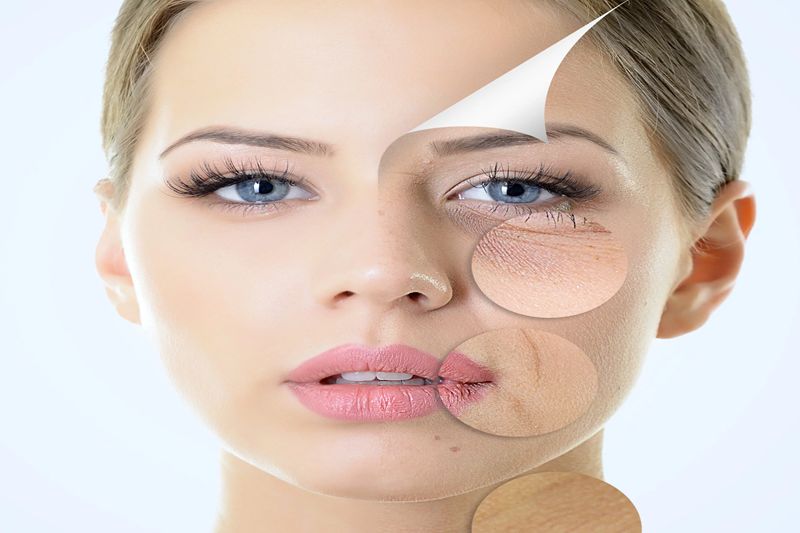
As skin ages, visible changes such as texture loss, creasing, and reduced elasticity gradually appear. Two of the most common concerns people notice are fine lines and wrinkles. While often used interchangeably, they are not the same. Understanding Fine Lines vs. Wrinkles is essential for choosing the right skincare approach and treatment strategy.
These changes are a natural part of aging, but lifestyle, sun exposure, and skincare habits can significantly influence how early and how prominently they appear.
What Are Fine Lines?
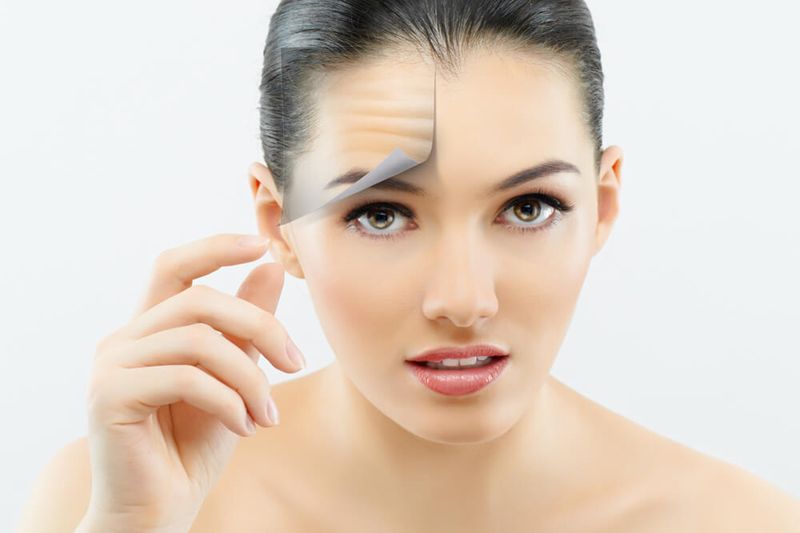
Fine lines are the earliest visible signs of skin aging. They usually appear as shallow, thin lines on the skin’s surface.
Common areas for fine lines include:
- Around the eyes (crow’s feet)
- Forehead
- Around the mouth
Fine lines are typically caused by:
- Dehydration
- Early collagen loss
- Repetitive facial expressions
- Sun exposure
At this stage, the skin still maintains some elasticity, meaning fine lines can often be improved with proper skincare and hydration.
What Are Wrinkles?
Wrinkles are deeper, more permanent folds in the skin that develop over time as structural support weakens.
Characteristics of wrinkles:
- Deeper than fine lines
- More visible at rest
- Harder to reverse
- Linked to loss of collagen and elastin
Wrinkles form due to:
- Natural aging process
- Long-term sun damage
- Repeated muscle movement
- Decreased skin regeneration
Unlike fine lines, wrinkles require more advanced treatment approaches for noticeable improvement.
Key Differences Between Fine Lines and Wrinkles
Understanding Fine Lines vs. Wrinkles helps clarify how skin changes progress over time.
| Feature | Fine Lines | Wrinkles |
|---|---|---|
| Depth | Shallow | Deep |
| Visibility | Light, often only on movement | Visible even at rest |
| Reversibility | Easier to treat | More difficult to treat |
| Cause | Early aging, dehydration | Collagen loss, structural damage |
Fine lines are often the first stage, while wrinkles represent a more advanced stage of skin aging.
Main Causes of Fine Lines and Wrinkles
Several internal and external factors contribute to both conditions.
1. Natural Aging
As we age, collagen and elastin production decreases, leading to reduced skin firmness.
2. Sun Exposure
UV radiation accelerates skin aging by breaking down collagen fibers.
3. Lifestyle Factors
- Smoking
- Poor diet
- Lack of sleep
- Stress
4. Repeated Facial Movements
Expressions like smiling, frowning, and squinting gradually create permanent lines.
5. Dehydration
Lack of moisture makes fine lines more visible and accelerates wrinkle formation.
How to Treat Fine Lines
Early intervention can significantly improve fine lines and prevent progression.
Effective treatments include:
- Hydrating skincare products
- Retinol-based creams
- Antioxidant serums
- Sunscreen use
- Proper hydration
In some cases, aesthetic treatments may enhance results. Procedures such as fillers in dubai are sometimes used to restore subtle volume loss and smooth early signs of aging when performed by qualified professionals.
How to Treat Wrinkles
Wrinkles often require more advanced dermatological solutions.
Common treatment options:
- Laser resurfacing
- Chemical peels
- Microneedling
- Injectable treatments
Dermal fillers can also play a role in restoring volume and softening deeper folds. Treatments like dermal fillers dubai are widely used in clinical settings to improve facial contours and reduce visible signs of aging.
For more comprehensive skin rejuvenation, some patients explore combined protocols in specialized centers, including hydrafacial treatment in dubai, which helps improve skin texture, hydration, and overall radiance.
Preventing Fine Lines and Wrinkles
Prevention is always more effective than correction.
Key prevention strategies:
- Daily sunscreen use (SPF 30+)
- Maintaining hydration
- Eating antioxidant-rich foods
- Avoiding smoking
- Managing stress
- Following a consistent skincare routine
Small daily habits can significantly slow down visible aging over time.
Skincare Routine for Younger-Looking Skin
A consistent routine is essential for maintaining healthy skin.
Morning routine:
- Gentle cleanser
- Vitamin C serum
- Moisturizer
- Sunscreen
Evening routine:
- Cleanser
- Retinol or treatment serum
- Hydrating moisturizer
Consistency is more important than using multiple products.
Professional Treatments and Skin Rejuvenation
Modern aesthetic medicine offers advanced solutions for both fine lines and wrinkles. These treatments target deeper layers of the skin to stimulate collagen production and improve overall skin quality.
Non-invasive procedures have become increasingly popular due to minimal downtime and natural-looking results.
When Should You Start Treatment?
There is no fixed age to begin treatment. However, early prevention in the late 20s or early 30s can significantly delay the appearance of deeper wrinkles.
If fine lines begin to become more visible or persistent, early intervention can help maintain smoother skin for longer.
Understanding Fine Lines vs. Wrinkles is key to building an effective skincare and treatment strategy. Fine lines are early, superficial signs of aging, while wrinkles are deeper and more permanent changes in skin structure. With the right combination of skincare, lifestyle habits, and professional treatments, both conditions can be effectively managed and significantly improved. Consistency, prevention, and early care remain the most powerful tools for maintaining youthful, healthy skin.
Frequently Asked Questions (FAQs)
What is the difference between fine lines and wrinkles?
Fine lines are shallow, early signs of skin aging that often appear due to dehydration and initial collagen loss. Wrinkles are deeper, more permanent folds that develop as collagen and elastin levels decline over time.
At what age do fine lines typically appear?
Fine lines can start appearing in the late 20s or early 30s, depending on genetics, sun exposure, lifestyle habits, and skincare practices.
Can fine lines be reversed?
Fine lines can often be significantly improved with proper hydration, sunscreen, retinoids, and professional skin treatments. Early intervention usually delivers the best results.
Are wrinkles permanent?
Wrinkles are more permanent than fine lines, but their appearance can be reduced through advanced skincare treatments, injectables, laser therapies, and collagen-stimulating procedures.
What causes wrinkles to form faster?
Excessive sun exposure, smoking, dehydration, poor nutrition, stress, lack of sleep, and inadequate skincare can all accelerate wrinkle formation.
Does sunscreen help prevent fine lines and wrinkles?
Yes. Daily sunscreen use is one of the most effective ways to prevent premature skin aging by protecting collagen and elastin from UV damage.
Which treatments are most effective for wrinkles?
Treatment options vary depending on wrinkle depth and skin condition. Common solutions include dermal fillers, laser resurfacing, microneedling, chemical peels, and other skin rejuvenation procedures recommended by qualified professionals.
When should I start anti-aging skincare?
Preventive skincare can begin in your 20s. Establishing healthy habits early helps slow the development of fine lines and reduces the risk of deeper wrinkles later in life.
Conclusion
Understanding the difference between fine lines and wrinkles is essential for making informed skincare and treatment decisions. Fine lines are often the first visible signs of aging and may respond well to preventive care and targeted skincare, while wrinkles represent deeper structural changes that typically require more advanced treatment approaches. By protecting your skin from sun damage, maintaining hydration, following a consistent skincare routine, and seeking professional guidance when needed, you can effectively manage the signs of aging and maintain smoother, healthier, and more youthful-looking skin for years to come.