
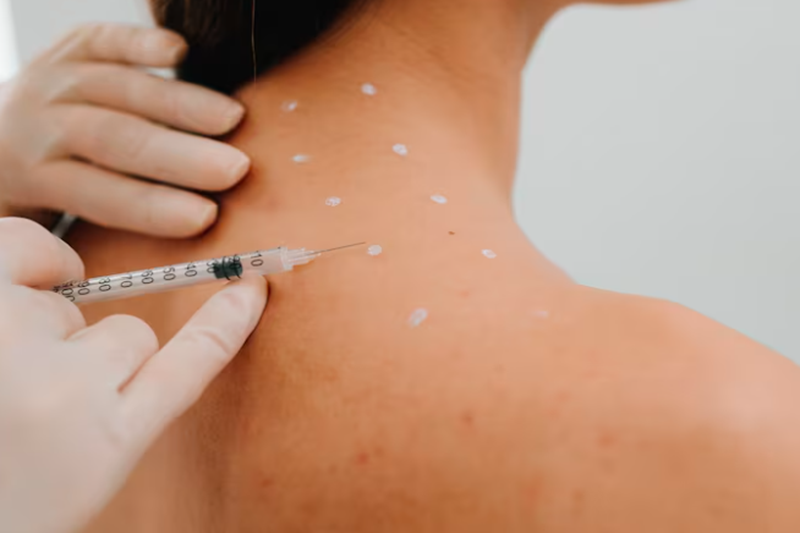
A prominent trapezius muscle can make the shoulders appear broader and the neck look shorter, particularly when muscle bulk is the main factor affecting the upper-body contour. Trapezius Botox, also known as Trap Tox, is a non-surgical treatment that temporarily reduces activity in targeted areas of the trapezius muscle.
By relaxing excessive muscle activity, Trap Tox may create a softer shoulder contour, a more elongated-looking neck, and, in some patients, relief from muscle-related upper-shoulder tension. The treatment is customized according to individual anatomy, muscle size, and aesthetic goals.
What Is Trapezius Botox (Trap Tox)?
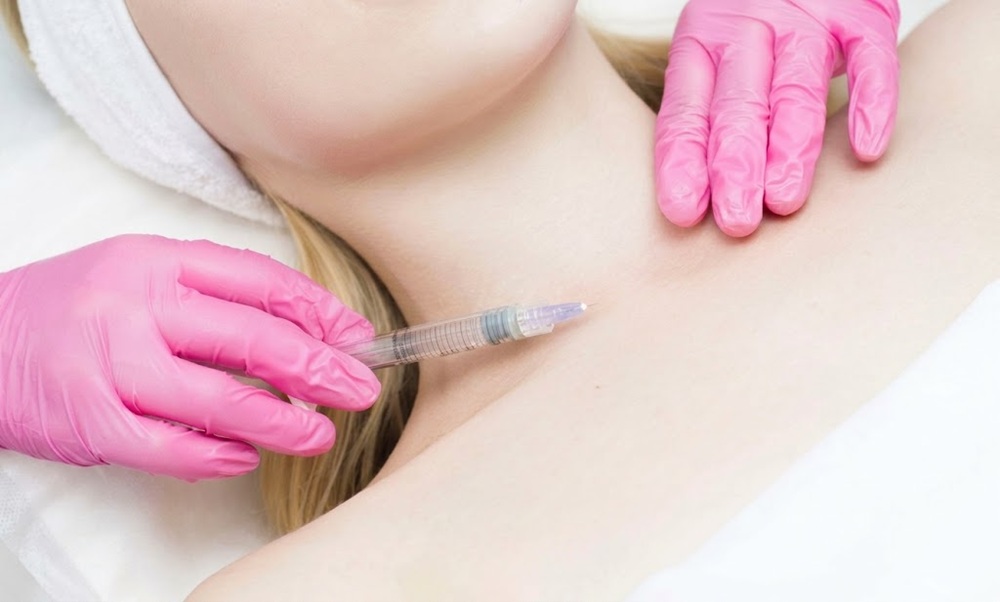
Trapezius Botox is a botulinum toxin treatment that temporarily reduces muscle activity in selected portions of the trapezius.
The trapezius is a large muscle extending across the upper back and neck toward the shoulders. When it is particularly developed or overactive, it can contribute to prominent upper shoulders and a shorter-looking neck.
Trap Tox does not remove fat or change the underlying bones of the shoulders. Instead, it works by reducing excessive muscle contraction. Over time, this can decrease muscle prominence and create a more refined upper-body appearance.
Trapezius Botox uses botulinum toxin to temporarily reduce muscle activity in selected areas of the trapezius. Like other Botox treatments, the effect is temporary and depends on the treatment area, dosage, and individual response.
Anatomy of the Trapezius Muscle

The trapezius is a broad, triangular muscle located across the upper back and neck. It plays an important role in shoulder movement, posture, and stabilization.
It can be divided into three main regions:
- Upper trapezius: Extends from the neck toward the shoulders and is the primary area considered for aesthetic Trap Tox treatment.
- Middle trapezius: Helps retract the shoulder blades and supports shoulder positioning.
- Lower trapezius: Contributes to downward movement and stabilization of the shoulder blades.
Because the trapezius has important functional roles, treatment requires an accurate understanding of its anatomy. The objective is controlled relaxation of selected muscle areas rather than excessive weakening.
Trapezius Botox works by temporarily reducing the nerve signals that cause the targeted muscle to contract.
After the injections, muscle activity gradually decreases. When the treated muscle contracts less frequently and with less force, its prominence may reduce over time.
A typical treatment involves:
- Assessing the neck, shoulders, posture, and trapezius muscle.
- Identifying the areas where muscle activity or bulk is most prominent.
- Selecting injection points according to individual anatomy.
- Injecting carefully measured amounts of botulinum toxin.
- Allowing the muscle-relaxing and aesthetic effects to develop gradually.
The exact number of injections and amount of product vary from person to person. There is no universal dose that is appropriate for every patient.
What Are the Benefits of Trap Tox?

Trapezius Botox may provide both aesthetic and muscle-relaxation benefits when the trapezius is a significant contributor to the patient’s concerns.
Shoulder Slimming
Reducing excessive trapezius muscle activity can gradually make the upper shoulders appear less bulky. This may create a softer and more streamlined shoulder contour.
However, Trap Tox does not reduce fat or change the width of the shoulder bones. Its slimming effect is related specifically to muscle activity and muscle bulk.
A Longer-Looking Neck
Trap Tox cannot physically lengthen the neck. Instead, reducing the prominence of the upper trapezius can create more visual space between the neck and shoulders.
This may make the neck appear:
- Longer
- More slender
- More defined
- Less visually crowded by the shoulders
The degree of change depends on the patient’s natural anatomy and the size of the trapezius muscles.
Reduced Muscle Tension
Some people consider Trapezius Botox because of persistent upper-shoulder tightness associated with excessive muscle activity.
Reducing muscle contraction may help decrease muscle-related tension in appropriate patients. However, neck and shoulder discomfort can have many causes, including posture, repetitive activity, injuries, and other medical conditions.
For this reason, Botox should not be assumed to be the appropriate treatment for unexplained or persistent pain without a proper medical assessment.
Who Is a Good Candidate for Trapezius Botox?
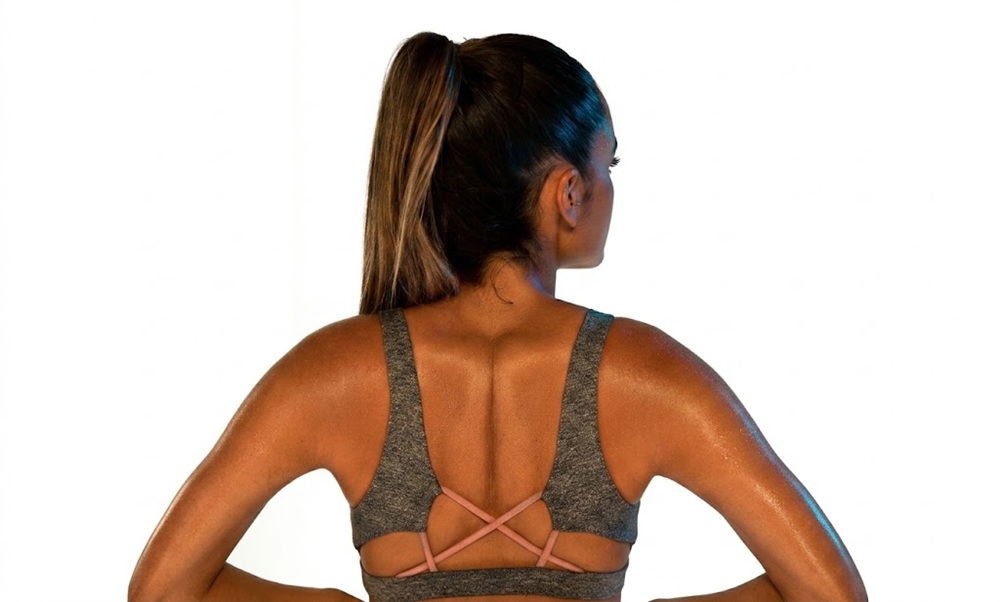
Trap Tox may be considered for adults who:
- Have visibly prominent trapezius muscles
- Feel that their shoulders appear disproportionately broad because of muscle bulk
- Want a non-surgical approach to shoulder contouring
- Want a softer or more streamlined upper-body appearance
- Have realistic expectations about temporary results
- Do not have contraindications to botulinum toxin treatment
During a consultation, the practitioner can determine whether muscle bulk is actually responsible for the concern or whether factors such as bone structure, fat distribution, or posture play a larger role.
What Happens During a Trapezius Botox Treatment?
A Trap Tox appointment usually begins with an assessment of the neck, shoulders, posture, and trapezius muscle.
1. Consultation and Assessment
The practitioner evaluates muscle size and activity and discusses your aesthetic goals, physical activity, previous Botox treatments, and any history of neck or shoulder problems.
2. Treatment Planning
Injection points are selected according to your anatomy and the desired outcome. The goal is to reduce excessive muscle activity while preserving normal shoulder function.
3. Botox Injections
A fine needle is used to inject botulinum toxin into carefully selected areas of the trapezius muscle.
The number of injection points and amount of product vary depending on muscle size, strength, anatomy, and treatment goals.
4. After Treatment
Most patients can return to normal activities relatively quickly, although individual aftercare instructions may vary. Your practitioner will explain what to avoid immediately after treatment and when you can resume strenuous activities.
When Will You See Trapezius Botox Results?
Trapezius Botox results develop gradually rather than appearing immediately.
Some patients may notice early changes within several days as muscle activity begins to decrease. More noticeable changes in muscle prominence and shoulder contour can develop over the following weeks.
For shoulder slimming, the final aesthetic effect may take longer than the initial muscle-relaxing effect.
The result depends on factors such as:
Trapezius muscle size
Muscle activity
Injection technique
Amount of botulinum toxin used
Individual anatomy
Response to treatment
How Long Does Trapezius Botox Last?

The effects of botulinum toxin are temporary. For many patients, results last for several months before muscle activity gradually returns.
The duration can vary depending on muscle strength, physical activity, metabolism, dosage, treatment technique, and previous treatments.
Some patients may choose maintenance treatments once the effects begin to wear off. However, repeat treatment should be based on individual assessment rather than an automatic schedule.
How Much Does Trapezius Botox Cost?
The cost of Trapezius Botox in Dubai can vary from patient to patient. Unlike treatments with a fixed number of injection areas, Trap Tox is typically customized according to the size and activity of the trapezius muscles.
Factors that may affect the cost include:
- The amount of botulinum toxin required
- Number of injection points
- Muscle size and strength
- Treatment goals
- The practitioner’s experience
- The specific botulinum toxin product used
A consultation is the best way to determine the appropriate treatment plan and its cost for your individual anatomy.
Is Trapezius Botox Safe?
When performed by a qualified and experienced medical professional, Trapezius Botox can be appropriate for suitable candidates. However, because the trapezius plays an important role in shoulder movement and stabilization, accurate assessment, injection placement, and dosing are essential.
Possible temporary side effects may include redness, swelling, bruising, tenderness, discomfort, muscle weakness, or changes in muscle balance.
Who May Not Be a Good Candidate?
Trap Tox may not be suitable for people with certain neuromuscular conditions, an allergy to botulinum toxin or its components, infection at the injection site, or other relevant medical concerns. Pregnancy and breastfeeding may also affect treatment suitability.
Tell your practitioner about your medical history, medications, supplements, previous botulinum toxin treatments, and any existing neck or shoulder problems before treatment.
Can You Exercise After Trap Tox?
Your practitioner may recommend temporarily avoiding strenuous exercise, particularly activities that heavily engage the shoulders and upper back. Follow the specific aftercare instructions provided after your treatment before returning to your usual workout routine.
Frequently Asked Questions About Trapezius Botox
What is Trap Tox?
Trap Tox is a commonly used name for Trapezius Botox, a treatment that temporarily reduces activity in selected areas of the trapezius muscles. It is primarily used to reduce prominent muscle bulk and create a slimmer-looking shoulder and neck contour.
Does Trapezius Botox make the shoulders smaller?
It may make the shoulders appear slimmer when prominent trapezius muscle bulk contributes to their appearance. However, it does not change bone structure or reduce fat.
How long do Trap Tox results last?
Results are temporary and typically last for several months. The duration varies depending on factors such as muscle activity, dosage, treatment technique, and individual response.
Can Trap Tox help with shoulder tension?
It may help reduce tension when it is related to excessive trapezius muscle activity. However, persistent neck or shoulder pain can have other causes and should be medically assessed.
Is Trapezius Botox safe?
Trapezius Botox can be safe for appropriate candidates when performed by a qualified and experienced medical professional. As with other injectable treatments, temporary side effects and potential complications are possible, making proper assessment and technique important.
Conclusion
Trap Tox (Trapezius Botox) offers a non-surgical approach to reducing prominent trapezius muscle activity and creating a slimmer-looking shoulder contour and more elongated-looking neck. Results develop gradually and vary depending on muscle size, anatomy, dosage, and individual response.
Because the trapezius plays an important role in shoulder movement and stability, precise injection technique and appropriate treatment planning are essential. A consultation with a qualified medical professional can help determine whether Trapezius Botox is suitable for your goals and what results you can realistically expect.


