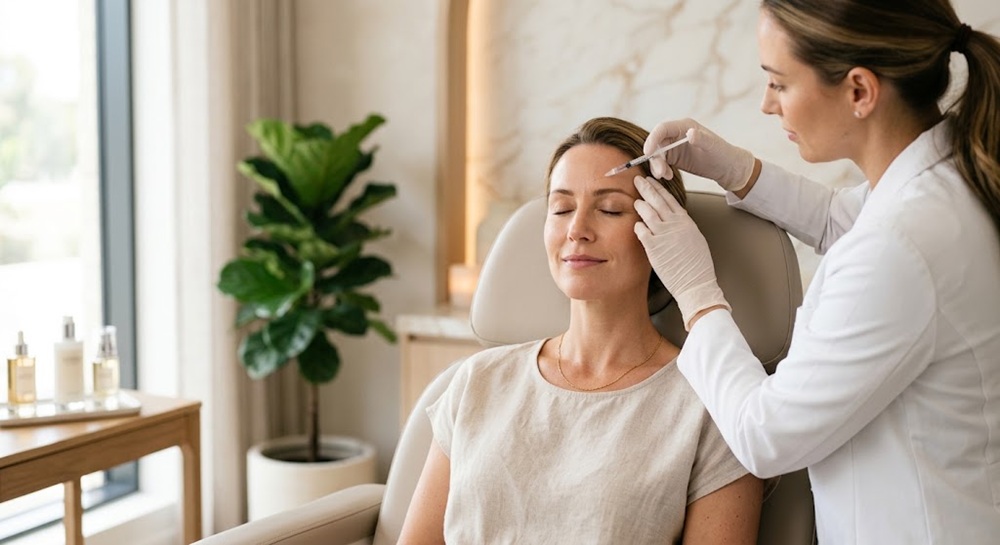
Botox in Dubai is a popular non-surgical aesthetic treatment for reducing the appearance of dynamic facial wrinkles and creating a smoother, more refreshed appearance. At Paramy Poly Clinic, Botox is offered as part of personalized anti-wrinkle treatments, with the treatment plan tailored to your facial muscle activity, anatomy, and aesthetic goals.
Botox works by temporarily relaxing selected muscles responsible for repetitive facial movements such as frowning, squinting, and raising the eyebrows. When appropriately administered, it can soften dynamic wrinkles while helping maintain natural-looking facial expressions.
If you are considering Botox in Dubai, understanding how the treatment works, which areas can be treated, how long results last, and what to expect during your consultation can help you make an informed decision.
What Is Botox and How Does It Work?
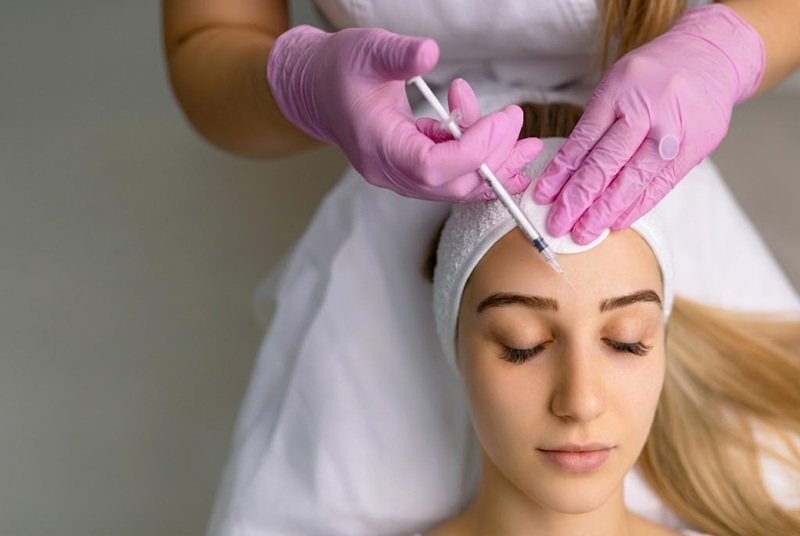
Botox is a purified form of botulinum toxin type A. When injected in carefully selected muscles, it temporarily blocks the nerve signals that cause those muscles to contract.
Repeated facial movements such as smiling, frowning, or squinting can gradually create dynamic wrinkles. By reducing the activity of targeted muscles, Botox can soften these lines and help prevent them from becoming more pronounced over time.
The treatment is usually performed with very fine needles and does not require surgery or general anesthesia. Depending on the areas being treated, the procedure can often be completed within a short appointment.
What Areas Can Botox Treat?
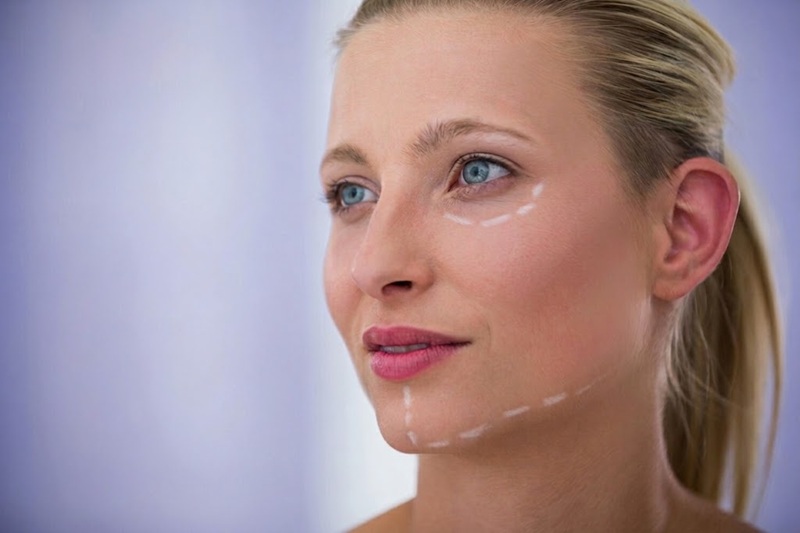
Botox can be used in several areas of the face, depending on the patient’s concerns and treatment goals.
Common cosmetic treatment areas include:
- Forehead lines: Horizontal lines that become more visible when raising the eyebrows.
- Frown lines: Vertical lines between the eyebrows, sometimes called glabellar lines or “11 lines.”
- Crow’s feet: Fine lines that develop around the outer corners of the eyes.
- Bunny lines: Small wrinkles that appear around the bridge or sides of the nose when smiling or moving the nose.
- Lip lines: Fine vertical lines around the lips may sometimes be treated with carefully placed Botox.
- Chin lines: Botox can help reduce certain types of dimpling or an uneven appearance of the chin.
- Jawline and masseter area: In selected patients, Botox may be used to relax the masseter muscles and create a softer lower-face appearance.
The appropriate treatment areas depend on facial anatomy, muscle strength, skin condition, and the desired result.
Considering Botox in Dubai?
If you are looking for a personalized approach to reducing facial wrinkles, an anti-wrinkle injection consultation can help determine which treatment areas are suitable for you.
Book a consultation at Paramy Poly Clinic to discuss your goals and create a personalized treatment plan.
What Results Can You Expect From Botox in Dubai?
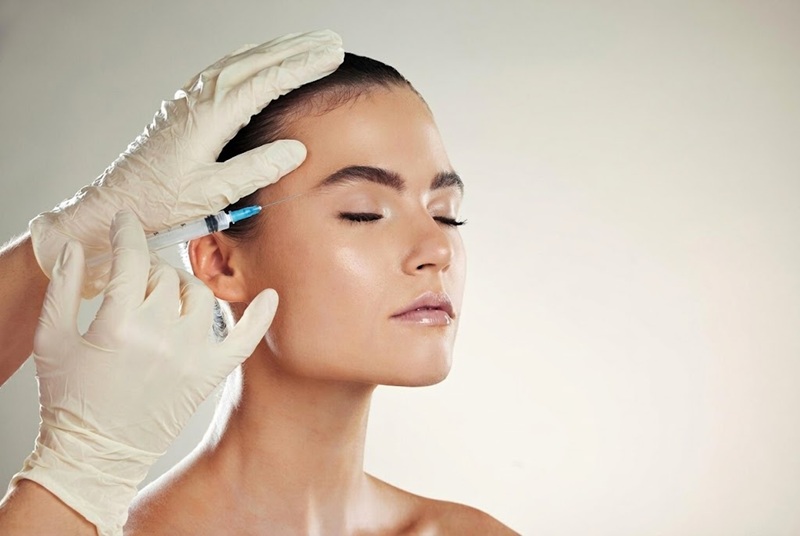
Botox does not produce an immediate transformation. The treated muscles gradually become more relaxed after the injections.
Some patients begin to notice changes within a few days, while the full effect generally becomes more apparent over the following days.
The results can include:
- Softer appearance of dynamic wrinkles
- A smoother forehead
- Reduced appearance of frown lines
- Softer crow’s feet
- A more refreshed facial appearance
- Reduced muscle activity in targeted areas
A good Botox treatment should maintain natural facial movement rather than making the face appear completely frozen. The amount of Botox and injection points should therefore be tailored to each person’s facial anatomy and aesthetic goals.
How Long Does Botox Last?
The effects of Botox are temporary. For many patients, results typically last around three to four months, although this can vary.
Several factors can influence how long Botox lasts, including:
- The treatment area
- Individual muscle strength
- Metabolism
- Dose and injection technique
- Frequency of previous treatments
- The individual’s response to Botox
As muscle activity gradually returns, treated lines may begin to reappear. Regular treatments may help maintain the desired appearance, but treatment frequency should always be determined by a qualified medical professional.
What Are the Side Effects of Botox?
Botox is generally well tolerated when administered correctly, but temporary side effects can occur.
Common side effects may include:
- Mild redness at the injection sites
- Temporary swelling
- Bruising
- Mild tenderness
- Headache
- Temporary discomfort around the treated area
Less common complications can occur if the product spreads to unintended muscles or if injections are not appropriately placed. Depending on the treatment area, this may result in temporary effects such as eyelid or eyebrow drooping or unwanted muscle weakness.
Choosing an experienced medical professional and following aftercare instructions can help reduce the risk of complications.
If you experience unusual or persistent symptoms after treatment, contact your healthcare provider for appropriate advice.
Who Is a Good Candidate for Botox?
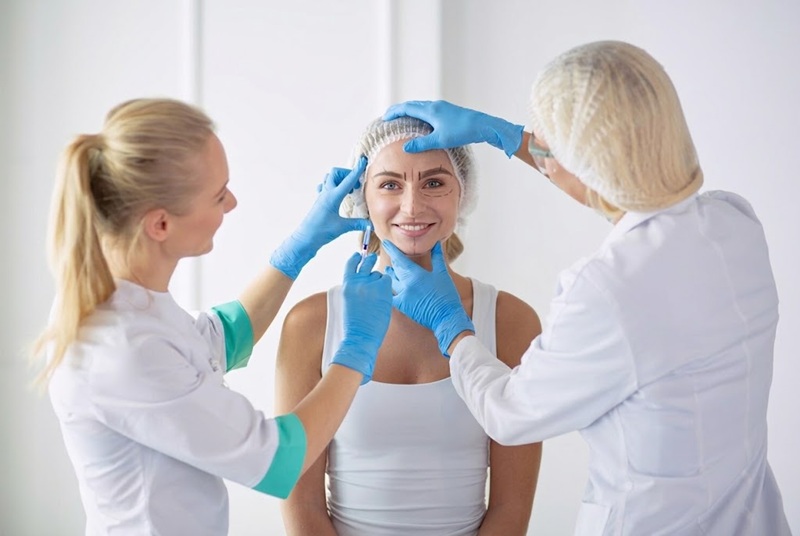
Botox may be suitable for adults who want to reduce dynamic facial wrinkles or address specific concerns related to excessive muscle activity.
A consultation is important before treatment because not every type of wrinkle responds equally well to Botox. For example, wrinkles caused primarily by volume loss or significant skin laxity may require a different approach.
During a consultation, a qualified practitioner can assess:
- Facial muscle movement
- Skin condition
- Existing wrinkles
- Facial symmetry
- Previous aesthetic treatments
- Your expectations and treatment goals
This assessment helps determine whether Botox is appropriate or whether another treatment may provide a better result.
What Should You Avoid Before and After Botox?

Following appropriate pre- and post-treatment instructions can support a smoother recovery.
Before your appointment, your practitioner may advise you to discuss any medications, supplements, medical conditions, allergies, or previous cosmetic treatments.
After Botox, you may be advised to:
- Avoid rubbing or strongly massaging the treated areas.
- Follow the specific instructions provided by your practitioner.
- Avoid unnecessary pressure on the injection sites.
- Contact your provider if you develop concerning or unexpected symptoms.
Your practitioner may provide additional instructions depending on the areas treated and your individual circumstances.
Botox vs. Dermal Fillers: What’s the Difference?
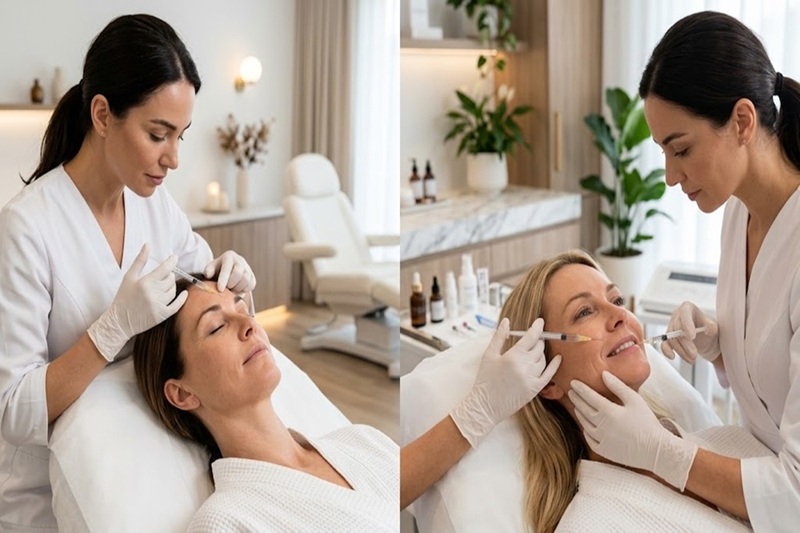
Botox and dermal fillers are both popular non-surgical aesthetic treatments, but they work in different ways.
Botox works by temporarily relaxing targeted muscles, making it particularly effective for dynamic wrinkles caused by repeated facial movements.
Dermal fillers, on the other hand, add or restore volume in specific areas of the face. Depending on the type of filler, they can be used to enhance the lips, cheeks, chin, jawline, and other areas affected by volume loss.
In some cases, Botox and dermal fillers can be used together. The right approach depends on your facial anatomy, aesthetic goals, and the concerns you want to address.
For a more detailed look at this topic, check out our dedicated article: Botox vs. Fillers: Uses, Effects, and Differences
How Is Botox Treatment Performed in Dubai?
A Botox treatment in Dubai typically begins with a consultation and facial assessment. The practitioner examines muscle movement and identifies the areas that may benefit from treatment.
Once the treatment plan is established, small amounts of Botox are injected into selected muscles using a fine needle.
The procedure is generally quick, and most patients can return to their normal activities shortly afterward. The exact duration depends on the number of areas being treated.
Because Botox is a prescription medical treatment, it should be administered by an appropriately qualified healthcare professional.
When Should You Consider a Botox Consultation in Dubai?
If you are considering Botox in Dubai, a professional consultation is an important first step in determining whether the treatment matches your goals.
Rather than focusing only on the number of units or a specific injection technique, the consultation should consider your facial anatomy, muscle movement, skin condition, previous treatments, and desired outcome.
A personalized treatment plan can help achieve a balanced result while preserving natural facial expression.
Ready to Explore Botox in Dubai?
If you are considering Botox or other anti-wrinkle injections, a consultation can help identify the most appropriate treatment for your facial features and goals.
Book your consultation at Paramy Poly Clinic to discuss your options with a qualified practitioner.
Frequently Asked Questions
Is Botox permanent?
No. Botox produces temporary results. Its effects gradually wear off as muscle activity returns, and many patients require periodic treatments to maintain their results.
Does Botox hurt?
Botox injections are performed with very fine needles. Most patients experience only mild and brief discomfort during the procedure.
How quickly does Botox work?
Results usually develop gradually rather than appearing immediately. Many patients begin noticing changes within several days, with the effect becoming more apparent afterward.
Can Botox look natural?
Yes. When appropriately dosed and precisely injected, Botox can soften wrinkles while preserving natural facial movement. The treatment should be customized to the patient’s facial anatomy and goals.
Is Botox the same as dermal filler?
No. Botox temporarily reduces muscle activity, while dermal fillers are primarily used to restore or add volume. They address different aesthetic concerns.
Can Botox be used for medical conditions?
Yes. Botulinum toxin has applications beyond aesthetics and may be used for certain medical conditions. Whether it is appropriate depends on the specific condition and medical assessment.
conclusion
Botox in Dubai can be an effective non-surgical option for temporarily softening dynamic wrinkles and creating a smoother, refreshed appearance. Because results depend on facial anatomy, muscle activity, treatment areas, and individual goals, a personalized assessment is an important part of the process.


