

Collagen supplements are widely used by people who want to maintain firmer, smoother, and healthier-looking skin. However, finding the best collagen for skin whitening requires understanding what these supplements can realistically achieve. Although collagen plays an important role in skin structure, it does not directly bleach the skin or change its natural colour.
Some hydrolyzed collagen supplements have been studied for their potential effects on skin hydration, elasticity, and visible signs of aging. Their formulations may also include ingredients such as vitamin C and hyaluronic acid to provide additional nutritional or skincare benefits.
Can Collagen Really Whiten or Brighten the Skin?
Collagen and skin whitening are two different concepts. Collagen is a structural protein that helps maintain skin firmness and elasticity, while skin pigmentation is primarily determined by melanin, the pigment produced by melanocytes.
Collagen supplements do not directly inhibit melanin production and are not established treatments for hyperpigmentation, melasma, or dark spots.
However, oral collagen peptides have been investigated for their potential to improve certain aspects of skin quality, including:
- Hydration: Some clinical studies suggest that collagen supplementation may improve skin moisture levels.
- Elasticity: Collagen peptides have been studied for their potential contribution to maintaining skin elasticity.
- Skin Texture: Better hydration may help the skin appear smoother and less dull.
- Visible Signs of Aging: Research has explored possible effects on fine lines and other age-related skin changes, although findings remain inconsistent.
These potential benefits should not be confused with skin lightening. A more hydrated and smoother complexion may look healthier, but this does not necessarily mean that pigmentation has decreased.
How Collagen Supports Skin Health
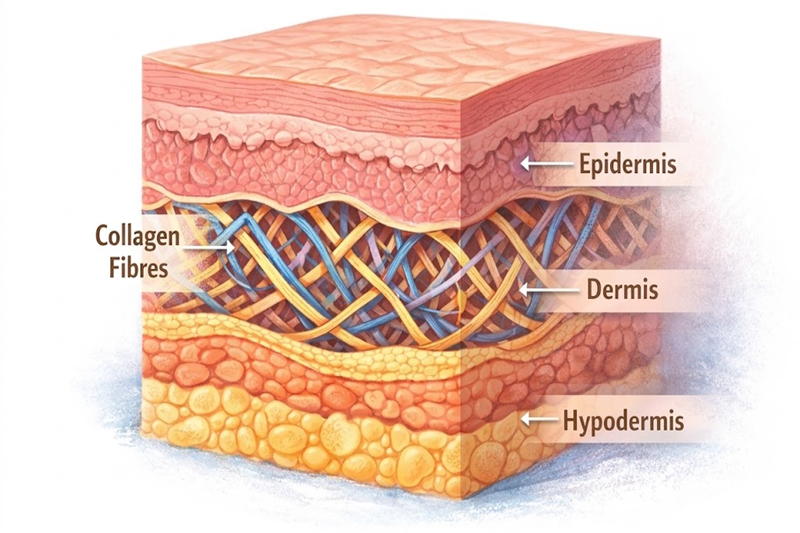
Collagen is a major component of the dermis, the layer beneath the epidermis that provides much of the skin’s structural support.
It works alongside elastin and other components of the extracellular matrix to help maintain skin strength and flexibility. As natural collagen production declines with age, the skin may gradually lose firmness and become more susceptible to wrinkles.
Most oral collagen supplements contain hydrolyzed collagen, which has been broken down into smaller peptides. After digestion, these peptides and their amino acids enter the body’s normal metabolic processes.
Researchers have investigated whether these components can influence collagen-related activity in the skin. However, taking collagen does not mean that all the ingested collagen travels directly to the skin or replaces the collagen lost through aging.
Best Types of Collagen for Skin Health
Collagen supplements differ according to their source and processing method. Understanding these differences can help consumers compare formulations more effectively.
1. Marine Collagen
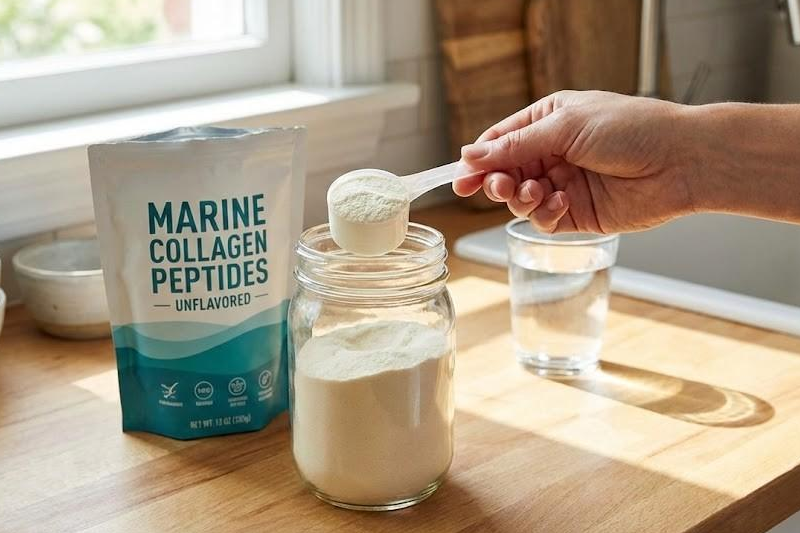
Marine collagen is generally extracted from fish skin and scales. It is commonly rich in Type I collagen, which is the most abundant collagen type in human skin.
It is frequently used in beauty supplements formulated to support skin health.
Key characteristics:
- Primarily provides Type I collagen.
- Commonly available as hydrolyzed collagen peptides.
- Often sold in powders, liquids, and capsules.
- Suitable for people who prefer fish-derived collagen.
Marine collagen is sometimes marketed as more easily absorbed than bovine collagen. However, there is insufficient evidence to establish that marine collagen is universally superior. The degree of hydrolysis, peptide size, and product formulation also influence its characteristics.
People with fish allergies should check product labels carefully before using marine collagen.
2. Bovine Collagen
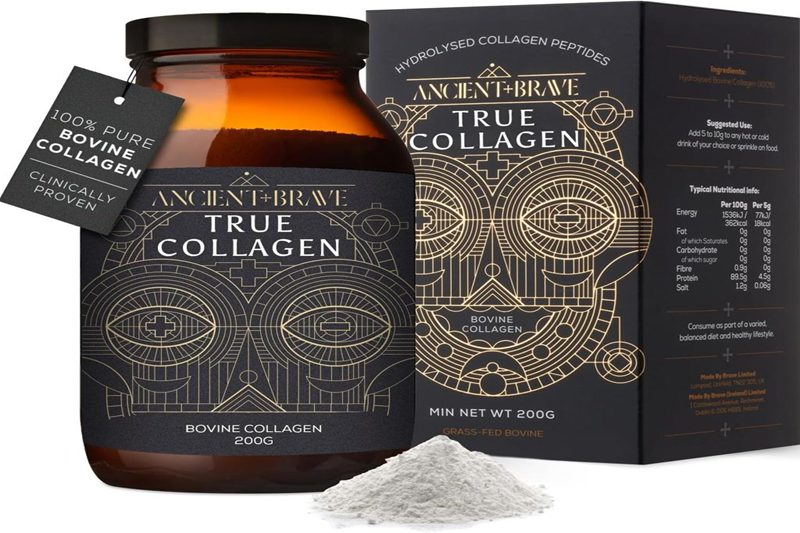
Bovine collagen is obtained from cattle-derived tissues, commonly skin and bones. It typically contains Type I and Type III collagen, which are found in the skin and other connective tissues.
It is widely used in powders and capsules because of its availability and versatility.
Key characteristics:
- Provides Type I and Type III collagen.
- Commonly available as hydrolyzed peptides.
- Can be incorporated into drinks and smoothies.
- Suitable for people who prefer non-fish collagen sources.
Bovine collagen can be an alternative to marine collagen for people looking for a supplement to support general skin health. However, there is no strong evidence that one source consistently produces better skin outcomes than the other.
3. Hydrolyzed Collagen Peptides
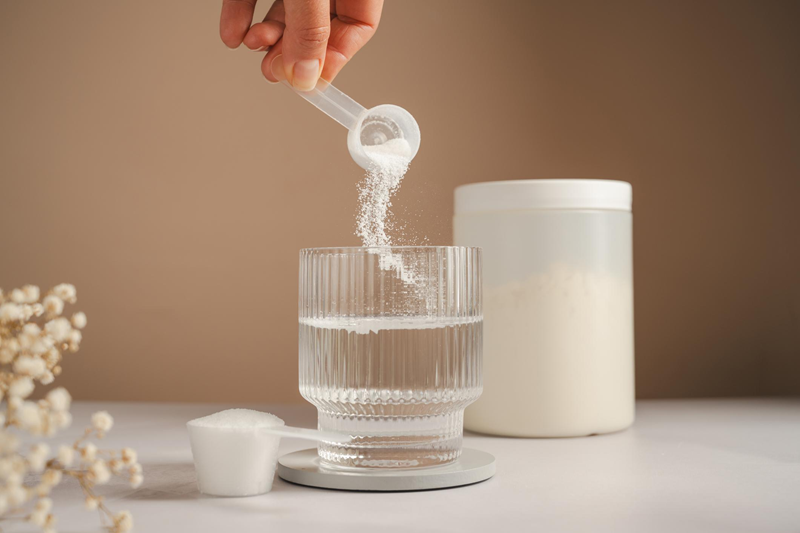
Hydrolyzed collagen is produced by breaking larger collagen proteins into smaller peptides through enzymatic or other processing methods.
Unlike marine or bovine collagen, hydrolyzed collagen does not describe an animal source. It describes how the collagen has been processed.
This formulation is popular because it generally dissolves easily and can be incorporated into different types of supplements.
Key characteristics:
- Contains smaller collagen peptides.
- Can be derived from marine or bovine sources.
- Available in powders, capsules, and liquid formulations.
- Commonly used in clinical studies investigating oral collagen supplementation.
When comparing products, check the source, serving size, and amount of hydrolyzed collagen rather than relying on claims such as advanced absorption or premium formulation.
Best Collagen Supplements for Skin: Top Picks
Choosing a collagen supplement involves comparing its source, formulation, additional ingredients, and intended use. The following products are examples featured in British Vogue’s 2026 collagen supplement guide. They provide useful options for comparing different product formats and formulations, but their inclusion does not establish that they whiten skin or are clinically superior to other supplements.
1. ARTAH Skin Clinic Pro Collagen Supplement
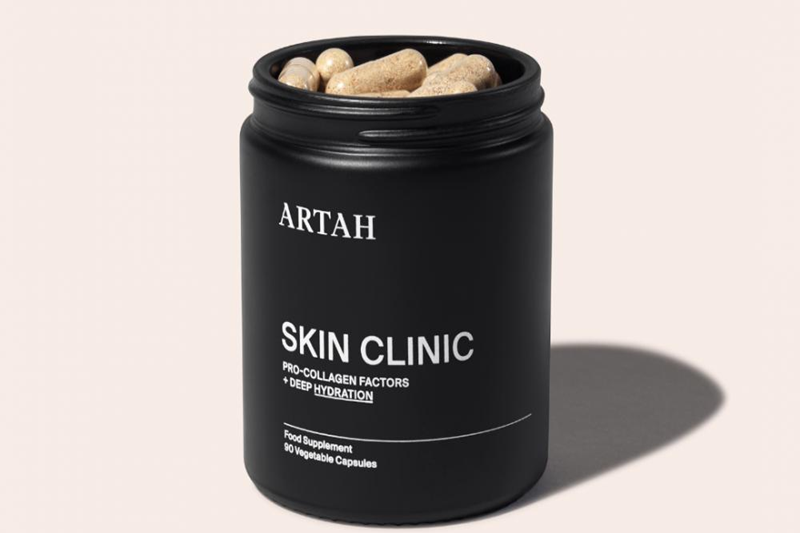
Skin health
- Format: Capsules
- Key ingredients: Collagen peptides, glycine, hyaluronic acid, lysine, and vitamin C.
- Main consideration: A multi-ingredient formulation designed around skin health.
2. Vital Proteins Collagen Peptides
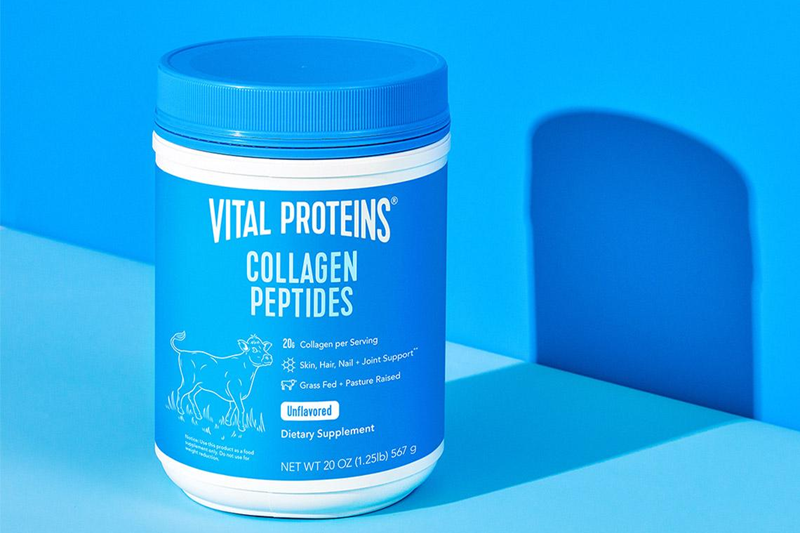
- Format: Powder
- Source: Bovine
- Collagen types: Type I and III
- Main consideration: A straightforward collagen peptide powder that can be mixed into drinks and smoothies.
3. Absolute Collagen Marine Liquid
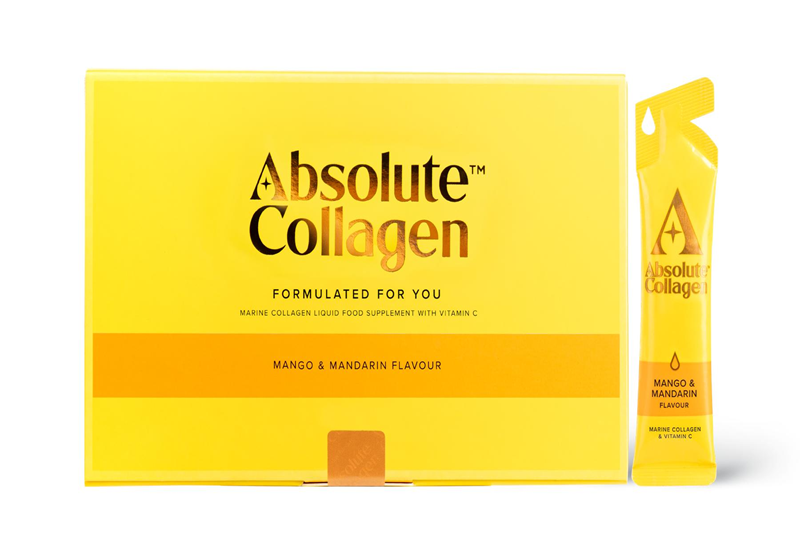
- Format: Liquid sachets
- Source: Marine
- Main consideration: A ready-to-use option for people who prefer liquid supplements over powders or capsules.
4. Beauty Pie Collagen Super Powder
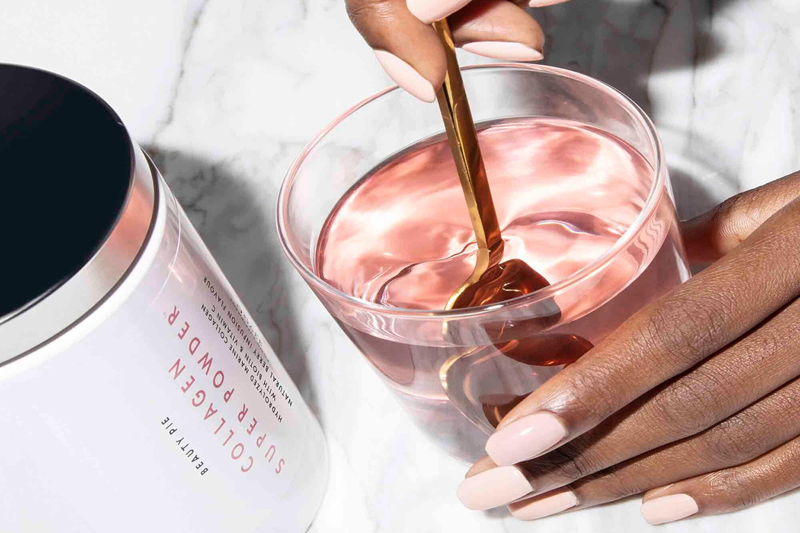
- Format: Powder
- Main consideration: Another example of a powdered collagen supplement for people who prefer mixing supplements into their daily drinks.
These examples are based on Vogue’s editorial product selection, not an independent clinical comparison of their effectiveness. Formulations and availability can change, so consumers should check current product labels and manufacturer information before purchasing. British Vogue
What to Look for in a Collagen Supplement
Beyond the product name, several formulation details can help determine whether a collagen supplement is suitable for individual needs.
| Factor | What to Check | Why It Matters |
|---|---|---|
| Collagen Source | Marine or bovine | Helps identify the origin of the ingredient and potential allergens |
| Collagen Type | Type I and III | Commonly associated with skin and connective tissue |
| Processing | Hydrolyzed peptides | Produces smaller peptides that are easier to dissolve and digest |
| Serving Size | Clearly stated collagen amount | Allows accurate comparison between products |
| Additional Ingredients | Vitamin C or hyaluronic acid | May provide complementary nutritional or hydration-related benefits |
| Quality Control | Manufacturer testing and quality documentation | Helps assess product consistency and purity |
Ingredients That Complement Collagen
Some supplements combine collagen with other ingredients that have independent roles in skin health.
Vitamin C: This nutrient is essential for normal collagen synthesis and also acts as an antioxidant. A vitamin C-containing formulation may be useful for people who want to combine collagen supplementation with nutritional support.
Hyaluronic Acid: Naturally present in the skin, hyaluronic acid helps retain moisture. It is frequently included in beauty supplements designed to support skin hydration.
Antioxidants: Ingredients such as vitamin E and certain plant-derived compounds help protect cells against oxidative stress. Their effects depend on the specific ingredient and amount included in the formulation.
An important distinction is that these ingredients do not automatically make a supplement more effective. The overall formulation, ingredient amounts, product quality, and available clinical evidence should all be considered.
Collagen Supplements vs. Injectable Peptide Therapy
Oral collagen supplements and injectable peptide treatments are different approaches to supporting skin health. They should not be considered interchangeable because they involve different ingredients, administration methods, and biological processes.
Oral Collagen Supplements
Oral supplements provide collagen-derived peptides and amino acids through digestion. These components enter normal metabolic pathways and may contribute to processes associated with skin maintenance.
Their potential effects on hydration and elasticity have been investigated in clinical studies, although the strength of the evidence remains debated.
Injectable Peptide Therapy
Certain peptides act as biological signalling molecules and are being investigated for their potential involvement in tissue repair, cellular activity, and collagen-related processes.
One example is GHK-Cu, also known as copper tripeptide-1. It has attracted scientific interest because of its proposed role in extracellular matrix remodelling and skin repair.
How GHK-Cu Peptides Support Collagen Production
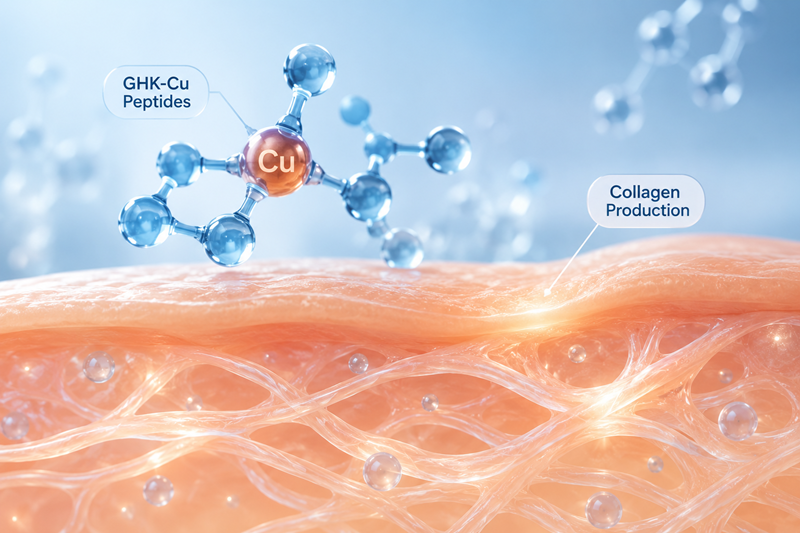
GHK-Cu is a copper-binding tripeptide associated with biological processes involved in tissue maintenance and repair. Laboratory research suggests that it may influence fibroblast activity and the production of extracellular matrix components, including collagen.
Its potential skin-related applications include:
- Supporting collagen and elastin synthesis pathways.
- Participating in tissue repair and remodelling.
- Supporting processes associated with skin firmness.
- Influencing cellular responses involved in skin regeneration.
However, much of the research is based on laboratory and preclinical findings, while human clinical evidence remains limited. Results from topical formulations should not automatically be applied to injectable treatments.
At Paramy Polyclinic, GHK-Cu copper peptide therapy is offered through doctor-administered subcutaneous injections or micro-infusion. Treatment suitability and protocols require an individual medical assessment.
People interested in learning more about peptide therapy Dubai can explore the available treatment approach and discuss their goals with the medical team.
How Long Does Collagen Take to Show Results?
There is no guaranteed timeline for noticing changes after starting a collagen supplement. Research studies have used different formulations, doses, and supplementation periods, making direct comparisons difficult.
Some clinical trials have assessed skin hydration and elasticity after approximately 8–12 weeks of regular supplementation. However, this does not mean everyone will experience noticeable improvements within that period.
Individual responses may depend on:
- The collagen formulation and amount consumed.
- Existing skin condition and age.
- Overall nutritional intake.
- Lifestyle factors, including smoking and sun exposure.
- Consistency of supplementation.
If no meaningful benefit is observed, increasing the dose without professional advice is not necessarily appropriate. Collagen supplements should also not replace treatments specifically intended for pigmentation or other dermatological concerns.
How to Maintain a Brighter, Healthier-Looking Complexion
Collagen supplementation is only one possible part of a skin health routine. For people concerned about dullness, uneven skin tone, or dark spots, other measures have a more direct role.
Daily Sun Protection
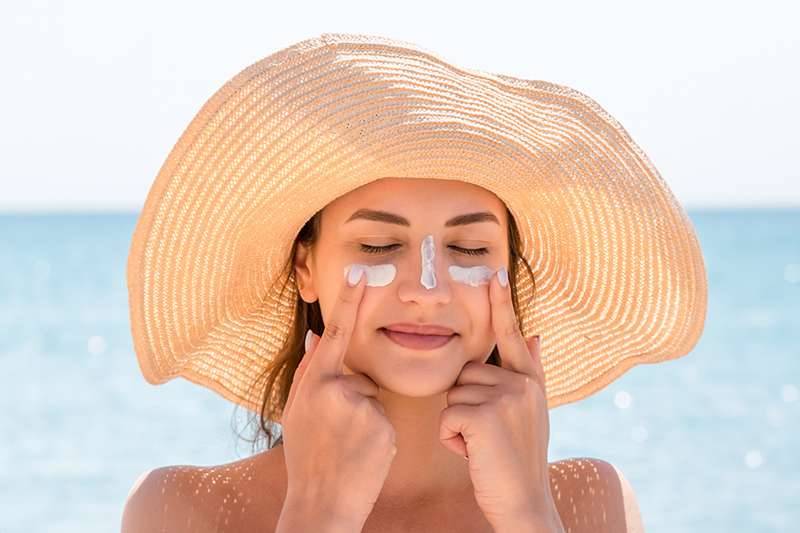
UV exposure can stimulate melanin production and contribute to dark spots and uneven pigmentation. Applying broad-spectrum sunscreen with SPF 30 or higher helps protect against further sun-related damage.
For people with melasma or persistent pigmentation, dermatologists may also recommend tinted sunscreen containing iron oxides to provide protection against visible light.
Use Ingredients That Target Uneven Skin Tone
Certain skincare ingredients are more directly associated with improving the appearance of pigmentation than collagen supplements.
Examples include:
- Vitamin C: An antioxidant that may help reduce the appearance of uneven pigmentation.
- Niacinamide: Helps support the skin barrier and improve the appearance of uneven skin tone.
- Retinoids: Support skin cell turnover and can help address certain types of pigmentation.
- Azelaic Acid: Commonly used to manage acne-related pigmentation and other forms of uneven skin tone.
The appropriate ingredient depends on the cause of pigmentation and individual skin sensitivity. A dermatologist can help select a suitable combination.
Maintain a Balanced Diet

A balanced diet supplies nutrients involved in normal collagen production and skin maintenance.
Include:
- Citrus fruits and berries for vitamin C.
- Fish, eggs, and other protein sources for amino acids.
- Nuts and seeds for vitamin E and other nutrients.
- Leafy green vegetables for vitamins and antioxidants.
Adequate protein intake is particularly important because the body requires amino acids to produce structural proteins, including collagen.
Frequently Asked Questions
Which Collagen Is Best for Skin Whitening?
Marine collagen, bovine collagen, and hydrolyzed collagen peptides are popular choices for supporting skin health. However, no collagen type has been established as an effective skin-whitening treatment. People seeking brighter-looking skin should consider hydration, sun protection, and appropriate pigmentation treatments.
Does Marine Collagen Make Skin Lighter Than Bovine Collagen?
There is no reliable evidence that marine collagen lightens skin more effectively than bovine collagen. Both can provide collagen peptides, and their potential effects depend on the formulation and individual response rather than the source alone.
Can Collagen Supplements Reduce Dark Spots?
Collagen supplements are not proven treatments for hyperpigmentation. Dark spots are associated with excess melanin production, and their management generally requires targeted skincare ingredients, sun protection, or professional dermatological treatments.
Is Hydrolyzed Collagen Better for Skin?
Hydrolyzed collagen contains smaller peptides produced through a processing method that makes the protein easier to dissolve and digest. It is widely used in skin-related supplements, although the available clinical evidence does not establish that every hydrolyzed collagen product produces meaningful skin improvements.
Should Collagen Be Taken With Vitamin C?
Vitamin C is essential for normal collagen synthesis. Combining a collagen supplement with adequate vitamin C intake can provide nutritional support for this process. However, additional vitamin C does not guarantee faster skin brightening or improved pigmentation.
Can Injectable Peptides Help Support Collagen Production?
Certain peptides, including GHK-Cu, are being investigated for their potential involvement in collagen synthesis and tissue repair. However, evidence from laboratory studies does not establish the effectiveness of injectable peptide treatments in humans. Medical assessment is important before considering these treatments.
Conclusion
Choosing the best collagen for skin whitening means understanding its actual benefits and limitations. Marine collagen, bovine collagen, and hydrolyzed collagen peptides may support skin hydration and elasticity, but they are not proven skin-whitening treatments.
For a brighter, healthier-looking complexion, combine appropriate skincare, daily sun protection, and balanced nutrition. Injectable peptide treatments such as GHK-Cu may also be discussed with a qualified medical professional as an additional approach to supporting skin health.


