

Collagen helps maintain skin firmness, elasticity, and structural support. As its production and quality change with age, fine lines, wrinkles, and skin laxity may become more noticeable. Sun exposure and smoking can accelerate this process.
Several skincare ingredients and aesthetic procedures can help stimulate collagen remodeling or protect existing collagen. The right option depends on your skin concerns, medical history, and treatment goals.
This guide explores seven Collagen-Boosting Treatments and strategies, explaining how they work, what they may improve, and what to consider before choosing one.
What Does Collagen Do for Your Skin?
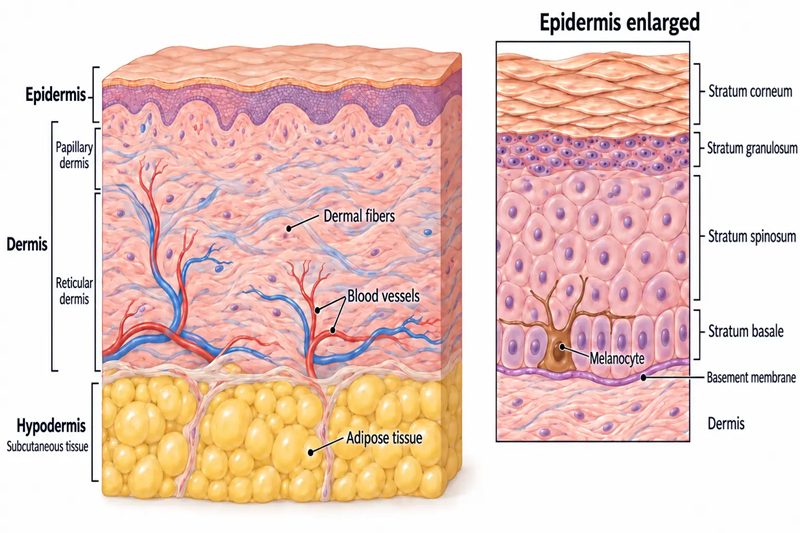
Collagen is a structural protein found in the dermis, the deeper layer of the skin. It provides strength and support, while elastin helps skin stretch and return to its original shape.
Over time, collagen fibers can become less abundant and more disorganized. This contributes to visible aging, particularly when combined with cumulative UV damage. Treatments may help improve specific signs of aging, but none can completely stop the natural aging process.
7 Collagen-Boosting Treatments to Consider
1. Retinoids for Fine Lines and Photoaging
Retinoids are vitamin A derivatives used to improve fine lines, uneven texture, and signs of sun damage. Retinol is available in over-the-counter skincare products, while tretinoin generally requires a prescription.
These ingredients influence skin-cell turnover and support collagen production, making them well-established options for managing photoaging. The American Academy of Dermatology’s guide to retinoids and retinol provides further information about their benefits.
Start with a low-strength product a few nights per week and increase frequency as tolerated. Moisturizer can help manage dryness and irritation. Topical retinoids should generally be avoided during pregnancy.
A good option is The Ordinary Retinol 0.2% in Squalane, a beginner-friendly retinol serum that helps improve the appearance of fine lines, uneven skin texture, and visible signs of photoaging. Its low retinol concentration makes it a reasonable starting point for people new to retinoids, although irritation is still possible. Introduce it gradually at night, use sunscreen daily, and avoid retinoids during pregnancy.
2. Microneedling for Skin Texture and Acne Scars
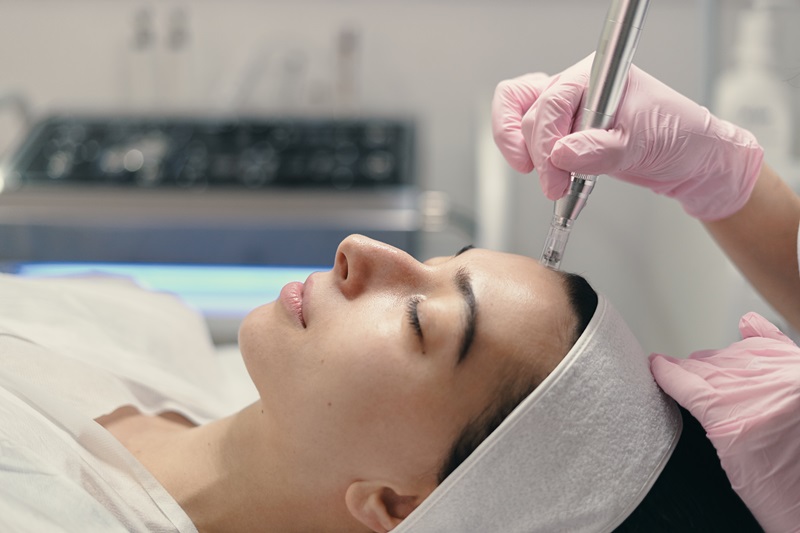
Microneedling uses fine needles to create controlled micro-injuries that activate the skin’s healing response and stimulate collagen production. It is commonly used to improve acne scars, uneven texture, and certain fine lines.
Treatment usually involves several sessions, depending on the severity of the concern. Redness and swelling are common temporary effects, while infection, scarring, and pigmentation changes are possible complications.
3. Laser Resurfacing for Sun Damage and Wrinkles
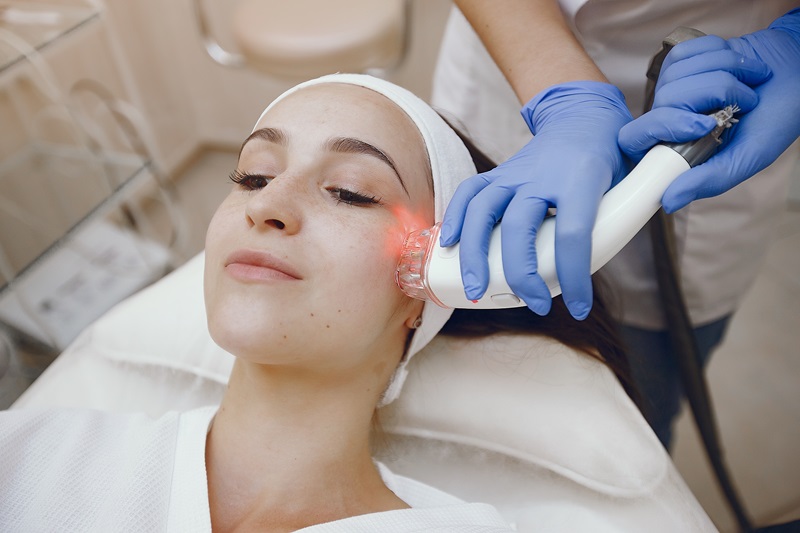
Laser resurfacing delivers concentrated energy to targeted skin layers to encourage repair and collagen remodeling. Depending on the laser type, it may improve fine lines, sun damage, uneven texture, and certain acne scars.
Ablative lasers remove controlled portions of the skin’s surface and generally require more recovery time. Non-ablative lasers target underlying tissue with less surface disruption, although the degree of improvement may differ.
Skin tone, pigmentation risk, and treatment depth all influence which procedure is appropriate. A dermatologist can assess these factors and explain the expected recovery period before treatment.
4. Radiofrequency for Mild Skin Laxity
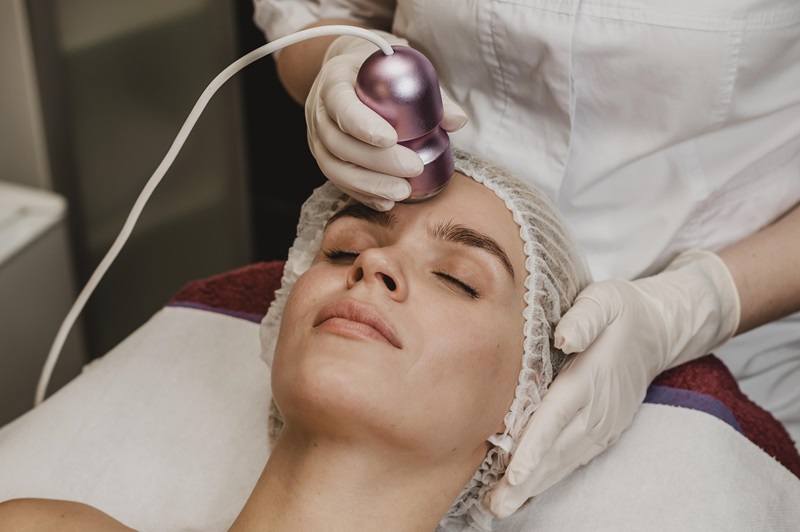
Radiofrequency (RF) treatments use controlled energy to heat targeted tissue and encourage collagen remodeling. Certain devices may improve mild skin laxity and selected textural concerns.
RF microneedling combines radiofrequency energy with needle delivery, but it is not necessarily the best choice for everyone. Device selection and treatment settings should be based on individual needs.
5. Platelet-Rich Fibrin (PRF) for Regenerative Treatments
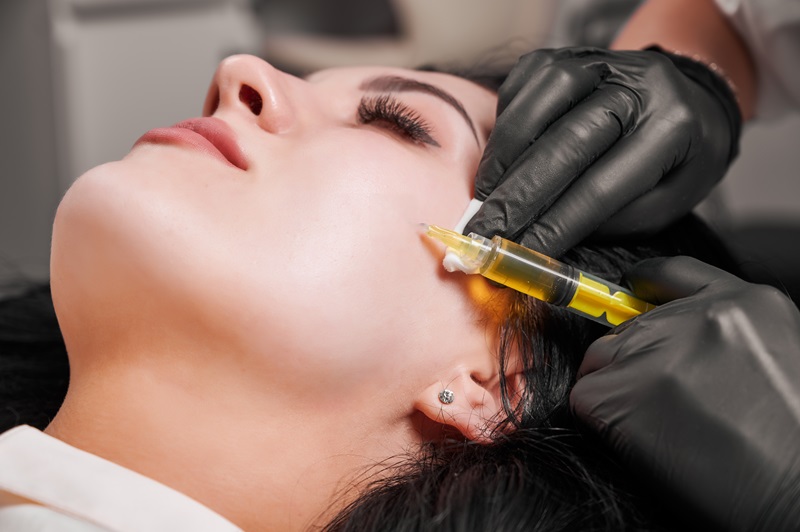
Platelet-rich fibrin (PRF) is prepared from a patient’s own blood and contains platelets within a fibrin matrix, along with biological factors involved in tissue repair. It has attracted interest as a regenerative approach to facial rejuvenation, although the evidence is still developing.
PRF for facial rejuvenation is different from PRF for hair restoration because the treatment sites, protocols, and intended outcomes differ. Paramy Polyclinic’s Hair PRF service focuses on scalp and hair concerns. If you are interested in PRF for facial skin, confirm whether the clinic offers a separate skin protocol and discuss its evidence and suitability with a qualified clinician.
6. Chemical Peels for Uneven Texture and Pigmentation
Chemical peels use acids to exfoliate the skin at a controlled depth. Depending on their formulation and strength, they can improve superficial pigmentation, roughness, and some signs of photoaging.
Superficial peels primarily target the outer skin layers, while medium-depth peels reach further into the skin and generally involve more recovery. Their effects on collagen remodeling vary, so chemical peels should not all be considered equivalent collagen-stimulating procedures.
Incorrect peel selection can cause burns, prolonged irritation, or post-inflammatory hyperpigmentation. Professional assessment is particularly important for darker skin tones and people with a history of pigmentation problems.
7. Daily Sun Protection to Prevent Collagen Damage
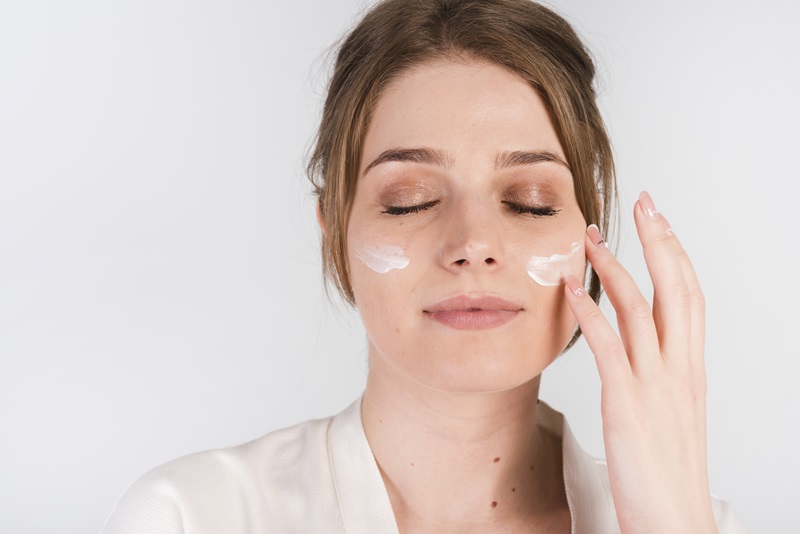
Sun protection is essential because ultraviolet (UV) radiation contributes to collagen breakdown and premature skin aging. Unlike procedures that aim to stimulate repair, sunscreen helps reduce ongoing UV-related damage.
Apply sunscreen evenly to exposed skin every day. Reapply approximately every two hours when outdoors and after swimming or sweating. Protective clothing and shade provide additional protection.
A good option is La Roche-Posay Anthelios UVMune 400 SPF 50+, a high-protection sunscreen that offers broad-spectrum UVA and UVB protection. Its lightweight fluid formula is suitable for daily use, and it can be a practical choice for protecting skin after HydraFacial. Choose the version that best suits your skin type, especially if your skin is sensitive or prone to breakouts.
How to Choose the Right Treatment
Your choice should reflect the skin concern you want to address, your medical history, and how much recovery time you can accommodate. A consultation with a qualified dermatologist or appropriately trained medical professional can help identify contraindications and establish realistic expectations.
| Treatment | Main potential benefit | Key consideration |
|---|---|---|
| Retinoids | Fine lines and photoaging | Gradual use helps limit irritation |
| Microneedling | Acne scars and uneven texture | Requires appropriate technique and hygiene |
| Laser resurfacing | Sun damage and selected wrinkles | Pigmentation risk and downtime vary |
| Radiofrequency | Mild skin laxity | Results depend on the device and protocol |
| PRF | Potential improvement in selected skin-quality measures | Evidence remains limited |
| Chemical peels | Superficial pigmentation and roughness | Peel depth affects recovery and risk |
| Sunscreen | Prevention of UV-related collagen damage | Consistent application is essential |
Not every treatment is suitable for every skin type. Combining procedures may be appropriate in selected cases, but treatment timing should be planned carefully to reduce irritation and complications.
Frequently Asked Questions
Can you naturally boost collagen in your skin?
A balanced diet containing adequate protein and vitamin C, avoiding smoking, and protecting your skin from UV radiation can support normal collagen production and reduce preventable damage. These habits cannot completely reverse age-related collagen loss.
Which treatment is best for stimulating collagen?
There is no single best option for everyone. Retinoids have substantial evidence for photoaging, while microneedling and selected laser procedures may be more appropriate for acne scars or uneven texture. The best choice depends on the specific concern and individual suitability.
How long does it take to see results?
Timelines vary. Topical retinoids may take weeks to months to produce noticeable improvements, while collagen remodeling after microneedling, laser, or radiofrequency treatments can continue over several months. Results depend on the procedure and individual healing response.
Are collagen-boosting treatments safe for all skin types?
No. Safety depends on the procedure, skin tone, medical history, and clinician expertise. Certain lasers and chemical peels can increase the risk of pigmentation changes, particularly in darker skin tones. A professional assessment is important before treatment.
Conclusion
Supporting collagen involves protecting the skin from UV damage and choosing treatments that address specific concerns. Retinoids, microneedling, laser resurfacing, radiofrequency, PRF, and chemical peels offer different potential benefits, with varying levels of evidence and different risks.
A personalized approach based on clinical assessment and realistic expectations is more useful than choosing a treatment based on popularity alone.


