

Finding the best hyaluronic acid serum can be a simple way to add hydration to your skincare routine. Hyaluronic acid is a humectant that helps attract and retain water, making it a popular ingredient for dry, dehydrated, oily, and combination skin.
However, choosing a serum is not simply about finding the product with the highest concentration of hyaluronic acid. The overall formula, supporting ingredients, texture, and your skin type all matter.
What Is Hyaluronic Acid?
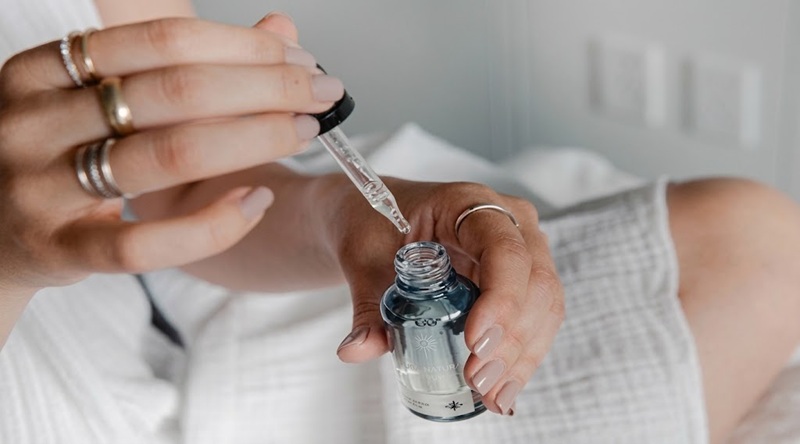
Hyaluronic acid is a substance naturally found in the body, including the skin, where it contributes to moisture retention. In skincare, it is commonly used as a humectant to help increase and maintain skin hydration.
When skin is dehydrated, it can feel tight and look dull, while fine lines may appear more noticeable. A well-formulated hyaluronic acid serum can help the skin feel more hydrated and look smoother and more plump.
It is also generally considered a versatile ingredient because it can be incorporated into routines for different skin types.
What Makes the Best Hyaluronic Acid Serum?

The best hyaluronic acid serum is not necessarily the most expensive option or the one with the highest percentage listed on the packaging. Instead, look at the complete formulation and how well it matches your skin’s needs.
Hyaluronic Acid in Different Molecular Weights
Some formulations use different molecular weights of hyaluronic acid. Combining different forms can be part of a formula designed to support hydration at different levels of the skin.
Rather than choosing a serum based solely on molecular weight, consider the complete ingredient list and how your skin responds to the product.
Supporting Hydrating Ingredients
Hyaluronic acid works well alongside other moisturizing ingredients. Depending on your skin type, you may want to look for ingredients such as:
- Glycerin
- Ceramides
- Panthenol
- Squalane
- Antioxidants
These ingredients can complement a hydrating routine and help support the skin barrier.
A Formula That Suits Your Skin
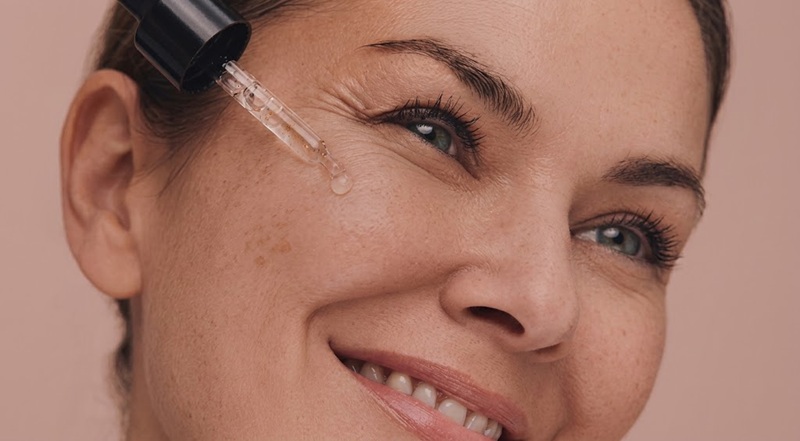
Texture and additional ingredients matter, too. A lightweight serum may be more comfortable for oily skin, while dry skin may benefit from a hydrating formula that can be layered underneath a richer moisturizer.
If you have sensitive skin, a simple fragrance-free formula may be easier to tolerate.
How to Choose the Best Hyaluronic Acid Serum
Your skin type is one of the most useful factors to consider when comparing different serums.
Dry Skin
If your skin feels tight, rough, or flaky, look for a hydrating serum that combines hyaluronic acid with ingredients that support the skin barrier.
Applying a moisturizer after your serum can help reduce moisture loss and keep your skin feeling comfortable.
Oily and Acne-Prone Skin
Oily skin can still be dehydrated. If your skin produces excess oil but feels tight after cleansing, a lightweight, water-based hyaluronic acid serum may provide hydration without adding a heavy or greasy layer.
If you are prone to breakouts, consider choosing products labeled non-comedogenic and avoid unnecessarily heavy formulas.
Sensitive Skin
For sensitive skin, simplicity can be helpful. Look for a serum with a relatively short ingredient list and consider fragrance-free options if fragrance tends to irritate your skin.
Introduce new products gradually and stop using them if you experience persistent irritation.
Mature Skin
As skin ages, dehydration can make fine lines look more noticeable. Hyaluronic acid can temporarily improve the appearance of these lines by increasing hydration and giving the skin a smoother, more plump appearance.
For a more complete routine, you can combine a hydrating serum with other skincare ingredients selected according to your individual concerns.
How to Use a Hyaluronic Acid Serum
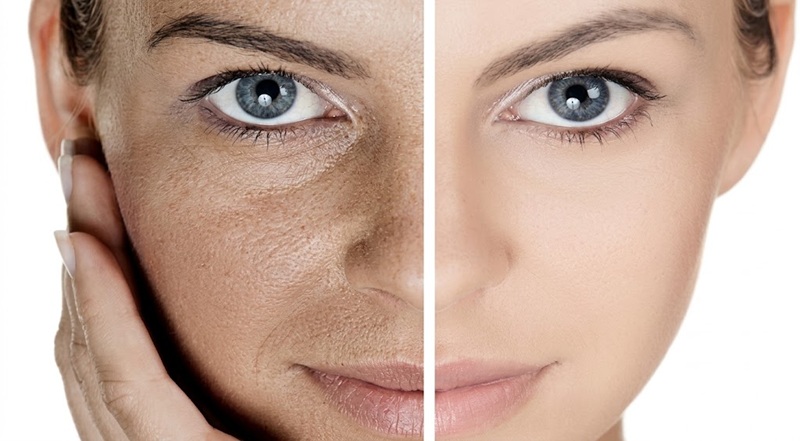
Using your serum correctly is just as important as choosing the right formula.
Follow these steps:
- Cleanse your skin with a gentle cleanser.
- Apply a few drops of hyaluronic acid serum to slightly damp skin.
- Spread it gently across your face without excessive rubbing.
- Apply a moisturizer afterward to help maintain hydration.
- Use sunscreen in the morning as the final step of your daytime routine.
Always follow the specific instructions provided with your product, especially if the serum contains additional active ingredients.
Can You Use Hyaluronic Acid Every Day?
Yes, hyaluronic acid can generally be used every day. Depending on the product and your skincare routine, you can use it once or twice daily.
Because hyaluronic acid is primarily a hydrating ingredient, it can fit into many different skincare routines. However, using more serum does not necessarily produce better results. A small amount is usually sufficient.
Can Hyaluronic Acid Help With Fine Lines?

Dehydration can make fine lines appear more visible. By increasing the skin’s hydration, hyaluronic acid can temporarily make the skin look smoother and more plump.
However, it is important to distinguish hydration from wrinkle correction. A hyaluronic acid serum can improve the appearance of dehydrated skin, but it does not permanently remove wrinkles.
For broader anti-aging concerns, a skincare routine may include other ingredients selected according to your skin’s needs.
Hyaluronic Acid Serum vs. HydraFacial
A topical hyaluronic acid serum is designed for regular at-home skincare, while a professional facial treatment takes a different approach.
A HydraFacial combines cleansing, exfoliation, extraction, and hydration in a professional treatment. Its treatment process can also be customized with targeted boosters depending on individual skin concerns. Official HydraFacial information notes that its hydration step can include hyaluronic acid and other nourishing ingredients.
This makes HydraFacial an option for people who want more than daily topical hydration, particularly when their concerns include dehydration, dullness, congestion, uneven texture, or visible signs of aging.
If you are considering professional skin hydration and want to learn more about the treatment, you can explore HydraFacial at Paramy.
What Should You Look for in a Hyaluronic Acid Serum?
Before choosing a serum, consider these factors:
- Skin type: Choose a texture and formula that suits your skin.
- Supporting ingredients: Look for ingredients such as glycerin, ceramides, or panthenol when additional hydration or barrier support is desired.
- Texture: Lightweight formulas may work better for oily or combination skin.
- Fragrance: Fragrance-free products may be preferable if your skin is sensitive.
- Overall formula: Do not choose a product based only on its hyaluronic acid concentration.
- Your existing routine: Consider how the serum will work alongside your moisturizer, sunscreen, and other active ingredients.
Frequently Asked Questions
What is the best hyaluronic acid serum?
The best hyaluronic acid serum depends on your skin type, hydration needs, and the rest of your skincare routine. Instead of focusing only on the percentage of hyaluronic acid, consider the complete formula, supporting ingredients, texture, and how your skin responds to it.
Can I use hyaluronic acid serum every day?
Yes. Most people can use hyaluronic acid serum daily. Depending on the product and your skin’s needs, it can usually be applied once or twice a day.
Should I apply hyaluronic acid to wet or dry skin?
Hyaluronic acid serum is commonly applied to slightly damp skin. Applying a moisturizer afterward can help maintain hydration.
Is hyaluronic acid good for oily skin?
Yes. Oily skin can still be dehydrated. A lightweight hyaluronic acid serum can provide hydration without necessarily adding a heavy or greasy feel.
Can hyaluronic acid remove wrinkles?
Hyaluronic acid does not permanently remove wrinkles. However, by improving hydration, it can temporarily make dehydrated fine lines appear less noticeable and help the skin look smoother and plumper.
Is HydraFacial better than hyaluronic acid serum?
They serve different purposes. A serum provides daily topical hydration, while HydraFacial is a professional treatment that combines cleansing, exfoliation, extraction, and hydration. The right option depends on your skin concerns and treatment goals.
Final Thoughts
Choosing the best hyaluronic acid serum starts with understanding your skin rather than simply looking for the highest concentration or most expensive product. A well-formulated serum can provide everyday hydration and help the skin look smoother, softer, and more plump.
For additional skin hydration and a more comprehensive professional treatment, HydraFacial combines exfoliation, extraction, and hydration in a customizable treatment. The best approach depends on your individual skin concerns, routine, and goals.


