
Losing excess weight can be challenging when lifestyle changes alone do not provide the desired results. Weight loss injections have become an option for eligible patients who need additional medical support with weight management.
Medications such as semaglutide and tirzepatide can help regulate appetite, increase feelings of fullness, and support weight loss when combined with a reduced-calorie diet and regular physical activity. However, these prescription treatments are not suitable for everyone and can cause side effects.
This guide covers the main weight loss injections, their benefits and risks, and what to consider before starting treatment.
What Are Weight Loss Injections?

Weight loss injections are prescription medications used to support weight management in eligible patients. Many of these medications work through hormones involved in appetite, fullness, and blood sugar regulation.
Some weight loss injections are based on GLP-1 receptor agonists, while others target both GIP and GLP-1 receptors. They are generally used alongside a reduced-calorie diet and regular physical activity rather than as a replacement for healthy lifestyle habits.
These medications are prescription treatments and should be selected based on an individual’s health history, current medications, treatment goals, and eligibility. Not every injection marketed for weight loss has the same active ingredient, approved use, or level of clinical evidence.
How Do Weight Loss Injections Work?

Many modern weight loss injections influence hormones involved in appetite and metabolism.
GLP-1-Based Medications
GLP-1 receptor agonists mimic the action of a naturally occurring hormone called glucagon-like peptide-1 (GLP-1). They can help reduce hunger, increase feelings of fullness, slow gastric emptying, and influence food intake.
Semaglutide is the active ingredient in medications such as Wegovy and Ozempic. While both contain semaglutide, they have different approved uses and dosing regimens.
GIP and GLP-1 Medications
Tirzepatide activates both GIP and GLP-1 receptors. By acting on these two pathways, it can help regulate appetite, increase feelings of fullness, and reduce food intake.
Tirzepatide is the active ingredient in medications such as Mounjaro and Zepbound. Products containing tirzepatide may have different approved uses and should not be considered interchangeable simply because they contain the same active ingredient.
Types of Weight Loss Injections

Several prescription medications are used for weight management or can produce weight loss as part of their approved medical use. Some of the most commonly discussed options include semaglutide- and tirzepatide-based medications.
Ozempic
Ozempic contains semaglutide, a GLP-1 receptor agonist. It is primarily approved for the treatment of type 2 diabetes, and weight loss can occur during treatment.
Although Ozempic and Wegovy contain the same active ingredient, they are different branded products with different approved uses and dosing regimens. Ozempic should not be used specifically for weight loss without appropriate medical guidance.
Wegovy
Wegovy contains semaglutide and is indicated for chronic weight management in eligible patients. In adults, it may be prescribed for people with obesity or overweight accompanied by at least one weight-related health condition, alongside a reduced-calorie diet and increased physical activity.
Semaglutide works partly by regulating appetite and food intake, which can help patients reduce their overall calorie intake over time.
Mounjaro
Mounjaro contains tirzepatide, which activates both GIP and GLP-1 receptors. It is primarily used to improve blood sugar control in people with type 2 diabetes.
Tirzepatide is also used in other branded medications for chronic weight management. The appropriate product depends on the patient’s medical needs, eligibility, and treatment goals.
Zepbound
Zepbound contains tirzepatide and is approved for chronic weight management in eligible adults with obesity or overweight accompanied by at least one weight-related condition. It is used alongside a reduced-calorie diet and increased physical activity.
By activating both GIP and GLP-1 receptors, tirzepatide can help regulate appetite and food intake. The dose and treatment plan should be determined by a healthcare professional.
Spartina
Spartina contains tirzepatide and is indicated for chronic weight management in adults with obesity or adults with overweight accompanied by at least one weight-related condition, alongside a reduced-calorie diet and increased physical activity.
According to Spartina’s healthcare-professional information, tirzepatide acts as a dual GIP and GLP-1 receptor agonist and is available in injection presentations.
As with other prescription weight loss injections, treatment should be based on medical assessment rather than choosing a medication solely because of its expected weight-loss effect.
What Are the Benefits of Weight Loss Injections?
Weight loss injections may provide additional support for eligible patients who have difficulty achieving or maintaining weight loss through lifestyle changes alone. Their effects can vary depending on the medication, dose, treatment duration, and individual response.
Reduced Appetite
Many weight loss medications can reduce hunger and help patients feel less driven to eat between meals. This may make it easier to maintain a reduced-calorie eating pattern over time.
Increased Feelings of Fullness
Weight loss injections can increase feelings of fullness after eating and may help food remain in the stomach longer. This can contribute to smaller portions and lower overall food intake.
Clinically Meaningful Weight Loss
Clinical studies of medications such as semaglutide and tirzepatide have demonstrated significant weight loss in eligible patients. However, results vary depending on the medication, dosage, treatment duration, lifestyle factors, and individual response.
Support for Long-Term Weight Management
Some weight loss injections are approved for chronic weight management rather than short-term use. Continued medical follow-up can help monitor weight changes, side effects, and whether treatment remains appropriate over time.
What Are the Common Side Effects of Weight Loss Injections?
The most common side effects of weight loss injections involve the digestive system. Depending on the medication, patients may experience:
- Nausea
- Vomiting
- Diarrhea
- Constipation
- Abdominal discomfort
- Indigestion
Many gastrointestinal side effects are more noticeable when treatment begins or when the dose is increased, and they may improve as the body adjusts to the medication.
Patients should contact their healthcare provider if side effects are severe, persistent, or make it difficult to eat or drink normally.
What Are the Serious Risks of Weight Loss Injections?

Although many side effects are manageable, prescription weight loss injections can have more serious risks.
Depending on the medication, important warnings and precautions may include:
- Pancreatitis
- Gallbladder problems
- Severe gastrointestinal reactions
- Dehydration and kidney problems
- Hypoglycemia when used with certain diabetes medications
- Serious allergic reactions
- Certain diabetes-related eye complications
For example, prescribing information for tirzepatide includes warnings and precautions related to pancreatitis, gallbladder disease, kidney injury associated with volume depletion, severe gastrointestinal reactions, and hypersensitivity reactions.
Patients should seek medical attention for severe or persistent abdominal pain, signs of a serious allergic reaction, severe vomiting or diarrhea, or other concerning symptoms.
Who Should Be Careful With Weight Loss Injections?

Weight loss injections are not appropriate for everyone. A healthcare professional should review your medical history and current medications before treatment begins.
Extra caution or medical evaluation may be needed for people with:
- A history of pancreatitis
- Gallbladder disease
- Certain gastrointestinal conditions
- Kidney problems or a history of significant dehydration
- Diabetes treated with insulin or insulin-releasing medications
- Certain diabetes-related eye complications
- A history of serious allergic reactions to the medication or its ingredients
Some semaglutide products, including Wegovy, and tirzepatide products, including Zepbound, are contraindicated in people with a personal or family history of medullary thyroid carcinoma (MTC) or multiple endocrine neoplasia syndrome type 2 (MEN 2).
Pregnancy, planning pregnancy, or breastfeeding: Recommendations vary by medication, so patients should discuss treatment with their healthcare provider before starting or continuing a weight loss injection.
Can Weight Loss Injections Be Taken With Other Medications?
Not always.
Some weight loss injections can interact with other medications or increase certain risks. For example, using a GLP-1-based medication alongside insulin or medications that stimulate insulin secretion may increase the risk of hypoglycemia.
Some products also should not be combined with another medication containing the same active ingredient or with another GLP-1 receptor agonist unless specifically directed by a healthcare professional.
Before starting treatment, tell your healthcare provider about all prescription medications, over-the-counter medicines, supplements, and other weight-loss products you are using.
Weight Loss Injections vs. Weight Loss Peptides
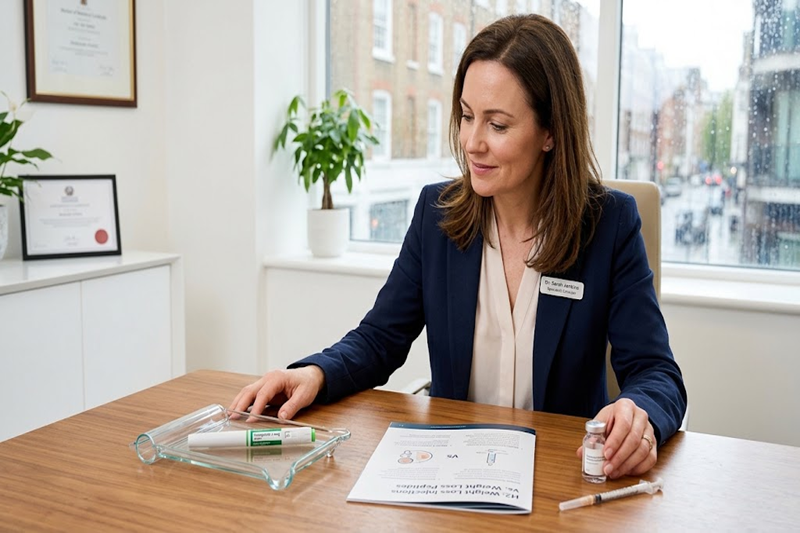
The terms weight loss injections and weight loss peptides are sometimes used interchangeably online, but they do not necessarily mean the same thing.
Some prescription weight-management medications are peptide-based drugs that act on specific hormone receptors. However, peptide products can differ considerably in their active ingredients, regulatory status, clinical evidence, and intended use.
If you are considering a peptide-based approach to weight management, you can learn more about weight loss peptides dubai and discuss whether this type of treatment is appropriate for your individual needs.
How to Use Weight Loss Injections Safely

Follow the Prescribed Dose
Many weight loss injection treatment plans use gradual dose escalation to help patients adjust to the medication and reduce gastrointestinal side effects. The exact schedule depends on the specific medication and the individual patient.
Do not increase, decrease, or change your dose without medical advice.
Stay Hydrated
Nausea, vomiting, and diarrhea can increase the risk of dehydration. Maintaining adequate fluid intake is particularly important when starting treatment or adjusting the dose.
Do Not Combine Weight Loss Medications Without Medical Advice
Do not combine different weight loss medications or products containing similar active ingredients unless your healthcare provider specifically recommends doing so.
Use Properly Sourced Medication
Use weight loss medications obtained through a licensed healthcare provider and a legitimate pharmacy. Avoid products from unverified sellers or sources that do not clearly identify the medication, active ingredient, or prescribing information.
How Do You Choose the Right Weight Loss Injection?
There is no single weight loss injection that is appropriate for everyone.
A healthcare professional may consider:
- BMI and current weight
- Existing medical conditions
- Blood glucose levels
- Current medications
- Previous weight-management attempts
- Potential side effects
- Treatment goals
- Personal and family medical history
The choice should be based on the medication’s approved use, potential benefits and risks, and the individual’s health profile.
A medical consultation can also help determine whether medication is appropriate in the first place.
Frequently Asked Questions
How quickly do weight loss injections work?
The timeline varies depending on the medication, dose, treatment duration, lifestyle factors, and individual response. Some people may notice changes in appetite relatively early, while meaningful weight reduction generally develops over a longer period.
Are weight loss injections safe?
Weight loss injections can be appropriate for eligible patients when prescribed and monitored by a qualified healthcare professional. However, they can cause side effects and may not be suitable for people with certain medical conditions or risk factors.
Do weight loss injections work without diet and exercise?
Weight loss injections are generally intended to be used alongside lifestyle changes rather than as a replacement for them. FDA-approved medications for chronic weight management are used together with a reduced-calorie diet and increased physical activity.
Are Ozempic and Spartina the same?
Are Ozempic and Spartina the Same?
No. Ozempic and Spartina are different branded products. Ozempic contains semaglutide, while Spartina is a tirzepatide-based product. Although both can affect pathways involved in appetite and metabolic regulation, they have different active ingredients and are not interchangeable.
Can everyone use weight loss injections?
No. Certain medical conditions, medications, pregnancy, and personal or family medical history can affect whether a particular medication is appropriate.
Should you stop weight loss injections once you reach your goal weight?
Do not stop or change treatment without discussing it with your healthcare provider. The appropriate duration of treatment depends on the medication, treatment goals, response to therapy, and individual circumstances.
Final Thoughts
Weight loss injections can provide medical support for eligible patients who need additional help with weight management. Medications such as semaglutide and tirzepatide can influence appetite and food intake, but they also have potential side effects, risks, and medical considerations.
Ozempic, Wegovy, Mounjaro, Zepbound, and Spartina are not identical treatments, and the most appropriate option depends on the individual’s health history, medications, treatment goals, and eligibility.
A medical consultation can help determine whether a weight loss injection is appropriate and which treatment approach best fits the patient’s needs.


