

Unwanted hair can be difficult to manage when shaving, waxing, or other temporary methods need to be repeated regularly. Permanent Hair Removal generally refers to treatments designed to provide long-term hair reduction by targeting the hair follicle and limiting future growth.
However, permanent does not necessarily mean that every hair will disappear forever. Results vary depending on factors such as hair color, skin tone, hair thickness, treatment method, and hormonal changes. Some people may also need maintenance treatments over time.
What Is Permanent Hair Removal?

Permanent hair removal refers to methods that aim to permanently disable hair follicles or provide a lasting reduction in hair growth. The two main professional approaches associated with permanent hair removal are laser hair removal and electrolysis.
Other technologies, including IPL, can also provide long-term hair reduction. The most appropriate option depends on your individual skin and hair characteristics, as well as the area being treated.
7 Methods for Long-Term Hair Reduction
1. Laser Hair Removal

Laser hair removal uses concentrated light energy to target melanin in the hair. The energy is converted into heat, which damages the follicle and reduces its ability to produce hair.
Several sessions are usually needed because hair follicles respond best when they are in the active growth phase. After a course of treatments, hair often becomes less dense, finer, and slower to grow. Maintenance sessions may be needed to manage regrowth.
If you are considering professional treatment, you can learn more about laser hair removal Dubai and the treatment options available at Paramy Polyclinic.
2. Electrolysis

Electrolysis uses a fine probe to deliver an electrical current directly to individual hair follicles. The process is designed to destroy the treated follicle and is recognized as a permanent hair-removal method.
Because each follicle is treated individually, electrolysis can require multiple appointments, particularly for larger areas. It can also be considered for lighter-colored hair that may not respond effectively to light-based treatments.
3. IPL Hair Removal
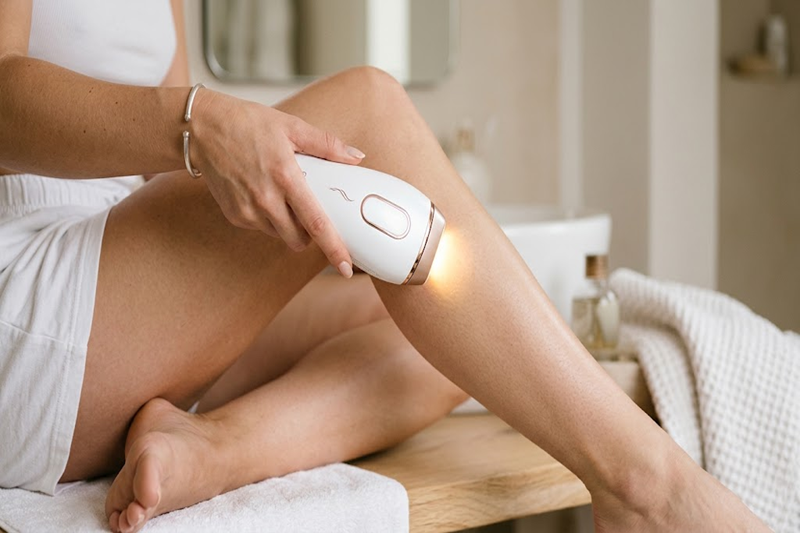
Intense Pulsed Light (IPL) uses broad-spectrum light to heat the pigment in the hair and target the follicle. While IPL is similar to laser hair removal, it uses a different type of light and is not technically a laser treatment.
A series of treatments may significantly reduce hair growth, but results vary according to skin tone, hair color, and the device used.
4. At-Home IPL Devices

At-home IPL devices use lower-energy light than most professional systems to gradually reduce hair growth. They can be convenient for maintaining results at home but typically require consistent and repeated use.
Their effectiveness depends on the device and whether the person’s hair and skin characteristics are suitable for IPL treatment.
5. Diode Laser Hair Removal
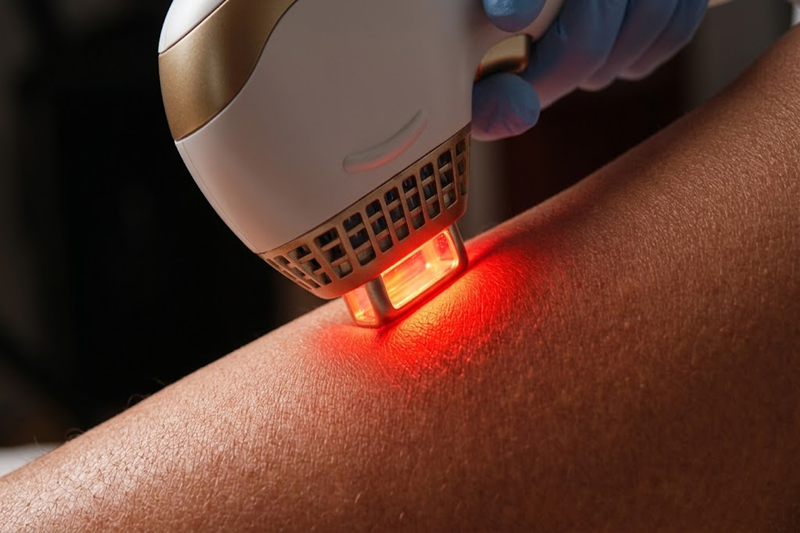
Diode lasers use specific wavelengths of light to target melanin in the hair follicle. They are commonly used for hair removal on areas such as the legs, underarms, bikini area, and face.
The appropriate laser settings depend on factors such as skin tone, hair thickness, and the treatment area. Professional assessment is important to determine whether this technology is suitable for you.
6. Alexandrite Laser Hair Removal
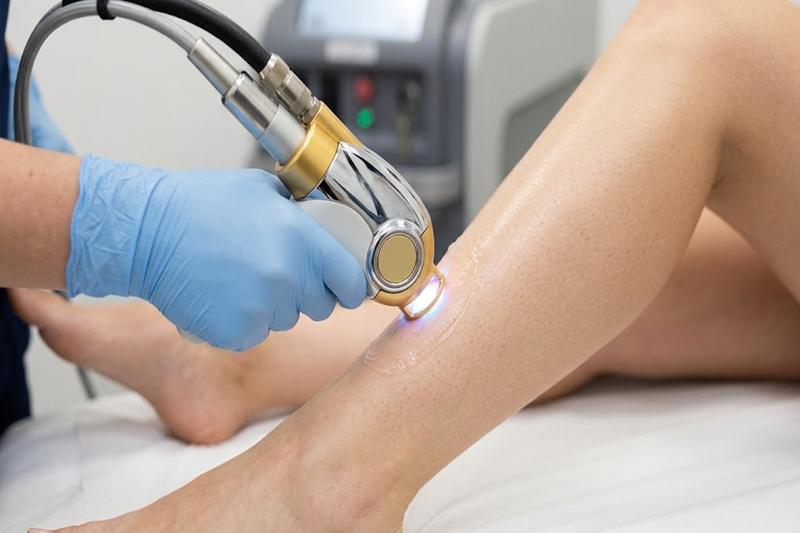
Alexandrite lasers use a shorter wavelength that is strongly absorbed by melanin. They can be effective for reducing unwanted hair, particularly in people with lighter skin and darker hair.
Because melanin is also present in the skin, the treatment settings need to be selected carefully to reduce the risk of skin irritation or pigmentation changes.
7. Nd:YAG Laser Hair Removal
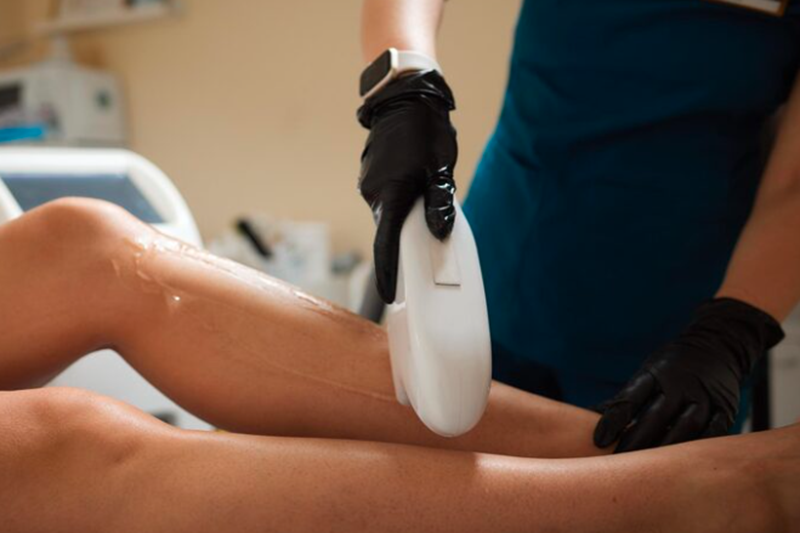
Nd:YAG lasers use a longer wavelength that penetrates deeper into the skin and is less strongly absorbed by melanin in the skin’s surface.
This technology is often considered for people with darker skin tones because of its deeper penetration and lower melanin absorption compared with some shorter-wavelength lasers. However, treatment settings and suitability should always be determined by a qualified professional.
How to Choose a Permanent Hair Removal Method
There is no single method that works equally well for everyone. Your skin tone, hair color, hair thickness, treatment area, and medical or hormonal factors can all affect the choice of treatment and expected results.
Laser-based treatments may be practical for larger areas, while electrolysis can target individual follicles and may be useful for certain hair colors. A professional assessment can help determine which technology and treatment approach are appropriate for your skin and hair type.
What Results Can You Expect?

Hair removal treatments usually require multiple sessions because hair follicles are not all active at the same time. You may notice that hair becomes finer, lighter, less dense, and slower to grow as treatment progresses.
Long-term results vary from person to person. Hormonal changes and other factors can contribute to new hair growth, so some people may benefit from maintenance treatments.
Is Permanent Hair Removal Safe?
Professional hair-removal treatments are generally considered safe when the appropriate technology and settings are selected for the individual. However, temporary redness, swelling, discomfort, or irritation can occur after treatment.
Laser treatments can cause burns, scarring, or changes in skin pigmentation when performed incorrectly or with unsuitable settings. Choosing an experienced medical professional and following pre- and post-treatment instructions can help reduce these risks. American Academy of Dermatology
FAQs About Permanent Hair Removal
Is Permanent Hair Removal Really Permanent?
No method can guarantee that every unwanted hair will never grow again. Electrolysis is designed to permanently destroy treated follicles, while laser and IPL treatments are generally described in terms of long-term or permanent hair reduction.
How Many Sessions Are Needed?
The number of sessions varies depending on the treatment area, hair characteristics, skin type, and treatment technology. Multiple sessions are usually necessary because treatments are most effective during specific stages of the hair-growth cycle.
Does Permanent Hair Removal Work on All Skin Tones?
Some hair-removal technologies can be used across a wide range of skin tones, but the choice of device and settings is important. A professional should assess your skin and hair before treatment to determine the safest approach.
Can Hair Grow Back After Permanent Hair Removal?
Yes. New hair growth can occur after treatment, particularly because of hormonal changes or previously inactive follicles. However, the regrowth may be finer and less dense depending on the method used.
Conclusion
Permanent hair removal can significantly reduce unwanted hair and decrease the need for frequent shaving or waxing. Laser hair removal, electrolysis, IPL, and different laser technologies each have specific advantages and limitations.
The right option depends on your skin tone, hair characteristics, treatment area, and long-term goals. A professional assessment can help you choose an appropriate method and establish realistic expectations for your results.