
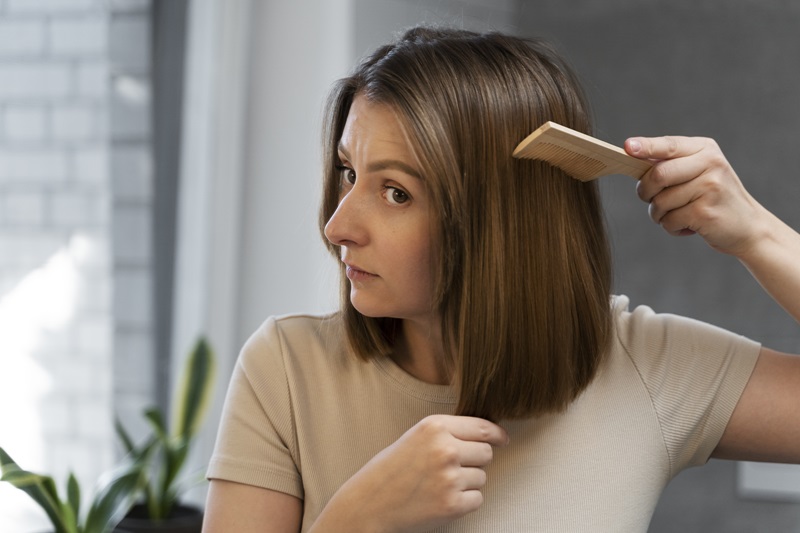
A balanced diet provides essential nutrients that support normal hair growth and help maintain healthy hair. If you want to strengthen hair follicles, eating foods rich in protein, iron, zinc, and essential vitamins is a good starting point.
However, hair thinning and excessive shedding can have several causes, including nutritional deficiencies, genetics, hormonal changes, and stress. Although good nutrition supports hair health, no single food can guarantee thicker hair or prevent every type of hair loss.
How Does Nutrition Help Strengthen Hair Follicles?
Hair follicles are structures in the skin that produce hair. Their function depends on several factors, including genetics, hormones, general health, and nutrition.
Protein provides the building blocks for keratin, the structural protein that makes up hair. Iron supports oxygen transport throughout the body, while zinc contributes to normal cell growth and tissue repair. Other nutrients, including vitamin B12 and biotin, also support essential bodily functions.
According to the American Academy of Dermatology (AAD), insufficient iron, protein, zinc, or biotin can contribute to hair loss. However, consuming extra nutrients does not automatically improve hair growth if your body already receives enough.
6 Foods That Help Strengthen Hair Follicles
Including a variety of nutrient-rich foods in your daily meals can help meet your nutritional needs and support normal hair growth.
1. Eggs for Protein and Biotin

Eggs provide high-quality protein and biotin. Protein is essential for producing keratin, while biotin plays a role in normal metabolic processes.
Biotin deficiency can cause hair loss, although it is uncommon in people who eat a varied diet. Adding eggs to breakfast or other meals is a simple way to increase your protein intake. Fish, dairy products, and legumes are also useful protein sources.
2. Spinach for Iron and Folate
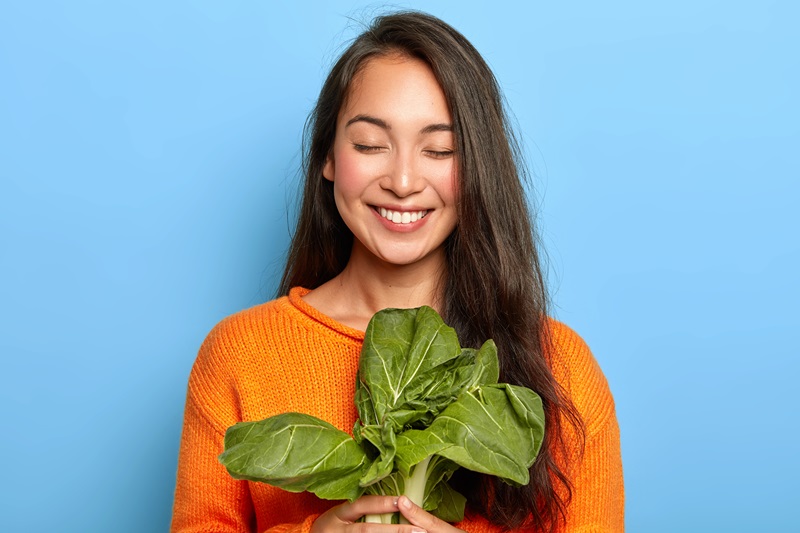
Spinach contains iron, folate, and other nutrients that support normal body functions. Iron deficiency can contribute to hair shedding in some people, making adequate iron intake particularly important.
Plant-based iron is less readily absorbed than iron from meat. Eating spinach with vitamin C-rich foods, such as bell peppers, tomatoes, or oranges, can improve iron absorption. Lentils, beans, and iron-fortified cereals are other options.
If you suspect an iron deficiency, consult a healthcare professional to determine whether testing or treatment is necessary.
3. Salmon for Protein and Omega-3 Fatty Acids

Salmon provides protein, omega-3 fatty acids, vitamin B12, and other nutrients that contribute to overall health.
Including oily fish in a balanced diet helps supply essential fats and protein. However, evidence that eating salmon directly increases hair density or prevents hair loss remains limited.
If you do not eat fish, walnuts, chia seeds, and flaxseeds provide plant-based omega-3 fatty acids, although these differ from the omega-3s found in oily fish.
4. Nuts and Seeds for Zinc and Vitamin E
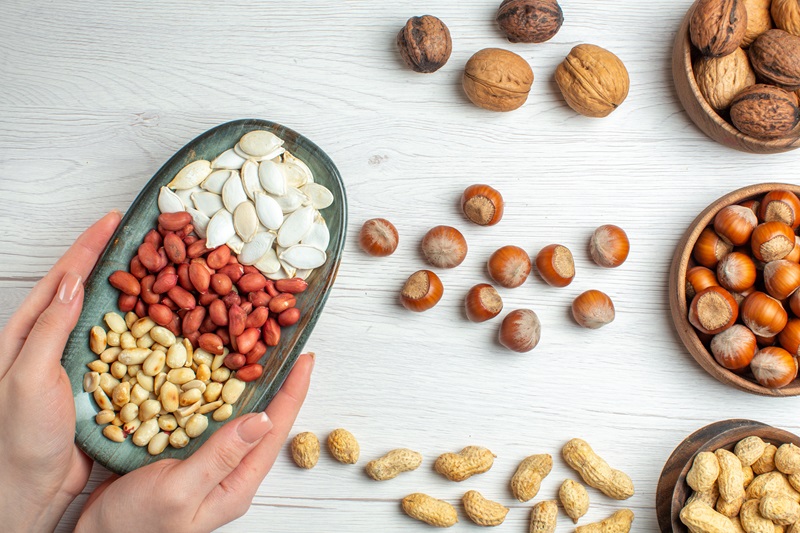
Nuts and seeds provide healthy fats, minerals, and other nutrients. Pumpkin seeds contain zinc, while almonds and sunflower seeds provide vitamin E.
Zinc supports normal cell growth, and inadequate zinc levels can contribute to hair loss. However, consuming additional zinc is unlikely to improve hair growth when your intake is already sufficient.
A small handful of nuts or seeds makes a convenient addition to breakfast, yoghurt, salads, or snacks.
5. Lentils and Beans for Plant-Based Protein and Iron
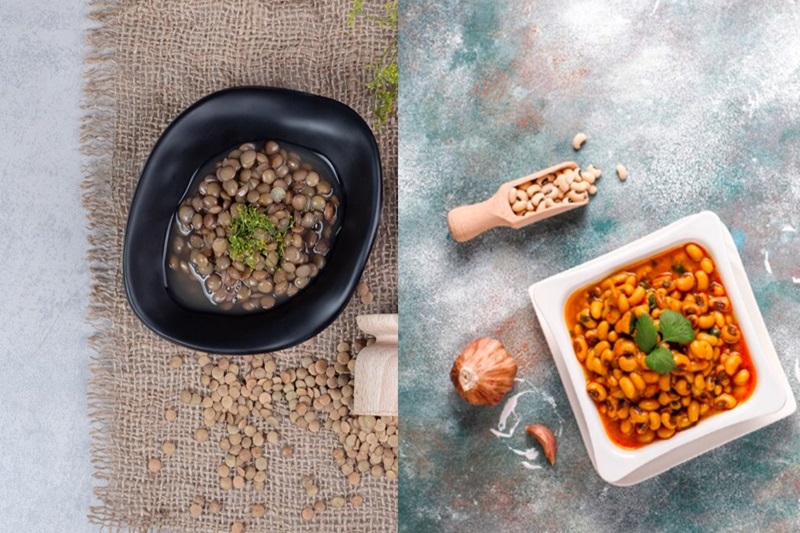
Lentils and beans provide plant-based protein, iron, folate, and fibre. They are particularly useful for people following vegetarian or vegan diets.
Regularly including legumes in your meals can help you meet your protein requirements and contribute to your daily iron intake. For better absorption of plant-based iron, combine lentils or beans with vegetables rich in vitamin C.
6. Greek Yoghurt for Protein and Vitamin B12
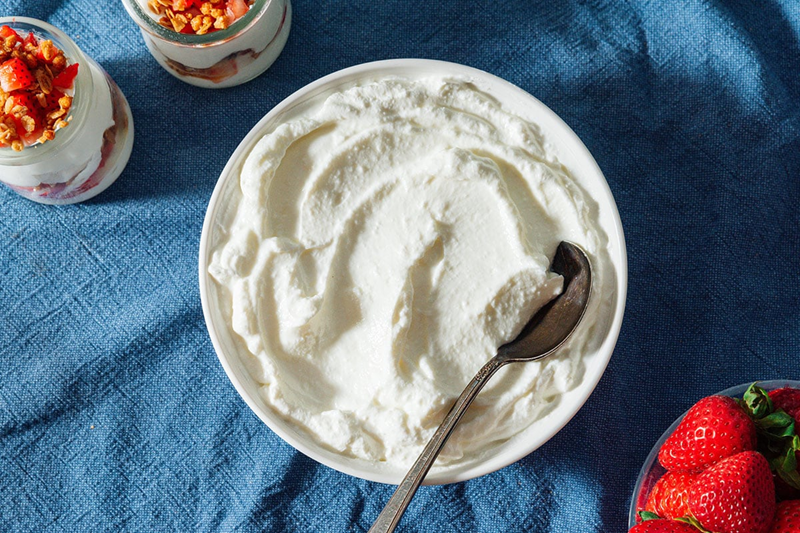
Greek yoghurt provides protein and, depending on the product, nutrients such as vitamin B12. Protein supports hair structure, while vitamin B12 contributes to normal red blood cell formation.
Yoghurt is a convenient breakfast or snack option. If you avoid dairy, fortified alternatives and other protein-rich foods can help meet your nutritional needs.
Habits That Support Healthy Hair
Your overall eating pattern matters as much as the individual foods you choose. A few practical habits can help reduce avoidable nutritional stress on your hair.
- Avoid restrictive diets: Eating too few calories or following an unbalanced diet can contribute to hair shedding. Choose a sustainable eating plan that provides enough protein and essential nutrients.
- Use supplements carefully: Excessive vitamin A, vitamin E, and selenium have been linked to hair loss. Iron and zinc supplements can also cause harm when taken unnecessarily.
- Address persistent shedding: Hereditary hair loss, hormonal changes, thyroid disorders, certain medications, and stress can contribute to thinning. Improving your diet may not resolve these underlying causes.
Can Professional Treatments Help Strengthen Hair Follicles?
A balanced diet supports healthy hair, but persistent thinning may require professional assessment. Identifying the underlying cause is important because nutritional deficiencies, hereditary hair loss, and other conditions may require different treatments.
Depending on the diagnosis, options may include correcting deficiencies, established hair-loss medications, or selected procedures.
At Paramy Polyclinic, patients can explore options such as Exosome Therapy in Dubai for hair-related concerns. Exosome-based treatments are being investigated for their potential role in hair regeneration, but clinical evidence remains limited. More high-quality research is needed to establish their effectiveness, long-term safety, and appropriate use.
A professional consultation can help determine whether this approach is suitable for your situation and explain its potential benefits, limitations, and alternatives.
Frequently Asked Questions
What are the best foods to strengthen hair follicles?
Eggs, fish, lentils, beans, leafy greens, nuts, seeds, and dairy products provide nutrients that support normal hair growth. The best choices depend on your dietary needs and overall eating pattern.
How long does it take for diet changes to improve hair health?
Hair grows gradually, so improvements are not immediate. If shedding is related to a nutritional deficiency, correcting it may help over time. Results depend on the underlying cause and individual circumstances.
Can food alone stop hair loss?
Not always. A balanced diet can help prevent nutritional deficiencies, but it cannot necessarily stop hereditary, hormonal, or medically related hair loss. Persistent shedding should be assessed by a healthcare professional.
Should I take vitamins to strengthen hair follicles?
Supplements may help when a deficiency is present, but taking them unnecessarily can cause harm. Consult a healthcare professional before starting iron, zinc, or high-dose vitamin supplements.
Conclusion
Eating a varied diet rich in protein, iron, zinc, and other essential nutrients can help support normal hair growth. Eggs, leafy greens, legumes, nuts, seeds, and fish are practical additions to a balanced eating plan.
If hair thinning continues despite good nutrition, identifying the underlying cause is an important next step. A professional assessment can help you understand suitable treatment options, including whether emerging approaches such as exosome therapy may be appropriate for your individual needs.
