
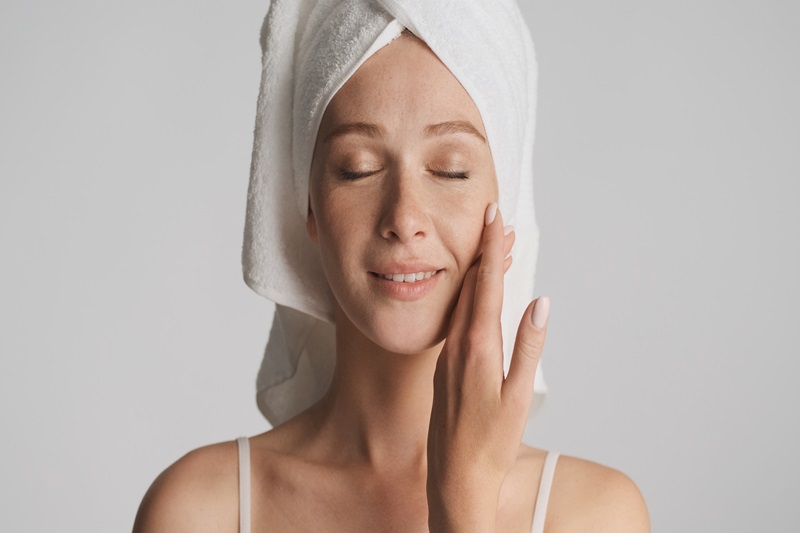
Uneven skin texture can make the complexion look rough, dull, or less smooth. Common concerns include enlarged pores, dry patches, fine lines, and acne scars. While some of these changes respond to a consistent skincare routine, others may require professional treatment.
Effective skin texture improvement starts with identifying the underlying cause. Dehydration and surface buildup may improve with suitable skincare products, whereas depressed acne scars often need targeted procedures. Understanding these differences helps you choose appropriate treatments and avoid unnecessary irritation.
What Causes Uneven Skin Texture?
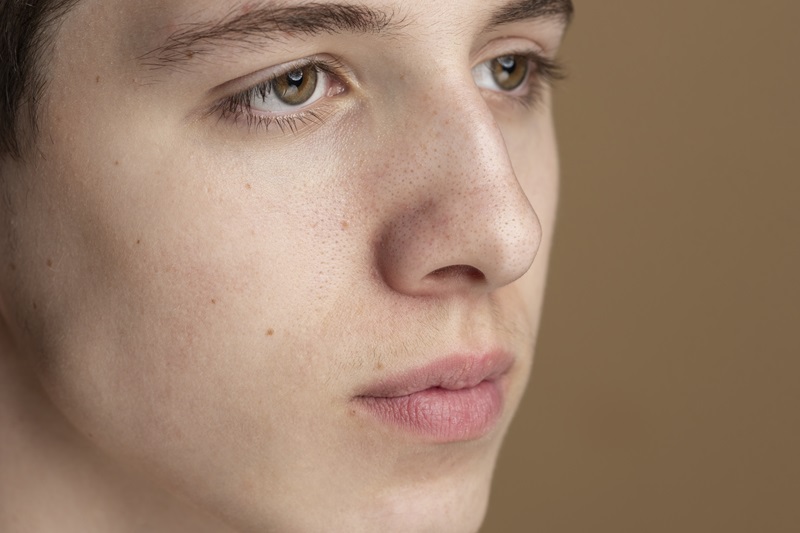
Uneven skin texture can result from several factors:
- Dead skin cell buildup: May cause roughness and dullness.
- Dehydration: Can make fine lines and flaky patches more noticeable.
- Sun damage: Contributes to premature aging, uneven pigmentation, and changes in skin texture.
- Acne scars: Inflammation can leave depressed or raised marks.
- Aging: Changes in collagen and elastin can affect skin firmness.
- Clogged pores: Oil and dead skin cells can contribute to visible bumps.
Identifying the cause helps determine whether skincare products or professional treatments are more appropriate.
7 Ways to Improve Skin Texture
1. Exfoliate Gently
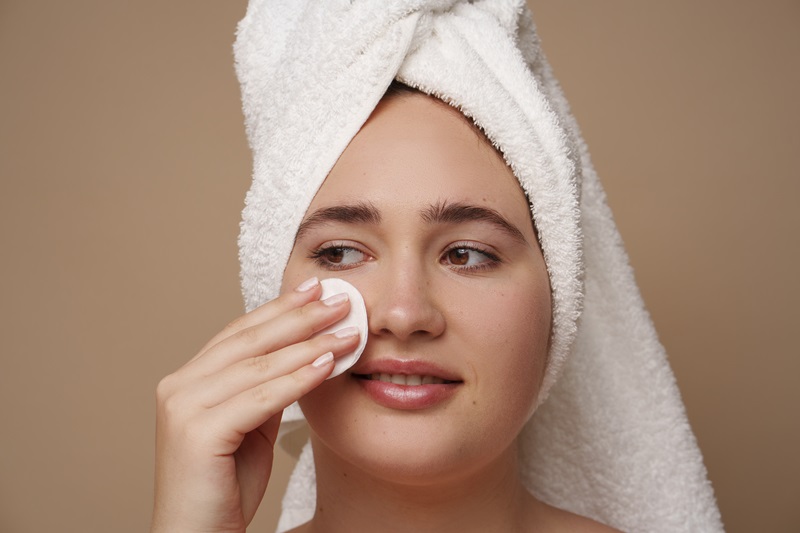
Exfoliation helps remove dead skin cells and can improve surface smoothness. Alpha hydroxy acids (AHAs), such as glycolic and lactic acid, are commonly used for surface roughness, while salicylic acid can help unclog pores in acne-prone skin.
Start with a low-strength product and introduce it gradually. Using several exfoliating products together or scrubbing aggressively can damage the skin barrier, causing redness, dryness, and irritation. Avoid exfoliation on actively irritated or broken skin.
2. Use Moisturizers That Support the Skin Barrier
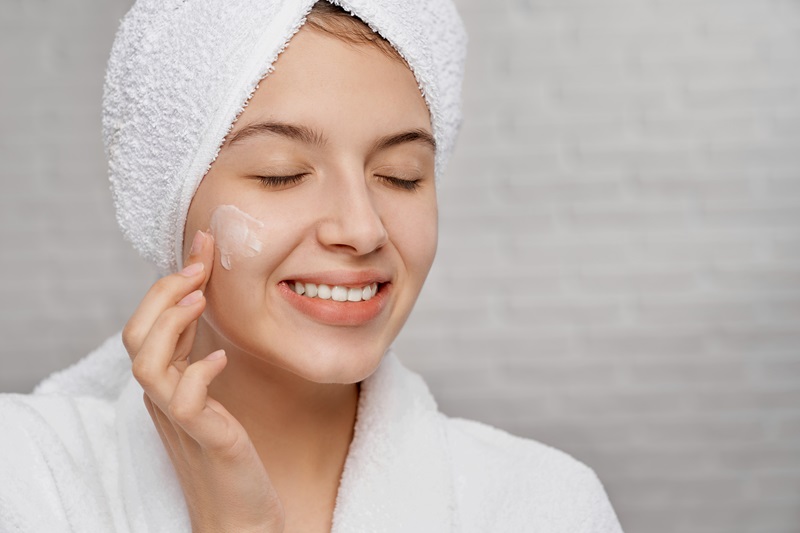
Dehydrated skin can appear rough and make fine lines more noticeable. A suitable moisturizer helps retain water, reduce dryness, and support the skin’s protective barrier.
Look for ingredients such as glycerin and hyaluronic acid to attract moisture, and ceramides to help support the skin barrier. Apply moisturizer regularly, particularly after cleansing.
If your skin is sensitive, choose fragrance-free products and introduce new ingredients one at a time. A consistent, simple routine is often more useful than layering multiple products that may cause irritation.
Charlotte Tilbury Magic Water Cream: Charlotte Tilbury Magic Water Cream is a lightweight moisturizer that hydrates the skin, helps support the skin barrier, and leaves the complexion looking smoother and refreshed.
3. Apply Sunscreen Every Day
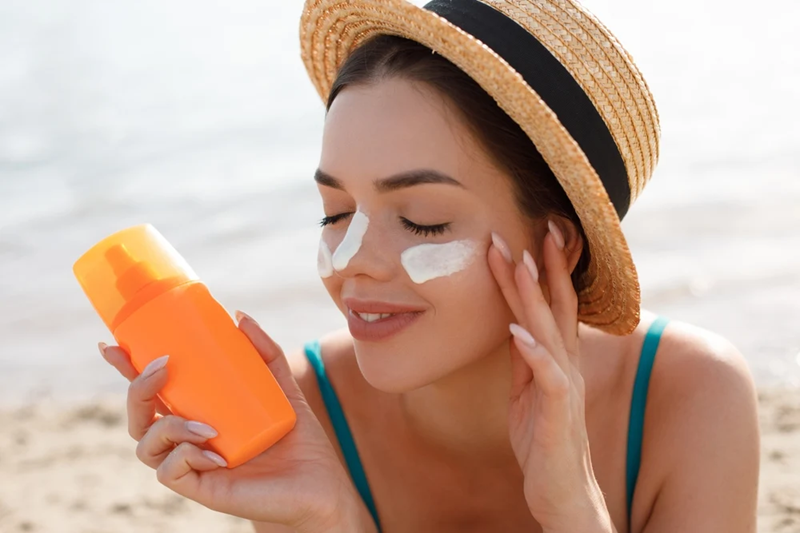
Sun protection is essential for maintaining smoother-looking skin and preventing further UV-related damage. Sun exposure contributes to premature wrinkles, uneven pigmentation, and changes in skin quality.
Choose a broad-spectrum sunscreen with SPF 30 or higher. Apply it to exposed skin every day and reapply approximately every two hours outdoors, or after swimming or sweating. Sunscreen also helps protect the skin while you use ingredients such as retinoids or exfoliating acids that may increase irritation or sensitivity.
La Roche-Posay Anthelios UVMune 400 SPF50+
La Roche-Posay Anthelios UVMune 400 Invisible Fluid SPF50+ provides broad-spectrum sun protection against UVA and UVB rays, helping protect the skin from sun damage and premature aging. Its lightweight formula makes it a suitable option for daily skincare routines.
4. Consider Retinoids for Fine Lines and Unevenness
Retinoids, including retinol, are vitamin A derivatives that can help improve the appearance of fine lines and certain forms of uneven skin texture. Some retinoids also help manage acne, which may reduce the formation of new acne-related marks.
Introduce retinol gradually, beginning with a low-strength product a few nights per week. Increase frequency only as tolerated, and use moisturizer to help minimize dryness.
Retinoids are not suitable for everyone. They should be avoided during pregnancy, and anyone with persistent irritation or a skin condition should seek professional advice before using them.
5. Choose Products Based on Your Skin Type
Using products suited to your skin type can improve texture without unnecessarily disrupting the skin barrier.
| Skin type or concern | Suitable approach |
|---|---|
| Oily, congested skin | Lightweight, non-comedogenic products; salicylic acid when appropriate |
| Dry, rough skin | Gentle cleansing and moisturizers containing glycerin or ceramides |
| Sensitive skin | Fragrance-free products and gradual introduction of active ingredients |
| Acne-prone skin | Non-comedogenic skincare and appropriate acne management |
| Fine lines and sun damage | Daily sunscreen and carefully introduced retinoids |
Avoid changing your entire routine at once. Introducing one new product at a time makes it easier to identify irritation and determine which products are helping.
6. Maintain Healthy Lifestyle Habit

Lifestyle habits support overall skin health, although they cannot reliably eliminate established scars or deep textural irregularities.
Drink enough water to maintain normal hydration, eat a balanced diet, get adequate sleep, and avoid smoking. These habits support general health and may help maintain the skin’s appearance over time.
It is also important to avoid picking pimples or scratching healing blemishes. Repeated trauma can increase inflammation and the risk of lasting scars or post-inflammatory pigmentation.
7. Explore Professional Skin Treatments
When skincare products are insufficient, professional treatments may help address persistent unevenness. The appropriate option depends on whether the concern involves surface roughness, acne scars, enlarged pores, or signs of aging.
| Treatment option | Potential role |
|---|---|
| Chemical peels | Selected cases of superficial roughness, clogged pores, or uneven pigmentation |
| Microneedling | Certain types of acne scarring and textural irregularities |
| Laser procedures | Selected concerns involving scars, pigmentation, or uneven texture |
| Exosome-based treatments | An emerging area of aesthetic research with limitations in current evidence |
Professional treatments have different benefits, risks, and recovery requirements. Chemical peels, microneedling, and laser procedures may help address selected textural concerns, but their suitability depends on skin type, the condition being treated, and the procedure used.
For patients exploring regenerative approaches, Exosome Therapy in Dubai is an option to discuss with a qualified practitioner. However, evidence for exosome-based skin rejuvenation remains limited, and safety and effectiveness depend on the product and procedure used. These treatments should not be presented as a proven solution for uneven skin texture.
Read the scientific review on exosomes in aesthetic dermatology.
A professional consultation can help establish realistic expectations and determine whether a procedure is appropriate for your specific concern.
How Long Does Skin Texture Improvement Take?
The time required to notice changes depends on the cause of unevenness, the treatment used, and individual skin characteristics.
| Approach | General timeframe |
|---|---|
| Moisturizers | Dryness may improve within days |
| Gentle exfoliation | Surface changes may become noticeable over several weeks |
| Retinoids | Often require several weeks to a few months |
| Sunscreen | Helps prevent further UV damage with consistent use |
| Professional procedures | Results vary; some treatments require multiple sessions |
Frequently Asked Questions
What is the best way to improve skin texture?
The best approach depends on the underlying cause. Moisturizing, gentle exfoliation, sunscreen, and appropriate active ingredients may help mild unevenness. Persistent acne scars or deeper irregularities may require professional treatment.
Can skin texture improve naturally?
Mild roughness related to dehydration or surface buildup may improve with consistent skincare. Established acne scars and deeper structural changes are less likely to disappear without targeted treatment.
Does exfoliation make skin smoother?
Gentle exfoliation can improve surface smoothness by removing dead skin cells. Excessive exfoliation, however, may cause irritation, dryness, and a compromised skin barrier.
Can retinol help with uneven skin texture?
Retinol may improve the appearance of fine lines and some forms of uneven texture over time. Results depend on the formulation, frequency of use, and individual skin concerns.
Are professional treatments necessary for smoother skin?
Not always. Mild concerns may respond to skincare and sun protection. Professional assessment can help identify suitable options when acne scars, persistent roughness, or deeper irregularities do not improve.
Conclusion
Skin texture improvement begins with understanding what makes the skin look uneven. Gentle exfoliation, adequate hydration, daily sun protection, appropriate skincare products, and healthy lifestyle habits can support a smoother-looking complexion. When deeper textural concerns persist, professional treatments may offer additional options.
Choose treatments based on your skin’s needs, introduce active ingredients gradually, and maintain realistic expectations. A personalized approach can help improve skin appearance while minimizing unnecessary irritation and treatment risks.


