

Losing body fat while maintaining muscle requires more than eating less or doing more cardio. The right approach combines a moderate calorie deficit, adequate protein intake, regular strength training, and sufficient recovery. These habits can help reduce body fat while supporting muscle strength and physical performance.
Learning how to Lose Fat Without Losing Muscle means focusing on body composition rather than simply trying to make the number on the scale drop. Research suggests that combining resistance training with calorie restriction can help preserve lean body mass during weight loss. Read the research published in Nutrients.
1. Create a Moderate Calorie Deficit
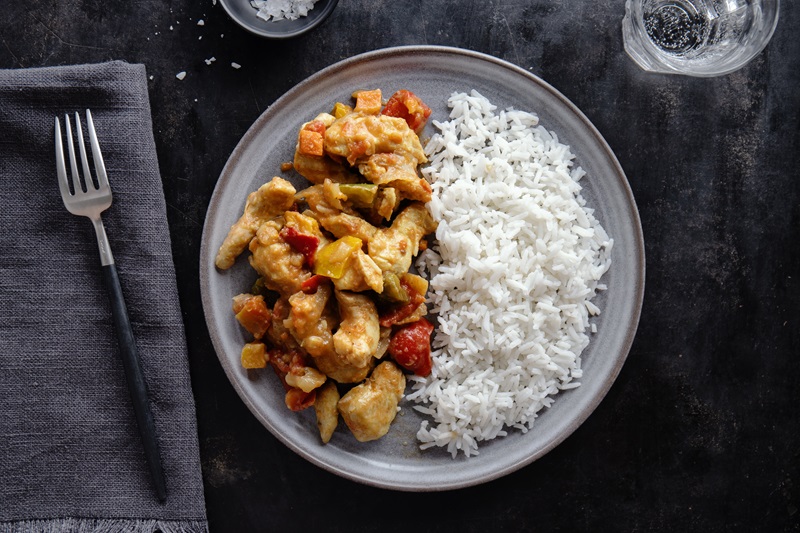
To lose body fat, you generally need to consume fewer calories than your body uses. However, cutting calories too drastically can make it harder to maintain muscle, meet nutritional needs, and perform well during workouts.
Instead, aim for a sustainable calorie deficit that allows gradual progress without leaving you constantly exhausted or hungry.
A balanced approach includes:
- Adjusting portion sizes instead of skipping meals.
- Eating vegetables, whole grains, protein-rich foods, and healthy fats.
- Limiting excess calories from sugary drinks and frequent high-calorie snacks.
- Monitoring your energy, strength, and weight trends over time.
Your calorie needs depend on factors such as age, body size, activity level, and health status. A registered dietitian can help you establish an appropriate plan.
2. Prioritize Strength Training

Strength training is one of the most important parts of a plan to lose fat without losing muscle. During a calorie deficit, resistance exercise encourages your body to maintain muscle tissue rather than relying solely on changes in body weight.
Your routine can include weightlifting, resistance bands, bodyweight exercises, or gym machines.
For effective training:
- Work all major muscle groups regularly.
- Focus on correct technique before increasing weights.
- Gradually increase resistance or repetitions as your strength improves.
- Allow enough time for recovery between challenging sessions.
Consistency matters more than pushing yourself to exhaustion. Beginners should start with manageable workouts and increase the difficulty gradually.
3. Combine Cardio With Resistance Exercise

Cardio increases energy expenditure and supports cardiovascular health. Brisk walking, cycling, swimming, and jogging can all complement a strength-training routine.
However, cardio should not completely replace resistance exercise when muscle maintenance is a priority.
The World Health Organization recommends that adults aim for 150–300 minutes of moderate-intensity aerobic activity per week and perform muscle-strengthening activities on at least two days per week. These are general health guidelines, and beginners can build up to them gradually. See the WHO physical activity recommendations.
Choose activities you enjoy and can maintain consistently. Excessive exercise combined with inadequate food intake and poor recovery can make it harder to maintain muscle and training performance.
4. Eat Enough Protein and Maintain a Balanced Diet

Protein provides the amino acids your body needs to repair and maintain muscle tissue. Getting enough protein is particularly important during weight loss, especially when combined with resistance training.
Good sources include eggs, chicken, fish, lean meat, dairy products, beans, lentils, and tofu. Including protein in your main meals can help you meet your daily needs.
Your individual protein requirements depend on body weight, age, activity level, and health status. People with kidney disease or other conditions affecting protein requirements should seek professional advice before increasing their intake.
Carbohydrates and fats are also important. Carbohydrates provide energy for exercise, while dietary fats support normal body functions and the absorption of certain vitamins.
Build your meals around nutrient-rich foods such as:
- Oats, rice, potatoes, and whole grains.
- Vegetables and whole fruits.
- Olive oil, nuts, and seeds.
- Protein-rich foods to support muscle maintenance.
There is no need to eliminate entire food groups to lose fat. The goal is to maintain a calorie deficit while getting enough nutrients to support your health, workouts, and recovery.
5. Get Enough Sleep and Recovery

Sleep and recovery help you maintain a consistent exercise routine and adapt to training. Insufficient sleep can affect energy, appetite, and workout performance.
To support recovery, aim for seven to nine hours of sleep per night if you are an adult. Stay hydrated, schedule rest days when needed, and avoid increasing your training intensity faster than your body can tolerate.
If your strength keeps declining or you feel persistently exhausted, your calorie intake, training load, or recovery routine may need adjustment.
6. Track Progress Beyond Body Weight

The number on the scale does not reveal exactly how much fat or muscle you have gained or lost. Water retention and changes in muscle glycogen can also affect your weight.
For a clearer picture, monitor several indicators:
- Body measurements: Track changes in waist circumference over time.
- Strength: Note whether you can maintain your exercise performance.
- Progress photos: Compare photos taken under similar conditions.
- Body composition assessments: Consider suitable assessments to estimate changes in fat mass and lean mass.
Looking at trends over several weeks is generally more useful than judging your progress from a single weigh-in.
7. Can Body Sculpting Help With Fat Reduction?
Some people continue to notice localized fat deposits or areas where they want more definition despite following a consistent exercise and nutrition plan. Fat distribution varies between individuals, so changes in overall body weight do not always produce the same changes in every area.
For suitable candidates, non-surgical body contouring may be an additional option to discuss with an aesthetic professional.
At Paramy Poly Clinic, body sculpting in Dubai includes treatments using radiofrequency (RF) and high-intensity focused electromagnetic (HIFEM) technology. These treatments are used for selected body-contouring goals involving localized fat, muscle appearance, and skin firmness.
Body sculpting is not a substitute for a balanced diet, regular exercise, or a weight-management plan. Results and suitability depend on the individual and the treatment used. A professional consultation can help clarify the potential benefits, limitations, and risks.
Frequently Asked Questions
Can you lose fat without losing muscle?
Yes. A moderate calorie deficit, adequate protein intake, and regular resistance training can help reduce body fat while minimizing muscle loss. However, preserving all muscle mass is not guaranteed.
Does cardio cause muscle loss?
Cardio does not automatically cause muscle loss. The risk may increase when exercise is excessive and combined with inadequate nutrition or insufficient recovery. A balanced routine can include both cardio and strength training.
Can body sculpting replace diet and exercise?
No. Body sculpting addresses selected aesthetic concerns rather than providing substantial weight loss. Healthy eating and regular physical activity remain important for long-term health and weight management.
Conclusion
The most practical way to Lose Fat Without Losing Muscle is to combine a moderate calorie deficit with adequate protein, consistent strength training, appropriate cardio, and sufficient recovery. Tracking strength and body composition alongside weight can help you evaluate your progress more accurately.
If localized fat remains a concern, a consultation at Paramy Poly Clinic can help determine whether body sculpting is a suitable addition to your existing routine.


