
Your body shape can change throughout life due to factors such as aging, pregnancy, weight fluctuations, hormonal changes, genetics, and lifestyle. While some aspects of your natural shape are determined by your bone structure and genetics, changes in body composition can affect your proportions and overall appearance.
If you want to change your body shape, the best approach depends on what you want to improve. Exercise and nutrition can help change body composition, while body contouring treatments can target specific areas that may remain resistant to lifestyle changes. Understanding the difference between these approaches can help you choose a realistic and suitable option for your goals.
What Does It Mean to Change Your Body Shape?
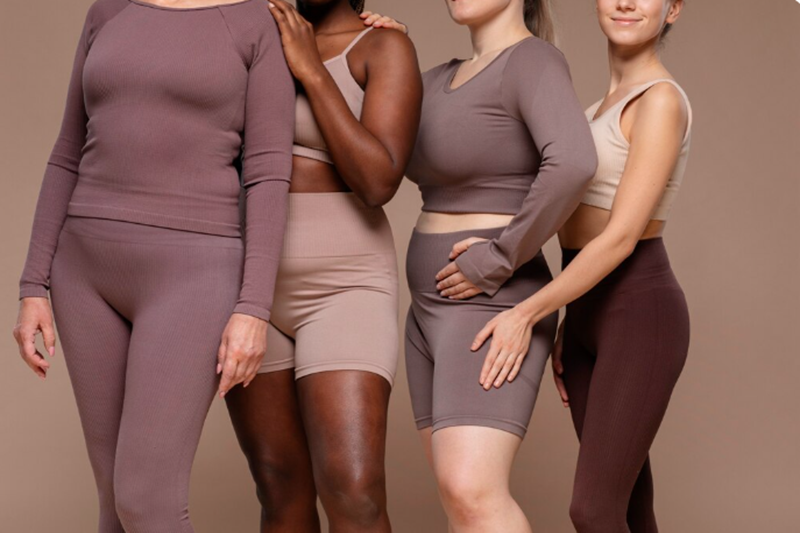
Changing your body shape generally means changing the proportions or appearance of different areas of the body rather than simply reducing your overall weight.
For example, you may want to define your waist, reduce localized fat around your abdomen or thighs, improve the appearance of your arms, or address loose skin after significant weight loss. These concerns can require different approaches.
Your natural body shape is influenced by factors including genetics, skeletal structure, fat distribution, muscle mass, age, and hormonal changes. Because of this, the same diet, exercise routine, or cosmetic treatment may produce different results in different people.
Can You Change Your Body Shape Naturally?
Yes. Lifestyle changes can influence body composition and help improve muscle definition and overall proportions. However, they cannot completely control where your body stores or loses fat.
Exercise and Muscle Development

Strength training can increase muscle mass and definition in targeted areas. For example, exercises that work the glutes, legs, shoulders, back, and core can influence muscular proportions over time.
Cardiovascular exercise can also support overall fitness and energy expenditure. Combining resistance training with regular physical activity may help you build a more defined appearance while supporting a healthy body composition.
However, exercise cannot selectively remove fat from one specific area. Where your body gains or loses fat is influenced partly by genetics and hormones.
Nutrition and Body Composition
A balanced diet can support healthy weight management and help maintain muscle during fat loss. Adequate protein, fiber, healthy fats, vitamins, and minerals are all important components of a nutritious eating pattern.
If reducing body fat is part of your goal, a sustainable calorie deficit may help you lose weight over time. However, weight loss and body shaping are not necessarily the same thing. You may reach a healthy weight while still having localized areas of fat or loose skin that affect your desired body contour.
Weight Loss and Body Shape Are Not the Same
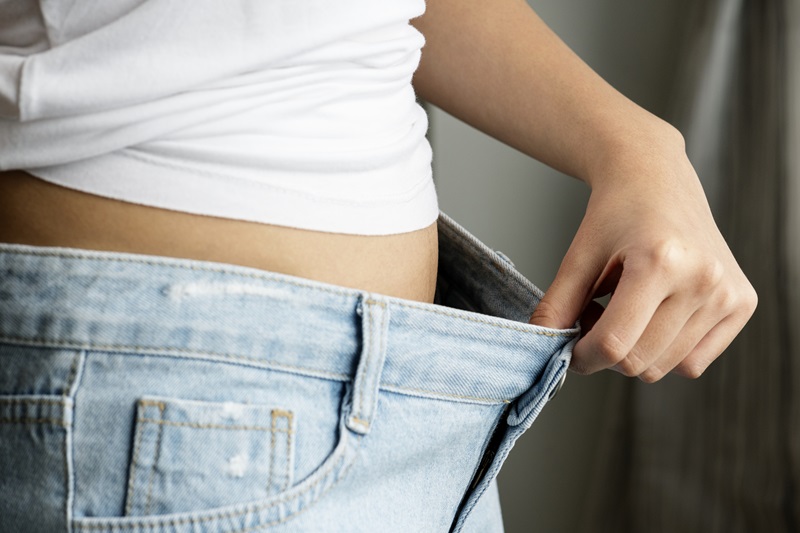
One of the most important things to understand when trying to change your body shape is that losing weight does not guarantee a specific body shape.
Weight loss affects the body as a whole, and the areas that change first or most significantly vary from person to person. Some women may notice changes in their face or waist first, while others may see more noticeable changes in their hips, thighs, or arms.
This is one reason body contouring may be considered by people who are already close to their preferred weight but have specific areas they would like to refine.
What Is Body Contouring?

Body contouring is a broad term for procedures designed to alter the shape or contour of specific areas of the body. Depending on the treatment, it may involve reducing localized fat, addressing excess skin, or improving the appearance of body contours.
Non-invasive body contouring procedures are different from surgical procedures. According to the U.S. Food and Drug Administration (FDA), non-invasive body contouring is intended to change the shape of an area or reduce small areas of fat, but it is not a treatment for obesity and should not be considered a weight-loss method.
For women who are maintaining a relatively stable weight but have concerns about localized areas, exploring body contouring Dubai may be an option to discuss with a qualified medical professional.
What Areas Can Be Targeted?
The appropriate body contouring approach depends on the treatment, your anatomy, and the concern being addressed. Common areas of interest include:
Abdomen and Waist
The abdomen and waist are common areas where localized fat may affect overall proportions. Even with regular exercise and healthy eating, some people may retain small pockets of fat in these areas.
Depending on the individual and treatment, body contouring may be considered to improve the appearance of the abdominal and waist contours.
Thighs
The inner and outer thighs can develop localized fat deposits that may be resistant to lifestyle changes. A suitable contouring treatment may help refine the appearance of these areas when the patient is an appropriate candidate.
Arms
Changes in weight and aging can affect the appearance of the upper arms. Some women may have localized fat, while others may primarily be concerned about loose skin. These are different concerns and may require different treatment approaches.
Hips and Buttocks
The hips and buttocks contribute significantly to overall body proportions. Depending on the individual’s goals, body contouring may focus on reducing localized fat or improving the balance between different areas of the body.
Non-Surgical vs. Surgical Body Contouring
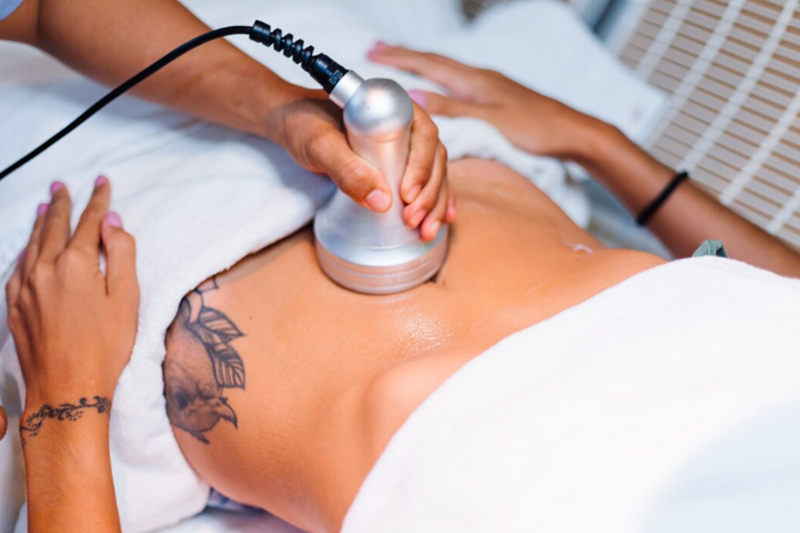
Body contouring can involve non-surgical or surgical procedures, and the two approaches should not be considered interchangeable.
Non-Surgical Body Contouring
Non-surgical body contouring uses technologies applied to the body without traditional surgical incisions. Depending on the technology, treatments may use controlled cooling, radiofrequency, laser energy, or other mechanisms to target specific cosmetic concerns.
The FDA notes that non-invasive body contouring may reduce small areas of excess fat or alter circumference in a treated area, but results can vary and some effects may be temporary.
Surgical Body Contouring
Surgical procedures can address concerns such as excess skin and larger changes in body contour. Procedures may include liposuction, tummy tuck surgery, arm lift, or thigh lift, depending on the individual’s needs.
Surgical body contouring is generally considered after significant weight loss when excess skin and tissue remain. Good candidates typically have a stable weight, realistic expectations, and no health conditions that would significantly increase surgical risk.
What Results Can You Expect?
Results depend on the treatment, the area being addressed, your starting body composition, skin elasticity, and individual response.
Body contouring should be viewed as a way to refine or reshape specific areas rather than as a substitute for weight management. Non-invasive procedures may produce more subtle changes than surgical procedures, and some non-surgical results may require multiple treatments or maintenance.
For surgical procedures, results may be more significant, but recovery and potential risks are also greater. Maintaining a stable weight can help preserve the results of body contouring over time.
Having realistic expectations is essential. A qualified practitioner should explain what a treatment can and cannot achieve before you decide to proceed.
Is Body Contouring Safe?
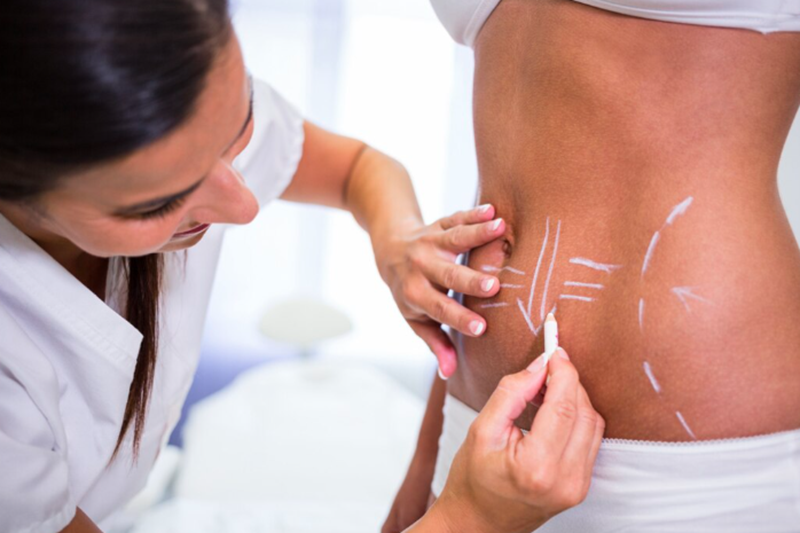
The safety of body contouring depends on the treatment, technology, treatment area, and the provider’s qualifications. Non-surgical treatments can still have risks, while surgical procedures carry additional risks such as infection, bleeding, scarring, and poor wound healing. Discussing potential risks and expected results with a qualified medical professional before treatment is essential.
U.S. Food and Drug Administration
FAQs
Can I permanently change my body shape?
You can influence your body composition and appearance through lifestyle changes and, in some cases, cosmetic procedures. However, genetics, skeletal structure, aging, and future changes in weight can continue to influence your body shape.
Can exercise change my body shape?
Yes. Strength training can increase muscle size and definition, which can affect your proportions. Exercise can also support overall fat loss when combined with appropriate nutrition. However, it cannot specifically determine where your body loses fat.
Can body contouring help with weight loss?
No. Body contouring should not be used as a substitute for weight-loss treatment. Non-invasive body contouring is intended to change the appearance or shape of specific areas rather than produce significant overall weight loss.
How long does it take to change your body shape?
There is no single timeline. Lifestyle-based changes generally require consistent effort over weeks or months, while the timeline for cosmetic treatments depends on the procedure, number of sessions, healing, and individual response.
Is body contouring suitable after weight loss?
It can be. After significant weight loss, some people are left with excess skin or localized areas of fat. Surgical body contouring is commonly considered once weight has stabilized and the individual is medically suitable for surgery.
Final Thoughts
Learning how to change your body shape starts with understanding the difference between weight loss, body composition, and body contouring. Exercise and nutrition can improve overall body composition, while targeted treatments may help address specific areas that remain resistant to lifestyle changes.
The most appropriate option depends on your individual anatomy, goals, health, skin quality, and expectations. A professional consultation can help you determine whether lifestyle changes, non-surgical body contouring, or a surgical approach is more suitable for the result you want to achieve.


