

A puffy face can make your features look swollen, tired, or less defined. It is especially common in the morning and may improve naturally throughout the day. In many cases, temporary puffiness is related to fluid retention, sleep, diet, alcohol, or allergies. However, persistent or sudden facial swelling can sometimes have an underlying medical cause.
Understanding what is causing your facial puffiness is the first step toward choosing the right way to reduce it.
What Causes a Puffy Face?
Facial puffiness happens when fluid accumulates in the tissues of the face, although several other factors can contribute to swelling or make the face appear fuller. Common causes include lack of sleep, high-sodium foods, alcohol, allergies, hormonal changes, certain medications, and some medical conditions.
| Possible Cause | How It May Affect Your Face |
|---|---|
| High-salt foods | May increase fluid retention and make the face look swollen |
| Poor sleep | Can make morning puffiness and under-eye swelling more noticeable |
| Alcohol | May contribute to dehydration and changes in fluid balance |
| Allergies | Can cause swelling around the eyes and face |
| Hormonal changes | May temporarily affect fluid balance |
| Certain medications | Some medications can contribute to facial swelling |
| Medical conditions | Thyroid, kidney, liver, and other conditions can sometimes cause edema |
Not every case of facial puffiness has the same cause, so the pattern and duration of the swelling are important.
Why Is My Face Puffy in the Morning?

A puffy face in the morning is often related to temporary fluid retention during sleep. Staying in a horizontal position for several hours can allow fluid to collect in facial tissues, making swelling more noticeable when you first wake up. Mild morning puffiness that gradually improves during the day is generally less concerning than swelling that persists or gets worse.
Your morning puffiness may also be more noticeable after:
- Eating a salty meal the night before
- Getting too little or too much sleep
- Drinking alcohol
- Crying before bed
- Experiencing allergies or nasal congestion
- Sleeping poorly for several nights
If your face repeatedly looks swollen in the morning along with symptoms such as sneezing, itchy eyes, or congestion, allergies may be contributing to the problem. Morning allergy symptoms can be particularly noticeable after overnight exposure to allergens such as pollen, dust, or pet dander.
How to Reduce a Puffy Face
When facial puffiness is temporary and not caused by an underlying medical condition, simple lifestyle measures may help reduce its appearance.
Stay Hydrated

Drinking enough water throughout the day supports normal fluid balance. Dehydration can affect how your body regulates fluids, so maintaining regular hydration is preferable to trying to correct dehydration by drinking a large amount of water at once.
Reduce Excess Salt
A high-sodium diet can contribute to fluid retention. If you frequently wake up with a puffy face after eating processed or heavily salted foods, reducing your sodium intake may help.
Get Enough Sleep

Poor sleep can make facial puffiness and tired-looking skin more noticeable. A consistent sleep schedule and adequate rest can support a healthier-looking appearance.
Try a Cool Compress
A cool compress may temporarily reduce swelling and make the face feel more comfortable. Apply it gently for a few minutes and avoid placing ice directly against the skin.
Limit Alcohol
Alcohol can affect hydration and fluid balance and may make facial puffiness more noticeable the following morning. Limiting alcohol may therefore help reduce recurring morning puffiness.
Keep Your Head Slightly Elevated
If your face tends to look swollen after lying down, keeping your head slightly elevated during sleep may help limit fluid accumulation
When Is a Puffy Face a Sign of a Problem?

Temporary puffiness is not necessarily a sign of a health problem. However, facial swelling that is sudden, severe, painful, persistent, or unexplained should be evaluated by a healthcare professional.
Facial swelling can sometimes be associated with allergies, infections, medication reactions, sinus problems, dental problems, thyroid conditions, or other medical issues.
You should seek medical advice if your facial swelling:
- Continues for several days or keeps getting worse
- Is painful or associated with significant tenderness
- Occurs with fever, redness, or other signs of infection
- Appears repeatedly without an obvious cause
- Develops after starting a new medication
- Is accompanied by swelling in other parts of the body
Sudden swelling of the face, lips, tongue, or throat accompanied by difficulty breathing or swallowing requires emergency medical attention, as it can be a sign of a severe allergic reaction
Source: PubMed – Facial Edema Review
Can Facial Treatments Improve a Puffy-Looking Face?
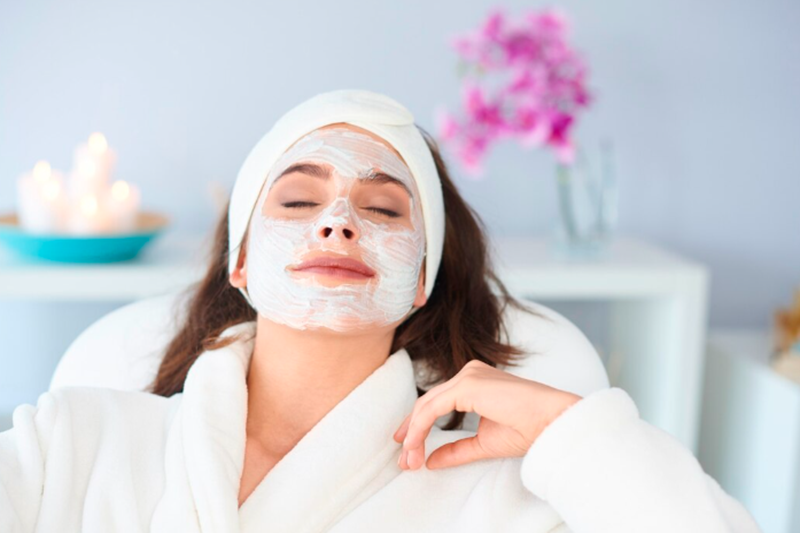
Not every face that looks puffy is actually swollen. Sometimes, fullness or a lack of definition is related to skin quality, facial volume, or individual facial proportions rather than fluid retention.
For this reason, aesthetic treatments should be chosen based on the underlying concern rather than simply treating the appearance of fullness.
Hydrafacial for Refreshed-Looking Skin
A Hydrafacial is a professional facial treatment designed to cleanse, exfoliate, extract impurities, and hydrate the skin. It may be suitable if your main concern is dull, dehydrated, or congested-looking skin.
While Hydrafacial does not treat medical causes of facial swelling, improving skin hydration and surface texture can give the face a fresher and more refreshed appearance.
Dermal Fillers for Facial Contouring
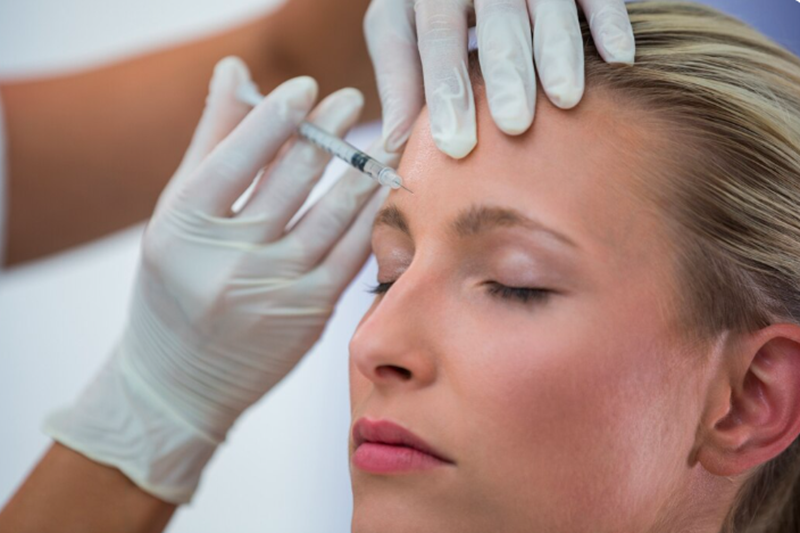
Dermal fillers are injectable treatments that can restore or add volume to selected areas of the face. Depending on the individual’s anatomy and goals, they may be used to improve facial proportions, enhance certain contours, or address volume loss.
Dermal fillers are not a treatment for fluid-related facial swelling. If your face is genuinely swollen or becomes puffy suddenly, the underlying cause should be assessed before considering an aesthetic injectable treatment.
How Can You Prevent a Puffy Face?
You cannot prevent every cause of facial puffiness, but several habits may help reduce temporary episodes:
- Maintain regular hydration
- Avoid excessive salt intake
- Get consistent, adequate sleep
- Limit alcohol
- Manage known allergies
- Stay physically active
- Pay attention to foods or situations that repeatedly trigger puffiness
Keeping track of when the swelling appears and how long it lasts can also help identify patterns. If puffiness continues despite lifestyle changes, professional evaluation may be more appropriate than simply trying additional cosmetic products or treatments.
Conclusion
A puffy face is often temporary and can be linked to fluid retention, poor sleep, dietary choices, allergies, or other everyday factors. Staying hydrated, reducing excess salt, getting enough sleep, and identifying personal triggers may help reduce occasional puffiness.
However, persistent or sudden facial swelling should be evaluated to rule out an underlying medical cause. If the concern is mainly about skin quality or facial appearance rather than true swelling, professional treatments such as Hydrafacial or dermal fillers may be considered based on your individual needs and goals.
FAQs
How Long Does a Puffy Face Last?
Temporary facial puffiness may improve within a few hours, especially when it is related to overnight fluid retention. Persistent or worsening swelling should be evaluated to determine the underlying cause.
Does Drinking Water Help a Puffy Face?
Adequate hydration supports normal fluid balance and may help when dehydration is contributing to the problem. However, drinking more water will not treat every cause of facial swelling.
Does Facial Massage Reduce Puffiness?
Gentle facial massage may temporarily make the face look less puffy, but it does not treat underlying medical causes of swelling. If your face is painful, inflamed, or significantly swollen, avoid aggressive massage and seek professional advice.
Why Is My Face Puffy but My Body Isn’t?
Fluid accumulation does not necessarily affect every part of the body equally. Facial tissues, particularly around the eyes, can make even mild swelling noticeable.
Can Allergies Cause a Puffy Face?
Yes. Allergic reactions can cause swelling around the eyes, lips, and other areas of the face. Allergy-related swelling can sometimes occur with itching, sneezing, congestion, or other symptoms.
Should I Get a Facial Treatment for a Puffy Face?
That depends on what is causing the fullness. If the issue is mainly dehydrated or dull-looking skin, a Hydrafacial may be an option. If facial volume or contour is the concern, dermal fillers may be considered after an appropriate assessment. True or unexplained facial swelling should be evaluated medically rather than treated as a purely cosmetic concern.


