
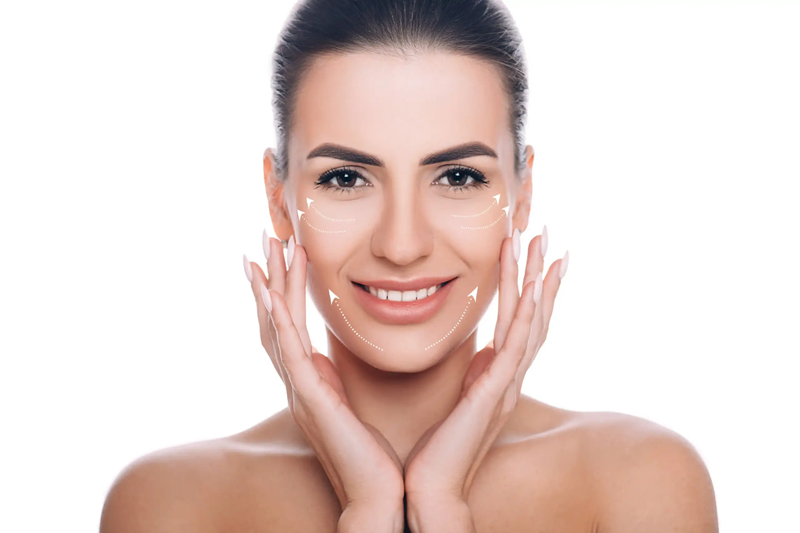
Skin elasticity is the skin’s ability to stretch and return to its original shape. As you age, changes in collagen and elastin can gradually make your skin less firm, contributing to wrinkles and sagging. Genetics, sun damage, and significant weight changes can also influence skin appearance.
Although home remedies cannot fully reverse substantial skin laxity, understanding how your skin responds to everyday habits can help you make informed decisions about its care.
If you want to Improve Skin Elasticity, the following seven approaches focus on practical at-home habits, gentle skincare practices, and realistic ways to support your skin without relying on unproven promises.
What Affects Skin Elasticity?
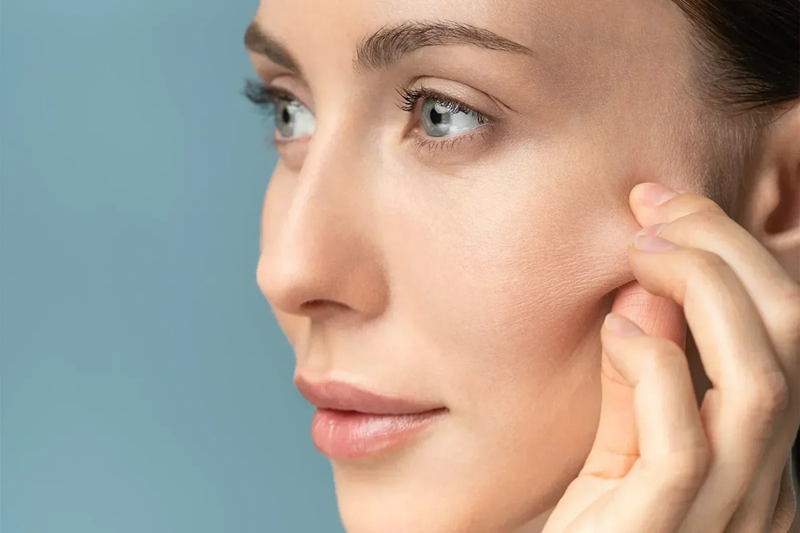
Collagen provides structural support, while elastin helps the skin stretch and recover. Over time, these structures change, and the skin may gradually lose some of its firmness.
The extent of these changes varies from person to person. Age, genetics, cumulative sun exposure, smoking, and substantial weight fluctuations can all influence skin quality. Understanding these factors helps you choose appropriate care and set realistic expectations.
7 Natural Ways to Improve Skin Elasticity at Home
1. Try Gentle Facial Massage
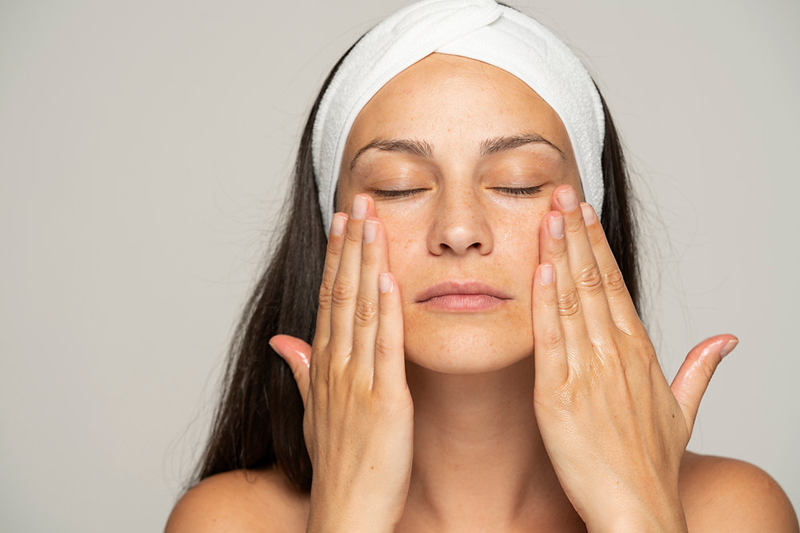
Gentle facial massage can help relieve facial tension and may temporarily improve circulation. It can also make a skincare routine feel more relaxing.
Use clean hands and light movements across your cheeks and jawline. If needed, apply a suitable facial product to reduce friction. Avoid pulling the skin firmly, especially around the eyes.
However, evidence that facial massage produces lasting improvements in skin elasticity is limited. It should be considered a relaxation technique rather than a proven skin-tightening treatment.
2. Manage Weight Changes Gradually

Significant weight changes can affect the appearance of the skin, particularly around the abdomen, upper arms, thighs, and face. When skin has been stretched considerably, it may not fully return to its previous shape.
If you are trying to lose weight, focus on sustainable changes rather than extreme dieting. Gradual weight management can help you maintain a stable routine, while strength training can support muscle development and body composition.
Neither approach guarantees tighter skin. The outcome depends on factors such as age, genetics, the amount of weight lost, and how long the skin has been stretched.
3. Avoid Aggressive At-Home Skin Treatments
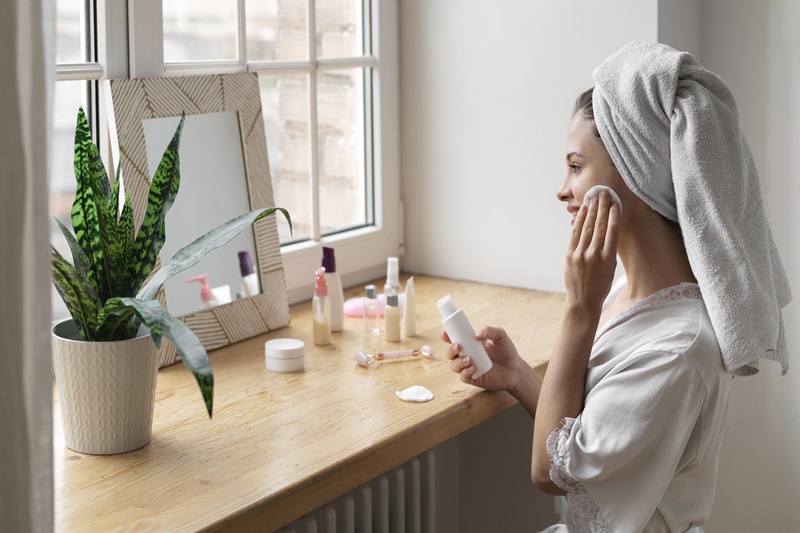
Strong chemical peels, excessive exfoliation, and unregulated skin-tightening devices can irritate the skin or cause injury when used incorrectly.
Instead of combining multiple intensive treatments, choose gentle products and follow their instructions. Avoid using professional-strength peels or devices without appropriate guidance, particularly if you have sensitive skin or an existing skin condition.
Skin irritation does not mean a product is working better. Persistent redness, burning, or peeling is a reason to stop the product and seek professional advice if symptoms continue.
4. Choose Products With Realistic Firming Claims
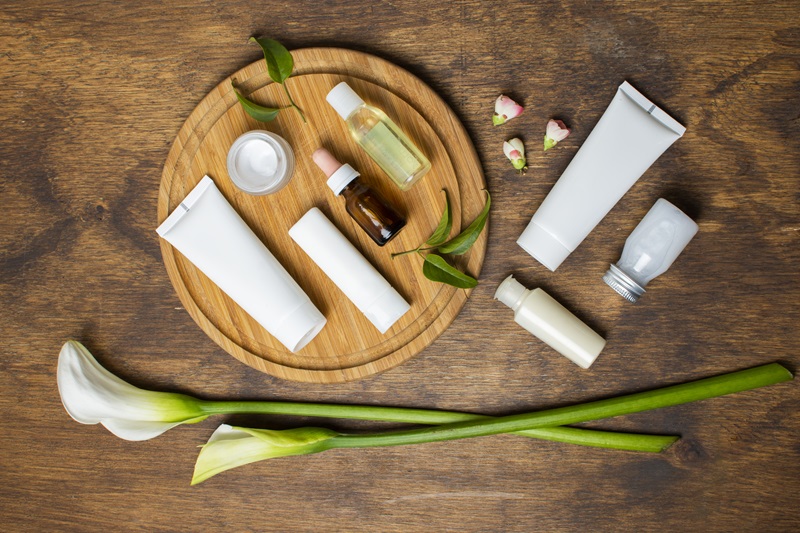
Many skincare products are marketed as skin-firming or lifting treatments, but their effects vary according to their ingredients and formulation.
Peptides and antioxidant ingredients are commonly included in anti-aging products. Some formulations may improve aspects of skin appearance, but evidence that every product containing these ingredients produces meaningful changes in elasticity is limited.
Trending Skincare Products for Firmer-Looking Skin
Retinol Serums: Retinol can help improve fine lines and skin texture with consistent use. Start gradually to r/educe irritation. A well-known option is La Roche-Posay Retinol B3 Serum.
Hyaluronic Acid Serums: These serums hydrate the skin and temporarily make it look plumper and smoother, but they cannot reverse significant sagging. A popular choice is The Ordinary Hyaluronic Acid 2% + B5.
Vitamin C Serums: Vitamin C serums are popular for helping brighten uneven skin tone and improve the appearance of dull skin. A well-known option is SkinCeuticals C E Ferulic.
5. Protect Skin Elasticity on the Neck and Body

To help maintain skin elasticity, apply a moisturizer containing ingredients such as glycerin or hyaluronic acid to the neck, chest, and upper arms after showering, while the skin is still slightly damp. For exposed areas, use broad-spectrum SPF 30 or higher sunscreen to help prevent UV-related damage.
If you use retinol on these areas, choose a product formulated for the intended area, introduce it gradually, and stop if irritation develops. These steps can help keep skin hydrated and protect it from damage, although they cannot eliminate significant loose skin.
6. Reduce Unnecessary Friction and Irritation
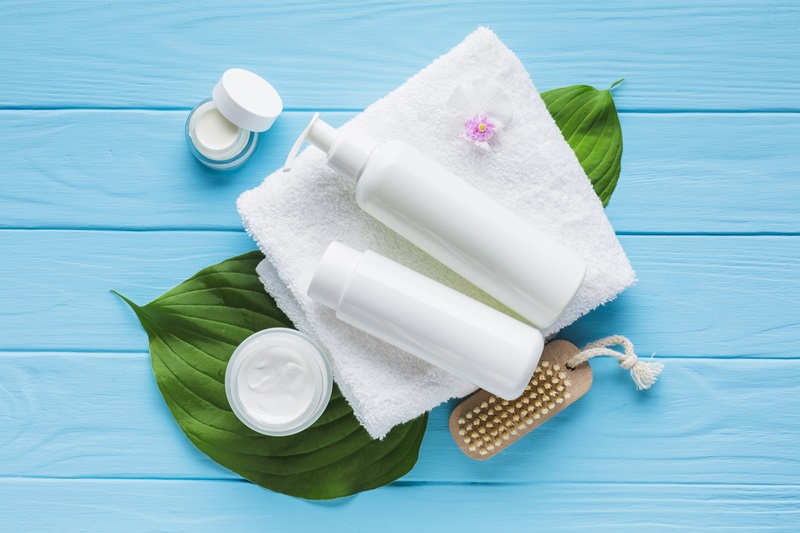
Repeated rubbing and harsh cleansing can irritate the skin and disrupt its protective barrier. Although normal facial expressions do not automatically cause sagging, gentle handling can help prevent avoidable irritation.
Remove makeup without scrubbing, pat your skin dry with a soft towel, and apply products with light movements. Avoid rubbing your eyes or repeatedly pulling delicate skin.
These habits support skin health, but there is no strong evidence that avoiding ordinary facial movements prevents age-related loss of elasticity.
7. Monitor Your Skin and Adjust Your Routine
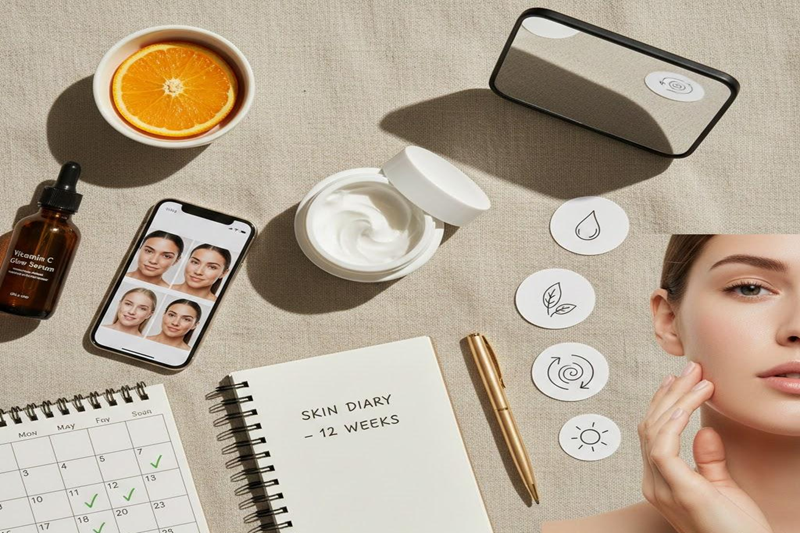
Skin changes gradually, so it can be difficult to determine whether a new routine is helping. Taking occasional photographs in consistent lighting can help you monitor visible changes in texture and firmness.
Introduce one new skincare product at a time and follow its instructions. Give products an appropriate trial period, provided they do not cause irritation, before assessing their effects.
If you experience sudden skin changes, persistent swelling, or an unexplained rash, seek medical advice rather than assuming the problem is simply reduced elasticity.
Can Natural Methods Restore Lost Skin Elasticity?
At-home methods can help maintain skin health and improve certain aspects of its appearance, but they cannot fully reverse significant skin laxity. Facial massage, for example, has limited evidence supporting lasting improvements in skin firmness.
If you have noticeable sagging, deeper wrinkles, or facial volume loss, professional treatments may be worth considering. At Paramy Polyclinic, you can explore exosome therapy in Dubai as one option for skin rejuvenation. However, evidence supporting cosmetic exosome treatments is still developing, and their safety and effectiveness depend on the specific product and procedure. The U.S. Food and Drug Administration states that there are currently no FDA-approved exosome products.
Can Dermal Fillers Improve Skin Firmness?
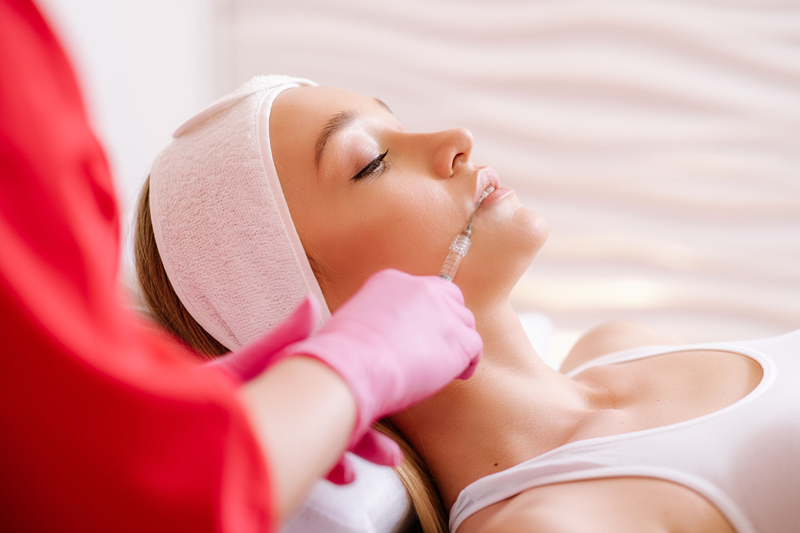
Dermal fillers may help restore lost facial volume and improve the appearance of selected areas affected by age-related changes. However, they do not directly restore skin elasticity or address every cause of sagging. If you are considering Dermal Fillers in Dubai, consult a qualified practitioner to understand the potential benefits, risks, and limitations of treatment.
Frequently Asked Questions
Can skin elasticity improve naturally?
Some aspects of skin appearance can improve with appropriate care, but natural methods cannot fully reverse age-related changes or significant skin laxity.
Does facial massage tighten loose skin?
Facial massage may temporarily improve circulation and relieve tension, but evidence that it produces lasting skin tightening is limited.
Can loose skin tighten after weight loss?
Some skin may gradually adapt after weight loss, but significant loose skin may persist. Age, genetics, and the amount of weight lost influence the outcome.
Do firming creams really work?
Some products can improve hydration or the appearance of fine lines. However, most topical products cannot significantly lift loose skin or permanently restore lost elasticity.
When should I consider professional treatment?
If sagging or loss of facial volume remains a concern, consult a qualified practitioner to discuss suitable options and their limitations.
Conclusion
Learning how to Improve Skin Elasticity starts with understanding your skin’s needs and setting realistic expectations. Gentle skincare practices, gradual weight management, and avoiding unnecessary irritation can help support healthier-looking skin, although they cannot fully reverse significant sagging or restore lost collagen.
If home care does not address your concerns, a qualified practitioner can assess your skin and discuss suitable options, including exosome therapy or dermal fillers when appropriate. Choosing treatments based on your individual needs, with a clear understanding of their benefits and limitations, is key to making informed decisions about skin rejuvenation.


