
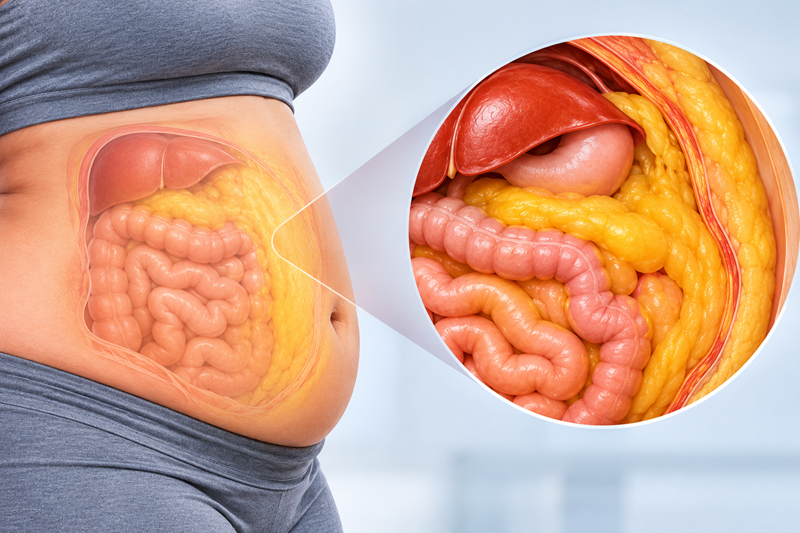
Visceral fat is stored deep inside the abdomen, surrounding organs such as the liver, pancreas, and intestines. Unlike subcutaneous fat, which sits beneath the skin, visceral fat is associated with a higher risk of type 2 diabetes, heart disease, and metabolic disorders.
Reducing this type of abdominal fat requires more than doing stomach exercises. Nutrition, physical activity, sleep, and other lifestyle habits all play a role.
What Is Visceral Fat and Why Is It Harmful?
Visceral fat is a type of abdominal fat located inside the abdominal cavity. It differs from subcutaneous fat, which can be pinched between the fingers and is found directly beneath the skin.
Although some visceral fat is normal, excessive accumulation can interfere with metabolic processes. Visceral fat is metabolically active and releases substances that can contribute to inflammation and insulin resistance.
High levels of visceral fat are associated with several health concerns:
- Type 2 diabetes: Excess visceral fat is associated with reduced insulin sensitivity and impaired blood sugar regulation.
- Heart disease: Increased abdominal fat is linked to higher cardiovascular risk.
- High blood pressure: Visceral fat accumulation often occurs alongside elevated blood pressure.
- Metabolic syndrome: Excess abdominal fat is one of the factors associated with this group of metabolic risk conditions.
Visceral fat cannot be accurately identified by appearance alone. A person can have a relatively flat stomach and still carry excess visceral fat.
Lifestyle Strategies for Reducing Visceral Fat
There is no single food, exercise, or supplement that selectively removes visceral fat. The most reliable approach combines sustainable dietary changes, regular exercise, and healthy daily routines.
1. Reduce Added Sugar and Refined Carbohydrates

A diet high in added sugar and refined carbohydrates can make weight management more difficult, particularly when these foods replace fibre-rich and nutrient-dense options. Sugary drinks, pastries, sweets, and highly processed snacks can also contribute to excessive calorie intake.
Reducing these foods can support overall fat loss and improve blood sugar management.
Consider making these substitutions:
| Limit | Choose More Often |
|---|---|
| Sugary soft drinks | Water or unsweetened drinks |
| White bread | Whole-grain bread |
| Sweetened breakfast cereals | Oats |
| Packaged sweet snacks | Fresh fruit and nuts |
| Refined snack foods | Fibre-rich alternatives |
Carbohydrates do not need to be eliminated. Whole grains, fruits, vegetables, and legumes provide important nutrients and fibre. The focus should be on food quality, portion sizes, and overall dietary balance.
2. Increase Protein and Fibre Intake

Protein and fibre can make meals more satisfying and help control appetite. Protein also helps preserve lean muscle mass during weight loss, while fibre supports digestive health and contributes to better blood sugar regulation.
Good protein sources include eggs, fish, chicken, Greek yoghurt, lentils, beans, and tofu. Fibre-rich options include vegetables, berries, apples, oats, chickpeas, and whole grains.
A balanced meal can include a protein source, vegetables, a moderate portion of whole-grain carbohydrates, and a small amount of healthy fat.
This combination can make it easier to maintain a consistent eating pattern without relying on restrictive diets.
3. Perform Regular Aerobic Exercise

Aerobic exercise is particularly useful for reducing visceral fat because it increases energy expenditure and supports cardiovascular and metabolic health.
Activities that can be included in a weekly routine include:
- Brisk walking
- Cycling
- Swimming
- Jogging
- Dancing
- Elliptical training
Adults should generally aim for at least 150 minutes of moderate-intensity aerobic activity per week. For example, five 30-minute brisk walks can meet this recommendation.
Research supports the role of aerobic exercise in reducing visceral adipose tissue. A systematic review and meta-analysis of 84 randomised controlled trials found that aerobic exercise, resistance training, and combined exercise programmes can all contribute to visceral fat reduction. You can read the published research in this systematic review of exercise and visceral fat.
Beginners can start with shorter sessions and gradually increase their activity level.
4. Combine Strength Training with Cardio
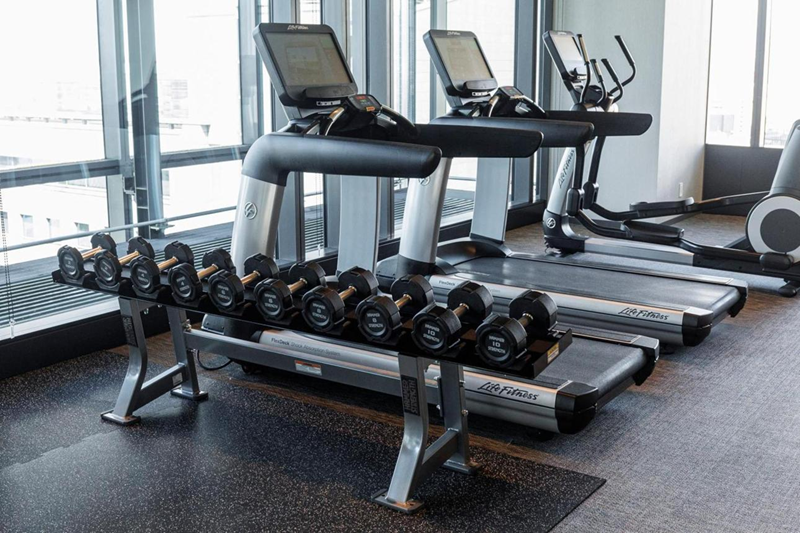
Strength training helps maintain and build muscle mass, which is important during weight management. Although resistance exercises do not specifically burn fat from the stomach, they support healthier body composition.
Useful exercises include:
- Squats and lunges
- Push-ups
- Resistance-band rows
- Dumbbell presses
- Deadlifts
- Planks
Aim for at least two strength-training sessions per week, covering the major muscle groups.
Combining strength training with aerobic exercise provides a balanced programme. Cardio supports energy expenditure, while resistance exercises help preserve muscle during fat loss.
5. Improve Sleep Quality and Duration

Sleep is closely connected to appetite regulation, energy balance, and metabolic health. Regularly sleeping too little can affect hormones involved in hunger and fullness, potentially increasing appetite and making healthy food choices more difficult.
Poor sleep may also contribute to reduced physical activity and irregular eating habits.
To support better sleep:
- Aim for at least seven hours of sleep each night.
- Maintain consistent sleeping and waking times.
- Avoid caffeine late in the day.
- Limit screen exposure before bedtime.
- Keep your bedroom dark, quiet, and comfortable.
Improving sleep alone is unlikely to eliminate visceral fat, but it can make other weight-management strategies easier to maintain.
6. Manage Stress and Limit Alcohol Intake

Long-term stress can affect cortisol levels, appetite, and daily habits. Some people respond to stress by eating more, choosing calorie-dense foods, or becoming less physically active. These behaviours can contribute to excess abdominal fat over time.
Stress management techniques include walking, meditation, deep breathing, and maintaining a regular daily routine.
Alcohol consumption also deserves attention. Alcohol provides calories and can contribute to excess energy intake, particularly when consumed frequently or in large amounts. Reducing alcohol intake may support weight management and improve overall metabolic health.
Neither stress reduction nor avoiding alcohol guarantees visceral fat loss, but both can support a healthier lifestyle.
7. Monitor Waist Circumference and Overall Progress

Body weight alone does not provide a complete picture of abdominal fat distribution. Waist circumference is a practical measurement that can help monitor changes in abdominal size over time.
To measure your waist:
- Stand upright with your abdomen relaxed.
- Place a measuring tape around your waist, midway between the lowest rib and the top of your hip bone.
- Keep the tape horizontal and comfortably snug.
- Measure after breathing out normally.
- Repeat under similar conditions when tracking progress.
Other useful indicators include blood pressure, blood glucose, lipid levels, and changes in physical fitness.
| Progress Indicator | What It Helps Monitor |
|---|---|
| Waist circumference | Changes in abdominal size |
| Body weight | Overall weight trends |
| Blood glucose | Blood sugar regulation |
| Blood pressure | Cardiovascular health |
| Lipid profile | Cholesterol and triglyceride levels |
Waist circumference is not a direct measurement of visceral fat, but it is a useful screening and monitoring tool. Healthcare professionals may recommend additional assessments when necessary.
Can You Lose Visceral Fat Without Losing Weight?
Yes. Changes in visceral fat do not always correspond directly to changes on the scale. Exercise and improvements in dietary habits can change body composition even when total body weight changes only slightly.
For example, someone who combines aerobic exercise with strength training may reduce abdominal fat while maintaining or increasing lean muscle mass.
This is why tracking waist circumference and other health indicators can be more informative than relying exclusively on body weight.
Do Peptides Help Reduce Visceral Fat?

Peptides are short chains of amino acids that perform different functions in the body. Some peptide-based medications influence appetite regulation, blood sugar control, and body weight. However, their effects depend on the specific compound, its approved use, and the individual’s health condition.
It is important to distinguish between clinically approved weight-management medications and peptides marketed for aesthetic or wellness purposes. Not every peptide has reliable clinical evidence supporting fat loss, and no peptide should automatically be considered a treatment for visceral fat.
People interested in learning more about peptides dubai can explore available peptide services and discuss their suitability, potential benefits, and safety with a qualified healthcare professional.
Frequently Asked Questions
What Is the Fastest Way to Reduce Visceral Fat?
Combining a balanced diet with regular aerobic exercise and strength training is an effective approach. Sustainable calorie management and consistent physical activity are more important than short-term diets or intensive workout programmes.
Can Walking Reduce Visceral Fat?
Yes. Regular brisk walking can help reduce visceral fat by increasing energy expenditure and improving metabolic health. Walking for 30 minutes on most days of the week is a practical starting point.
Does Belly Fat Mean You Have High Visceral Fat?
Not necessarily. Visible belly fat can include both visceral and subcutaneous fat. Waist circumference can help assess abdominal fat-related health risks, but imaging methods are needed to measure visceral fat directly.
Can Abdominal Exercises Burn Visceral Fat?
Abdominal exercises strengthen the muscles around the stomach but do not selectively remove visceral fat. For better results, combine core exercises with aerobic activity, resistance training, and balanced nutrition.
How Long Does It Take to Reduce Visceral Fat?
The timeline varies depending on starting body composition, diet, activity level, sleep, and other health factors. Some people may notice changes in waist circumference within several weeks, while meaningful improvements can take several months.
Conclusion
Learning how to reduce visceral fat starts with understanding that abdominal fat management requires consistent lifestyle changes. Reducing added sugar, eating enough protein and fibre, exercising regularly, improving sleep, and managing stress can all support healthier body composition.
Rather than focusing on quick fixes or spot-reduction methods, prioritise sustainable habits and monitor progress through waist measurements and relevant health indicators. These steps can help reduce excess visceral fat and support better long-term metabolic health.


