
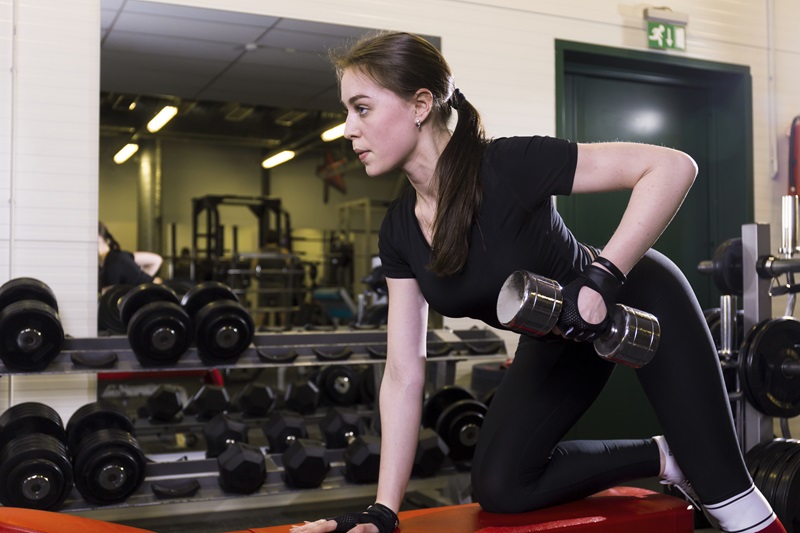
Body recomposition is the process of reducing body fat while building or maintaining muscle mass. Unlike traditional weight-loss programmes, it focuses on improving body composition rather than simply lowering body weight. Achieving this goal requires a combination of resistance training, adequate protein intake, balanced nutrition, and sufficient recovery.
What Is Body Recomposition?

Body recomposition involves changing the proportion of fat and lean tissue in the body. The goal is to reduce excess body fat while increasing or preserving muscle mass.
This approach differs from conventional weight loss, which primarily focuses on reducing total body weight.
| Feature | Traditional Weight Loss | Body Recomposition |
|---|---|---|
| Main goal | Reduce body weight | Reduce fat and build muscle |
| Muscle mass | May decrease during weight loss | Maintained or increased |
| Exercise focus | Often prioritises calorie expenditure | Emphasises resistance training |
| Progress measurement | Changes in body weight | Changes in body composition and strength |
Body recomposition may be particularly achievable for beginners, people returning to exercise after a break, and individuals with higher body fat levels. Experienced resistance trainers can also achieve it, although muscle development generally becomes slower as training experience increases.
How Does Body Recomposition Work?

Body recomposition requires the body to lose stored fat while providing sufficient stimulus and nutrients for muscle development.
These processes involve different physiological mechanisms. Fat loss generally occurs when energy expenditure exceeds calorie intake over time, whereas muscle growth depends on resistance training, adequate protein, and recovery.
Several factors work together to support these changes:
- Resistance training: Stimulates muscle protein synthesis and provides the stimulus for muscle adaptation.
- Adequate protein: Supplies amino acids needed for muscle repair and growth.
- Appropriate calorie intake: Supports gradual fat loss without unnecessarily compromising muscle development.
- Consistent activity: Helps regulate energy expenditure and maintain physical fitness.
- Recovery: Allows muscles to repair and adapt after training.
Body recomposition does not always require a calorie deficit. Beginners and individuals with higher body fat levels may experience improvements in muscle mass and fat levels while consuming approximately their maintenance calories.
What Should You Eat for Body Recomposition?
Nutrition plays an important role in supporting muscle development and reducing body fat. A suitable eating plan should provide enough energy and nutrients to maintain training performance while supporting gradual changes in body composition.
Prioritise Protein Intake

Protein provides amino acids that the body uses to repair damaged muscle fibres and build new muscle tissue.
For many healthy adults who participate in resistance training, approximately 1.6–2.2 grams of protein per kilogram of body weight per day is a useful target.
Good protein sources include:
- Chicken, turkey, and lean beef.
- Eggs and Greek yoghurt.
- Fish and seafood.
- Milk and other dairy products.
- Lentils, beans, and chickpeas.
- Tofu and other soy-based foods.
Distributing protein across several meals can make it easier to meet daily requirements and provide regular opportunities for muscle protein synthesis.
The International Society of Sports Nutrition provides further evidence-based guidance on protein intake and exercise in its position stand on protein and exercise.
Choose Carbohydrates and Healthy Fats
Carbohydrates provide energy for resistance training and help maintain exercise performance. Suitable options include oats, brown rice, potatoes, wholegrain bread, and fruit.
Dietary fats are also necessary for normal hormonal function, nutrient absorption, and overall health. Sources include olive oil, nuts, seeds, avocados, and oily fish.
| Nutrient | Main Function | Food Sources |
|---|---|---|
| Protein | Muscle repair and growth | Eggs, chicken, fish, lentils |
| Carbohydrates | Exercise energy | Oats, rice, potatoes, fruit |
| Healthy fats | Supports normal body functions | Nuts, olive oil, avocado |
Maintain an Appropriate Calorie Intake
A moderate calorie deficit can support fat loss while helping preserve muscle mass. However, an aggressive reduction in calories may compromise training performance, recovery, and muscle development.
The appropriate calorie intake depends on starting body composition, activity levels, training experience, and individual energy requirements.
For people who are new to resistance training, eating around maintenance calories may also support body recomposition without requiring deliberate weight loss.
Which Exercises Are Best for Body Recomposition?
Resistance training is the primary form of exercise for building muscle and preserving lean mass during fat loss. A balanced programme should target all major muscle groups and gradually increase training demands.
Focus on Compound Exercises
Compound exercises involve multiple joints and muscle groups, making them effective for developing overall strength.
| Exercise | Main Muscle Groups | Training Benefit |
|---|---|---|
| Squats | Quadriceps and glutes | Lower-body strength |
| Deadlifts | Hamstrings, glutes, and back | Posterior-chain development |
| Bench Press | Chest, shoulders, and triceps | Upper-body strength |
| Rows | Back and biceps | Back development |
| Overhead Press | Shoulders and triceps | Upper-body strength |
Beginners should start with manageable resistance and focus on correct movement patterns before increasing weights.
Apply Progressive Overload
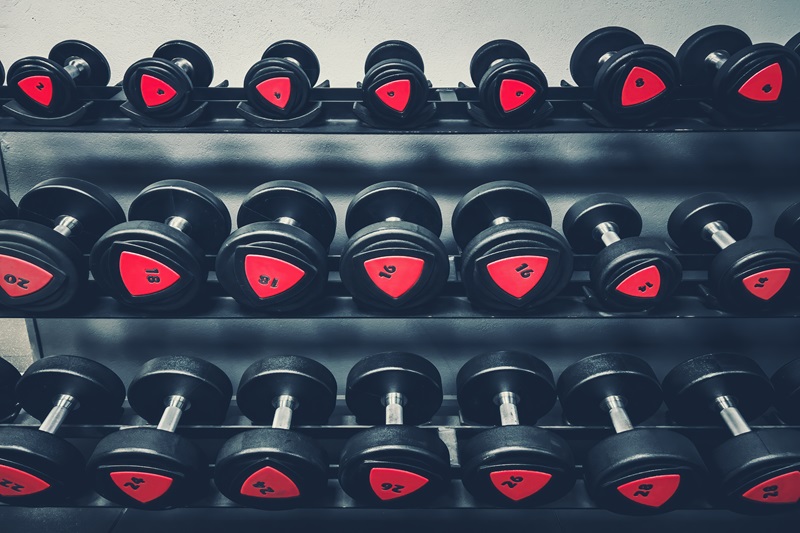
Progressive overload means gradually increasing the demands placed on muscles as physical strength improves.
This can involve:
- Increasing the weight lifted.
- Performing more repetitions.
- Adding sets when appropriate.
- Improving exercise technique and movement control.
Progress should be gradual to allow muscles, joints, and connective tissues to adapt.
Activities such as walking, cycling, and swimming can complement resistance training by supporting cardiovascular health and overall fitness.
Why Are Sleep and Recovery Important for Body Recomposition?
Muscles need time to repair and adapt after resistance training. Insufficient recovery can affect strength development, exercise performance, and consistency.
Several habits can support recovery:
- Aim for 7–9 hours of sleep each night.
- Allow sufficient recovery between demanding training sessions.
- Include rest days in your weekly programme.
- Maintain adequate hydration.
- Avoid increasing training volume too quickly.
Recovery should be treated as part of the training process rather than an optional addition.
Can Peptides Help With Body Recomposition?

Peptides are short chains of amino acids that perform different biological functions. Some naturally occurring peptides participate in processes related to hormone signalling, metabolism, and tissue regulation.
Certain synthetic peptides are marketed for muscle growth, fat reduction, and recovery. However, their effects vary considerably depending on the specific compound, and marketing claims should not be confused with established clinical evidence.
There is currently insufficient high-quality human evidence to recommend many peptide products as effective or safe treatments for body recomposition. Some unapproved compounds may also carry risks, including hormonal disturbances and other adverse effects.
People considering peptide-based treatments should consult a qualified healthcare professional to understand the available evidence, potential risks, and regulatory status of specific products.
For further information about peptide-based treatments and professional guidance, explore peptides dubai.
Peptides should not be considered a substitute for resistance training, adequate nutrition, or recovery. Sustainable changes in body composition depend primarily on consistent lifestyle habits.
How Do You Measure Body Recomposition Progress?
Body weight alone cannot show whether someone has gained muscle while losing fat. Using several measurement methods provides a more complete picture of physical changes.
Consider tracking the following:
- Body measurements: Record waist, hip, and thigh measurements under consistent conditions.
- Progress photographs: Compare photographs taken with similar lighting, clothing, and positioning.
- Strength performance: Track weights, repetitions, and sets to identify improvements in training capacity.
- Body composition assessments: DEXA scans can estimate fat mass and lean mass, although results depend on testing conditions and measurement limitations.
- Clothing fit: Changes in how clothes fit may provide additional information about changes in body shape.
Measurements should be taken periodically rather than daily. Changes in hydration, food intake, and glycogen storage can temporarily affect body weight and body composition estimates.
How Long Does Body Recomposition Take?
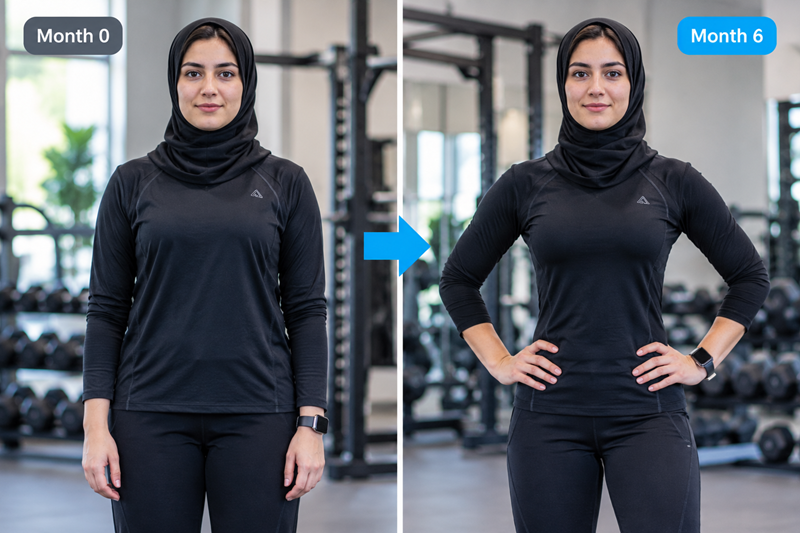
Body recomposition is a gradual process, and the time required depends on individual circumstances.
Beginners may notice improvements in strength and physical performance within the first few weeks. However, visible changes in muscle development and body fat levels generally require several months of consistent effort.
Factors that influence progress include:
- Starting body fat and muscle mass.
- Previous resistance-training experience.
- Daily calorie and protein intake.
- Training frequency and intensity.
- Sleep quality and recovery.
- Age, genetics, and individual physiology.
Rather than expecting rapid changes, focus on maintaining consistent habits and evaluating progress over several months.
Frequently Asked Questions About Body Recomposition
Is Body Recomposition Possible Without a Gym?
Yes. Bodyweight exercises, resistance bands, and dumbbells can provide sufficient resistance, particularly for beginners. The key is to challenge muscles progressively and maintain a consistent exercise routine.
How Many Days a Week Should You Train for Body Recomposition?
Training three to four days per week can be a practical starting point. The ideal frequency depends on training experience, exercise intensity, and recovery capacity. All major muscle groups should receive adequate training stimulus throughout the week.
Is Body Recomposition Better Than Traditional Weight Loss?
Neither approach is universally better. Body recomposition focuses on improving the balance between muscle and fat, while traditional weight loss primarily targets a reduction in total body weight. The appropriate approach depends on individual goals and starting body composition.
Conclusion
Body recomposition focuses on reducing body fat while building or maintaining muscle mass. Achieving this goal requires a combination of resistance training, adequate protein intake, balanced nutrition, and sufficient recovery.
Although progress varies between individuals, consistent training and sustainable dietary habits can improve body composition over time. Focusing on strength, muscle development, and changes in body fat rather than weight alone provides a more complete way to evaluate progress.


