

Gaining weight despite maintaining the same diet and exercise routine can be frustrating. Hormonal changes may be one reason behind these shifts, affecting appetite, metabolism, energy levels, and fat distribution. Understanding how hormones influence body weight can help identify possible causes and determine which management approaches are appropriate.
What Is Hormonal Weight Gain?
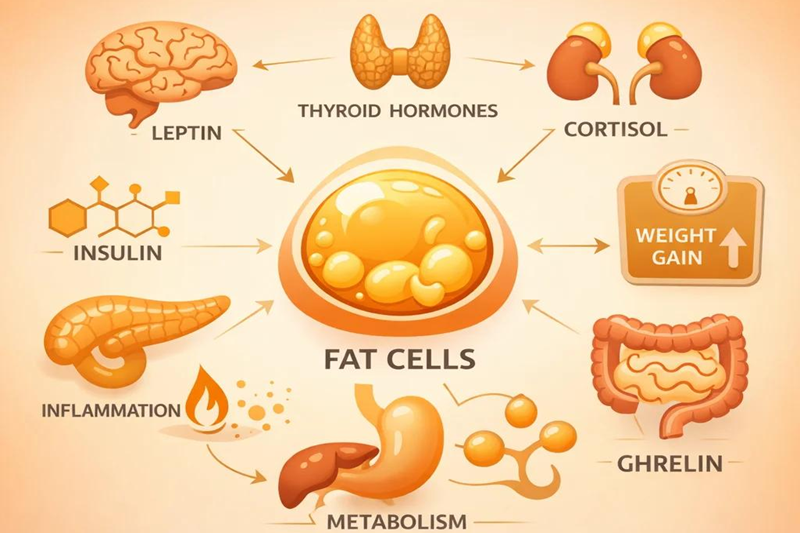
Hormonal weight gain refers to changes in body weight or fat distribution linked to shifts in hormone levels. Hormones influence appetite, metabolism, blood sugar regulation, and how the body stores fat. When these processes change, some people may notice gradual weight gain, even without major changes in their eating habits or physical activity.
Hormonal changes can occur during menopause, aging, thyroid disorders, and certain metabolic conditions. However, weight gain is not always caused by hormones alone. Diet, sleep, stress, medications, and activity levels can also contribute.
How Do Hormones Affect Weight Gain?
Different hormones influence body weight through separate but interconnected mechanisms. Understanding these differences helps explain why hormonal changes can affect people in different ways.
| Hormone | Main function | Possible effect on body weight |
|---|---|---|
| Estrogen | Regulates reproductive functions and fat distribution | Changes in abdominal fat storage |
| Cortisol | Controls the stress response | Increased appetite and abdominal fat accumulation when excessively elevated |
| Insulin | Regulates blood glucose | Changes in energy storage and fat metabolism |
| Thyroid hormones | Control metabolic activity | Reduced energy expenditure when levels are low |
| Leptin | Signals fullness to the brain | Changes in appetite regulation |
These effects are not interchangeable. For example, thyroid hormone deficiency can directly reduce metabolic activity, whereas declining estrogen during menopause is more closely associated with changes in fat distribution.
Cortisol Hormone and Weight Gain
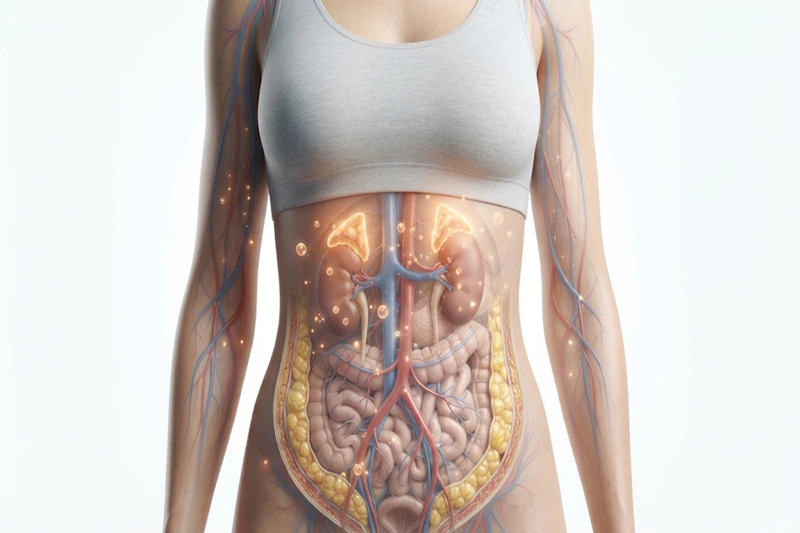
Cortisol is a hormone produced by the adrenal glands that helps the body respond to stress. It also plays a role in blood sugar regulation, metabolism, and energy use. Cortisol levels naturally rise and fall throughout the day, but prolonged stress and disrupted sleep may affect these patterns.
For some people, ongoing stress can contribute to weight gain by increasing appetite, encouraging cravings for high-calorie foods, and disrupting sleep. These factors may make weight management more difficult over time. However, stress does not automatically cause persistently high cortisol levels or weight gain in everyone.
Low Estrogen and Weight Gain
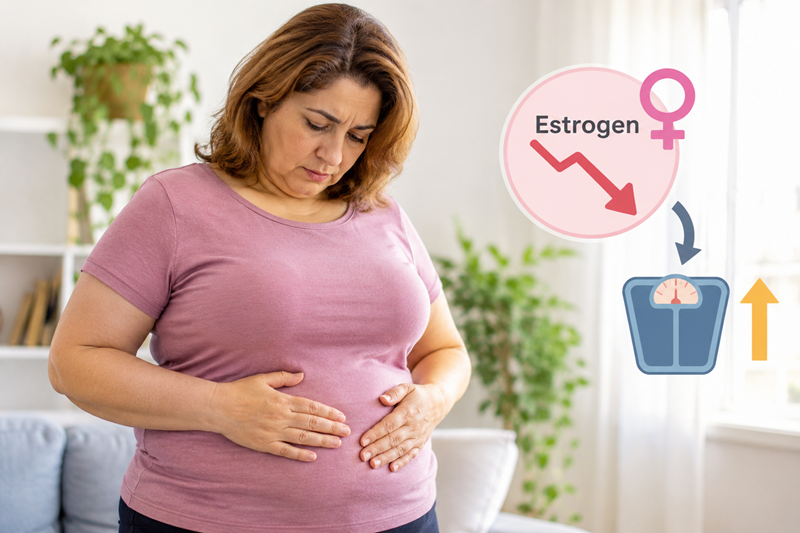
Estrogen influences several processes involved in weight regulation, including fat distribution and metabolic function. During perimenopause and menopause, estrogen levels decline, which can contribute to changes in where the body stores fat.
Some women notice increased abdominal fat during this stage of life. Changes in muscle mass and physical activity may also affect overall energy needs. However, low estrogen is not the only reason for weight gain during menopause. Aging, sleep changes, diet, and other hormonal factors can also play a role.
Hormones and Weight Gain After 50

After the age of 50, several age-related changes can influence body weight. Muscle mass tends to decline with age, which may reduce the number of calories the body uses at rest. Changes in sleep, daily activity, and metabolic health can also make weight management more challenging.
Hormonal changes may add to these effects, particularly during menopause. However, weight gain after 50 is usually influenced by several factors rather than one hormone alone. Understanding these changes can help people choose realistic approaches to maintaining a healthy weight.
Menopause Cortisol Weight Gain
Menopause can affect sleep quality, mood, and stress levels. Hot flashes and night sweats may interrupt sleep, while other menopause-related changes can increase daily stress. These factors may influence cortisol patterns and make appetite and weight management more challenging.
Although cortisol may contribute to these changes, menopause-related weight gain cannot be explained by cortisol alone. Estrogen decline, age-related muscle loss, sleep disruption, and lifestyle factors may all contribute.
How Is Hormonal Weight Gain Diagnosed?
Identifying the cause of unexplained weight changes requires more than looking at body weight alone. A healthcare professional considers symptoms, medical history, medications, physical examination findings, and relevant laboratory results.
Depending on the clinical presentation, an assessment may include:
- Thyroid function tests: TSH and free T4 can help identify an underactive thyroid.
- Blood glucose testing: Fasting glucose or HbA1c can help assess blood sugar regulation.
- Hormonal assessment: Selected hormone tests may be appropriate when symptoms suggest a reproductive or endocrine disorder.
- Cortisol testing: Specific tests may be recommended when clinical findings raise suspicion of Cushing’s syndrome.
Not everyone needs a comprehensive hormone panel. Tests should be selected according to symptoms and medical history because hormone levels naturally fluctuate and isolated results do not always indicate a disorder.
Hormonal Weight Gain Treatment
Hormonal weight gain treatment depends on its underlying cause. There is no single treatment that works for every hormonal imbalance. A healthcare professional may recommend lifestyle changes, medical evaluation, or condition-specific treatment based on symptoms and test results.
Lifestyle Changes and Weight Management

Regular physical activity, balanced meals, and adequate sleep can support weight management. Strength training may help preserve muscle mass, while meals containing protein, fiber, and nutrient-rich foods can support fullness and metabolic health.
Managing stress and maintaining a consistent sleep schedule may also help regulate appetite and daily habits. These changes do not correct every hormonal condition, but they can support overall health and make weight management more manageable.
Medical Treatment Options
When weight gain is linked to an underlying condition, treatment should focus on that cause. For example, a diagnosed thyroid disorder may require thyroid medication, while other conditions may need different medical approaches.
A healthcare professional should determine whether medication or hormone-related treatment is appropriate. Treatment should not be started solely because of unexplained weight gain.
Patients interested in these approaches can learn more about Peptide Therapy in Dubai, including its potential applications and suitability under professional supervision.
Peptide Therapy for Hormonal Balance
Peptides are short chains of amino acids that perform different functions in the body. Some are involved in hormone signaling and metabolic processes, while others are being studied for their potential therapeutic applications.
Peptide-based treatments vary in their purpose, evidence, and regulatory status. They should not be considered a general solution for hormonal weight gain. Their suitability depends on the specific treatment, the individual’s health needs, and medical assessment.
For individuals interested in the relationship between peptides and endocrine function, Paramy Polyclinic also provides information about Peptide Therapy for Hormonal Balance.
Conclusion
Hormonal weight gain can be influenced by changes in estrogen, cortisol, insulin, thyroid function, and other factors. However, weight changes are rarely explained by one hormone alone. Identifying the underlying cause is essential for choosing an appropriate approach. With proper medical assessment and sustainable lifestyle changes, individuals can manage weight-related concerns and support their overall health.
Frequently Asked Questions
H3: Can hormonal imbalance cause weight gain?
Yes. Changes in hormones such as estrogen, cortisol, insulin, and thyroid hormones can affect appetite, metabolism, and fat storage.
H3: How do I know if my weight gain is hormonal?
Unexplained weight changes alongside symptoms such as fatigue, menstrual changes, or temperature sensitivity may warrant medical evaluation. Blood tests may be recommended depending on your symptoms.
H3: Does menopause cause weight gain?
Menopause can contribute to changes in fat distribution and body composition. Aging, reduced muscle mass, sleep disruption, and lifestyle factors may also play a role.
H3: Can hormonal weight gain be reversed?
It depends on the underlying cause. Treating an identified hormonal condition and making sustainable lifestyle changes may help improve weight management.


