
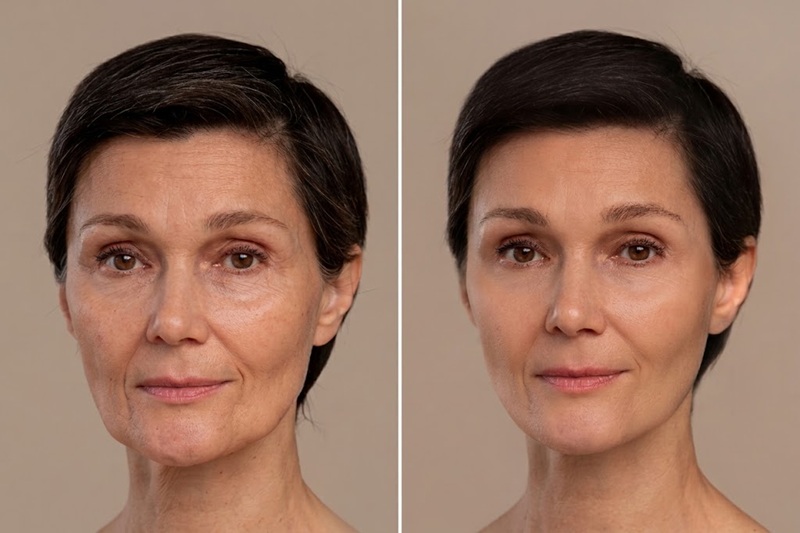
As the face ages, changes such as volume loss, wrinkles, sagging skin, and less defined facial contours can become more noticeable. Two commonly considered options are dermal fillers and facelift surgery.
But when comparing Filler vs Facelift, it is important to understand that these treatments work in very different ways. Dermal fillers add volume and improve specific facial contours, while a facelift is a surgical procedure designed to address more significant sagging and changes in the facial and neck tissues.
So, which option is more suitable depends on the type and degree of facial aging you want to address.
Filler vs Facelift: What Is the Difference?
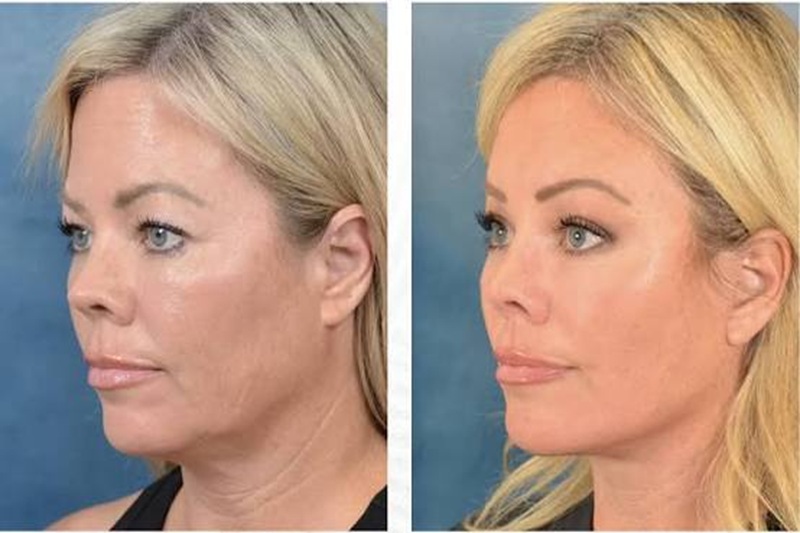
The main difference between dermal fillers and a facelift is how they treat facial aging.
Dermal fillers are injectable treatments that add volume beneath the skin. They can be used to enhance the cheeks, lips, chin, and jawline, restore lost facial fullness, and soften certain lines and folds.
A facelift is a surgical procedure that can reposition facial tissues and remove or address excess skin. It is primarily used for more noticeable sagging, jowls, and loose skin around the lower face and neck.
| Feature | Dermal Fillers | Facelift |
|---|---|---|
| Treatment type | Injectable | Surgical |
| Main purpose | Restore volume and improve contours | Address significant sagging and tissue laxity |
| Incisions | No | Yes |
| Recovery | Usually minimal | Requires a longer recovery period |
| Results | Temporary | Longer-lasting |
| Common concerns | Volume loss, facial contours, lines and folds | Sagging skin, jowls, loose facial and neck tissues |
What Can Dermal Fillers Improve?

Dermal fillers are particularly useful when facial aging is related to loss of volume or definition.
Depending on the product and treatment area, fillers may help:
- Restore cheek volume
- Enhance lip volume and shape
- Define the chin and jawline
- Soften nasolabial folds and marionette lines
- Improve under-eye hollows
- Enhance facial proportions and contours
Fillers can produce visible improvements without surgery, although the duration of the result varies depending on the filler used, treatment area, and individual factors.
If you are considering an injectable treatment, Dermal Fillers in Dubai can be used to restore facial volume and enhance selected facial features without surgical incisions.
What Can a Facelift Improve?

A facelift is intended for facial aging that involves more significant skin and tissue laxity.
It may improve:
- Sagging skin on the face
- Jowls along the jawline
- Loose skin around the lower face
- Certain signs of aging in the neck
- Deep folds associated with facial tissue descent
Unlike fillers, a facelift can address excess skin and reposition underlying facial tissues.
However, a facelift does not stop the natural aging process and is not designed to correct every skin concern, such as superficial wrinkles or sun damage.
Filler vs Facelift: Which Gives Longer-Lasting Results?
When comparing Filler vs Facelift, longevity is an important difference.
Dermal fillers are temporary. Depending on the type of filler and the area treated, results can last from several months to longer, but maintenance treatments may eventually be needed.
A facelift produces longer-lasting structural changes by addressing sagging tissues and excess skin. However, it does not prevent future aging, so the face will continue to change naturally over time.
Which Has Less Downtime: Filler or Facelift?
Dermal fillers are minimally invasive injections and generally involve little recovery time. Temporary swelling, redness, bruising, or tenderness can occur after treatment.
A facelift requires surgery, incisions, and a longer healing period. Recovery varies depending on the surgical technique and the individual, so your surgeon will provide specific aftercare and activity guidelines.
This makes the recovery experience significantly different between the two treatments.
When Are Fillers More Suitable?

Fillers may be considered when your main concerns involve volume loss, facial definition, or specific lines and hollows rather than substantial excess skin.
They may be appropriate if you want to:
- Restore lost facial volume
- Improve cheek or lip fullness
- Define the chin or jawline
- Soften certain facial folds
- Improve facial proportions
- Enhance selected facial features without surgery
However, fillers cannot remove significant excess skin or provide the same lifting effect as facelift surgery.
When Is a Facelift More Suitable?
A facelift may be considered when facial aging is primarily caused by significant sagging and tissue laxity.
Signs that may warrant a surgical consultation include:
- Pronounced jowls
- Significant loose skin
- Sagging along the lower face
- Loose skin around the neck
- Facial changes that cannot be adequately corrected by adding volume
A facelift can address these concerns more extensively because it works with the facial tissues rather than simply adding volume beneath the skin.
Can Fillers and a Facelift Be Combined?

In some treatment plans, fillers and facelift surgery may complement each other.
A facelift primarily addresses sagging and tissue descent, while fillers can restore volume in specific areas. This means that treating facial aging does not always have to involve choosing one procedure exclusively.
Whether combining treatments is appropriate depends on facial anatomy, the degree of aging, previous treatments, and the desired result.
Filler vs Facelift: Which One Is Right for You?
There is no universal answer to Filler vs Facelift because the two treatments address different concerns.
Dermal fillers may be considered when you want to:
- Restore lost volume
- Improve facial contours
- Enhance specific features
- Soften certain lines and folds
- Avoid surgery and extensive downtime
A facelift may be considered when you want to address:
- Significant facial sagging
- Jowls
- Loose skin
- Lower-face and neck laxity
- More advanced tissue changes
The most appropriate option depends on your facial structure, skin laxity, volume loss, treatment goals, and overall health. A consultation with a qualified medical professional can help determine which approach is appropriate for your individual concerns.
Final Thoughts
The key difference in Filler vs Facelift is what each treatment is designed to change. Dermal fillers restore volume and improve facial contours through injections, while a facelift surgically addresses more significant sagging, loose skin, and tissue descent.
If your main concern is volume loss or facial definition, fillers may be considered. If significant sagging and excess skin are the primary concerns, a facelift may be discussed.
The right choice should be based on an individual assessment rather than age alone or comparison photos.
FAQs
Can fillers replace a facelift?
No. Fillers can restore volume and improve facial contours, but they cannot remove significant excess skin or provide the same correction as facelift surgery.
Is a facelift more invasive than dermal fillers?
Yes. A facelift is a surgical procedure involving incisions and a recovery period, while dermal fillers are minimally invasive injections that generally require little downtime.
How long do dermal fillers last?
The duration varies depending on the type of filler, treatment area, and individual factors. Many fillers provide temporary results and may require maintenance treatments.
Can you have fillers after a facelift?
In some cases, fillers may be used as a complementary treatment to restore volume after or alongside facial rejuvenation surgery. The timing and suitability should be determined by the treating medical professional.
meta
Wondering whether filler or a facelift is right for you? Compare results, longevity, downtime, and the concerns each treatment can address.


