

Skin bio-remodeling injectables have transformed the way clinicians approach hydration, elasticity, and tissue quality — without relying on traditional volumizing dermal fillers. Among the most requested treatments in this category are classic Profhilo and its newer counterpart, Profhilo Structura. While both products share a common hyaluronic acid foundation and injection philosophy, they are formulated for different purposes, and choosing the wrong one can mean underwhelming — or mismatched — results.
This guide compares profhilo structura vs profhilo in detail, covering their composition, ideal candidates, treatment areas, and how an experienced injector decides which product is right for a given patient.
What Is Profhilo?
Profhilo is an injectable hyaluronic acid (HA) treatment classified as a bio-remodeling agent rather than a traditional dermal filler. Unlike fillers, which are cross-linked to add structural volume, Profhilo uses a patented thermal cross-linking process called NAHYCO Hybrid Technology, combining high and low molecular weight HA in a stabilized, non-cross-linked (or minimally cross-linked) hybrid complex.
Once injected, Profhilo spreads evenly beneath the skin, stimulating four types of collagen and elastin production while delivering deep hydration. The result is a visible improvement in skin laxity, texture, tone, and radiance — commonly described as giving the skin a “glass skin” or lit-from-within appearance.
Key characteristics of Profhilo:
- Designed primarily for skin quality improvement, hydration, and mild tightening
- Typically administered using the BAP (Bio Aesthetic Points) technique — five injection points per side of the face
- Most commonly used on the face, neck, décolletage, and hands
- Results build gradually over a two-session course, spaced about four weeks apart
What Is Profhilo Structura?

Profhilo Structura is a newer formulation from the same manufacturer, developed specifically to address a gap in the bio-remodeling category: patients who need more structural support and volume restoration in areas with significant tissue laxity, but who still want the natural, tissue-integrating quality of a bio-remodeling product rather than a traditional dermal filler.
Structura has a higher HA concentration and different rheological properties compared to original Profhilo, giving it more lifting and structural capacity while retaining the hybrid technology’s regenerative benefits. It is generally used in deeper facial areas that require both remodeling and a degree of contouring — such as the jawline, cheeks, and temples.
Key characteristics of Profhilo Structura:
- Higher viscosity and greater structural support than classic Profhilo
- Ideal for areas with moderate to significant volume loss or skin laxity
- Often used to redefine facial contours (jawline, cheek support, temple hollowing) while still improving skin quality
- Can be used alone or combined with classic Profhilo for a layered bio-remodeling and structural approach
Profhilo Structura vs Profhilo: Key Differences
| Feature | Profhilo | Profhilo Structura |
|---|---|---|
| Primary purpose | Skin hydration, tone, and mild tightening | Structural support plus skin remodeling |
| HA concentration/viscosity | Lower viscosity, spreads widely | Higher viscosity, more cohesive |
| Best treatment areas | Face, neck, décolletage, hands | Jawline, cheeks, temples, areas needing contour |
| Ideal candidate | Early signs of aging, dehydrated or crepey skin | Moderate to advanced volume loss, sagging, or contour loss |
| Injection technique | BAP technique, superficial/subdermal | Deeper placement, sometimes combined with structural fanning |
| Downtime | Minimal, small bumps resolve within hours | Minimal, slightly more swelling possible due to depth |
How a Doctor Decides Between Profhilo and Profhilo Structura
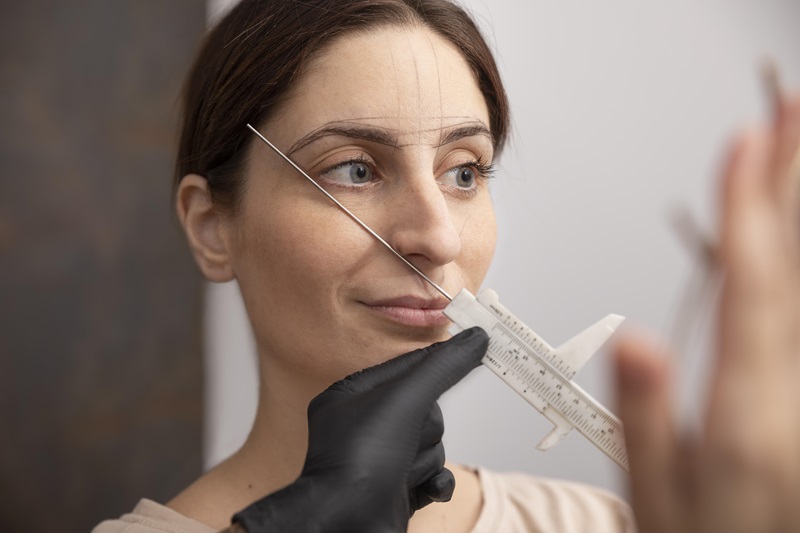
When evaluating profhilo structura vs profhilo, an experienced injector considers several clinical factors before recommending a treatment plan:
1. Skin Laxity and Volume Loss Severity
Patients in their late 20s to mid-30s with early signs of dehydration, dullness, or fine lines are typically excellent candidates for classic Profhilo. Patients in their 40s and beyond, especially those with visible jowling, cheek flattening, or temple hollowing, often benefit more from Profhilo Structura’s added structural component.
2. Treatment Goals
If the primary goal is improved skin texture, glow, and hydration, Profhilo is usually sufficient. If the patient is also concerned about facial contour, definition, or mild sagging but wants to avoid the more dramatic, sculpted look of traditional dermal fillers, Structura is the more appropriate choice.
3. Treatment Area
Certain areas of the face and body respond better to one formulation over the other. The neck, décolletage, and back of the hands — where skin is thin and requires broad, even hydration — are classic Profhilo territory. The jawline, cheekbones, and temples, which require more structural lift, tend to respond better to Structura.
4. Combination Approach
Many practitioners don’t view this as an either/or decision. A layered approach — using Profhilo Structura in deeper structural zones and classic Profhilo in areas requiring pure hydration and remodeling — can deliver comprehensive rejuvenation that addresses both skin quality and facial architecture in a single treatment plan.
What to Expect During Treatment
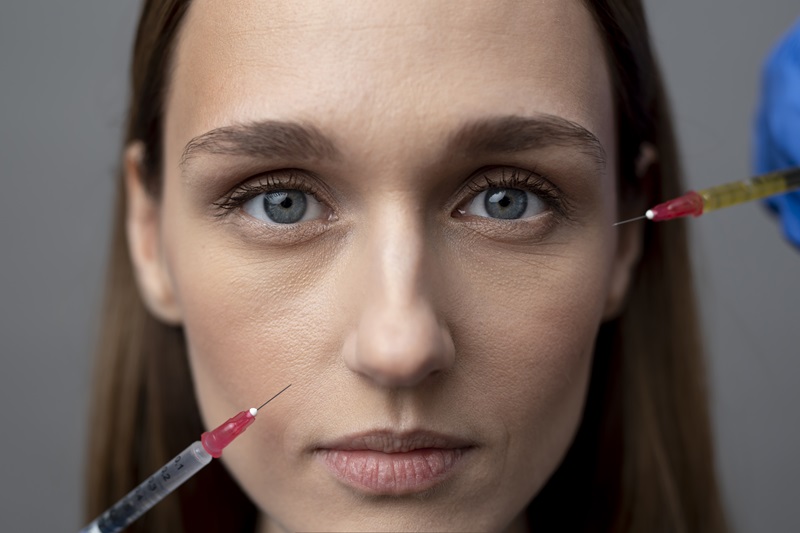
Both treatments follow a similar general process:
- A topical numbing cream may be applied, though most patients tolerate the injections well without it
- Product is injected using the standard BAP technique (five points per side for classic Profhilo) or slightly adjusted deeper points for Structura
- Small raised bumps appear immediately after injection but typically flatten within 24–48 hours as the product disperses
- A course of two sessions, four weeks apart, is standard for both treatments, followed by maintenance sessions every 6–9 months
Results Timeline
- Weeks 1–2: Initial hydration improvement and subtle glow begin to appear
- Weeks 3–4: Collagen and elastin stimulation becomes more noticeable; skin texture continues improving
- After the second session: Full results typically peak around 8 weeks post-treatment, with visible improvements in skin firmness, tone, and (for Structura) contour support
Safety and Side Effects
Both Profhilo and Profhilo Structura are generally well-tolerated, with side effects limited to:
- Mild redness or swelling at injection points
- Small, temporary bumps that resolve within a day or two
- Rare bruising, particularly in vascular areas like the temples
Because both products are hyaluronic acid–based, they carry a low risk of allergic reaction and can be dissolved with hyaluronidase if necessary, though this is rarely required given their gentle, tissue-integrating nature.
Who Should Avoid These Treatments?
Neither Profhilo nor Profhilo Structura is recommended for patients who are pregnant or breastfeeding, have active skin infections in the treatment area, have a known hyaluronic acid allergy, or have certain autoimmune conditions. A thorough consultation with a licensed medical injector is essential to confirm candidacy.
Frequently Asked Questions
Can I have Profhilo and Profhilo Structura in the same session?
Yes. Many clinicians combine both products in a single treatment plan — using Structura in areas needing structural support and classic Profhilo elsewhere for broader skin quality improvement.
Which lasts longer, Profhilo or Profhilo Structura?
Both typically last around 6–9 months, though individual results vary based on metabolism, skin condition, and lifestyle factors like sun exposure.
Is Profhilo Structura a substitute for dermal fillers?
Not exactly. While Structura offers more structural support than classic Profhilo, it is still primarily a bio-remodeling treatment. Patients seeking significant volumizing or deep collagen biostimulation may also look into PLLA treatments — see our comparison of Profhilo vs Sculptra for insights on regenerative volume restoration.
Does Profhilo Structura hurt more than Profhilo?
Discomfort levels are similar for both, though Structura’s deeper injection points may cause slightly more pressure sensation during treatment.
Conclusion
When comparing profhilo structura vs profhilo, the decision ultimately comes down to your specific skin concerns, the treatment area, and your aesthetic goals. Classic Profhilo remains the gold standard for hydration, glow, and early-stage skin laxity, while Profhilo Structura offers an elevated option for patients needing structural support alongside regenerative benefits. Consulting with a qualified medical injector who can assess your skin quality, facial anatomy, and long-term goals is the best way to determine which treatment — or combination of both — will deliver the most natural and effective results.


