
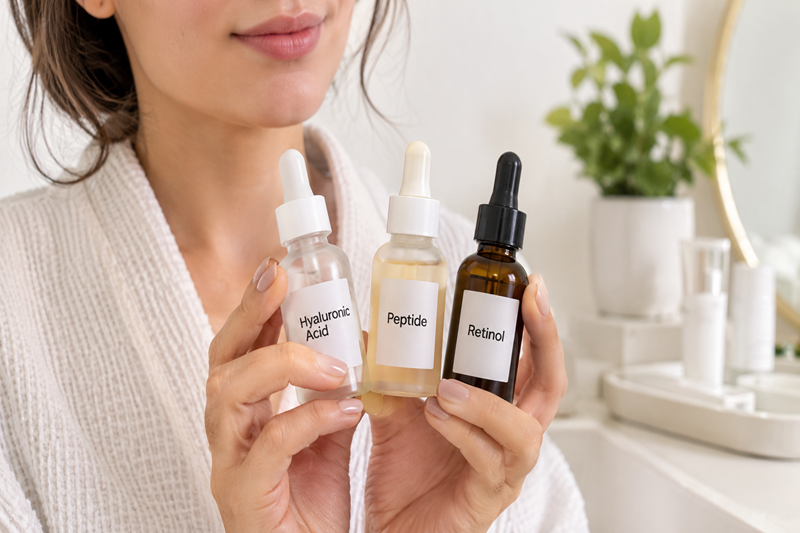
Yes, you can generally use peptides and retinol together. These ingredients work differently but can complement each other in an anti-aging skincare routine. Retinol helps improve skin texture and fine lines, while certain peptides support skin firmness and hydration. The key is choosing compatible formulas and introducing retinol gradually to avoid irritation.
Can You Use Peptides and Retinol Together?
Peptides and retinol are not generally considered incompatible, so most people can include both in their skincare routine. They do not need to be avoided simply because they are used together.
Retinol is a vitamin A derivative that supports skin cell turnover and collagen-related processes. Peptides are short chains of amino acids that can act as signaling molecules involved in maintaining skin structure.
Although their functions are different, combining them may help address multiple signs of skin aging. However, research directly examining the benefits of using both ingredients together is limited. Their effectiveness depends on the specific ingredients, concentrations, and product formulations.
What Do Peptides and Retinol Do for Your Skin?
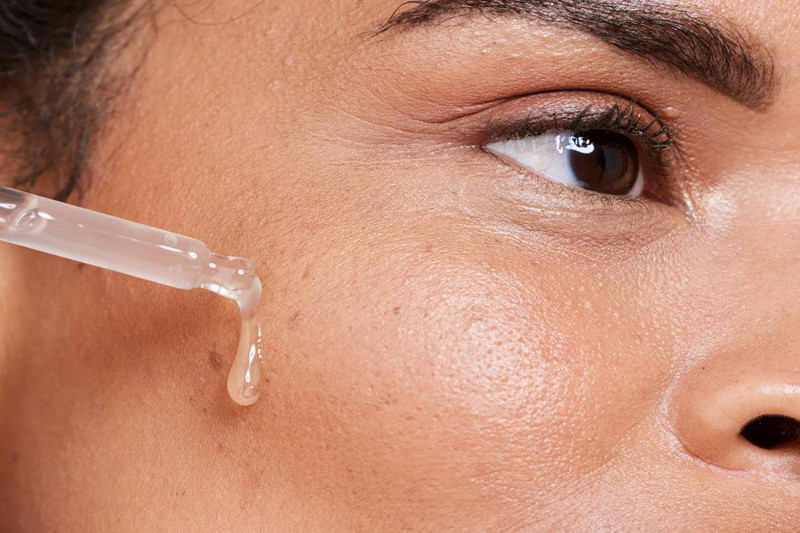
Understanding how each ingredient works helps explain its role in an anti-aging routine.
What Are Peptides?
Peptides are short chains of amino acids, the building blocks of proteins such as collagen and elastin. In skincare, different types of peptides are used to target specific concerns.
The main categories include:
- Signal peptides: May support processes involved in collagen and elastin production.
- Carrier peptides: Transport trace elements, such as copper, involved in skin-related biological processes.
- Neurotransmitter-inhibiting peptides: Are formulated to reduce the appearance of certain expression lines.
- Enzyme-inhibiting peptides: May help limit the activity of enzymes involved in breaking down skin-supporting proteins.
Their effects vary depending on their structure and formulation.
For a closer look at their skincare applications, explore our guide to peptides in skincare.
What Is Retinol?
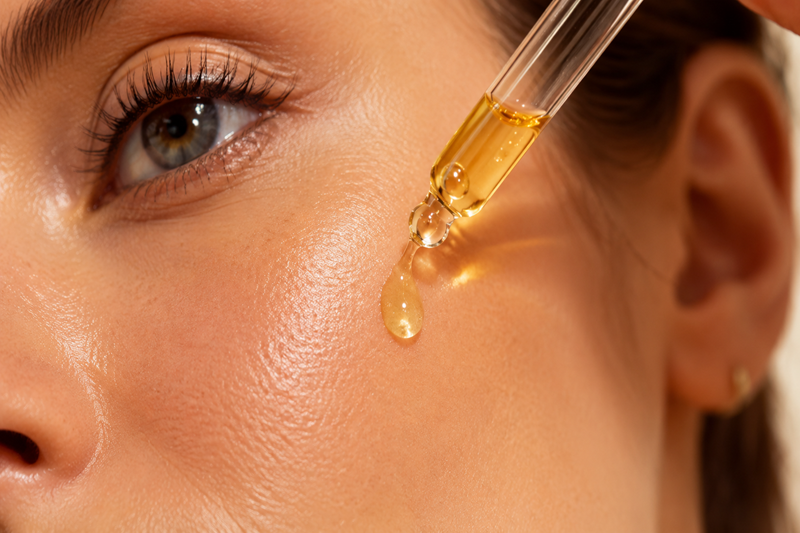
Retinol is a vitamin A derivative belonging to the retinoid family. It is widely used in skincare because it supports skin cell turnover and influences collagen-related processes.
Its main benefits include:
- Improving the appearance of fine lines and wrinkles.
- Smoothing uneven skin texture.
- Reducing the appearance of certain dark spots.
- Helping prevent clogged pores.
- Improving visible signs of photoaging.
Retinol can also cause dryness, redness, and peeling, particularly when introduced too quickly.
Retinol and Peptides Together Benefits
Using both ingredients may offer complementary benefits because they target different aspects of skin aging.
Supporting Skin Firmness
Retinol influences collagen-related processes, while certain signal peptides are formulated to support the skin’s structural components. Together, they may help address visible changes in skin firmness.
Improving Fine Lines and Wrinkles
Retinol has established benefits for improving the appearance of fine wrinkles associated with photoaging. Certain peptides are also used in products targeting expression lines. Their combined use may address different types of visible wrinkles, although greater effectiveness from the combination has not been conclusively demonstrated.
Improving Skin Texture and Hydration
Retinol helps improve uneven skin texture, while peptide products often contain additional moisturizing ingredients such as hyaluronic acid, glycerin, and ceramides. These ingredients can help maintain hydration and improve skin comfort during retinol use.
How to Use Peptides and Retinol Together
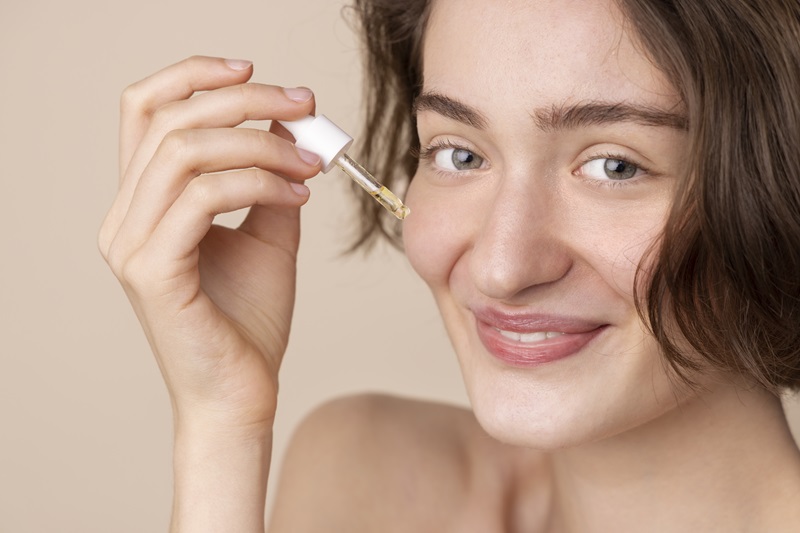
You can use both ingredients in the same routine or separate them between morning and evening. The best approach depends on your skin’s sensitivity and product formulations.
Which Product Should You Apply First?
If you are using a lightweight peptide serum and a separate retinol treatment, follow this general order:
- Cleanse your face with a gentle cleanser.
- Apply your peptide serum.
- Apply retinol according to the product instructions.
- Finish with a moisturizer.
Some retinol products are designed for application directly onto clean, dry skin. In that case, follow the manufacturer’s directions rather than changing the application order.
Morning vs. Night Application
Peptides can generally be used in the morning or evening, while retinol is commonly included in nighttime routines.
| Morning | Evening |
|---|---|
| Gentle cleanser | Gentle cleanser |
| Peptide serum | Peptide serum (optional) |
| Moisturizer | Retinol |
| Broad-spectrum SPF 30+ | Moisturizer |
You do not need to use peptides twice daily. Choose a frequency that suits your skin and the product instructions.
Source: American Academy of Dermatology (AAD) – Retinoid or Retinol.
Can You Use Copper Peptides With Retinol?
Yes, copper peptides and retinol are not universally considered incompatible. Copper Tripeptide-1, also known as GHK-Cu, is a cosmetic peptide used in products targeting skin firmness and visible signs of aging.
However, direct clinical research on combining copper peptides with retinol is limited. There is insufficient evidence to establish whether applying them simultaneously affects their individual performance.
If you prefer a cautious approach, use copper peptides in the morning and retinol at night. This also makes it easier to monitor your skin’s response when introducing new products.
Peptides and Retinol Products: 5 Options Worth Considering
Some skincare products combine peptides and retinoids in one formula, while others focus on one ingredient and can be paired with a separate product.
Here are five options to consider:
1. Fleur & Bee ‘A’ Game Retinol Serum
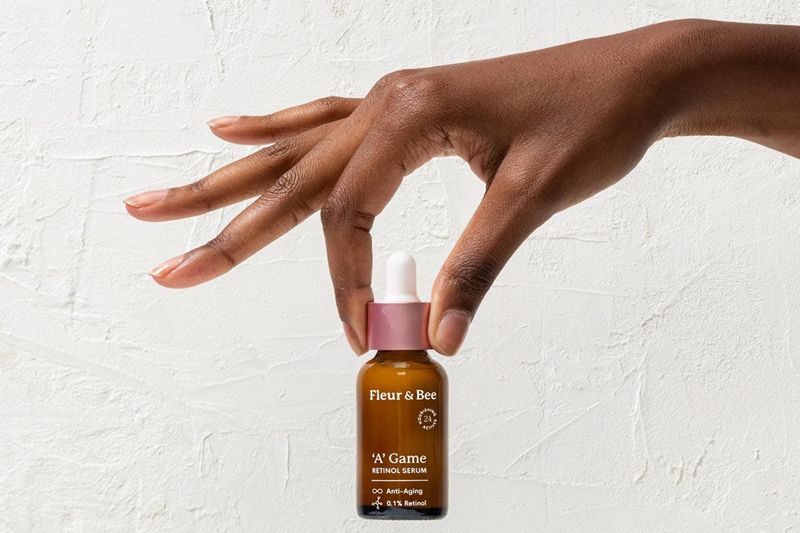
This serum combines 0.1% retinol with peptides, including Palmitoyl Tripeptide-1, Palmitoyl Tripeptide-5, and Palmitoyl Tetrapeptide-7. Its formula also includes niacinamide and squalane.
2. SOME BY MI Retinol Intense Reactivating Serum
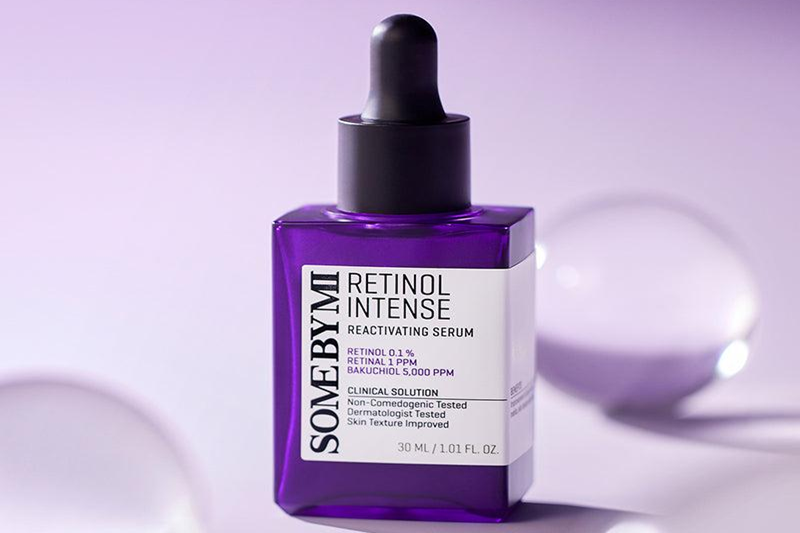
This Korean serum contains retinol, retinal, and bakuchiol, alongside Soybean Peptide and Palmitoyl Tripeptide-1. It also includes panthenol and ceramide NP.
3. The Derma Co Skin Renew Peptide Retinol Serum-Cream
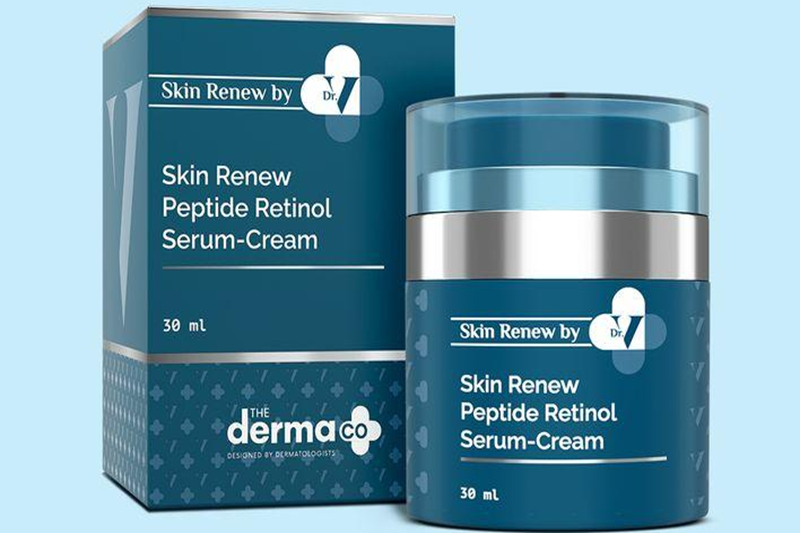
This serum-cream combines retinol and retinaldehyde with Palmitoyl Tripeptide-1 and Palmitoyl Tetrapeptide-7. It also contains alpha-arbutin and moisturizing ingredients.
4. Nu Skin ageLOC Tru Face Peptide Retinol Complex
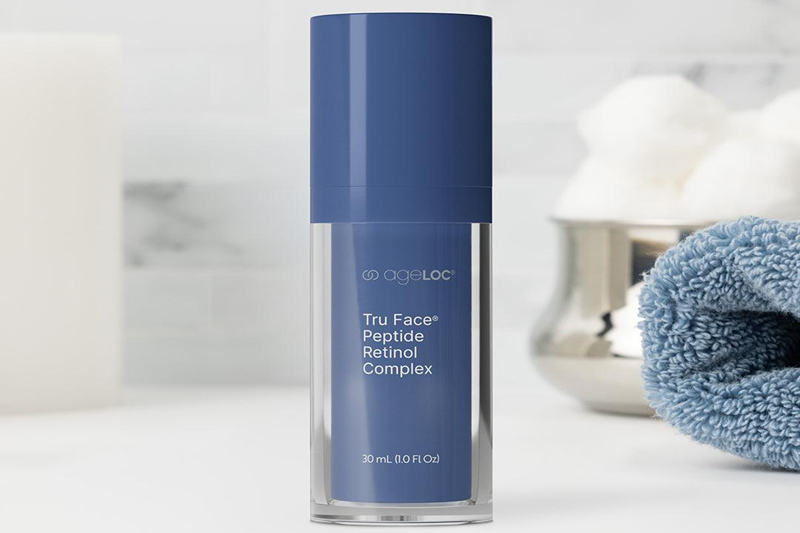
This product combines a retinol complex with peptides in one formula. It is designed to target visible signs of aging, including fine lines and uneven skin texture.
5. être belle Time Control Retinol Peptide Repair 0.3 Night Cream
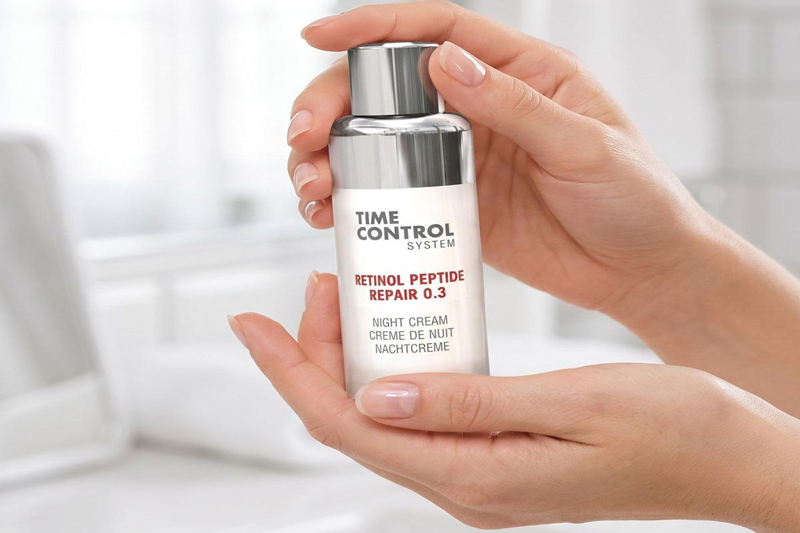
This nighttime cream combines retinol with Palmitoyl Tripeptide-1 and Palmitoyl Tetrapeptide-7. Its formula also contains panthenol, shea butter, and sodium hyaluronate.
Note: Product formulations can change, so check the latest ingredient list before purchasing. These products may differ in retinoid strength and suitability for individual skin types.
Who Should Avoid Using Peptides and Retinol Together?
Although peptides are generally well tolerated, retinol requires additional caution in certain situations.
- Sensitive skin: People prone to redness and irritation may need to introduce retinol slowly or avoid it.
- Damaged skin barrier: Wait until excessive dryness, peeling, or inflammation has resolved before using retinol.
- Eczema or rosacea: Consult a dermatologist before introducing retinoids.
- Pregnancy: Avoid topical retinoids, including retinol, during pregnancy.
Common Mistakes to Avoid
| Mistake | Better approach |
|---|---|
| Starting retinol every night | Begin with one or two nights per week. |
| Introducing several active ingredients together | Add one new product at a time. |
| Skipping moisturizer | Use a suitable moisturizer to maintain hydration. |
| Forgetting sunscreen | Apply broad-spectrum SPF 30 or higher every morning. |
| Applying retinol to irritated skin | Pause use until your skin recovers. |
Frequently Asked Questions
Can you use peptides and retinol together every night?
Yes, if your skin tolerates both ingredients and the product instructions allow daily use. Beginners should introduce retinol gradually.
Should I use peptides before or after retinol?
A lightweight peptide serum can generally be applied before retinol. However, follow the instructions of products designed for direct application to clean, dry skin.
Do peptides reduce retinol irritation?
Some peptide products contain moisturizing ingredients that may improve skin comfort. However, there is insufficient evidence that peptides themselves prevent retinol-related irritation.
Can I use copper peptides and retinol at the same time?
They are not universally considered incompatible, but research on their combined use is limited. Using copper peptides in the morning and retinol at night is a cautious option.
Is retinol or peptides better for wrinkles?
Retinol has stronger clinical evidence for improving visible signs of photoaging and fine wrinkles. Certain peptides may also improve the appearance of wrinkles, depending on their formulation.
How long does it take to see results from peptides and retinol?
Retinol-related improvements generally develop over several weeks to months. Results from peptide products vary depending on their ingredients, formulation, and consistent use.
Final Thoughts
Peptides and retinol can complement each other in an anti-aging skincare routine. Retinol helps improve skin texture and visible signs of photoaging, while certain peptides support formulations targeting skin firmness and overall appearance.
Choose products suited to your skin, introduce retinol gradually, and maintain hydration and daily sun protection for a balanced routine.


