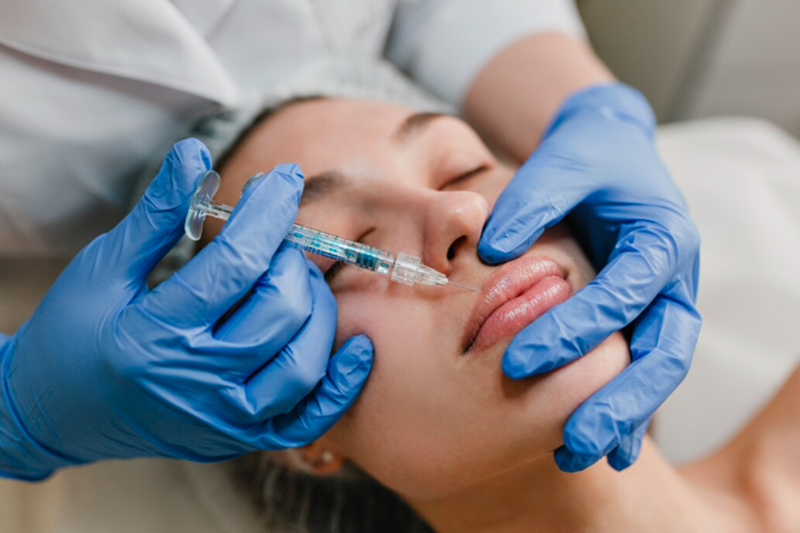


Choosing the right facial enhancement treatment is no longer just about following beauty trends—it’s about creating facial harmony while preserving your natural features. One of the most common questions patients ask aesthetic practitioners is lip filler vs cheek filler: which treatment delivers the best results for their unique face shape?
While both procedures use hyaluronic acid-based dermal fillers in most cases, they serve completely different purposes. Lip fillers primarily improve lip volume, shape, and definition, whereas cheek fillers restore facial structure, contour, and youthful proportions. Understanding the differences can help you make an informed decision before undergoing treatment.
Many people begin their research with a filler suitability test to determine which treatment aligns best with their facial anatomy and cosmetic goals.
Understanding Facial Fillers
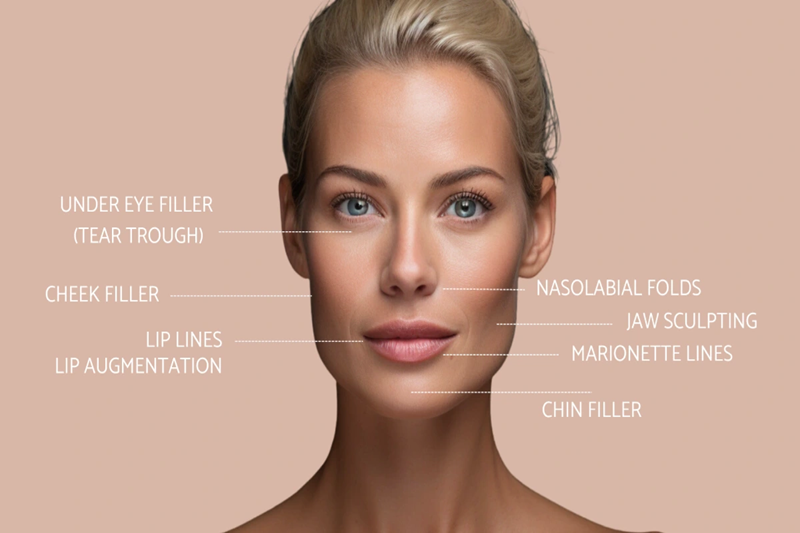
Facial fillers are injectable treatments designed to restore lost volume, improve facial contours, and reduce visible signs of aging without surgery.
Modern fillers are commonly made from:
- Hyaluronic acid (HA)
- Calcium hydroxylapatite
- Poly-L-lactic acid
- Other FDA-approved biocompatible materials
Results are typically immediate, with minimal downtime, making fillers one of today’s most popular aesthetic procedures.
What Are Lip Fillers?
Lip fillers focus specifically on enhancing the lips by adding volume, improving symmetry, and defining the lip borders.
Common goals include:
- Fuller lips
- Better lip symmetry
- Enhanced Cupid’s bow
- Improved hydration
- Correction of age-related volume loss
Lip fillers can produce either subtle or dramatic results depending on patient preferences and the injector’s technique.
What Are Cheek Fillers?
Cheek fillers restore volume to the mid-face while enhancing facial contours.
As collagen decreases with age, cheeks gradually lose fullness, causing the face to appear tired or sunken.
Cheek filler treatment can:
- Restore youthful volume
- Improve facial proportions
- Lift the mid-face
- Enhance cheekbone definition
- Support surrounding facial tissues
Unlike lip fillers, cheek fillers often create an indirect lifting effect across the lower face.
Lip Filler vs Cheek Filler: Key Differences
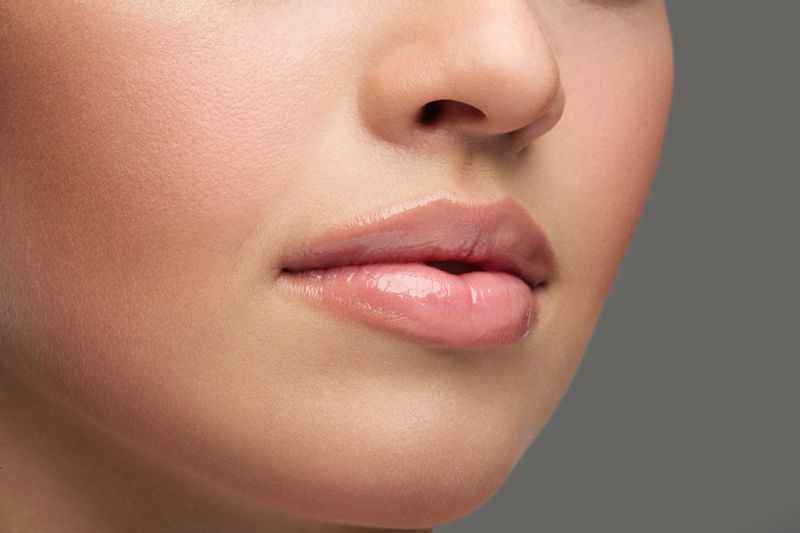
Understanding lip filler vs cheek filler becomes much easier when comparing their primary objectives.
| Feature | Lip Filler | Cheek Filler |
|---|---|---|
| Primary Goal | Lip enhancement | Facial contouring |
| Treatment Area | Lips | Mid-face |
| Main Benefit | Volume & definition | Structure & lift |
| Typical Filler Density | Soft | Firmer |
| Effect on Face | Enhances lips | Improves overall balance |
Although both use injectable fillers, the treatment plans and injection techniques differ significantly.
Which Face Shape Benefits Most from Lip Fillers?
Lip fillers may be ideal for individuals with:
Heart-shaped faces
Balanced lips enhance natural facial proportions.
Oval faces
Lip enhancement often complements already symmetrical facial features.
Long faces
Adding subtle lip volume can create better facial balance.
Patients interested in lip enhancement Dubai frequently seek natural-looking improvements that complement rather than overpower their facial features.
Which Face Shape Benefits Most from Cheek Fillers?
Cheek fillers are particularly effective for:
Round faces
Strategic cheek projection creates more facial definition.
Square faces
Adding volume to the upper face softens strong jawlines.
Aging faces
Loss of mid-face volume is one of the earliest signs of facial aging.
For patients considering cheek augmentation Dubai, treatment plans are typically customized according to facial proportions rather than age alone.
How Your Age Influences the Right Choice
Age plays a significant role in determining the most appropriate treatment.
Younger patients (20s–30s)
Often seek:
- Better lip shape
- Facial balancing
- Subtle contour enhancement
Mature patients (40+)
Usually require:
- Mid-face volume restoration
- Lifted appearance
- Correction of volume loss
In many cases, cheek fillers provide a more rejuvenating effect than lip fillers alone.
Can You Combine Lip and Cheek Fillers?
Absolutely.
Many aesthetic specialists recommend combining treatments for optimal facial harmony.
Benefits include:
- Better facial balance
- More youthful proportions
- Improved profile
- Natural-looking enhancement
Combination treatments should always follow a personalized assessment.
Facial Balance Matters More Than Volume

One common misconception is that larger lips automatically create a more attractive appearance.
In reality, facial attractiveness depends on proportion.
This is why many aesthetic practitioners perform a face filler comparison before recommending treatment. Rather than focusing on one area, they evaluate the relationship between the lips, cheeks, chin, jawline, and overall facial symmetry.
What Happens During the Consultation?
A professional consultation usually includes:
- Facial analysis
- Medical history review
- Photography
- Skin assessment
- Discussion of goals
- Treatment planning
Many clinics also use digital imaging to simulate expected outcomes.
Choosing the Right Practitioner
Results depend as much on the injector as on the filler itself.
Look for professionals who:
- Have advanced anatomical knowledge
- Use FDA-approved products
- Prioritize natural results
- Provide personalized treatment plans
- Explain risks and benefits clearly
Experienced specialists offering facial fillers Dubai typically focus on enhancing facial harmony rather than simply adding volume.
Recovery After Treatment
Recovery is generally quick.
Common temporary side effects include:
- Mild swelling
- Bruising
- Tenderness
- Redness
These symptoms usually resolve within several days.
Patients should avoid:
- Intense exercise for 24 hours
- Alcohol immediately after treatment
- Excessive heat exposure
- Pressure on the treated areas
Potential Risks
Although dermal fillers are generally safe when performed correctly, possible complications include:
- Infection
- Asymmetry
- Lumps
- Vascular occlusion (rare)
- Allergic reactions
Choosing an experienced injector significantly reduces these risks.
Is One Treatment Better Than the Other?
There is no universal answer.
The right treatment depends on:
- Face shape
- Age
- Skin quality
- Bone structure
- Personal goals
- Existing facial volume
Patients considering dermal filler Dubai treatments often achieve the most satisfying outcomes through individualized treatment plans rather than following cosmetic trends.
Frequently Asked Questions (FAQ)
Which lasts longer: lip filler or cheek filler?
Cheek fillers often last longer because denser filler products are typically used. Results generally range from 12–24 months, while lip fillers usually last 6–12 months.
Are cheek fillers more painful than lip fillers?
Most patients report that lip fillers are slightly more uncomfortable due to the sensitivity of the lips. Topical anesthetics and lidocaine-containing fillers help minimize discomfort.
Can I get both treatments during the same appointment?
Yes. Many qualified practitioners safely perform both procedures during a single session after a comprehensive facial assessment.
Will fillers make my face look unnatural?
Not when performed conservatively by an experienced injector. Modern aesthetic practice focuses on restoring balance rather than creating excessive volume.
How do I know which filler is right for me?
The best approach is to undergo a professional facial analysis. Factors such as facial proportions, age, skin quality, and cosmetic goals all influence the ideal treatment plan.
Conclusion
Understanding lip filler vs cheek filler is the first step toward making an informed aesthetic decision. While lip fillers enhance volume and definition, cheek fillers restore facial structure and create a subtle lifting effect. Neither option is inherently better—the ideal choice depends on your facial anatomy, age, and desired outcome. A personalized consultation with an experienced aesthetic practitioner remains the best way to determine which treatment, or combination of treatments, will achieve balanced, natural-looking results that complement your unique face shape.