
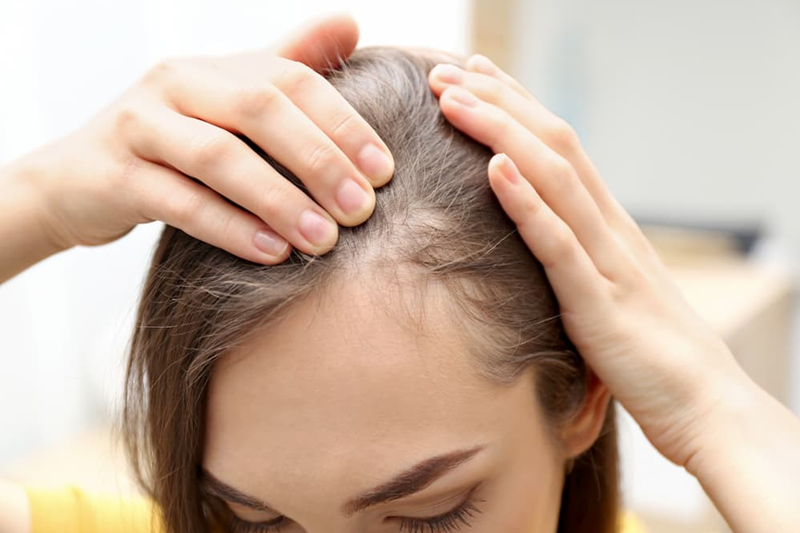
Hair loss affects millions of men and women worldwide and can negatively impact self-confidence and quality of life.
Advances in regenerative medicine have introduced non-surgical treatments that focus on stimulating natural hair growth instead of simply hiding hair loss.
Among the most popular options are Platelet-Rich Plasma (PRP) and Platelet-Rich Fibrin (PRF). Both treatments use the patient’s own blood components to deliver growth factors and regenerative proteins to the scalp.
Understanding PRF vs PRP hair loss treatment helps patients choose the right approach based on their hair loss pattern, treatment goals, and follicle condition.
One newer approach gaining attention is platelet rich fibrin hair treatment, which may provide a slower and more sustained release of growth factors compared with traditional PRP.
Understanding Hair Loss
Hair loss can occur due to different factors, including genetics, hormonal changes, aging, stress, nutritional deficiencies, medical conditions, and certain medications.
Common causes include:
- Genetic factors
- Hormonal changes
- Aging
- Nutritional deficiencies
- Stress
- Autoimmune conditions
- Scalp health issues
The most common types of hair loss are:
- Androgenetic alopecia (male and female pattern baldness)
- Telogen effluvium
- Alopecia areata
- Traction alopecia
- Age-related thinning
Early diagnosis helps specialists identify the cause of hair loss and choose the most suitable treatment. Treatments like PRP and PRF are generally more effective when hair follicles are still active but weakened.l active but weakened. These treatments aim to support existing follicles and improve their function rather than restore follicles that are completely lost.
What Is PRP?
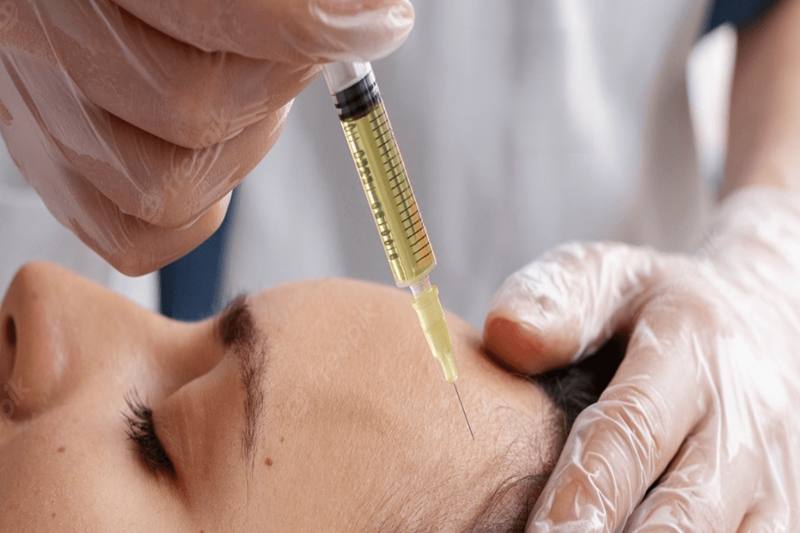
Platelet-Rich Plasma (PRP) is created by drawing a small sample of the patient’s blood and processing it in a centrifuge to separate platelet-rich plasma from other blood components.
The concentrated platelets contain growth factors that may stimulate:
- Hair follicle activity
- Blood vessel formation
- Cellular repair
- Tissue regeneration
PRP has become one of the most established regenerative treatments for androgenetic alopecia.
What Is PRF?
Platelet-Rich Fibrin (PRF) is considered an advanced generation of platelet-based regenerative therapy designed to support natural healing and tissue regeneration.
Unlike PRP, PRF is produced using a slower centrifugation process without anticoagulants. This allows it to preserve more natural regenerative components from the blood.
PRF contains:
- Platelets
- White blood cells
- Stem cell-like components
- Fibrin matrix
The fibrin matrix acts as a natural scaffold that helps release growth factors slowly and continuously over time. This gradual release may provide longer-lasting support for scalp health and hair follicle stimulation.
PRF vs PRP Hair Loss Treatment: Key Differences
Understanding PRF vs PRP hair loss treatment requires comparing how each treatment is prepared and how it works biologically.
| Feature | PRP | PRF |
|---|---|---|
| Anticoagulants | Yes | No |
| Growth Factor Release | Immediate | Gradual |
| Fibrin Matrix | Minimal | Present |
| White Blood Cells | Lower | Higher |
| Biological Activity | Shorter | Longer |
Many regenerative medicine specialists believe that PRF may provide longer biological activity because of its fibrin network, which supports a steady release of growth factors.
However, PRP remains a well-established treatment with more clinical research, while PRF is a newer approach that continues to be studied.
How PRP Works for Hair Growth
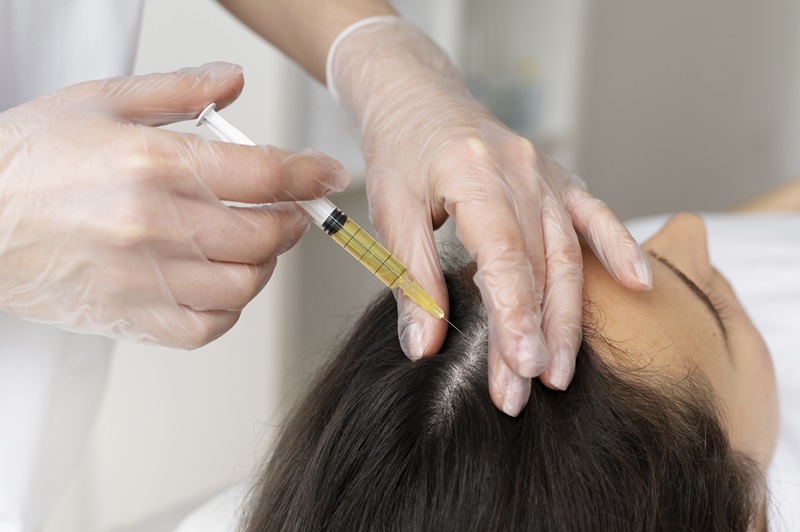
PRP supports hair growth by delivering concentrated platelets and growth factors directly into the scalp.
These growth factors may help improve the scalp environment by supporting:
- Increased blood circulation
- Improved follicle nutrition
- Reduced inflammation
- Longer hair growth cycles
- Increased hair density
Clinics providing PRP hair Dubai treatments often recommend a series of sessions to achieve better results, especially for patients experiencing early-stage hair thinning.
How PRF Stimulates Hair Regeneration
PRF works similarly to PRP, but its main difference is the slower and more sustained release of regenerative proteins.
Instead of releasing growth factors quickly, PRF provides continuous regenerative support over a longer period, allowing the scalp and follicles to benefit from prolonged biological activity.
Potential advantages include:
- Extended growth factor delivery
- Improved tissue healing
- Enhanced follicle stimulation
- Better cellular communication
- Reduced inflammation
Because of this prolonged biological activity, PRF may help improve long-term treatment outcomes in selected patients.
In some comprehensive hair restoration programs, physicians may combine regenerative injections with technologies such as Folix laser hair treatment Dubai to support scalp health, enhance follicle stimulation, and optimize overall treatment results for suitable candidates.
Which Treatment Is More Effective?
Current research suggests that both PRP and PRF can help improve hair density and reduce hair shedding in suitable patients.
Some clinical studies indicate that PRF may provide:
- Longer-lasting biological stimulation
- Higher concentrations of regenerative components
- Better tissue support
However, scientific evidence is still developing, and direct comparisons between the two treatments remain limited.
Treatment success depends on several factors, including:
- Age
- Type of hair loss
- Follicle health
- Treatment frequency
- Overall health
Who Is a Good Candidate?
PRP and PRF work best for individuals experiencing:
- Early androgenetic alopecia
- Mild to moderate hair thinning
- Hair shedding
- Reduced hair density
Patients with complete follicle loss are generally less likely to benefit because these treatments are designed to strengthen and stimulate existing follicles rather than create new ones.
Treatment Procedure
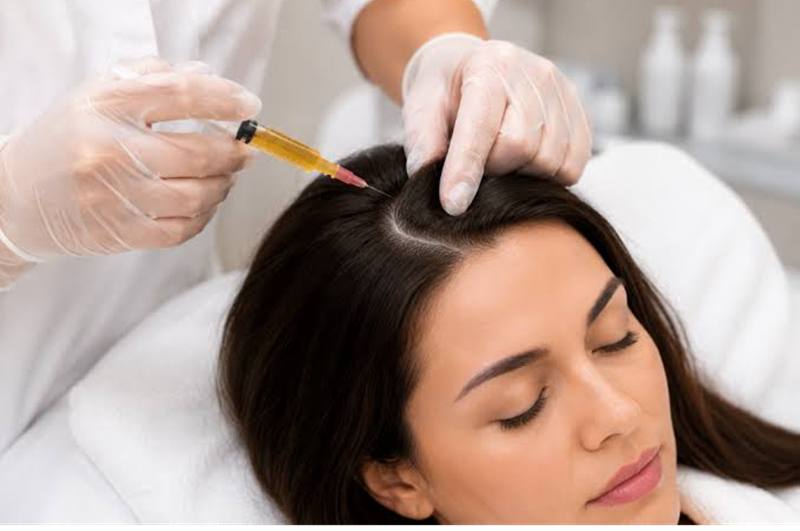
The PRP and PRF hair restoration procedures are minimally invasive treatments that use the patient’s own blood components to support hair follicle activity and improve scalp health.
Although the exact process may vary slightly between clinics, the treatment usually follows several important steps.
Preparation Process
1. Blood Collection
A small amount of blood is drawn from the patient, similar to a routine blood test. The collected blood contains platelets, growth factors, and other regenerative components that are prepared for injection.
2. Centrifugation
The blood sample is placed into a centrifuge, where it is separated into different layers based on density.
For PRP, a faster centrifugation process is used to concentrate platelets in the plasma.
For PRF, a slower centrifugation process without anticoagulants helps preserve a fibrin structure and additional regenerative components.
3. Preparation of PRP or PRF
After separation, the concentrated regenerative material is carefully prepared for injection into the scalp.
The goal is to create a solution rich in growth factors that can support weak or miniaturized hair follicles.
Scalp Injection Process
4. Scalp Cleansing
Before treatment, the scalp is cleaned and prepared to reduce the risk of infection and ensure proper injection conditions.
5. Local Anesthesia (If Required)
Some patients may experience mild discomfort during injections. Depending on sensitivity and the clinic’s protocol, a local numbing agent may be applied before the procedure.
6. Targeted Scalp Injections
The prepared PRP or PRF solution is injected into areas affected by hair thinning or reduced density.
The injections are usually focused on regions where follicles are still present but may need additional stimulation, such as the crown, hairline, or areas with early-stage thinning.
Most treatment sessions take approximately 45 to 60 minutes. The number of sessions required depends on factors such as the type of hair loss, follicle condition, and the individual’s response to treatment.
PRF vs PRP: Recovery Time
Recovery after both PRP and PRF treatments is usually quick, making these procedures popular options for individuals looking for non-surgical hair restoration solutions.
Because both treatments use the patient’s own blood, there is typically minimal downtime.
Some temporary effects may occur, including:
- Mild redness at injection sites
- Temporary swelling
- Minor tenderness
- Slight scalp sensitivity
- Mild discomfort during the first few hours after treatment
Most patients can return to their normal daily activities within 24 hours.
It is generally recommended to avoid intense exercise, excessive heat exposure, and harsh scalp treatments for a short period after the procedure to allow the scalp to recover properly.
Combination Therapies
Hair loss is often caused by multiple factors, which is why many specialists combine regenerative injections with other hair restoration approaches.
A comprehensive hair restoration comparison may include treatments such as:
- Low-level laser therapy
- Topical medications
- Oral treatments
- Regenerative injections such as PRP and PRF
- Scalp health treatments
Combining different approaches allows physicians to create a more personalized treatment plan based on the patient’s specific condition, type of hair loss, and treatment goals.
For example, regenerative injections may help stimulate follicle activity, while laser therapies or medications may address other factors contributing to hair thinning.
The most effective treatment strategy depends on proper diagnosis rather than using a single treatment for every patient.
Choosing the Right Hair Loss Clinic
Choosing an experienced and trustworthy provider is just as important as selecting the treatment itself.
A reputable hair loss clinic should offer:
- Medical diagnosis
- Individualized treatment plans
- Evidence-based recommendations
- Experienced physicians
- Clear and realistic expectations
A qualified provider should first determine the cause of hair loss before recommending any procedure.
Patients should be cautious of clinics that promise guaranteed results, instant regrowth, or unrealistic outcomes. Hair restoration treatments usually require time, consistency, and proper patient selection to achieve noticeable improvements.
Emerging Hair Restoration Technologies
Hair restoration continues to develop rapidly, with new regenerative techniques and technologies being introduced to improve treatment outcomes.
Some advanced regenerative centers now combine PRF with laser-based therapies and other biological treatments to provide a more comprehensive approach to scalp and follicle health.
For example, PRF hair treatment Dubai is increasingly offered as part of advanced regenerative programs designed to support follicle stimulation and improve scalp conditions.
Similarly, technologies such as Folix laser hair treatment Dubai are being integrated into personalized hair restoration plans for suitable candidates who are looking for non-surgical options.
As research continues, future treatments may focus on improving follicle regeneration, enhancing growth factor activity, and developing more targeted approaches for different types of hair loss.
Are There Any Risks?
Both PRP and PRF use the patient’s own blood, which significantly reduces the risk of allergic reactions or rejection.
However, like any injection-based procedure, temporary side effects may occur.
Possible side effects include:
- Temporary discomfort
- Mild bruising
- Swelling
- Injection-site tenderness
- Temporary scalp sensitivity
Serious complications are uncommon when treatments are performed by qualified medical professionals using proper techniques and sterile equipment.
A proper consultation before treatment can help identify suitable candidates, explain realistic expectations, and reduce potential risks.
Frequently Asked Questions (FAQ)
Is PRF better than PRP for hair loss?
Currently, research suggests that PRF may provide a slower and longer release of growth factors, which could support enhanced regenerative activity. However, both treatments have shown positive results in suitable patients. Therefore, the best choice depends on individual factors such as the type of hair loss, follicle condition, and treatment goals.
How many sessions are required?
In general, most patients require three to six treatment sessions to achieve noticeable improvements. Additionally, maintenance sessions may be recommended depending on the patient’s response, hair loss severity, and long-term goals.
Are the results permanent?
Neither PRP nor PRF can permanently cure genetic hair loss. However, these treatments may help improve hair density and follicle strength. Therefore, maintenance sessions are often suggested to help sustain results over time.
Does the treatment hurt?
Most patients experience only mild discomfort during the procedure. However, if needed, local anesthetic or topical numbing cream can be used to improve comfort during scalp injections.
Can PRF and PRP be combined with other therapies?
Yes. In many cases, PRP and PRF are combined with other treatments, such as medications, laser therapy, microneedling, and additional regenerative procedures. As a result, a combined approach may provide more comprehensive support for hair restoration.
Conclusion
Understanding PRF vs PRP hair loss treatment helps patients make informed decisions based on scientific evidence rather than marketing claims. While both therapies use the body’s natural healing mechanisms to support hair follicles, PRF may provide a more gradual release of growth factors due to its fibrin matrix.
Furthermore, treatment success depends on several important factors, including early intervention, accurate diagnosis, realistic expectations, and guidance from experienced medical professionals. Therefore, selecting the right treatment approach should always be based on the individual’s condition rather than choosing one method as the best option for everyone.