
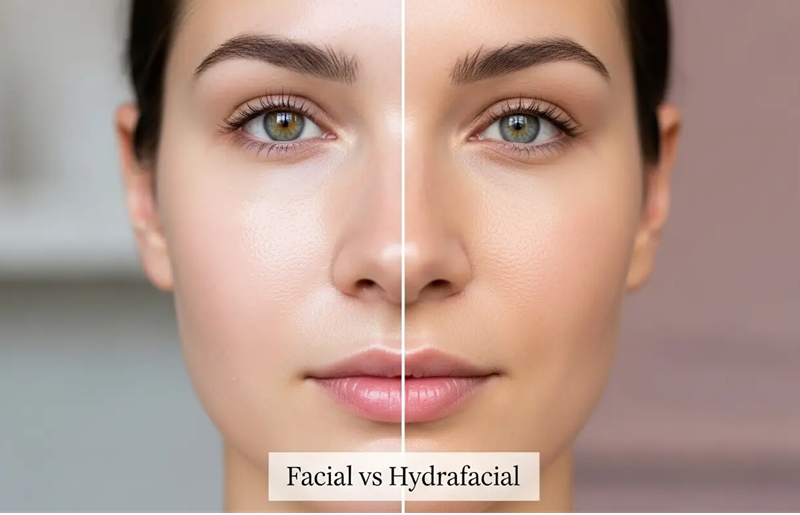
Choosing between HydraFacial vs Classic Facial treatments can feel confusing. Spas and clinics push both as the ultimate glow-up. Each one promises fresher, healthier skin. But they take very different paths to get there.
Maybe you’ve searched for hydrafacial treatment in dubai. Or maybe you’re wondering if a classic facial still holds up against new technology. Either way, this guide has your answers. We’ll break down how each treatment works, which skin concerns they handle best, and what you should expect to pay.
Skincare trends shift constantly. What hasn’t changed is the sheer number of choices you face today. Do you pick the calming ritual your grandmother swore by? Or the tech-driven treatment flooding your feed? The right answer depends on your skin, your goals, and the experience you want. Let’s unpack both treatments in detail.
What Is a Traditional Facial?
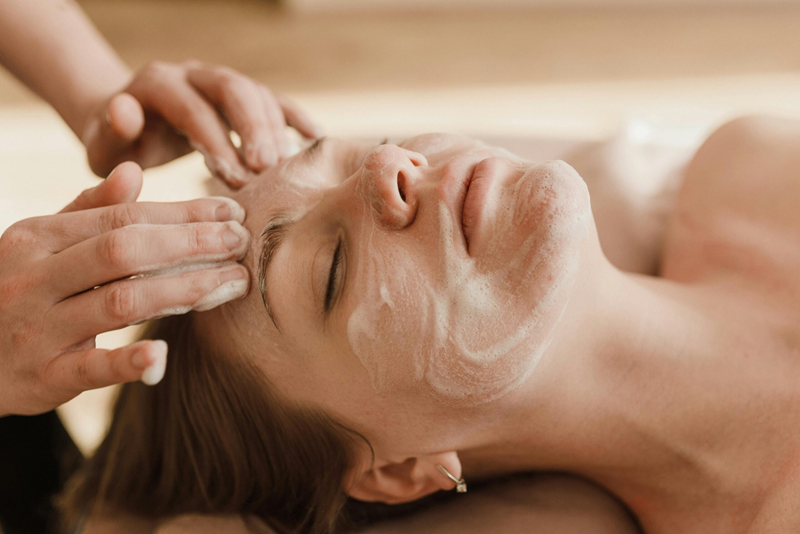
A traditional facial is the skincare ritual most of us grew up with. A trained esthetician performs every step by hand. She mixes steaming, cleansing, exfoliation, extractions, massage, and a custom mask into one session. She picks products based on what your skin needs that day.
The Traditional Facial Process
Most classic facials follow a similar sequence:
- Skin analysis – The esthetician checks your skin under proper lighting. She looks for dryness, congestion, sensitivity, or early aging signs.
- Cleansing – A double cleanse clears away makeup, sunscreen, and surface debris.
- Steaming – Warm steam opens your pores. This softens trapped oil and dead skin.
- Exfoliation – Manual scrubs or gentle chemical exfoliants slough away dead cells.
- Extractions – The esthetician clears blackheads and clogged pores by hand or with tools.
- Massage – A facial massage boosts circulation and relaxes facial muscles. It also creates that instant “glow.”
- Mask and finishing products – She applies a mask suited to your skin, then finishes with serum, moisturizer, and SPF.
Why People Still Choose Traditional Facials
The appeal goes beyond results. A classic facial is a slow, relaxing experience. You book it when you want to unwind just as much as you want clearer skin. The steaming and massage stages boost circulation and deliver a real, if temporary, glow.
Results can vary, though. Everything depends on the esthetician’s hands and skill. Some clients notice mild redness or small marks after extractions. These usually fade within a day or two.
Traditional facials also offer more flexibility mid-session. An experienced esthetician can adjust pressure, swap in a different mask, or spend extra time on a stubborn area. A standardized machine can’t always match that kind of real-time adjustment.
What Is a HydraFacial?
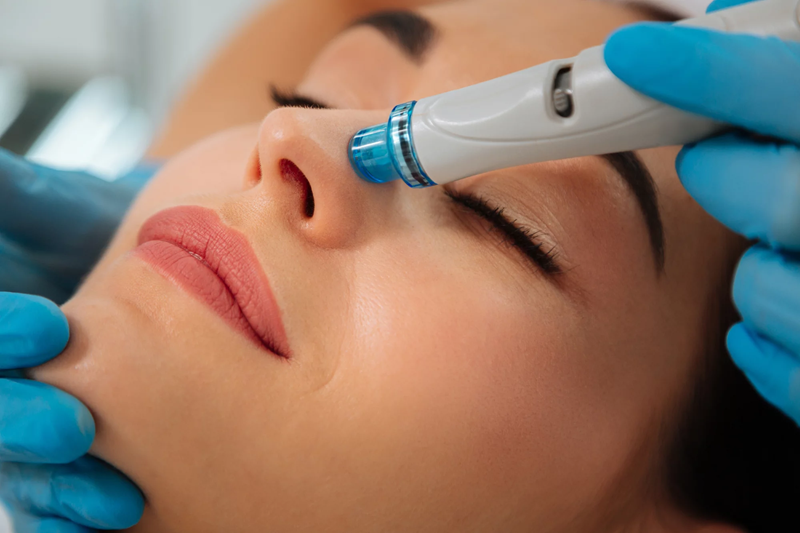
A HydraFacial shares the same core goals as a classic facial: cleanse, exfoliate, and hydrate. But a specialized device does the work instead of hands alone. The machine uses patented Vortex-Fusion technology. It combines exfoliation, a gentle acid peel, painless suction extraction, and serum infusion into one smooth process. Most sessions take just 30 to 45 minutes.
How HydraFacial Works
The treatment follows four main steps:
- Cleansing and exfoliation – The device removes dead skin cells and preps the surface.
- Acid peel – A mild glycolic or salicylic solution loosens debris inside the pores. It does this without causing irritation.
- Painless extraction – Vortex suction lifts out blackheads and impurities. No manual tools or squeezing needed.
- Hydration and protection – Custom serums infuse the skin with antioxidants, peptides, and hyaluronic acid. This leaves a plump, radiant finish.
Because a machine controls the entire process, results stay consistent from session to session. The treatment also feels gentle enough for sensitive or reactive skin. Many clinics offer add-on boosters too, like LED light therapy or concentrated serums for pigmentation and fine lines. You can layer these onto the base treatment without changing the core protocol.
Why HydraFacial Has Become So Popular
Cities with intense heat and pollution have embraced this treatment for good reason. It tackles two problems at once: surface buildup and the chronic dehydration that comes from constant air conditioning and sun exposure. A hydrafacial dubai clinic often markets the treatment around this exact issue, since deep hydration is one area where the technology clearly beats manual methods.
Key Differences Between HydraFacial and Traditional Facials
Technology and Technique
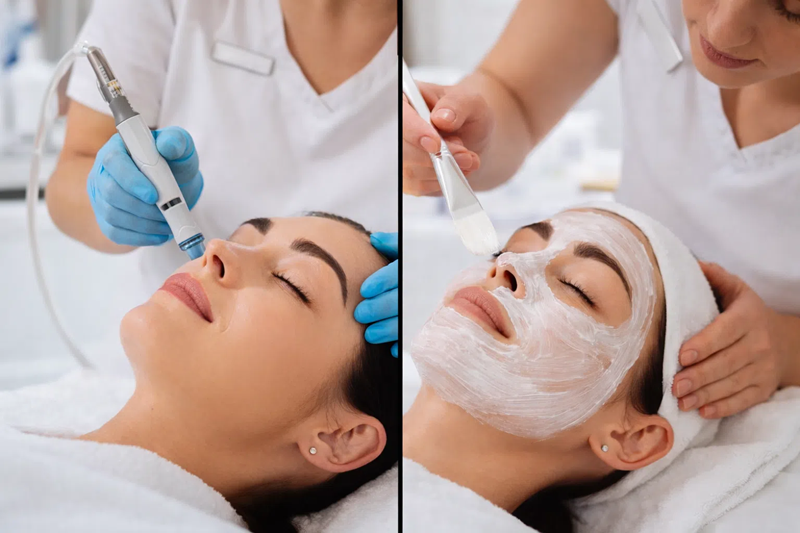
The biggest difference comes down to method. A classic facial relies on manual skill — an esthetician’s hands, steam, and traditional products do the work. HydraFacial uses a specialized device instead. It exfoliates, cleanses, and hydrates all at once, delivering even, repeatable results no matter which technician runs the session. You’re less likely to get a great facial one month and an average one the next.
Extraction Process
Traditional facials extract impurities by hand or with metal tools. This can leave temporary redness or light marks, especially on sensitive or thin skin. HydraFacial uses controlled vacuum suction instead. This makes extraction virtually painless and far less likely to trigger irritation. If you’ve always dreaded the extraction step, this difference alone might sway your decision.
Customization
Both treatments allow for personalization, just in different ways. An esthetician performing a classic facial chooses masks, oils, and exfoliants in real time. She draws on years of hands-on experience to read your skin as the treatment unfolds. HydraFacial customization happens through targeted booster serums instead — formulas aimed at pigmentation, fine lines, or dehydration. This gives the treatment precise, deep-level tuning that manual application can’t quite replicate.
Results and Downtime
This is where the two treatments really diverge. HydraFacial delivers visible, even-toned, hydrated skin right away, with zero downtime. That’s why people often book it right before big events. Traditional facials work differently. They may cause mild redness that needs a day to settle, so you’ll usually see the best results 24 hours later, not immediately.
Comfort and Skin Sensitivity
Traditional facials, especially ones with strong exfoliants or manual extractions, aren’t always ideal for reactive skin. HydraFacial takes a gentler, non-invasive approach. It works safely across nearly all skin types, including rosacea-prone or easily irritated skin. Clients often compare the sensation to a cool paintbrush gliding across the face — a sharp contrast to the occasional sting of manual extractions.
Longevity of Results
Neither treatment creates permanent change after one session. But the way results fade does differ. HydraFacial’s glow and hydration boost usually lasts one to two weeks. Regular monthly sessions build cumulative benefits over time. Traditional facials tend to have a shorter glow window, often just a few days, since the effects rely mostly on circulation and surface cleansing rather than deep serum infusion.
Cost Considerations
Traditional facials tend to cost less overall. HydraFacial’s advanced technology and specialized serums push it into a higher price bracket. In most UAE clinics, a traditional facial runs roughly AED 200 to AED 400. HydraFacial sessions typically cost between AED 400 and AED 1,500, depending on the boosters you choose. Always ask exactly what’s included before booking, since pricing varies based on the device used and the technician’s experience.
Comparison at a Glance
| Feature | HydraFacial | Traditional Facial |
|---|---|---|
| Technology | Vortex-Fusion suction device | Manual technique |
| Extraction | Painless suction | Hand or tool-based |
| Downtime | None | Minimal, may cause redness |
| Best for | Hydration, sensitive skin, instant glow | Acne, deep exfoliation, relaxation |
| Customization | Targeted booster serums | Esthetician’s product choices |
| Average cost (UAE) | AED 400–1,500 | AED 200–400 |
| Recommended frequency | Every 4–6 weeks | Every 3–4 weeks |
Which Skin Concerns Does Each Treatment Address Best?
Pick a traditional facial if you’re dealing with active acne. Professional-strength exfoliants work well here. It also suits you if you enjoy a hands-on spa experience or work with a tighter budget.
Pick HydraFacial if you want an instant glow before an event. It also suits sensitive skin that reacts poorly to manual extractions. And it fits a busy schedule, since it requires zero downtime.
Many skincare fans in the region now default to HydraFacial for its comfort, speed, and predictable results. The area’s hot, dry climate makes hydration a constant challenge. Still, most dermatologists agree that neither treatment fully replaces the other. Each one serves a different priority within a broader skincare routine.
Can You Combine Both Treatments?
Some people skip the either-or choice entirely. They alternate instead. A monthly traditional facial handles ongoing maintenance and relaxation. An occasional HydraFacial session covers big events, dry seasons, or moments when skin needs a deeper hydration reset. Estheticians often recommend spacing the two treatments at least two weeks apart. Both involve some form of surface renewal, so back-to-back sessions can over-exfoliate the skin.
If professional facials are new to you, start with a consultation. A licensed esthetician or dermatologist can assess your skin type, flag any sensitivities, and build a realistic schedule. Don’t just copy what worked for a friend.
Tips for Maintaining Results Between Sessions
Your results won’t last if your at-home routine undoes the work. A few habits make a real difference:
- Wear SPF daily, even indoors. UV rays through windows still cause pigmentation and premature aging.
- Stick to gentle cleansers for at least 48 hours after any facial. This protects skin while it settles.
- Stay hydrated, both with water intake and a lightweight, non-comedogenic moisturizer.
- Skip new active ingredients like retinol or strong acids right after a session. Freshly treated skin reacts more easily.
- Book consistently instead of sporadically. Both treatments work best as part of a routine, not a one-off fix.
Frequently Asked Questions
Is HydraFacial better than a traditional facial?
Neither one wins outright. HydraFacial offers consistent, instant results with no downtime. Traditional facials offer a more relaxing, customizable experience and often work better for active acne.
How often should I get a HydraFacial?
Most professionals recommend a HydraFacial every four to six weeks. This keeps results consistent and supports long-term skin health.
Does a HydraFacial hurt?
No. The suction-based extraction feels painless. That’s one of the main reasons professionals recommend it for sensitive skin.
Can I get a traditional facial if I have sensitive skin?
Yes. Just ask your esthetician to adjust the products and skip harsh exfoliants or aggressive extractions.
Is there any downtime after either treatment?
HydraFacial has no downtime at all. Traditional facials may cause mild, short-lived redness, especially after extractions. Schedule them a few days before any special occasion.
Which treatment is more affordable?
Traditional facials cost less overall. HydraFacial involves specialized equipment and premium serums, which raises the price.
Can I combine HydraFacial with other treatments?
Yes. Many clinics offer add-on boosters like LED therapy or targeted serums. Some clients also alternate between HydraFacial and traditional facials as part of a broader routine.
How long do the results of each treatment last?
HydraFacial results usually last one to two weeks. The glow from a traditional facial tends to fade within just a few days.
Final Thoughts
Both treatments share the same goal: healthier, more radiant skin. They just take different roads to get there. A traditional facial offers a calming, customizable ritual guided by human expertise. A machine-driven hydrafacial relies on precision technology for fast, consistent, low-irritation results.
Think about your skin type, your tolerance for downtime, and your budget. Then let that guide your decision. Talk to a licensed esthetician before you book, so the treatment actually matches your skin’s needs. And don’t be afraid to try both before settling into a routine that works for y