


Whether you’re a professional athlete, a weekend runner, or simply enjoy staying active, sports injuries can happen unexpectedly. One of the most common questions patients ask after an injury is whether they should see a physiotherapist or consult an orthopedic surgeon. Understanding the right path can help speed up recovery, prevent complications, and reduce unnecessary medical procedures.
As demand for sports physiotherapy Dubai continues to grow, more people are recognizing the value of early rehabilitation and personalized treatment plans. Many sports injuries can be managed successfully without surgery, while others require specialist orthopedic evaluation. Knowing the difference is the first step toward a safe and effective recovery.
This comprehensive guide explains the most common sports injuries, the role of physiotherapy, when surgery may be necessary, and how to choose the right healthcare professional for your condition.
Understanding Sports Injuries
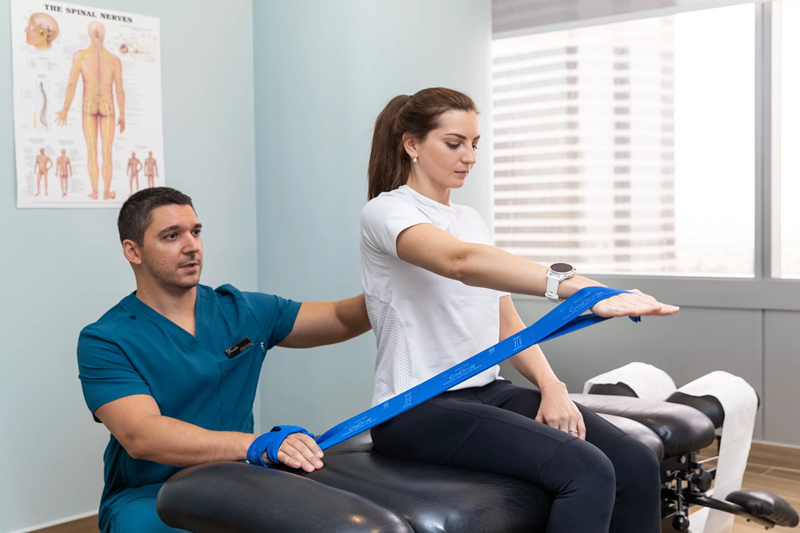
Sports injuries affect muscles, tendons, ligaments, bones, and joints. They may occur suddenly due to trauma or develop gradually from repetitive stress and overuse.
Common sports injuries include:
- Muscle strains
- Ligament sprains
- Tendon injuries
- Rotator cuff injuries
- Meniscus tears
- ACL injuries
- Tennis elbow
- Runner’s knee
- Shin splints
- Stress fractures
- Achilles tendon injuries
Early diagnosis is essential because untreated injuries often lead to chronic pain, instability, and reduced athletic performance.
Many patients first visit a physiotherapist Dubai sports injury specialist to determine the severity of the condition and begin conservative management.
Why Early Treatment Matters
Ignoring pain or attempting to “push through” an injury can worsen tissue damage.
Benefits of early intervention include:
- Faster healing
- Reduced inflammation
- Prevention of compensatory movement patterns
- Lower risk of chronic injury
- Earlier return to sport
- Improved long-term joint function
Modern physiotherapy Dubai programs focus not only on pain relief but also on restoring strength, mobility, flexibility, and movement quality.
What Does a Sports Physiotherapist Do?
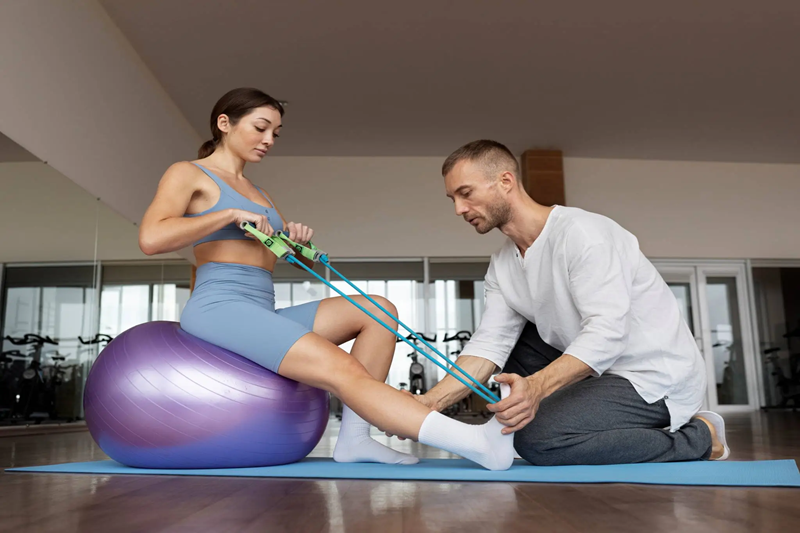
ports physiotherapists specialize in diagnosing, treating, and preventing musculoskeletal injuries through non-surgical methods. In modern practice, sports physiotherapy Dubai clinics often take a highly individualized approach to ensure each patient receives care tailored to their specific injury, activity level, and recovery goals.
Their primary goal is to restore normal movement while addressing the underlying cause of the injury rather than simply relieving symptoms. This is why sports physiotherapy Dubai programs typically focus on long-term recovery and injury prevention, not just short-term pain relief.
Treatment may include:
- Manual therapy
- Therapeutic exercise
- Strength training
- Mobility exercises
- Soft tissue techniques
- Neuromuscular retraining
- Taping and bracing
- Postural correction
- Sport-specific rehabilitation
Physiotherapists also educate patients on injury prevention strategies and safe return-to-play protocols, helping reduce the risk of re-injury and improve overall performance.
What Does an Orthopedic Surgeon Do?
Orthopedic surgeons specialize in diagnosing and treating conditions affecting bones, joints, ligaments, tendons, and muscles.
Unlike physiotherapists, orthopedic surgeons can perform surgical procedures when conservative treatment is no longer sufficient.
Common surgical procedures include:
- ACL reconstruction
- Rotator cuff repair
- Meniscus surgery
- Shoulder stabilization
- Cartilage restoration
- Fracture fixation
- Tendon repair
- Joint replacement (for severe degeneration)
Not every orthopedic consultation results in surgery. Many orthopedic specialists recommend physiotherapy as the first line of treatment, and in many recovery pathways, collaboration with sports physiotherapy Dubai programs plays a crucial role in restoring full function and mobility.therapy as the first-line treatment whenever appropriate.
Physiotherapist vs. Orthopedic Surgeon: What’s the Difference?
| Physiotherapist | Orthopedic Surgeon |
|---|---|
| Focuses on rehabilitation | Focuses on diagnosis and surgery |
| Uses exercise and manual therapy | Uses medical and surgical interventions |
| Improves movement and function | Repairs structural damage |
| No surgery performed | Can perform surgical procedures |
| Often first step after injury | Needed for severe injuries or failed conservative treatment |
In many cases, both professionals work together to provide comprehensive patient care.
When Should You See a Physiotherapist First?
Many sports injuries respond extremely well to conservative treatment.
You should consider seeing a physiotherapist if you experience:
- Mild to moderate joint pain
- Muscle strains
- Tendon irritation
- Reduced flexibility
- Balance problems
- Sports-related overuse injuries
- Recovery after minor sprains
Early physiotherapy can often prevent injuries from becoming more severe.
When Should You See an Orthopedic Surgeon?

Some injuries require immediate orthopedic evaluation.
Warning signs include:
- Visible deformity
- Suspected fracture
- Joint dislocation
- Complete ligament rupture
- Inability to bear weight
- Persistent instability
- Severe swelling after trauma
- Locking of the knee
- Sudden loss of function
Prompt diagnosis helps determine whether surgery is necessary or if conservative treatment remains appropriate.
Common Sports Injuries Treated With Physiotherapy
Knee Injuries
The knee is one of the most frequently injured joints in athletes.
Common conditions include:
- Patellofemoral pain syndrome
- Meniscus irritation
- Ligament sprains
- Tendinitis
- IT band syndrome
Specialized knee physiotherapy Dubai programs focus on restoring strength, balance, flexibility, and movement control while reducing the risk of reinjury.
Shoulder Injuries
Shoulder injuries are common in swimming, tennis, weightlifting, and throwing sports.
Typical conditions include:
- Rotator cuff tendinopathy
- Shoulder impingement
- Labral irritation
- Frozen shoulder
- Shoulder instability
Comprehensive shoulder rehabilitation Dubai programs emphasize mobility restoration, rotator cuff strengthening, and scapular stability to help patients safely return to activity.
Back and Neck Pain
Athletes frequently experience spinal problems caused by poor biomechanics, muscle imbalance, or repetitive loading.
Physiotherapy can address:
- Muscle spasms
- Disc-related pain
- Facet joint dysfunction
- Core weakness
- Postural issues
Treatment often includes core stabilization and movement retraining.
Tendon Injuries
Overuse commonly affects tendons around the body.
Examples include:
- Achilles tendinopathy
- Tennis elbow
- Golfer’s elbow
- Patellar tendinopathy
Progressive loading exercises remain one of the most effective evidence-based treatments.
Modern Treatment Techniques Used in Physiotherapy
Today’s rehabilitation programs use a combination of proven therapeutic approaches.
These may include:
- Manual therapy
- Dry needling
- Exercise therapy
- Functional movement assessment
- Balance training
- Resistance training
- Mobility restoration
- Neuromuscular re-education
- Sports performance training
Some multidisciplinary musculoskeletal clinic settings also integrate complementary approaches such as acupuncture Dubai for selected patients experiencing chronic pain or muscle tension as part of a broader rehabilitation plan.
Rehabilitation After Surgery
Physiotherapy remains essential even after orthopedic surgery.
Post-operative rehabilitation helps patients:
- Restore joint mobility
- Reduce scar tissue formation
- Improve muscle strength
- Regain balance
- Recover normal movement patterns
- Return safely to sports
Successful surgical outcomes depend heavily on structured rehabilitation.
Injury Prevention Strategies
The best treatment is preventing injuries before they occur.
Athletes should focus on:
Proper Warm-Up
Dynamic stretching prepares muscles and joints for activity.
Strength Training
Building muscular strength improves joint stability and reduces injury risk.
Mobility Exercises
Maintaining flexibility improves movement efficiency.
Recovery
Adequate sleep, nutrition, hydration, and rest support tissue repair.
Technique Improvement
Proper sports mechanics minimize unnecessary stress on joints and muscles.
Regular movement assessments can identify potential problems before injuries develop.
Choosing the Right Healthcare Professional
The decision depends on the nature of your injury.
A physiotherapist is generally appropriate for:
- Muscle strains
- Overuse injuries
- Mild ligament sprains
- Chronic movement dysfunction
- Rehabilitation after injury
An orthopedic surgeon is recommended for:
- Fractures
- Complete tendon ruptures
- Severe ligament injuries
- Joint dislocations
- Persistent symptoms despite rehabilitation
In many situations, collaborative care provides the best outcomes.
The Future of Sports Rehabilitation
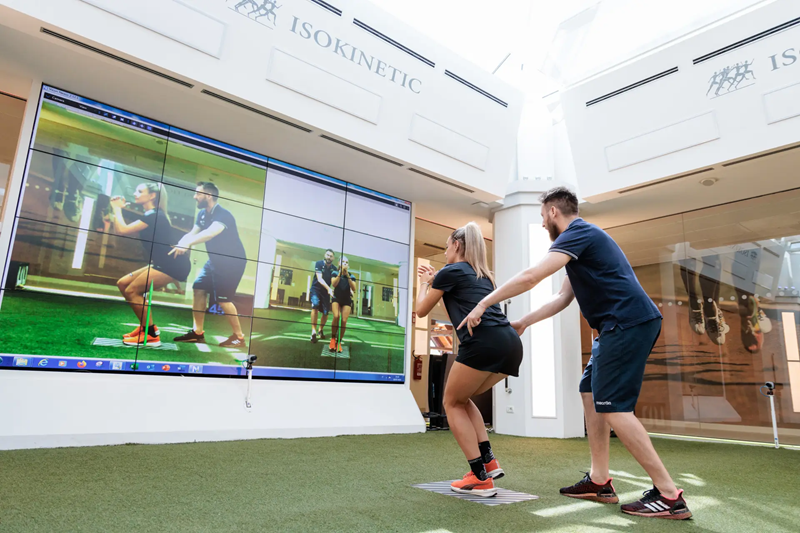
Sports medicine continues to evolve rapidly.
Emerging innovations include:
- AI-assisted movement analysis
- Wearable biomechanics monitoring
- Regenerative medicine
- Blood flow restriction training
- Personalized rehabilitation protocols
- Motion capture technology
- Virtual rehabilitation platforms
These advances are improving recovery times while reducing the risk of reinjury.
Frequently Asked Questions (FAQ)
Should I see a physiotherapist before an orthopedic surgeon?
For many mild to moderate sports injuries, starting with a physiotherapist is appropriate. However, severe trauma or suspected fractures should be evaluated by an orthopedic surgeon immediately.
Can physiotherapy help avoid surgery?
Yes. Many ligament, tendon, and muscle injuries recover successfully with structured rehabilitation, eliminating the need for surgery.
How many physiotherapy sessions will I need?
Treatment duration depends on the injury. Minor strains may require only a few sessions, while post-surgical rehabilitation can continue for several months.
Is physiotherapy painful?
Some discomfort may occur during rehabilitation exercises, but treatment should not cause severe pain. Your therapist will adjust the program according to your condition.
Can athletes return to sports after physiotherapy?
Yes. A well-designed rehabilitation program helps athletes regain strength, mobility, confidence, and sport-specific function before returning to competition.
Conclusion
Choosing the right healthcare provider after a sports injury can significantly influence both recovery time and long-term performance. Understanding when to pursue sports physiotherapy Dubai and when orthopedic evaluation is necessary allows patients to receive appropriate care without unnecessary delays.
Most muscle, tendon, and joint injuries respond well to conservative rehabilitation, while more serious structural injuries may require surgical intervention followed by physiotherapy. By combining accurate diagnosis, evidence-based rehabilitation, and individualized treatment plans, athletes and active individuals can recover safely, reduce the risk of future injuries, and return to their sport with confidence.