
Finding the right Hair Loss Treatments for Women requires understanding the underlying cause of hair loss. Factors such as hormonal changes, genetics, stress, nutritional deficiencies, sHair Loss Treatments for Women: What Are the Best Options?
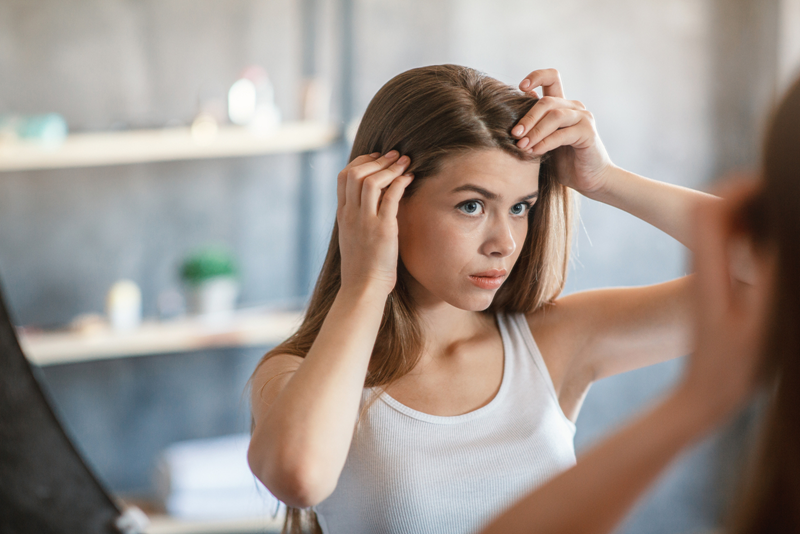
Hair loss is one of the most common concerns affecting women of all ages. Although losing around 50–100 hairs per day is considered a normal part of the natural hair cycle, noticeable thinning, reduced hair density, widening part lines, and excessive shedding can have a significant impact on confidence and emotional well-being.
Choosing the right Hair Loss Treatments for Women requires more than simply trying popular products. The most effective approach begins with understanding the underlying cause of hair loss. Factors such as genetics, hormonal changes, stress, nutritional deficiencies, scalp conditions, medical disorders, and lifestyle habits can all influence the health of hair follicles.
Unlike male pattern baldness, female hair loss often appears as gradual thinning throughout the scalp rather than a receding hairline. Because every woman’s condition is different, successful treatment plans should be personalized according to the cause, severity, hair type, and stage of hair loss.
Advances in aesthetic medicine and regenerative therapies have introduced new solutions that go beyond traditional approaches. Today, women can choose from a wide range of options, including medical treatments, platelet-based therapies, laser technology, peptide solutions, and regenerative procedures designed to improve scalp health and support stronger hair growth.
This complete guide explores the most effective Hair Loss Treatments for Women, how each treatment works, who may benefit from it, and what factors should be considered before starting a hair restoration journey.
Understanding Female Hair Loss
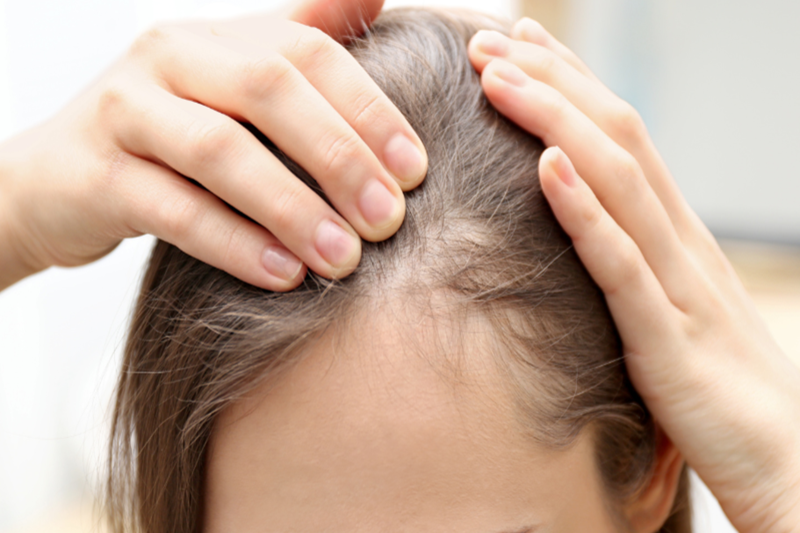
Before selecting the best Hair Loss Treatments for Women, it is important to understand how the hair growth cycle works and why disruptions occur.
Hair growth follows three main phases:
Anagen Phase (Active Growth Phase)
This is the period when hair follicles actively produce new hair strands. A healthy anagen phase allows hair to grow longer and stronger.
Catagen Phase (Transition Phase)
During this short stage, the follicle prepares to enter the resting phase.
Telogen Phase (Resting and Shedding Phase)
Old hair naturally sheds during this stage, allowing new hair growth to begin.
When this cycle becomes disrupted, more follicles may enter the shedding phase at the same time, leading to visible thinning and reduced volume.
Common Causes of Hair Loss in Women
Understanding the reason behind hair loss is the first step toward choosing the correct treatment.
Hormonal Changes
Hormonal fluctuations are among the most common causes of female hair thinning.
Changes related to:
- Pregnancy
- Menopause
- Thyroid disorders
- Hormonal imbalance
- Polycystic ovary syndrome (PCOS)
can affect follicle function and reduce the ability of hair to grow normally.
Hormones influence the hair cycle, and even small changes can contribute to increased shedding or weaker strands.
Female Pattern Hair Loss
Female pattern hair loss is a genetic condition that causes gradual thinning, especially around:
- The crown area
- The central scalp
- The parting line
Unlike men, women usually maintain their frontal hairline but experience reduced density across the scalp.
Early diagnosis is important because many Hair Loss Treatments for Women are more effective when started before significant follicle miniaturization occurs.
Stress and Lifestyle Factors
High levels of physical or emotional stress can trigger a condition called telogen effluvium.
Common triggers include:
- Severe stress
- Illness
- Rapid weight loss
- Poor sleep
- Major lifestyle changes
Stress affects hormone levels and may push more hair follicles into the resting phase.
Nutritional Deficiencies
Hair follicles require specific nutrients to produce strong and healthy hair.
Low levels of:
- Iron
- Vitamin D
- Zinc
- Protein
- Biotin
may contribute to increased shedding and weaker hair structure.
A nutritional assessment can help identify whether deficiencies are affecting hair growth.
Scalp Health Problems
A healthy scalp creates the foundation for strong and healthy hair growth. When the scalp environment is unbalanced, hair follicles may struggle to function properly, leading to increased shedding, weaker strands, and slower growth.
Conditions such as:
- Dandruff
- Seborrheic dermatitis
- Scalp inflammation
- Excess oil production
- Scalp infections
can negatively affect follicle performance and disrupt the natural hair growth cycle.
Maintaining scalp health is an essential part of many successful Hair Loss Treatments for Women. In addition to traditional scalp care approaches, advanced regenerative options such as exosomes therapy dubai are being explored as supportive treatments designed to improve the scalp environment and provide regenerative signals that may help weakened follicles function more effectively.
A proper diagnosis is important because the most suitable treatment depends on the underlying cause of scalp problems and the individual condition of the hair follicles.
How Do Hair Loss Treatments for Women Work?
The most effective treatments target different parts of the hair growth process.
Improving Blood Circulation
Some therapies stimulate blood flow around the scalp, helping follicles receive more oxygen and nutrients.
Supporting Hair Follicles
Advanced treatments provide growth factors, peptides, proteins, or regenerative signals that may improve follicle activity.
Reducing Inflammation
Chronic scalp inflammation can interfere with healthy growth. Maintaining a balanced scalp environment supports stronger follicles.
Extending the Growth Phase
Many treatments aim to support the anagen phase, helping hair remain in the active growth stage for longer.
Best Hair Loss Treatments for Women
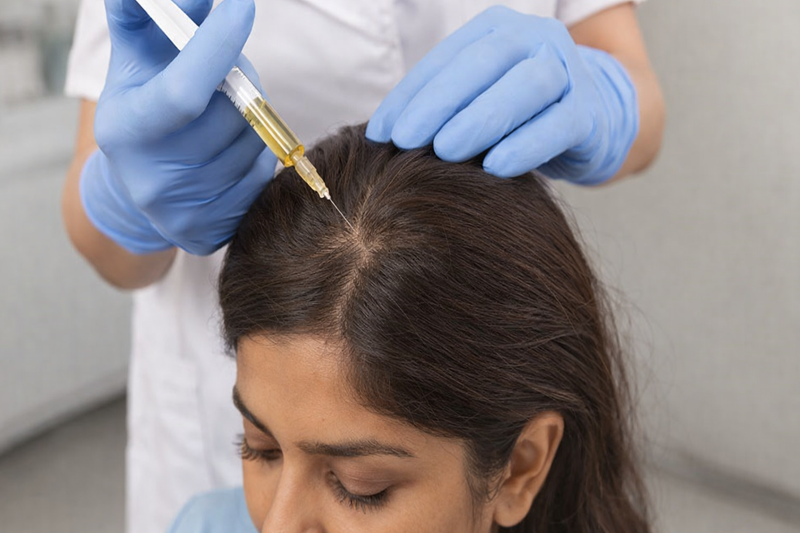
1. PRP Therapy for Female Hair Loss
Platelet-rich plasma (PRP) therapy is one of the most widely used regenerative treatments for women experiencing hair thinning.
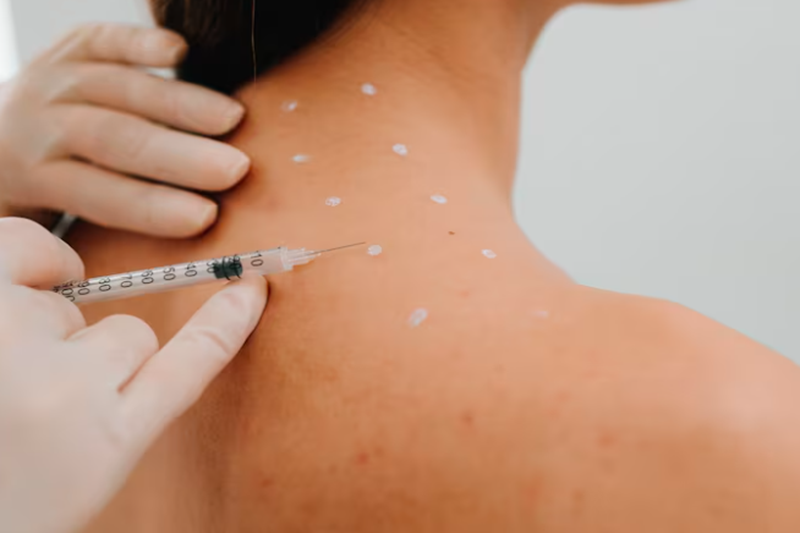
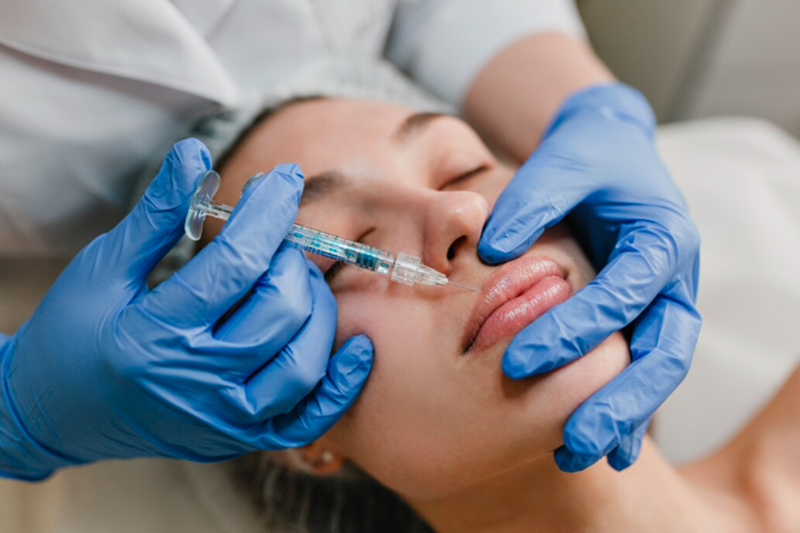
During PRP treatment, a small blood sample is collected and processed to concentrate platelets containing powerful growth factors. These growth factors are then injected into targeted scalp areas.
Benefits of PRP Therapy:
- Uses the patient’s own biological material
- Supports natural follicle activity
- Minimally invasive
- Requires little downtime
- Suitable for many types of hair thinning
PRP is often recommended for women with early-stage hair loss who prefer a non-surgical approach.
2. Peptide Therapy for Hair Growth
Peptides are small chains of amino acids that play important roles in tissue communication and regeneration.
In hair restoration, peptide-based treatments are designed to support:
- Follicle strength
- Scalp condition
- Hair density
- Growth cycle balance
Advanced approaches such as peptide therapy use specialized formulations to improve the environment surrounding hair follicles.
Peptide-based treatments may be considered for women searching for innovative Hair Loss Treatments for Women as part of a customized restoration plan.
3. Exosome Therapy for Female Hair Loss
Exosome therapy is one of the newest developments in regenerative medicine.
Exosomes are microscopic cellular messengers containing:
- Growth factors
- Proteins
- Signaling molecules
They help cells communicate and may support tissue repair processes.
In hair restoration, exosome-based treatments aim to:
- Improve scalp health
- Support weakened follicles
- Encourage regenerative activity
- Create a healthier environment for hair growth
Women interested in advanced regenerative solutions may explore exosome-based options as part of a professional hair restoration program.
4. Low-Level Laser Therapy (LLLT)
Low-level laser therapy is a non-invasive treatment designed to stimulate hair follicles using controlled light energy.
Modern laser systems help support:
- Cellular activity
- Scalp circulation
- Follicle function
- Hair growth environment
One advanced option available today is folix hair laser, which uses targeted light technology to support healthier scalp conditions.
Advantages of Laser Hair Therapy:
- No surgery required
- No downtime
- Comfortable treatment
- Suitable for gradual improvement
Laser therapy is often combined with other Hair Loss Treatments for Women for a more comprehensive approach.
5. Minoxidil for Female Hair Loss
Minoxidil is one of the most researched topical treatments for female pattern hair loss.
It works by helping extend the active growth phase of hair follicles.
Potential Benefits:
- Clinically studied
- Available in topical solutions
- Helps reduce visible thinning
- Supports thicker-looking hair
However, results vary between individuals, and continuous use is usually necessary to maintain improvements.
A dermatologist can determine whether minoxidil is suitable based on your specific condition.
6. Nutritional Support and Hair Supplements
Healthy hair growth depends heavily on proper nutrition. Hair follicles require a consistent supply of essential vitamins, minerals, and proteins to produce strong and healthy strands.
Important nutrients include:
Iron
Iron deficiency is one of the most common nutritional concerns among women and may contribute to increased hair shedding, weaker hair strands, and reduced hair density.
Vitamin D
Low vitamin D levels have been associated with certain hair growth problems, as this vitamin plays an important role in maintaining healthy follicle function.
Zinc
Zinc supports normal hair follicle activity, helps maintain scalp health, and contributes to the repair processes required for stronger hair growth.
Protein
Hair is primarily made of keratin, a protein-based structure. For this reason, consuming enough high-quality protein is essential for maintaining stronger and healthier hair.
While nutrition remains a key factor in hair health, some women may also explore advanced supportive approaches such as peptide therapy dubai, which focuses on using specialized peptide-based solutions to support follicle function and improve the overall scalp environment.
Supplements should ideally be used after identifying actual deficiencies through professional evaluation. Taking supplements without addressing the underlying cause of hair loss may not provide significant improvement and can delay finding the most suitable treatment approach.
7. Hormonal and Medical Treatments
For some women, hair loss is connected to underlying health conditions.
Medical evaluation may include:
- Hormone testing
- Blood analysis
- Scalp examination
- Hair density assessment
Treating the root cause is often the most important step toward achieving long-term improvement.
How to Choose the Right Hair Loss Treatment?
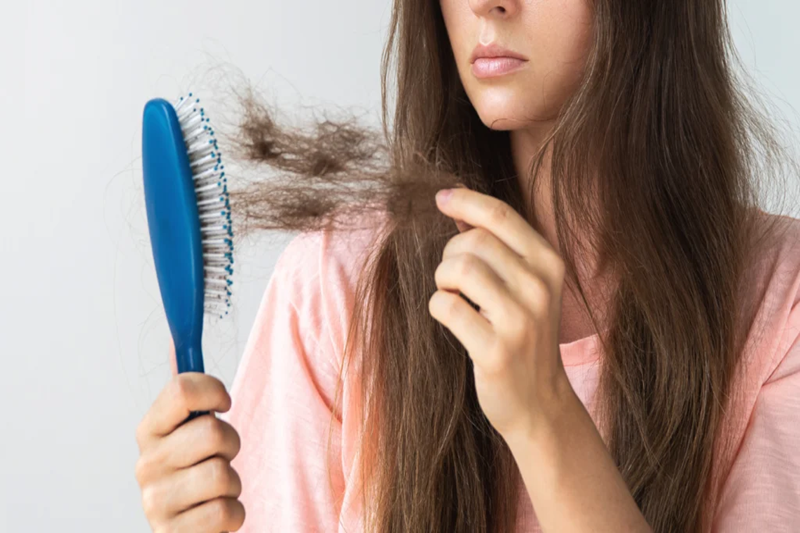
Choosing among different Hair Loss Treatments for Women can feel confusing. The right option depends on diagnosis and personal goals.
Step 1: Identify the Cause
Determine whether hair loss is related to:
- Genetics
- Hormones
- Nutrition
- Stress
- Scalp conditions
Step 2: Understand the Hair Loss Stage
Early thinning often responds better to non-invasive treatments, while advanced cases may require stronger approaches.
Step 3: Create a Long-Term Plan
Hair restoration takes time. A successful plan includes realistic expectations and consistent follow-up.
Step 4: Choose Evidence-Based Treatments
Always prioritize scientifically supported treatments recommended by qualified professionals.
How Long Does It Take to See Results?
Hair growth is naturally slow, so patience is essential.
Depending on the treatment, improvements may appear within:
- 3–6 months for regenerative therapies
- Several months for topical treatments
- Longer periods for comprehensive restoration programs
Consistency is one of the most important factors affecting success.
Natural Ways to Support Hair Growth
Professional Hair Loss Treatments for Women work best when combined with healthy daily habits.
Maintain a Balanced Diet
Include:
- High-quality protein
- Vegetables
- Healthy fats
- Essential vitamins and minerals
Reduce Stress
Stress management techniques such as exercise, meditation, and quality sleep can support a healthier hair cycle.
Avoid Excessive Heat Styling
Frequent heat exposure can weaken hair strands and increase breakage.
Use Gentle Hair Products
Avoid harsh chemicals and aggressive treatments that may damage fragile hair.
Frequently Asked Questions (FAQ)
What is the most effective hair loss treatment for women?
The best treatment depends on the cause of hair loss. PRP, laser therapy, peptide treatments, minoxidil, nutritional correction, and regenerative therapies may all be effective depending on individual needs.
Can women completely reverse hair loss?
It depends on the cause. Early-stage hair loss often responds better to treatment, while permanently damaged follicles may be more difficult to restore.
How early should women start treatment?
Starting treatment at the first signs of thinning usually provides better chances of maintaining existing hair density.
Are hair restoration treatments painful?
Most modern treatments are minimally invasive and involve little discomfort. Some procedures may cause mild temporary sensitivity.
Can stress-related hair loss grow back naturally?
Yes. When the stress trigger is removed and overall health improves, many women experience gradual recovery of hair growth.
How long should I use hair loss treatments?
The duration depends on the treatment type and individual response. Many treatments require ongoing maintenance to preserve results.
Are supplements enough to stop hair loss?
Supplements help only when nutritional deficiencies are contributing to hair loss. They cannot treat every type of hair thinning.
Conclusion
Finding the right Hair Loss Treatments for Women starts with understanding the cause of hair loss and choosing a personalized approach. From PRP and peptide therapy to laser technology, regenerative medicine, and medical solutions, modern treatments provide more options than ever before.
The most successful hair restoration plans combine professional diagnosis, evidence-based treatments, healthy lifestyle habits, and realistic expectations. By addressing the root cause and starting treatment at the right time, women can improve scalp health, support stronger follicles, and achieve healthier-looking hair over the long term.n experience hair loss in different patterns. Female hair loss is usually characterized by gradual thinning across the scalp rather than a receding hairline. Because every woman’s condition is unique, effective Hair Loss Treatments for Women should be personalized based on diagnosis, hair type, and the stage of hair loss.
Modern aesthetic and regenerative medicine has introduced advanced solutions that go beyond traditional approaches. From medical treatments and laser technology to innovative regenerative therapies, women now have more options than ever to improve hair density and scalp health.
This comprehensive guide explores the most effective Hair Loss Treatments for Women, how they work, who they are suitable for, and what factors should be considered before choosing a treatment.