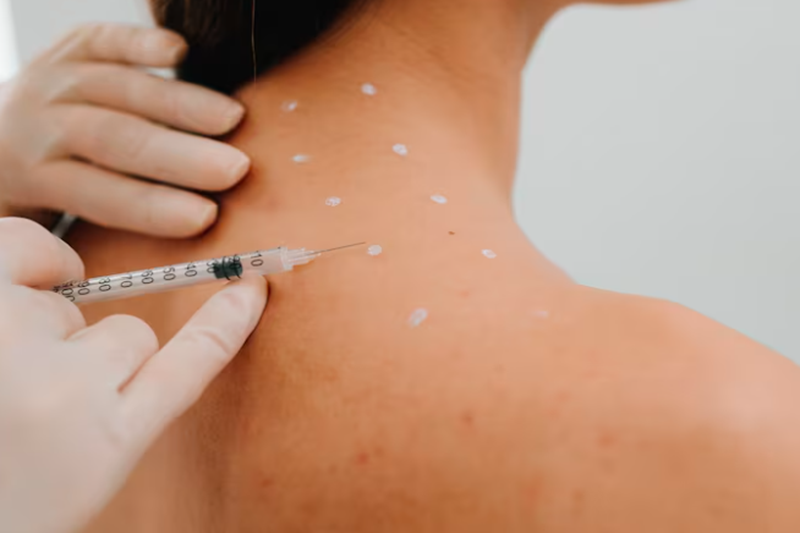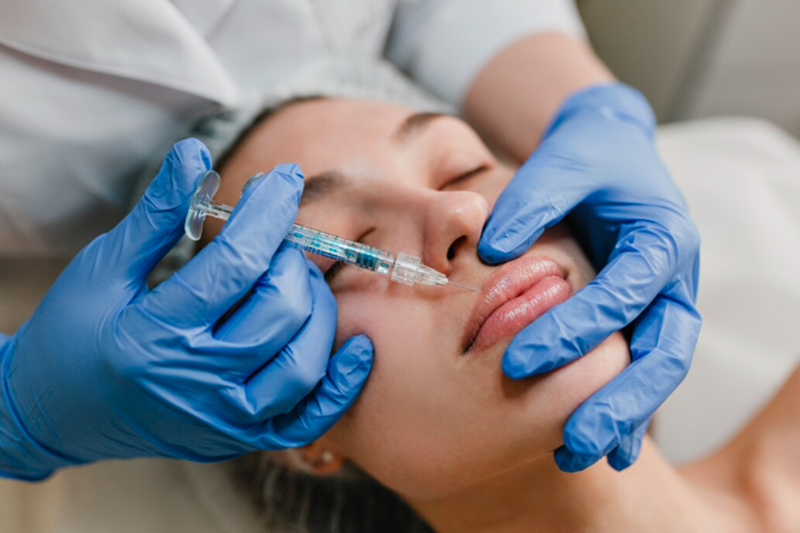


The search for youthful, healthy-looking skin has led to continuous innovation in the aesthetics industry. From traditional injectables to advanced regenerative treatments, people are increasingly interested in solutions that do more than temporarily improve appearance. One of the latest trends gaining attention is injectable collagen peptides, which are promoted as a potential way to support collagen production and improve skin quality.
Collagen is one of the most important proteins responsible for skin firmness, elasticity, and structure. However, natural collagen production gradually decreases with age, contributing to fine lines, wrinkles, and loss of facial volume. This has created growing interest in treatments that may encourage the body’s own collagen-building processes.
While collagen supplements and collagen-stimulating aesthetic procedures have become widely discussed, injectable collagen peptides are still a relatively new concept. Many people are asking whether these injections are truly effective and, more importantly, whether they are safe for human use.
Understanding the available scientific evidence, possible benefits, and limitations is essential before considering any emerging cosmetic treatment.
What Are Injectable Collagen Peptides?
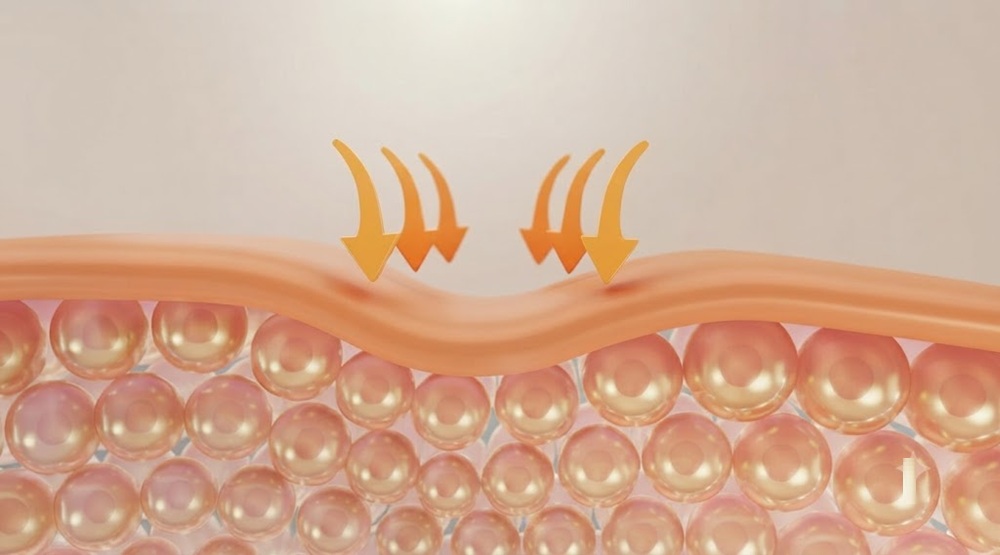
Injectable collagen peptides are small fragments of collagen proteins that are designed to interact with the skin and potentially support collagen-related processes. Peptides are short chains of amino acids that can act as signalling molecules, helping communicate with cells and influence certain biological activities.
In skincare, peptides are commonly used in topical products because of their potential role in supporting skin repair and improving texture. Injectable versions aim to deliver these compounds deeper into the tissues, where they may have a more direct effect.
Unlike traditional volume-enhancing treatments, collagen peptide injections are generally discussed as a regenerative approach rather than a simple filling technique. The goal is not only to add volume but also to encourage healthier-looking skin by supporting collagen activity.
However, it is important to understand that the science behind injectable collagen peptides is still developing. Although collagen-related treatments have shown promising results in some studies, more clinical research is needed to confirm their long-term effectiveness and safety.
How Do Injectable Collagen Peptides Work?

As the skin ages, collagen breakdown becomes faster than collagen production. This process can lead to reduced firmness, thinner skin, and visible signs of ageing.
The theory behind injectable collagen peptides is that these molecules may stimulate biological pathways involved in collagen formation. By supporting fibroblast activity — the cells responsible for producing collagen and other structural components of the skin — these treatments may help improve skin quality over time.
Potential benefits being explored include:
- Improved skin texture
- Increased skin firmness
- Support for collagen production
- Reduction in the appearance of fine lines
- Overall improvement in skin quality
However, results may vary significantly depending on the specific formulation, injection technique, individual skin condition, and the patient’s natural ability to produce collagen.
Filler That Builds Collagen: How Does It Compare?

Many people confuse collagen-stimulating treatments with traditional fillers. While both are injectable aesthetic treatments, their mechanisms are different.
Traditional dermal fillers are mainly designed to restore lost volume, enhance facial contours, and create immediate improvements. They are commonly used in areas such as the cheeks, lips, and jawline to achieve balanced facial proportions.
On the other hand, collagen-focused treatments aim to encourage gradual improvements by supporting the skin’s natural processes.
For example, patients experiencing volume loss in the mid-face may choose treatments such as cheek fillers to restore facial fullness and create more defined contours. Similarly, individuals looking for improved facial definition may consider jawline fillers for a more structured appearance.
Unlike these established filler treatments, injectable collagen peptides are still being researched, and their long-term role in aesthetic medicine has not yet been fully established.
What Does the Scientific Evidence Say About Injectable Collagen Peptides?
The growing popularity of injectable collagen peptides has created significant interest among researchers and aesthetic professionals. However, compared with established cosmetic injectables, scientific evidence specifically focused on injectable collagen peptides is still limited.
Existing research on collagen peptides has mainly explored oral supplements and topical applications. Some studies suggest that certain collagen-derived peptides may support skin hydration, elasticity, and overall skin appearance. However, results from oral or topical collagen products cannot automatically be applied to injectable treatments.
For injectable products, researchers need to evaluate several important factors, including:
- How the peptides interact with human skin tissue
- Whether they effectively stimulate collagen production
- How long the results last
- Possible short-term and long-term side effects
- The safety of repeated treatments
At this stage, experts generally agree that more high-quality clinical studies involving humans are required before injectable collagen peptides can be considered a fully established anti-ageing treatment.
Patients should always look for evidence-based treatments performed by qualified professionals rather than relying only on marketing claims.
Are Injectable Collagen Peptides Safe for Humans?

Safety is one of the most important considerations when discussing any injectable cosmetic procedure.
Since injectable collagen peptides are a relatively emerging trend, their safety profile depends on factors such as the specific product used, manufacturing standards, injection technique, and medical supervision.
Possible risks associated with injectable cosmetic treatments may include:
- Temporary redness or swelling
- Bruising at the injection site
- Skin sensitivity
- Allergic reactions
- Infection if performed in non-medical environments
- Unexpected aesthetic results
Choosing a qualified and experienced medical provider is essential for reducing risks. Proper patient assessment, sterile techniques, and the use of approved products all play an important role in treatment safety.
Although collagen-based treatments may offer exciting possibilities for skin rejuvenation, patients should be cautious about procedures that lack sufficient clinical evidence or regulatory approval.
At-Home Collagen Injections: Are They Safe?
The popularity of social media trends has increased interest in DIY beauty treatments, including at-home injection procedures. However, performing injectable treatments without professional medical supervision can create serious risks.
At-home collagen injections are not recommended because injectable procedures require:
- Proper knowledge of facial anatomy
- Sterile equipment and techniques
- Understanding of possible complications
- Professional management of adverse reactions
Injecting products into the skin without medical guidance may increase the risk of infection, tissue damage, allergic reactions, or poor cosmetic outcomes.
Anyone considering injectable aesthetic treatments should consult a qualified medical professional before choosing options such as dermal fillers, as proper assessment and sterile techniques are essential for both safety and effective results.
Injectable Collagen Peptides vs Dermal Fillers: Which Option Is Better?

The best treatment option depends on the individual’s aesthetic goals, skin condition, and desired outcome.
Traditional fillers have been widely used in aesthetic medicine because they provide predictable and immediate improvements. They can restore volume, enhance facial balance, and improve specific facial features.
For example:
- Cheek fillers can help restore volume loss in the mid-face and create a more refreshed appearance.
- Jawline fillers can improve facial definition and enhance the lower face contour.
- Lip fillers can enhance lip shape, symmetry, and volume when performed appropriately.
Injectable collagen peptides, on the other hand, focus more on supporting skin quality and collagen-related processes. They may appeal to people who are interested in regenerative approaches, but further research is still needed to determine their effectiveness compared with established treatments.
Rather than choosing a treatment based only on trends, patients should discuss their goals with an experienced aesthetic practitioner who can recommend the most suitable option.
Frequently Asked Questions
Are injectable collagen peptides approved for anti-ageing treatments?
The availability and approval status of injectable collagen peptide products vary depending on the country and specific formulation. Patients should always confirm that any injectable treatment is performed using approved products by qualified professionals.
Do injectable collagen peptides replace dermal fillers?
No. Injectable collagen peptides and dermal fillers work differently. Fillers are primarily used to restore volume and enhance facial contours, while collagen-focused treatments aim to support skin quality and collagen production.
How long do injectable collagen peptide results last?
Because injectable collagen peptides are still an emerging treatment area, the duration of results is not yet fully established. Factors such as the product used, individual skin characteristics, and treatment protocol can influence outcomes.
Are at-home collagen injections safe?
No. Injectable treatments should only be performed by trained medical professionals. At-home injections can increase the risk of complications, including infection and improper product placement.
Should I choose collagen peptides or traditional fillers?
The right choice depends on your goals. If you want immediate volume restoration or facial contouring, established filler treatments may be more suitable. If you are interested in collagen-supporting approaches, a qualified provider can discuss whether newer treatments may be appropriate.
Conclusion
Injectable collagen peptides represent an exciting development in the growing field of regenerative aesthetics. Their potential to support collagen production and improve skin quality has attracted significant attention among patients looking for advanced anti-ageing solutions.
However, while early interest is promising, more scientific research is needed to confirm their long-term effectiveness and safety for widespread cosmetic use. Patients should be careful with emerging beauty trends and prioritise treatments supported by clinical evidence and performed by qualified professionals. For comprehensive wellness and anti-aging protocols, doctor-prescribed peptide pens in Dubai offer targeted, clinically supervised options.
For those seeking proven facial rejuvenation options, established treatments such as dermal fillers, including cheek fillers, jawline fillers, and lip fillers, continue to offer predictable and well-studied results when performed by experienced practitioners.