

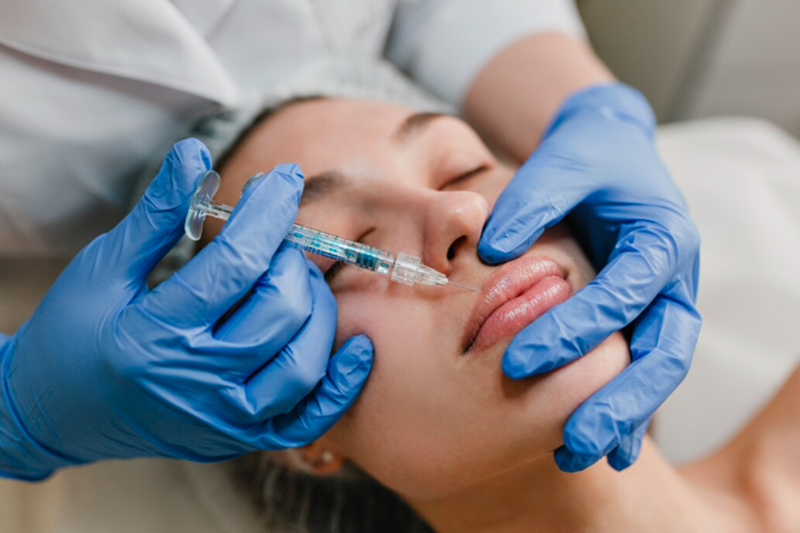
Juvederm is one of the most widely recognized dermal filler treatments for restoring facial volume, enhancing contours, and softening visible signs of aging. As the skin naturally loses collagen, elastin, and hyaluronic acid over time, areas such as the lips, cheeks, nasolabial folds, and jawline may gradually lose their youthful fullness. Juvederm can help address these concerns while maintaining a balanced and natural-looking appearance.
Unlike surgical cosmetic procedures, Juvederm treatments are minimally invasive and typically require little downtime. The treatment uses hyaluronic acid-based injectable fillers to add volume beneath the skin and improve facial proportions.
Whether you are considering your first filler treatment or want to understand your options before booking a consultation, this guide explains the benefits, treatment process, expected results, longevity, safety considerations, and aftercare associated with Juvederm.
What Is Juvederm?
Juvederm is a family of hyaluronic acid dermal fillers designed for different areas and aesthetic concerns. Hyaluronic acid is a substance naturally found in the body that helps maintain hydration and volume within the skin.
When injected strategically, Juvederm can restore lost volume, smooth wrinkles, enhance facial contours, and improve the appearance of certain facial features.
Different formulations are developed with varying properties, including thickness, flexibility, and lifting capacity. This allows an experienced injector to select a product according to the treatment area and the patient’s desired outcome.
The goal is not simply to add volume. A well-planned treatment should consider facial anatomy, proportions, skin quality, movement, and the patient’s individual aesthetic goals.
What Are the Main Benefits of Juvederm?
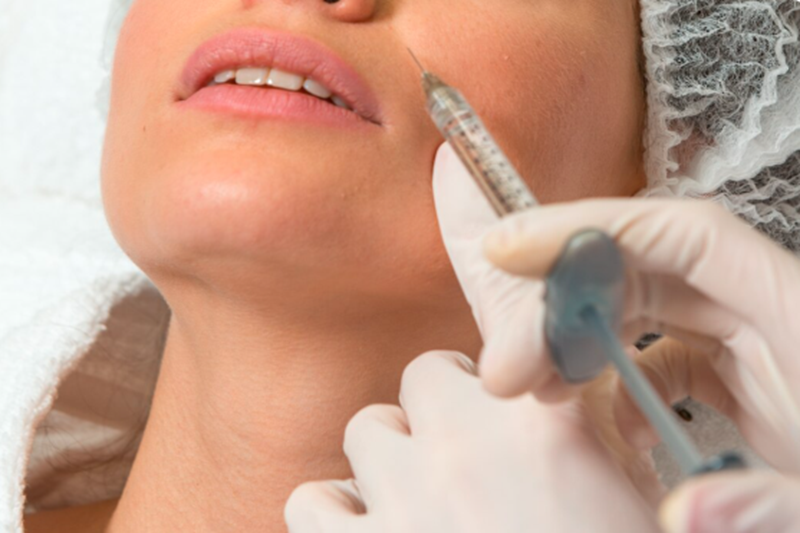
One of the reasons Juvederm remains popular is its versatility. Depending on the specific formulation and treatment plan, it can be used for several cosmetic purposes.
Restoring Lost Facial Volume
Aging can lead to volume loss around the cheeks, temples, and other areas of the face. Restoring some of this volume can create a more balanced and refreshed appearance.
The objective is generally to replace volume gradually rather than create an overly full look.
Smoothing Facial Lines
Dermal fillers can reduce the appearance of certain moderate-to-severe facial folds and wrinkles by providing support beneath the skin.
Treatment may soften lines around the mouth and nose, depending on the patient’s anatomy and the selected filler.
Enhancing Lip Volume
Some Juvederm formulations are specifically designed for the lips. They can be used to enhance lip volume, improve definition, and create greater symmetry.
A conservative approach is often preferable for patients who want natural-looking lips rather than a dramatically altered appearance.
Defining Facial Contours
Filler can also be used to enhance areas such as the cheeks, chin, and jawline.
Strategic placement may improve facial proportions and create greater definition without requiring surgery.
Which Areas Can Be Treated?
The appropriate treatment areas depend on the specific product, facial anatomy, and treatment goals.
Common areas include:
- Lips
- Cheeks
- Nasolabial folds
- Marionette lines
- Chin
- Jawline
- Lower face
- Certain areas affected by age-related volume loss
Not every filler is appropriate for every anatomical location. The product should be selected according to its intended use and the characteristics of the treatment area.
How Does Juvederm Work?
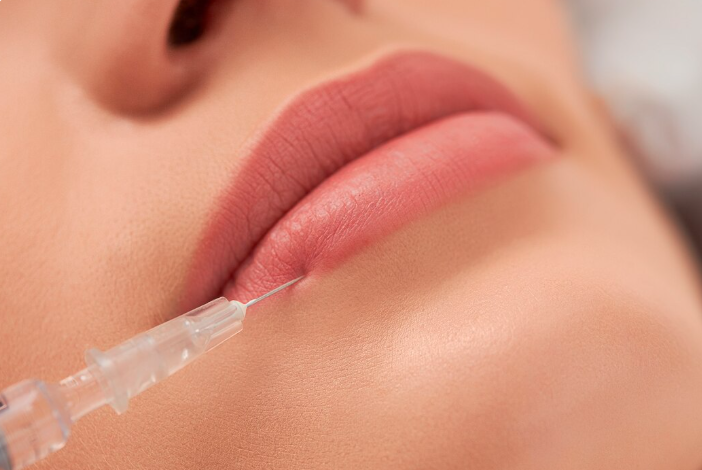
Juvederm works primarily by introducing hyaluronic acid gel beneath the skin. The filler adds volume and provides structural support in the targeted area.
Hyaluronic acid also has the ability to attract and retain water. This contributes to hydration and can help create a smoother appearance.
The final effect depends on several factors, including:
- The type of filler used
- Injection technique
- Treatment area
- Amount of product injected
- Individual facial anatomy
- Skin quality
- Metabolism
- Lifestyle factors
Because every face is different, treatment plans should be individualized rather than based on a standard amount of filler.
What Happens During a Juvederm Treatment?
Before treatment, a qualified medical professional should evaluate your face and discuss your aesthetic goals.
The consultation may include an assessment of:
- Facial proportions
- Existing volume
- Skin condition
- Previous cosmetic treatments
- Medical history
- Allergies and sensitivities
- Current medications
- Desired outcome
Once the treatment plan has been established, the skin is cleansed and the selected areas are carefully marked or assessed.
The filler is then injected using an appropriate technique. Depending on the treatment area, a needle or cannula may be used.
Many formulations contain lidocaine, a local anesthetic intended to improve patient comfort during injection.
The length of the appointment varies according to the number of areas being treated and the complexity of the treatment plan.
When Will You See Juvederm Results?
Some changes may be visible immediately after treatment because the filler itself adds volume at the time of injection.
However, the initial appearance should not always be considered the final result. Mild swelling or temporary redness can make the treated area appear fuller during the first few days.
As these temporary effects settle, the final appearance becomes easier to evaluate.
For many patients, the result looks increasingly natural as swelling decreases and the filler integrates with the surrounding tissue.
How Long Do Juvederm Results Last?
The longevity of Juvederm depends on several variables.
These may include:
- The specific formulation used
- Treatment location
- Amount of filler injected
- Individual metabolism
- Lifestyle
- Skin characteristics
- Muscle movement in the treated area
Areas with frequent movement, such as the lips, may metabolize filler differently from areas with less movement.
Some results can last for many months, while other treatments may remain noticeable for a year or longer. Your practitioner can provide a more realistic estimate after evaluating the treatment area and selecting the appropriate product.
It is important to understand that dermal fillers are not permanent. Maintenance treatments may eventually be required if you want to preserve the result.
How Natural Should the Results Look?
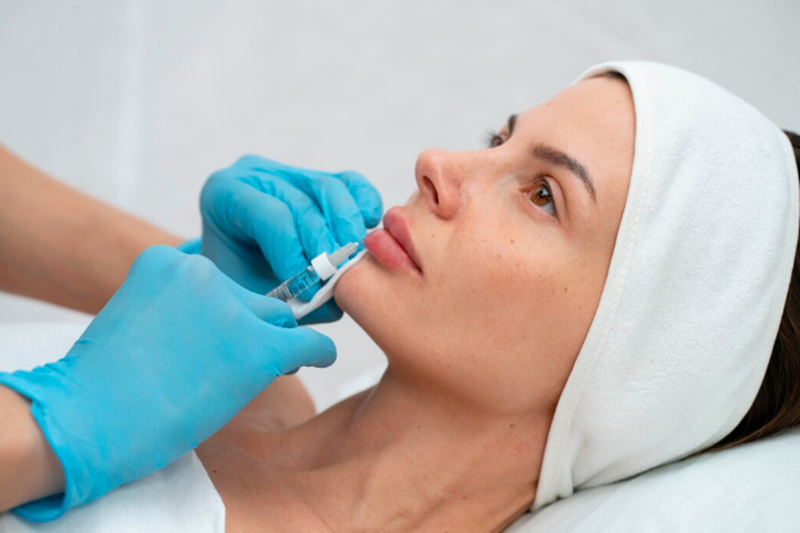
A successful filler treatment should complement your existing facial features rather than make the face look noticeably altered.
Good results generally depend on:
Proper Product Selection
Different formulations have different characteristics. A filler designed for subtle lip enhancement may not be the ideal choice for creating structural support in the chin or jawline.
Appropriate Volume
Using more product does not necessarily produce a better result. Excessive filler can create an unnatural or disproportionate appearance.
Precise Injection Technique
Injection depth, placement, product selection, and anatomical knowledge all influence the final result.
Individualized Planning
Every patient’s facial structure is different. A treatment plan that works well for one person may not be appropriate for another.
Is Juvederm Safe?
When administered by a qualified and appropriately trained medical professional, hyaluronic acid fillers are generally considered established cosmetic treatments.
However, as with any injectable procedure, side effects and complications are possible.
Common temporary reactions can include:
- Redness
- Swelling
- Bruising
- Tenderness
- Mild discomfort
- Temporary firmness
- Itching around the injection site
These effects typically improve as the treated area settles.
More serious complications are uncommon but can occur. One of the most important reasons to choose an experienced medical injector is the need for a thorough understanding of facial anatomy and appropriate management of potential complications.
Who May Not Be a Suitable Candidate?
Although many adults can potentially benefit from Juvederm, treatment is not appropriate for everyone.
A practitioner may recommend postponing or avoiding treatment in certain circumstances, including active infections near the intended injection area or certain medical conditions.
Patients should also disclose:
- Previous filler treatments
- Known allergies
- Current medications
- Pregnancy or breastfeeding
- History of significant reactions to injectable treatments
- Any relevant medical conditions
A proper consultation is essential before treatment.
Juvederm Aftercare: What Should You Avoid?
Following aftercare instructions can help minimize temporary side effects and support a smoother recovery.
Depending on the treated area and your practitioner’s instructions, you may be advised to avoid intense exercise, excessive heat, alcohol, or unnecessary pressure on the treated area for a short period.
It is also important not to massage or manipulate the treated area unless your provider specifically recommends doing so.
Aftercare recommendations can vary, so personalized medical advice should take priority over general guidelines.
Can Juvederm Be Reversed?
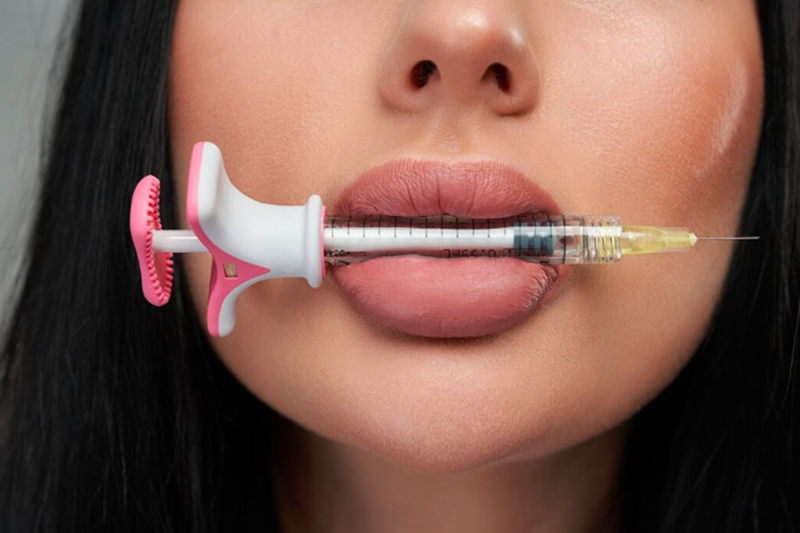
One advantage of hyaluronic acid-based fillers is that they can generally be treated with an enzyme called hyaluronidase when medically appropriate.
Hyaluronidase breaks down hyaluronic acid and may be used when a practitioner needs to reduce or dissolve filler.
However, this does not mean that every unwanted result should immediately be dissolved. Swelling and temporary asymmetry can occur after injections and may improve naturally as the treatment settles.
Any decision regarding reversal should be made by a qualified medical professional.
Juvederm vs. Other Cosmetic Treatments
Juvederm is only one option for facial rejuvenation and enhancement.
Other treatments may be more appropriate depending on the concern being addressed.
For example:
- Botox is primarily used to temporarily relax targeted facial muscles.
- Skin-tightening treatments focus on laxity and skin quality.
- Chemical peels can improve certain surface-level skin concerns.
- Laser treatments may target pigmentation, texture, or vascular concerns.
- Surgical procedures may be considered when significant tissue laxity or structural changes are present.
In some cases, different treatments can be combined as part of a comprehensive aesthetic plan.
How to Get the Best Juvederm Results
The quality of the final result depends on more than the filler itself.
Consider the following before choosing treatment:
Choose a Qualified Practitioner
Experience and anatomical knowledge are particularly important when treating areas with complex blood vessels and delicate structures.
Prioritize Natural-Looking Goals
Explain exactly what you want to improve rather than simply requesting a specific amount of filler.
A skilled practitioner can determine whether filler is actually the most appropriate solution.
Avoid Overcorrection
More volume does not automatically mean better results. Conservative treatment can often produce a more balanced appearance.
Follow Aftercare Instructions
Your provider’s recommendations should be followed carefully, especially during the first few days following treatment.
Plan Maintenance Carefully
If you like your results, discuss an appropriate maintenance strategy rather than waiting until the original treatment has completely disappeared.
What Factors Can Affect Treatment Results?

Several factors can influence how a patient’s face responds to filler.
Age, metabolism, skin elasticity, lifestyle, sun exposure, smoking, and repeated facial movement may all influence longevity and appearance.
The treatment area is also important. A highly mobile area may require a different approach from an area where structural support is the primary goal.
This is why online comparisons of how long filler lasts should be viewed as general information rather than a guarantee of individual results.
How Much Juvederm Do You Need?
There is no universal amount that is appropriate for every patient.
The amount depends on:
- The treatment area
- Degree of volume loss
- Desired level of enhancement
- Facial proportions
- Product characteristics
- Previous filler treatments
An experienced practitioner may recommend starting conservatively and assessing the result before considering additional product.
This approach can help prevent overcorrection and preserve natural facial movement.
When Should You Consider a Consultation?
A consultation may be appropriate if you are considering facial volume restoration, lip enhancement, wrinkle reduction, or improved facial definition.
During the appointment, ask about:
- The recommended filler
- Expected results
- Potential risks
- Longevity
- Recovery
- Maintenance
- Alternative treatments
- The practitioner’s experience
A good consultation should feel like a two-way discussion rather than a sales appointment.
FAQ
How long does Juvederm last?
The duration varies depending on the specific formulation, treatment area, metabolism, and lifestyle. Some results may last several months, while others can remain noticeable for a year or longer.
Is Juvederm painful?
Most patients experience only mild discomfort. Many formulations contain lidocaine, and practitioners may use additional numbing measures when appropriate.
When can I return to normal activities?
Many people return to routine activities quickly, although temporary swelling or bruising may occur. Your provider will explain any activity restrictions specific to your treatment.
Can Juvederm look natural?
Yes. Natural-looking results are possible when the appropriate product and amount are selected and injections are performed with careful attention to facial anatomy and proportions.
Can Juvederm be removed?
Hyaluronic acid filler can generally be reduced or dissolved using hyaluronidase when medically appropriate. This should only be performed or recommended by a qualified medical professional.
Is Juvederm permanent?
No. Juvederm is a temporary treatment. Over time, the body gradually breaks down the hyaluronic acid, and maintenance treatments may be considered if you want to preserve the effect.
Can Juvederm be combined with other treatments?
In some cases, filler can be incorporated into a broader aesthetic treatment plan. Whether combining procedures is appropriate depends on your goals, medical history, and the treatments being considered.
Conclusion
Juvederm can help restore facial volume, improve definition, soften certain lines, and enhance facial proportions with natural-looking results. The right product, amount, injection technique, and treatment plan should always be tailored to the individual.
At Paramy Poly Clinic, a personalized consultation can help determine whether Juvederm is suitable for your facial structure and aesthetic goals. When performed by a qualified practitioner, treatment can provide subtle enhancement with minimal downtime.