
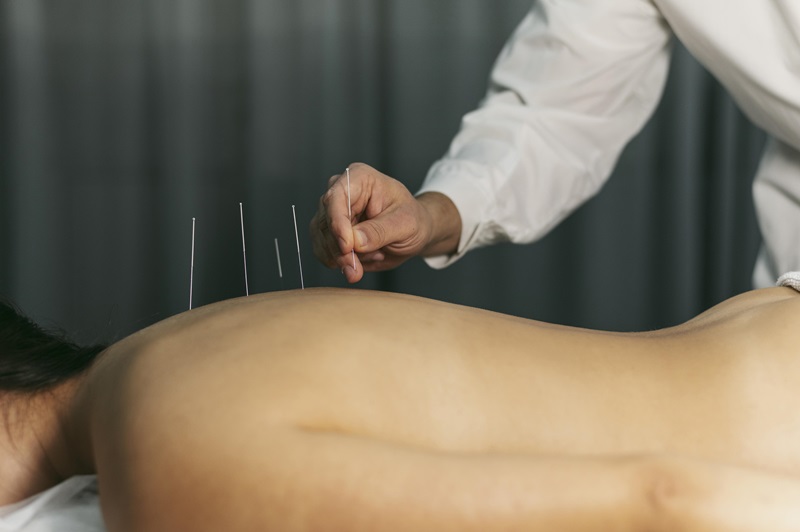
Acupuncture is an ancient healing technique that has been practiced for thousands of years as part of traditional Chinese medicine. Today, this therapy has gained worldwide popularity as a complementary approach that combines traditional healing methods with modern health practices.
By using thin needles placed at specific points on the body, acupuncture aims to stimulate natural healing responses, regulate the nervous system, and support overall balance. Modern studies have explored its effects on pain management, stress reduction, sleep quality, and general wellness.
As more people search for natural and holistic approaches to improving their health, understanding the Benefits of Acupuncture can help individuals make better decisions about incorporating this therapy into their wellness routine.
What Is Acupuncture and How Does It Work?
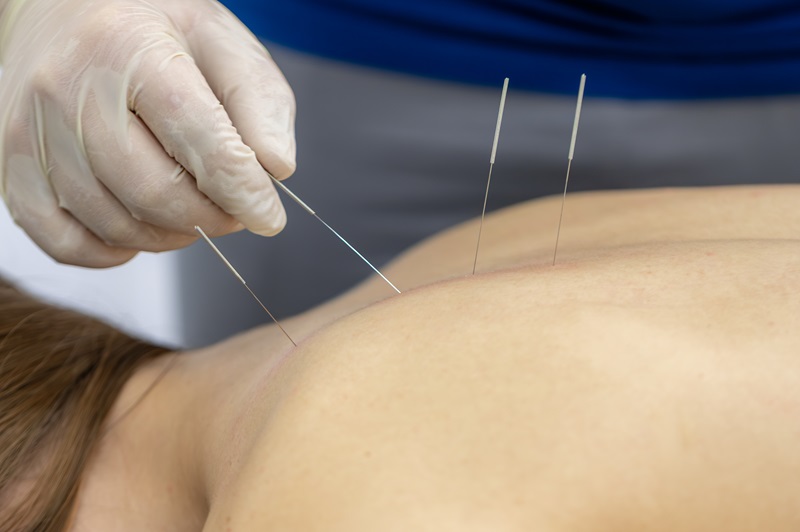
Acupuncture is a therapeutic practice that involves inserting very fine needles into specific points of the body. In traditional Chinese medicine, these points are believed to influence the flow of energy throughout the body.
From a modern medical perspective, acupuncture may work by stimulating nerves, affecting brain activity, encouraging the release of natural pain-relieving chemicals, and influencing the body’s stress and inflammatory responses.
Although researchers continue to study the exact mechanisms behind acupuncture, many studies suggest that it may provide benefits for specific health conditions, especially when used alongside conventional medical treatments.
Top 10 Benefits of Acupuncture
1. Acupuncture Helps Relieve Chronic Pain
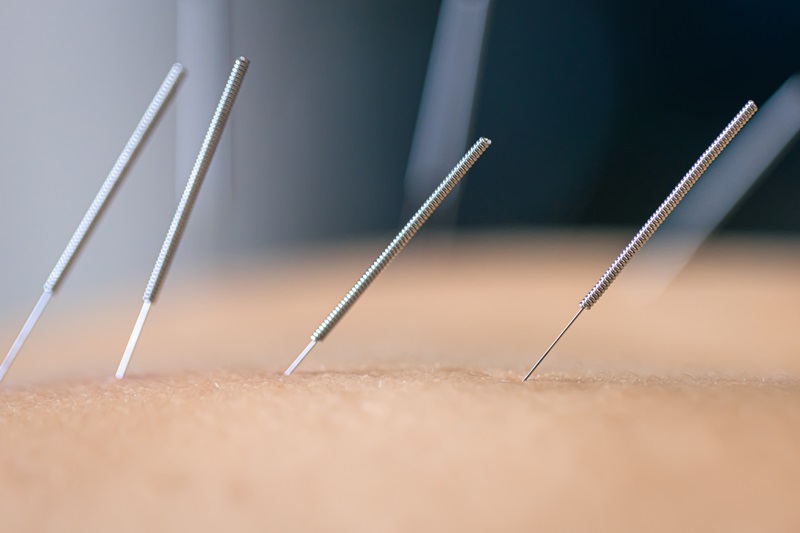
One of the most well-known Benefits of Acupuncture is its role in supporting pain management. Many people use acupuncture to help reduce discomfort caused by conditions such as lower back pain, neck pain, arthritis, muscle tension, and recurring headaches.
Acupuncture may influence pain signals between the body and brain while stimulating the release of endorphins, which are natural chemicals involved in reducing pain sensations.
For individuals dealing with long-term discomfort, acupuncture can be a valuable complementary option when combined with proper medical care.
2. Reduces Stress and Promotes Relaxation
Stress has become a common challenge in modern life and can negatively affect both physical and emotional health. Acupuncture may help calm the nervous system and encourage the body to enter a more relaxed state.
Many people experience a sense of calmness after acupuncture sessions. By supporting relaxation and reducing tension, acupuncture may help improve emotional balance and overall well-being.
3. Improves Sleep Quality
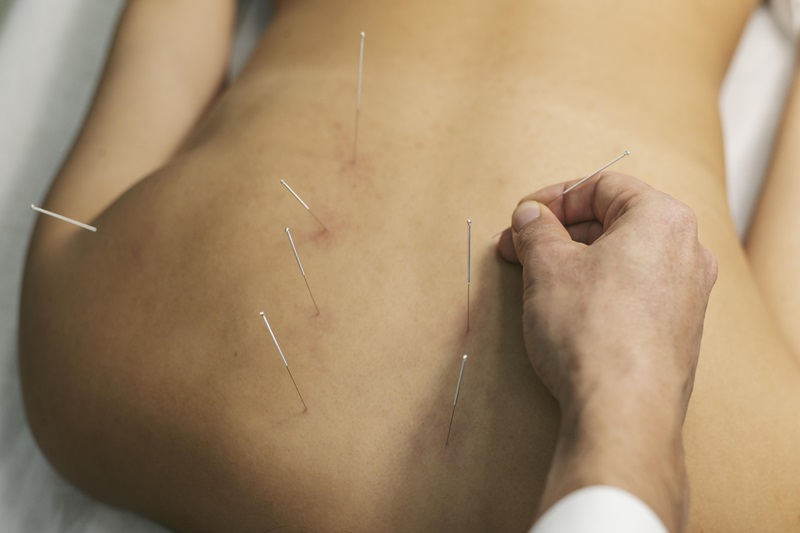
Healthy sleep is essential for physical recovery, mental clarity, and emotional stability. Acupuncture may support better sleep patterns by helping regulate the nervous system and reducing factors that contribute to sleep difficulties.
People experiencing stress-related insomnia or discomfort that affects their sleep may use acupuncture as part of a broader approach to improving sleep quality.
4. Supports Skin Health and Facial Rejuvenation
Acupuncture is not only used for internal health concerns but has also gained attention in beauty and wellness treatments.
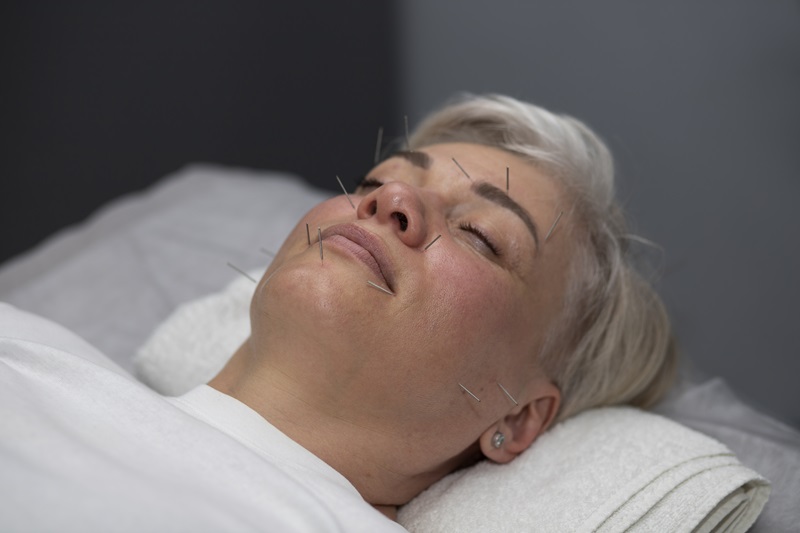
Cosmetic Acupuncture is a specialized technique that focuses on facial rejuvenation by stimulating specific points that may support circulation, skin health, and natural collagen production.
Many individuals choose cosmetic acupuncture as a non-invasive approach to maintaining healthier-looking skin and promoting a more refreshed appearance.
5. Supports Digestive Health
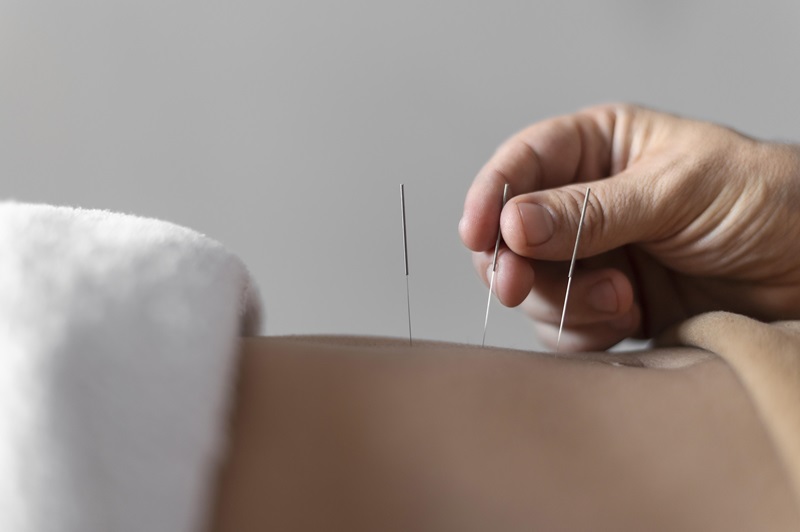
Digestive problems such as bloating, irregular digestion, and abdominal discomfort can affect daily life and overall wellness.
Acupuncture may help support digestive function by influencing the nervous system and improving the body’s natural regulation processes. Some individuals use acupuncture as a complementary approach for digestive concerns, including symptoms related to irritable bowel syndrome (IBS).
6. Helps Support Hormonal Balance
Hormonal changes can affect energy levels, mood, sleep quality, and reproductive health. Acupuncture is often used alongside conventional healthcare approaches to support overall hormonal wellness.
Some people seek acupuncture for menstrual discomfort, menopause-related symptoms, and fertility support. However, it should be considered a supportive therapy rather than a replacement for medical treatment.
7. Enhances Energy and General Wellness

Many acupuncture patients report feeling more balanced, relaxed, and energized after treatment.
By supporting circulation, nervous system regulation, and stress management, acupuncture may contribute to improved overall wellness. When combined with healthy lifestyle habits such as regular exercise and balanced nutrition, it can become part of a comprehensive wellness routine.
8. Helps Manage Headaches and Migraines
Frequent headaches and migraines can significantly affect daily activities and quality of life. Acupuncture has been studied as a complementary method that may help reduce the frequency and intensity of certain types of headaches.
Its effects on nerve stimulation, muscle relaxation, and pain regulation may explain why many people consider acupuncture as part of their headache management strategy.
9. Supports Muscle Recovery and Physical Wellness
Acupuncture is increasingly used by active individuals and athletes who want to support muscle recovery and reduce physical discomfort.
By encouraging circulation and influencing inflammatory responses, acupuncture may help support the body’s natural recovery process after exercise, physical strain, or injury.
10. Encourages a Holistic Approach to Health
One of the important Benefits of Acupuncture is its focus on the connection between physical health, mental well-being, and lifestyle balance.
Instead of focusing only on individual symptoms, acupuncture takes a broader approach by considering the relationship between the body, mind, and daily habits.
This holistic perspective has helped acupuncture become a popular choice for people looking for natural ways to support their overall health.
Is Acupuncture Safe?
When performed by a qualified and experienced practitioner, acupuncture is generally considered a safe treatment option.
The needles used during acupuncture sessions are sterile, extremely thin, and designed for single use. Some people may experience temporary effects such as mild soreness, small bruises, slight tiredness, or light dizziness.
Individuals with specific medical conditions or those taking certain medications should consult a healthcare professional before starting acupuncture treatment.
Who Can Benefit from Acupuncture?
Acupuncture may be suitable for people who want support with:
- Chronic pain management
- Stress reduction
- Sleep improvement
- Muscle tension
- General wellness
- Skin rejuvenation
However, results can vary depending on individual health conditions, lifestyle factors, and treatment goals.
Acupuncture and Modern Healthcare
Today, acupuncture is often used as a complementary therapy alongside modern healthcare. Many professionals recognize its potential value when combined with evidence-based treatments.
The most effective approach usually involves proper diagnosis, healthy lifestyle choices, and professional medical guidance.
Frequently Asked Questions About the Benefits of Acupuncture
1. What are the main benefits of acupuncture?
The main Benefits of Acupuncture include supporting pain relief, reducing stress, improving sleep quality, supporting digestive health, and promoting overall wellness.
2. Does acupuncture really work?
Research suggests that acupuncture may be effective for certain conditions, especially some types of chronic pain and headaches. However, results can vary between individuals.
3. Is acupuncture painful?
Most people experience minimal discomfort during acupuncture because the needles are very thin. Some individuals may feel mild pressure, warmth, or tingling during treatment.
4. How many acupuncture sessions are needed?
The number of sessions depends on the individual’s condition, health goals, and response to treatment. Some people notice improvements after several sessions, while others may require a longer treatment plan.
5. Can acupuncture replace medical treatment?
No. Acupuncture should not replace necessary medical care. It is best used as a complementary therapy that supports overall health alongside professional medical treatment.
6. What is Cosmetic Acupuncture used for?
Cosmetic Acupuncture is used as a natural facial wellness treatment that aims to support skin appearance, circulation, and facial rejuvenation without invasive procedures.
7. Why is Cosmetic Acupuncture in Dubai becoming popular?
Cosmetic Acupuncture in Dubai is becoming increasingly popular among people interested in combining beauty treatments with holistic wellness approaches. Many individuals choose this method as a natural option to support healthier-looking skin and overall well-being.
Final Thoughts
Acupuncture continues to connect ancient healing traditions with modern wellness practices. From supporting pain management and reducing stress to improving sleep, digestion, and skin health, the Benefits of Acupuncture have made this therapy popular around the world.
Although acupuncture is not a replacement for professional medical care, it can be a valuable complementary treatment when performed by trained practitioners.
With growing interest in natural and personalized wellness solutions, treatments such as Cosmetic Acupuncture in Dubai provide modern options for individuals seeking holistic approaches to beauty and health.