
IV therapy has become one of the fastest-growing wellness and medical treatments worldwide. From hydration and vitamin supplementation to recovery support and medically indicated infusions, intravenous therapy is now offered in hospitals, clinics, and specialized wellness centers. Understanding the real IV therapy Dubai benefits requires separating evidence-based medical uses from wellness claims that continue to be studied.
For people searching for an IV drip near me, it’s important to understand what IV therapy can realistically accomplish, who may benefit from it, and when oral hydration or supplements may be equally effective.
What Is IV Therapy?
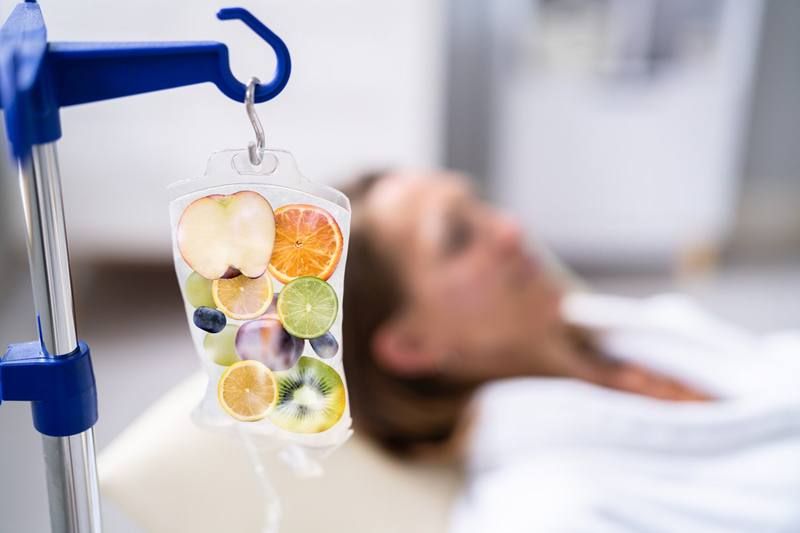
Intravenous (IV) therapy delivers fluids, vitamins, minerals, electrolytes, or medications directly into the bloodstream. Because the digestive system is bypassed, nutrients become immediately available to the body.
IV therapy has been used in medicine for decades to treat:
- Dehydration
- Electrolyte imbalances
- Severe infections
- Nutritional deficiencies
- Medication administration
- Certain chronic illnesses
In recent years, wellness-focused IV infusions have also become increasingly popular.
How Does IV Therapy Work?
During treatment, a qualified healthcare professional inserts a small catheter into a vein, usually in the arm. The customized solution is delivered slowly over 30–90 minutes, depending on the formulation.
The exact ingredients vary according to the individual’s needs and medical assessment.
Evidence-Based IV Therapy Dubai Benefits
The proven benefits of IV therapy depend on the patient’s condition.
Clinically supported uses include:
- Rapid fluid replacement
- Correction of dehydration
- Electrolyte restoration
- Treatment of documented vitamin deficiencies
- Medication delivery
- Nutritional support when oral intake is inadequate
For otherwise healthy individuals, many wellness-related benefits—such as improved energy, enhanced recovery, or general well-being—are still being researched, and evidence varies depending on the specific treatment.
Common Types of IV Therapy
Hydration Therapy
Hydration drips primarily replace fluids and electrolytes after dehydration caused by illness, heat exposure, strenuous exercise, or travel.
Vitamin Infusions
Some clinics offer customized vitamin infusion Dubai treatments containing vitamins such as vitamin C, B-complex vitamins, magnesium, or other nutrients based on individual needs.
NAD+ Therapy
One of the more recent regenerative wellness treatments is the NAD+ drip Dubai, which is being explored for its potential role in cellular metabolism and healthy aging. While early research is promising, further high-quality clinical studies are needed before broad conclusions can be made.
Multivitamin Therapy
Customized IV multivitamin therapy may be recommended in specific situations where oral supplementation is not suitable or where rapid nutritional support is clinically appropriate.
Who May Benefit From IV Therapy?
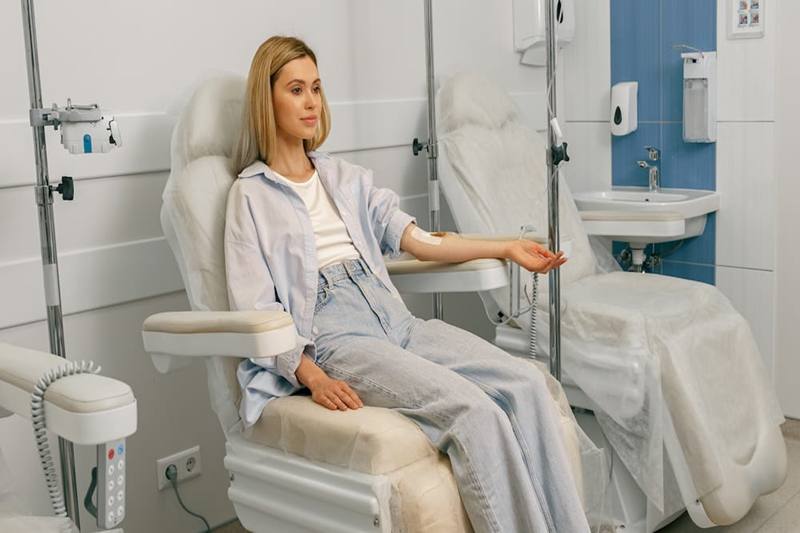
Depending on medical evaluation, IV therapy may benefit:
- Individuals with dehydration
- Patients recovering from illness
- Athletes requiring fluid replacement
- People with certain nutritional deficiencies
- Individuals unable to tolerate oral fluids
- Patients receiving physician-directed nutritional support
Not everyone requires IV therapy, and treatment should always be tailored to individual health needs.
When Is IV Therapy Worth It?
IV therapy is generally most valuable when there is a clear medical indication, such as dehydration, significant nutrient deficiencies, or the need for medications that must be administered intravenously.
For wellness purposes, the decision should be based on a consultation with a qualified healthcare professional who can determine whether the expected benefits outweigh the costs and whether alternative options may be appropriate.
What Happens During an IV Therapy Session?
A typical appointment includes:
- Medical consultation
- Review of medical history
- Selection of an appropriate IV formula
- Placement of the IV catheter
- Administration of the infusion
- Short observation period
Most sessions last between 30 and 90 minutes.
Safety Considerations
When performed by trained professionals using sterile techniques, IV therapy is generally considered safe.
Possible side effects include:
- Mild bruising
- Temporary discomfort
- Minor swelling
- Rare infection
- Vein irritation
People with kidney disease, heart disease, or certain chronic medical conditions should always consult their physician before receiving IV therapy.
Wellness IV Therapy: What Does the Research Say?
Wellness IV therapy continues to gain popularity among individuals seeking hydration, nutritional support, or post-exercise recovery.
Although many people report subjective improvements in energy or well-being, current scientific evidence supporting routine IV therapy in healthy individuals remains limited. More large-scale clinical trials are needed to establish the effectiveness of many wellness formulations.
Specialized IV Therapy Programs
Some clinics provide individualized infusion programs designed around a patient’s health goals.
Examples include:
- Hydration support
- Recovery protocols
- Nutritional optimization
- Performance-focused formulations
Some providers also offer IV multivitamin therapy Dubai as part of physician-supervised wellness programs after appropriate assessment.
Can IV Therapy Support Immunity?
Maintaining a healthy immune system depends primarily on balanced nutrition, adequate sleep, regular exercise, stress management, and vaccination when appropriate.
Some wellness clinics offer an immune boost drip, but while these formulations may contain vitamins and minerals involved in normal immune function, evidence supporting routine immune enhancement through IV therapy in otherwise healthy individuals is still limited.
Detox IV Therapy: Does It Work?
The human body naturally removes waste products through the liver, kidneys, lungs, and digestive system.
Some wellness providers offer an IV detox drip Dubai, but current scientific evidence does not support the idea that IV infusions “detoxify” the body beyond its normal physiological processes. These treatments may help with hydration in appropriate situations, but they should not be viewed as a replacement for healthy lifestyle habits or medical care.
Choosing the Right Clinic
Before starting treatment, consider the following:
- Physician supervision
- Qualified medical staff
- Sterile clinical environment
- Individual health assessment
- Transparent treatment recommendations
- Clear discussion of benefits, risks, and limitations
Avoid clinics that guarantee unrealistic results or claim IV therapy can cure multiple unrelated conditions.
Frequently Asked Questions (FAQ)
Is IV therapy better than drinking water?
For healthy individuals, drinking water is usually sufficient for maintaining hydration. IV therapy is generally reserved for situations where rapid fluid replacement or medical treatment is necessary.
How long does an IV session take?
Most appointments last between 30 and 90 minutes, depending on the type of infusion.
Is IV therapy painful?
Most patients experience only mild discomfort during needle insertion.
Can everyone receive IV therapy?
No. Certain medical conditions may make IV therapy inappropriate. A healthcare professional should evaluate each patient before treatment.
How often should IV therapy be performed?
The appropriate frequency depends on the individual’s medical condition, treatment goals, and professional medical advice.
Conclusion
Understanding IV therapy Dubai benefits requires a balanced, evidence-based perspective. IV therapy plays an essential role in modern medicine for treating dehydration, nutritional deficiencies, and specific medical conditions. Wellness infusions may also be appropriate for some individuals after professional assessment, but many advertised benefits continue to be investigated through ongoing research. Choosing a qualified provider, understanding realistic expectations, and receiving personalized medical advice remain the most important factors in achieving safe and effective outcomes.