
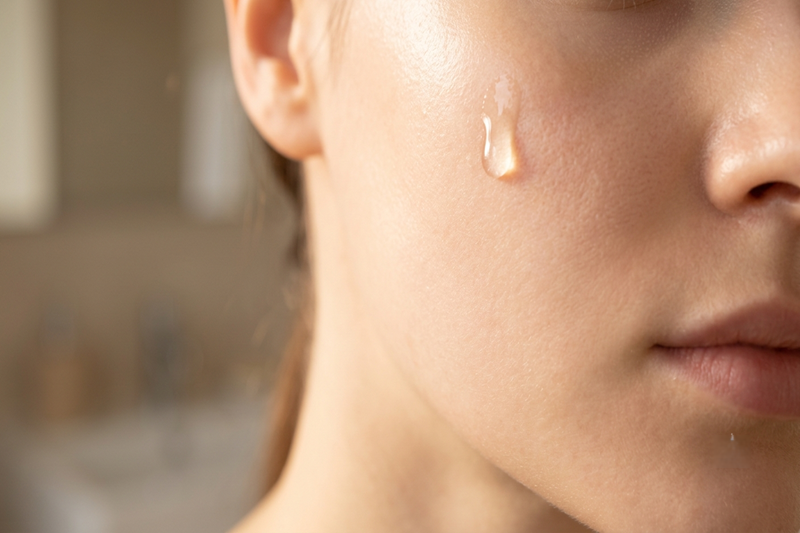
Hyperpigmentation is one of the most common skin concerns affecting people of all skin types and ages. Whether it appears as post-acne marks, sunspots, melasma, or uneven skin tone, these dark patches can be frustrating and difficult to fade without the right skincare routine.
One ingredient that has earned a strong reputation in dermatology and aesthetic medicine is glycolic acid for hyperpigmentation. As one of the most effective alpha hydroxy acids (AHAs), glycolic acid gently exfoliates the skin, accelerates cell turnover, and helps reveal a brighter, more even complexion over time.
In this guide, you’ll learn how glycolic acid for hyperpigmentation works, its key benefits, the correct way to use it, potential side effects, and when professional treatments may be the better option.
What Is Glycolic Acid?
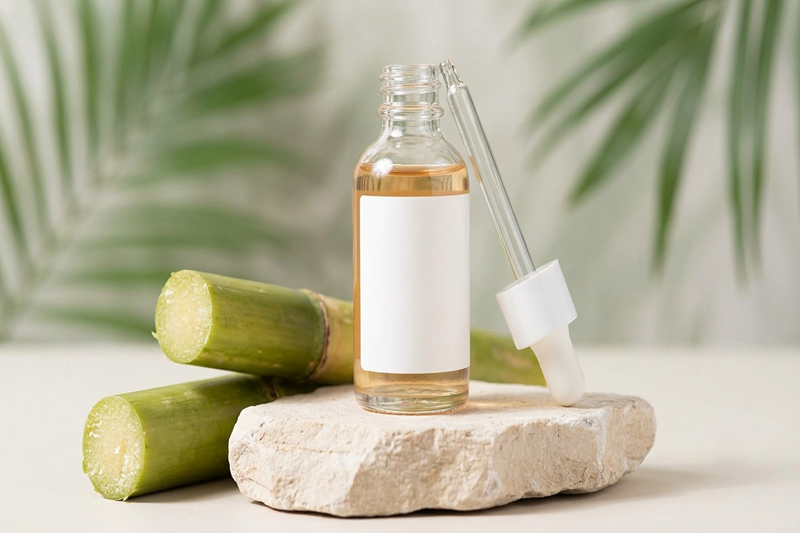
Glycolic acid is an alpha hydroxy acid (AHA) naturally derived from sugar cane. Among all AHAs, it has the smallest molecular size, allowing it to penetrate the skin more effectively than many other exfoliating acids.
Its primary function is to dissolve the bonds that hold dead skin cells together. By removing these dull surface cells, glycolic acid promotes healthier skin renewal and encourages fresh, evenly pigmented skin to emerge.
Today, glycolic acid is commonly found in:
- Cleansers
- Toners
- Serums
- Night creams
- Chemical peels
- Professional facial treatments
Because of its versatility, glycolic acid for hyperpigmentation has become a staple ingredient in both at-home skincare routines and clinical procedures.
What Causes Hyperpigmentation?
Before understanding why glycolic acid for hyperpigmentation works so well, it’s important to know what causes pigmentation in the first place.
Hyperpigmentation occurs when melanocytes produce excess melanin, the pigment responsible for skin color. This overproduction may be triggered by several factors.
Sun Exposure
Ultraviolet (UV) rays stimulate melanin production as a natural defense mechanism. Over time, repeated sun exposure can lead to age spots, freckles, and uneven pigmentation.
Acne and Skin Injuries
Inflammation from acne, burns, eczema, or cosmetic procedures may leave behind dark marks known as post-inflammatory hyperpigmentation (PIH).
Hormonal Changes
Conditions like melasma are often associated with hormonal fluctuations during pregnancy or while taking hormonal medications.
Aging
As skin ages, cumulative UV damage and slower cell turnover contribute to discoloration and uneven skin tone.
How Does Glycolic Acid Help Hyperpigmentation?
The effectiveness of glycolic acid for hyperpigmentation comes from several complementary mechanisms rather than a single action.
Speeds Up Skin Cell Turnover
Dark pigment often remains trapped in older skin cells.
Glycolic acid accelerates the natural shedding process, allowing pigmented cells to be replaced more quickly with healthier, brighter skin.
Removes Surface Pigmentation
Regular exfoliation gradually fades superficial discoloration, helping improve overall skin clarity.
Improves Product Absorption
By removing dead skin cells, glycolic acid allows brightening ingredients like vitamin C, niacinamide, azelaic acid, and tranexamic acid to penetrate more effectively.
Stimulates Collagen Production
Research suggests glycolic acid may encourage collagen synthesis, leading to smoother skin texture while reducing the appearance of acne scars and fine lines.
Benefits of Glycolic Acid for Hyperpigmentation
Using glycolic acid for hyperpigmentation consistently can provide numerous improvements beyond fading dark spots.
Creates a More Even Skin Tone
One of the biggest benefits is gradual improvement in overall skin uniformity. Areas of discoloration slowly become less noticeable, creating a brighter complexion.
Brightens Dull Skin
Dead skin cells often make the face appear tired and uneven. Glycolic acid restores natural radiance by revealing fresher skin underneath.
Reduces Acne Marks
Post-inflammatory hyperpigmentation is especially responsive to glycolic acid, making it a popular ingredient for individuals recovering from acne breakouts.
Smooths Skin Texture
Besides improving pigmentation, glycolic acid softens rough patches and minimizes uneven texture.
Supports Long-Term Skin Renewal
Consistent exfoliation promotes healthier skin regeneration, which helps maintain clearer, more youthful-looking skin over time.
Who Can Benefit from Glycolic Acid?

Many individuals can safely incorporate glycolic acid for hyperpigmentation into their skincare routine.
It may be particularly helpful for people with:
- Sunspots
- Acne scars
- Post-inflammatory hyperpigmentation
- Uneven skin tone
- Rough skin texture
- Mild melasma
- Early signs of aging
However, those with highly sensitive skin, active eczema, rosacea, or impaired skin barriers should consult a skincare professional before introducing glycolic acid into their regimen.
Choosing the Right Glycolic Acid Strength
Not all glycolic acid products are created equal. Selecting the appropriate concentration is essential for achieving results while minimizing irritation.
5–7%
Ideal for beginners and sensitive skin.
Provides gentle exfoliation suitable for regular home use.
8–10%
Appropriate for experienced users seeking faster improvement in pigmentation and skin texture.
20–70%
Reserved for professional chemical peels performed under medical supervision.
These stronger formulations deliver more dramatic improvements but require expert application to ensure safety and optimal healing.
How to Use Glycolic Acid for Hyperpigmentation Safely
Although glycolic acid for hyperpigmentation is highly effective, using it incorrectly can lead to irritation, dryness, and even worsen pigmentation in some cases. A gradual, consistent approach is the key to achieving healthy, long-lasting results.
Step 1: Perform a Patch Test
Before applying any glycolic acid product to your face, test it on a small area of skin such as behind the ear or along the jawline.
Wait 24 hours to ensure you do not experience excessive redness, swelling, burning, or itching.
Step 2: Start Slowly
If you’re new to chemical exfoliants, begin by using glycolic acid once or twice a week.
As your skin becomes more tolerant, you can gradually increase usage to two or three nights per week if recommended for your skin type.
Daily application is not necessary for most people and may increase the risk of irritation.
Step 3: Apply to Clean, Dry Skin
After cleansing your face, allow your skin to dry completely before applying glycolic acid.
Applying acids to damp skin increases penetration, which may cause unnecessary sensitivity.
Use only a thin, even layer and avoid the eye area and lips.
Step 4: Follow with Moisturizer
Hydration plays an essential role in maintaining a healthy skin barrier.
Choose a moisturizer containing ingredients such as:
- Ceramides
- Hyaluronic acid
- Glycerin
- Panthenol
These ingredients help reduce dryness while supporting skin repair.
Step 5: Never Skip Sunscreen
Perhaps the most important step when using glycolic acid for hyperpigmentation is daily sun protection.
Freshly exfoliated skin is more vulnerable to UV damage. Without sunscreen, dark spots may return or become even more noticeable.
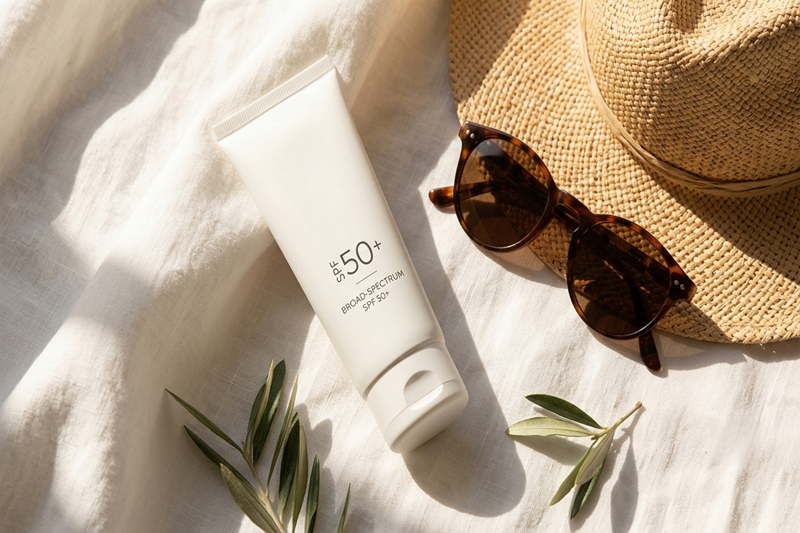
Choose a broad-spectrum SPF 30 or higher every morning—even on cloudy days.
When Will You See Results?
Patience is essential.
Unlike makeup or instant cosmetic procedures, glycolic acid works gradually as the skin naturally renews itself.
Many people notice:
- Brighter skin within 2–4 weeks
- Improved texture after one month
- Visible fading of pigmentation after 6–12 weeks
- Continued improvement with consistent long-term use
The timeline depends on factors including skin type, the depth of pigmentation, product strength, and sun protection habits.
Common Mistakes to Avoid
Many people unintentionally reduce the effectiveness of glycolic acid for hyperpigmentation by making simple skincare mistakes.
Using Too Much Product
Applying multiple layers does not produce faster results.
Instead, it increases irritation and compromises the skin barrier.
Combining Too Many Active Ingredients
Avoid introducing several strong exfoliants at the same time.
For example, using glycolic acid together with high-strength retinoids or multiple acids in one routine may overwhelm the skin.
Instead, alternate active ingredients on different evenings whenever possible.
Over-Exfoliating
Healthy skin requires balance.
Exfoliating every day may cause:
- Persistent redness
- Dryness
- Peeling
- Increased sensitivity
- Post-inflammatory pigmentation
Sometimes, less truly is more.
Ignoring Moisturizer
A damaged skin barrier slows recovery and may worsen discoloration.
Always replenish moisture after exfoliation.
Forgetting Daily SPF
Sun exposure is one of the leading causes of recurring pigmentation.
Without consistent sunscreen use, even the best skincare routine will struggle to deliver lasting improvements.
Can Glycolic Acid Treat Every Type of Hyperpigmentation?
While glycolic acid for hyperpigmentation is highly effective for many superficial pigment concerns, it is not a universal solution.
Post-Inflammatory Hyperpigmentation
One of the best indications.
Dark marks left after acne often respond very well.
Sunspots
Excellent improvement can often be achieved with regular exfoliation combined with diligent sunscreen use.
Mild Melasma
Results are more variable.
Melasma is influenced by hormones as well as UV exposure, meaning glycolic acid alone may not be sufficient.
A comprehensive treatment plan is often recommended.
Deep Dermal Pigmentation
When pigment lies deeper within the skin, professional treatments usually provide better outcomes than over-the-counter products alone.
Professional Treatments That Complement Glycolic Acid
Home skincare provides gradual improvement, but stubborn pigmentation sometimes requires advanced procedures.
For individuals seeking faster or more dramatic results, professional options such as hyperpigmentation treatment Dubai may combine medical-grade chemical peels, laser technologies, microneedling, and customized skincare protocols to target discoloration more effectively.
Similarly, patients looking for comprehensive skin assessment and personalized cosmetic care often choose the Paramy poly clinic Mirdif official team for individualized treatment plans tailored to different skin concerns.
Glycolic Acid vs. Other Acids for Hyperpigmentation
There are several exfoliating acids used in skincare, but each works differently. Understanding these differences can help you determine whether glycolic acid for hyperpigmentation is the right choice for your skin.
| Acid | Best For | Skin Type | Main Benefit |
| Glycolic Acid | Hyperpigmentation, dullness, uneven texture | Normal, combination, oily | Deep exfoliation and brighter skin |
| Lactic Acid | Mild pigmentation, dry skin | Dry, sensitive | Gentle exfoliation with added hydration |
| Mandelic Acid | Acne-prone and sensitive skin | Sensitive, darker skin tones | Slower penetration with lower irritation risk |
| Salicylic Acid | Acne and clogged pores | Oily skin | Oil-soluble exfoliation inside pores |
| Azelaic Acid | Melasma, acne, rosacea | Most skin types | Brightens while reducing inflammation |
Among these, glycolic acid for hyperpigmentation remains one of the most researched ingredients for improving uneven skin tone because of its ability to accelerate cell turnover effectively.
Ingredients That Pair Well with Glycolic Acid
A well-balanced skincare routine often combines glycolic acid with other ingredients that target pigmentation through different mechanisms.
Vitamin C
Vitamin C is a powerful antioxidant that helps protect the skin from environmental damage while reducing excess melanin production.
Using vitamin C in the morning and glycolic acid at night is a popular combination for achieving a brighter complexion.
Niacinamide
Niacinamide supports the skin barrier and helps reduce the transfer of pigment between skin cells.
It also minimizes irritation, making it an excellent companion to glycolic acid.
Hyaluronic Acid
Because glycolic acid exfoliates the skin, hydration is essential.
Hyaluronic acid attracts moisture and helps maintain soft, plump, comfortable skin.
Ceramides
Ceramides strengthen the skin barrier, reducing dryness and sensitivity that may occur during exfoliation.
Tranexamic Acid
For stubborn pigmentation, especially melasma, tranexamic acid may be incorporated into a dermatologist-recommended treatment plan.
Who Should Avoid Glycolic Acid?
Although glycolic acid for hyperpigmentation is generally safe, it may not be suitable for everyone.
Avoid using glycolic acid if you have:
- Open wounds or broken skin
- Active skin infections
- Severe eczema
- Uncontrolled rosacea
- Recent facial surgery
- Significant sunburn
- Known allergy to alpha hydroxy acids
If you’re undergoing prescription dermatological treatments, consult your healthcare provider before adding glycolic acid to your routine.
Can You Use Glycolic Acid Year-Round?
Yes—but only with proper sun protection.
Many people mistakenly believe glycolic acid should only be used in winter.
In reality, it can be safely used throughout the year if you:
- Apply sunscreen daily
- Reapply SPF when outdoors
- Wear protective clothing and hats during prolonged sun exposure
- Avoid excessive direct sunlight after exfoliation
Consistency matters far more than the season.
Professional Treatments That Enhance Results
While at-home products can significantly improve mild pigmentation, professional procedures often deliver faster and more noticeable results.
One popular option is hydrafacial Dubai, which deeply cleanses, exfoliates, hydrates, and infuses the skin with nourishing serums. When incorporated into a personalized treatment plan, it can complement glycolic acid by improving overall skin texture, radiance, and product absorption.
For more persistent pigmentation, dermatologists may also recommend medical-grade chemical peels, laser therapies, microneedling, or combination treatments based on the underlying cause of discoloration.
Tips for Long-Term Success
Achieving clearer skin requires patience and consistency. To maximize the benefits of glycolic acid for hyperpigmentation, follow these best practices:
- Introduce glycolic acid gradually.
- Avoid over-exfoliating.
- Keep your skin well moisturized.
- Never skip sunscreen.
- Be consistent with your routine.
- Avoid picking at acne or skin lesions.
- Consult a skincare professional if pigmentation persists or worsens.
Remember that healthy, even-toned skin is the result of long-term care—not overnight fixes.
Frequently Asked Questions (FAQ)
Is glycolic acid good for hyperpigmentation?
Yes. Glycolic acid helps fade many forms of superficial hyperpigmentation by accelerating skin cell turnover and promoting the removal of pigmented cells.
How long does glycolic acid take to fade dark spots?
Most people begin noticing improvements within 6 to 12 weeks of consistent use, though results vary depending on the severity of pigmentation and daily sun protection.
Can I use glycolic acid every day?
Not usually. Most skin types benefit from using glycolic acid two to three times per week. Daily use may increase the risk of irritation unless advised by a skincare professional.
Should I use glycolic acid in the morning or at night?
Nighttime is generally recommended because glycolic acid can make the skin more sensitive to sunlight.
Can glycolic acid remove melasma?
It may help improve mild melasma, but melasma often requires a combination of treatments, including prescription skincare and in-clinic procedures.
Can beginners use glycolic acid?
Yes. Beginners should start with lower concentrations (around 5–7%) and use the product once or twice a week before increasing frequency as tolerated.
Conclusion
Glycolic acid for hyperpigmentation is one of the most effective and well-studied skincare ingredients for reducing dark spots, improving skin texture, and restoring a brighter, more even complexion. By gently exfoliating the skin and encouraging healthy cell turnover, it helps fade discoloration caused by sun damage, acne, and aging.
However, success depends on using it correctly. Starting with an appropriate concentration, maintaining a consistent routine, moisturizing regularly, and applying sunscreen every day are all essential for achieving the best results.
For individuals with deeper pigmentation, melasma, or treatment-resistant dark spots, combining glycolic acid with professional aesthetic procedures under expert guidance can provide more comprehensive and longer-lasting improvements.


