
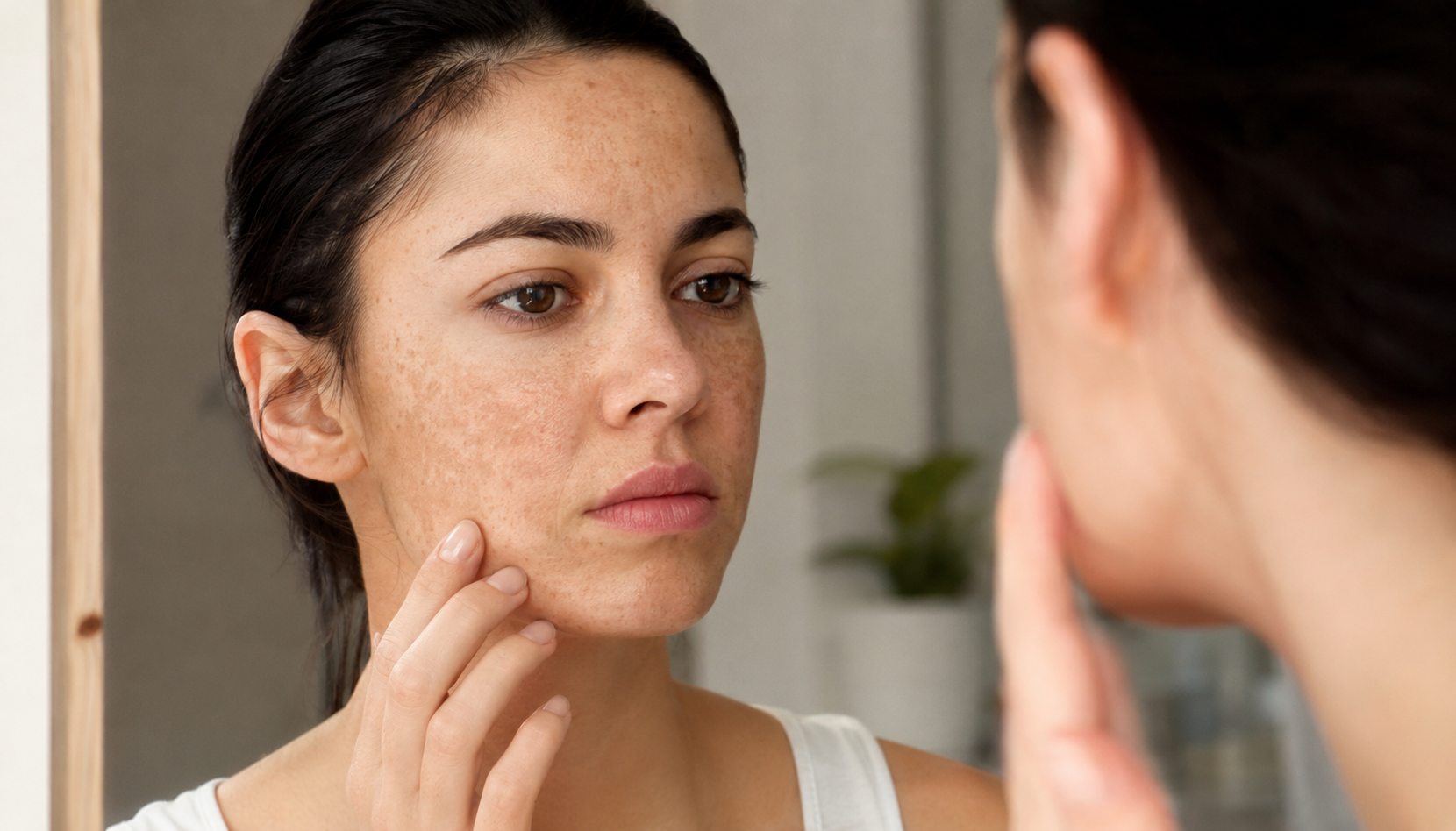
Dark pigmentation on face is one of the most common skin concerns affecting people of all ages and skin tones. Whether it appears as stubborn acne marks, melasma, sunspots, or age-related discoloration, uneven pigmentation can make the skin look tired, dull, and older than it really is.
While pigmentation is rarely harmful, it can significantly affect self-confidence. Fortunately, advances in skincare and aesthetic medicine have made treating pigmentation more effective than ever. The key is understanding why pigmentation develops, choosing the right skincare ingredients, protecting your skin from further damage, and seeking professional treatments when necessary.
This guide explains everything you need to know about dark pigmentation on face, including its causes, different types, effective home care, clinical treatments, prevention strategies, and expert skincare tips that deliver lasting results.
What Is Dark Pigmentation on Face?
Dark pigmentation on face refers to patches or spots that become darker than the surrounding skin due to excess melanin production. Melanin is the natural pigment responsible for the color of your skin, hair, and eyes. When melanocytes produce too much melanin in certain areas, visible discoloration appears.
Pigmentation can affect anyone regardless of skin type, although people with medium to deeper skin tones are often more prone to developing persistent discoloration after inflammation or sun exposure.
Unlike temporary redness, pigmentation often develops gradually and may take weeks or months to fade without proper treatment.
Why Does Dark Pigmentation Develop?
Pigmentation is usually the result of multiple contributing factors rather than a single cause.
Some of the most common triggers include:
- Long-term sun exposure
- Hormonal fluctuations
- Pregnancy-related melasma
- Acne and post-inflammatory marks
- Skin injuries or burns
- Aging
- Genetics
- Certain medications
- Inflammation caused by harsh skincare products
The more triggers your skin experiences, the more difficult pigmentation becomes to treat. That is why dermatologists focus not only on removing existing discoloration but also on preventing new pigmentation from forming.
Different Types of Facial Pigmentation
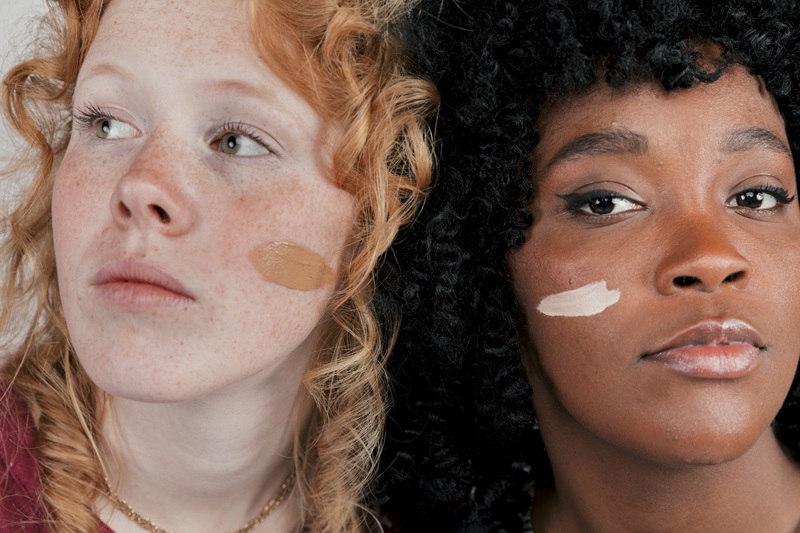
Understanding the type of pigmentation you have helps determine the most effective treatment.
Melasma
Melasma appears as symmetrical brown or gray patches across the cheeks, forehead, nose, and upper lip. It is commonly associated with hormonal changes and frequent sun exposure.
Melasma can be particularly stubborn and often requires a combination of medical skincare and professional treatments.
Post-Inflammatory Hyperpigmentation (PIH)
PIH develops after inflammation caused by acne, eczema, allergic reactions, burns, or cosmetic procedures.
Unlike scars, PIH represents excess pigment left behind after the skin heals.
Sunspots
Also known as age spots or solar lentigines, these flat brown spots develop after years of ultraviolet exposure.
They become increasingly common after the age of 30.
Freckles
Freckles are genetically influenced but become darker with repeated exposure to sunlight.
Unlike melasma, freckles usually lighten during periods of reduced UV exposure.
How Dermatologists Diagnose Pigmentation
Before recommending treatment, dermatologists carefully evaluate several factors.
These include:
- Depth of pigmentation
- Skin type
- Medical history
- Hormonal conditions
- Previous skincare products
- Sun exposure habits
- Family history
- Current medications
Some clinics also use advanced skin imaging technology to determine whether pigmentation lies within the epidermis or deeper in the dermis. This information helps select the safest and most effective treatment approach.
Common Causes vs. Recommended Treatments

| Cause | Type of Pigmentation | Recommended Treatment |
| Sun exposure | Sunspots | SPF + Laser + Vitamin C |
| Hormonal changes | Melasma | Prescription creams + Chemical Peels |
| Acne | PIH | Retinoids + Azelaic Acid |
| Aging | Age Spots | Laser Resurfacing |
| Skin injury | PIH | Brightening ingredients + Microneedling |
Home Remedies for Dark Pigmentation: What Actually Works?
Dark pigmentation happens when excess melanin causes dark spots and uneven skin tone. Many people try home remedies to fade pigmentation, but natural solutions usually work slowly and offer limited results. Consistent skincare and sun protection are key for long-term improvement.
Natural Ingredients With Some Evidence
Ingredients like aloe vera, licorice extract, and vitamin C may help brighten skin and reduce the appearance of dark spots. However, they are not instant treatments and need regular use to show results.
Why “Naturally at Home” Rarely Means “Permanently”
Home remedies may improve pigmentation, but they cannot prevent it from coming back. Sun exposure, hormones, acne, and irritation can trigger new dark spots, so prevention is essential.
Can Pigmentation Fade in a Week or 2 Days?
Most pigmentation does not disappear in just a few days. Dark spots usually fade gradually over weeks or months, and quick-fix claims are often unrealistic. A consistent routine is the best approach for healthier-looking skin.
Best Skin Care for Pigmentation
Finding the best skin care for pigmentation is not about purchasing the most expensive products. Instead, it involves choosing scientifically proven ingredients that reduce melanin production while protecting the skin barrier.
Consistency is far more important than using dozens of products simultaneously.
Vitamin C
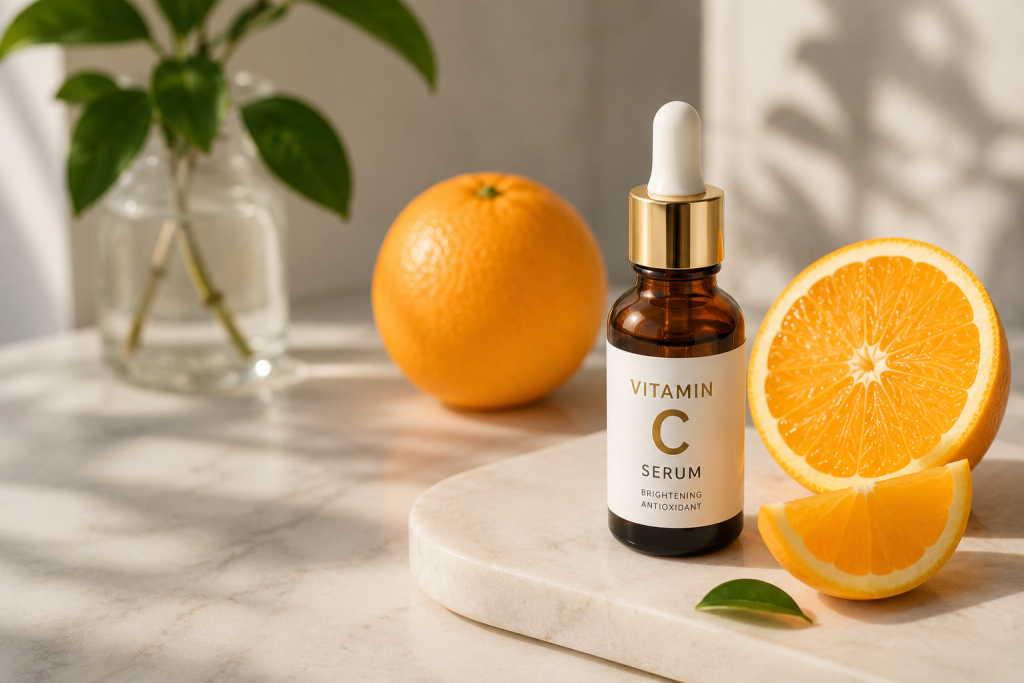
Vitamin C is one of the most researched antioxidants in skincare.
Benefits include:
- Brightening dull skin
- Neutralizing free radicals
- Reducing UV-induced pigmentation
- Improving overall skin radiance
- Supporting collagen production
Daily use of Vitamin C combined with sunscreen significantly improves skin tone over time.
Niacinamide
Niacinamide helps prevent melanin from transferring into skin cells.
It also:
- Reduces redness
- Strengthens the skin barrier
- Controls oil production
- Minimizes enlarged pores
- Improves overall texture
Because it is gentle, niacinamide is suitable for nearly every skin type.
Alpha Arbutin
Alpha arbutin works by slowing melanin production.
Unlike stronger bleaching agents, it provides gradual brightening with a lower risk of irritation.
Many dermatologists recommend combining alpha arbutin with Vitamin C for enhanced results.
Retinoids
Retinoids accelerate skin renewal by encouraging new cells to replace pigmented ones.
Benefits include:
- Faster cell turnover
- Smoother texture
- Reduced acne scars
- Less visible fine lines
- Improved skin tone
Because retinoids increase sun sensitivity, sunscreen becomes even more important during treatment.
Azelaic Acid
Azelaic acid is particularly effective for individuals who struggle with both acne and pigmentation.
It helps reduce inflammation while gradually fading discoloration without causing significant irritation.
Chemical Exfoliants
AHAs and BHAs are exfoliating ingredients that help remove dead skin cells, revealing smoother and brighter-looking skin.
However, over-exfoliation can damage the skin barrier and may worsen pigmentation.
Skincare Ingredients That Actually Work Together
A balanced skincare routine often delivers better results than relying on a single active ingredient.
A simple example includes:
Morning
- Gentle cleanser
- Vitamin C serum
- Niacinamide
- Moisturizer
- Broad-spectrum SPF 50
Evening
- Gentle cleanser
- Retinoid or azelaic acid
- Moisturizer
Avoid introducing multiple strong active ingredients at once, as irritation itself can trigger more pigmentation.
Lifestyle Habits That Make a Big Difference
Healthy skin begins with everyday habits.
To help reduce dark pigmentation on face, try to:
- Apply sunscreen every morning without exception.
- Reapply SPF every two hours during prolonged outdoor activities.
- Wear sunglasses and wide-brimmed hats.
- Avoid picking at acne or scabs.
- Sleep seven to eight hours each night.
- Stay hydrated.
- Eat antioxidant-rich foods.
- Reduce smoking and excessive alcohol consumption.
- Manage stress levels, as chronic stress may worsen inflammatory skin conditions.
These habits support the skin’s natural repair process and reduce the likelihood of future discoloration.
Pigmentation Skincare for Men
Men may experience pigmentation issues due to specific grooming habits, including razor irritation, frequent shaving, and the use of alcohol-based aftershaves. These factors can weaken the skin barrier, trigger inflammation, and contribute to uneven skin tone over time.
A simple skincare routine is often enough to support healthier-looking skin. There is no need to replace all current products; small changes such as adding a gentle moisturizer, daily sunscreen, and targeted pigmentation care can make a difference.
Avoid applying strongly fragranced men’s skincare products or aftershaves on irritated areas, as added fragrance may increase sensitivity and worsen redness or post-inflammatory pigmentation.
For better results, focus on reducing irritation, protecting the skin barrier, and maintaining consistent daily care.
When Home Skincare Isn’t Enough
Although consistent skincare can noticeably improve mild pigmentation, deeper discoloration often requires professional intervention.
Individuals who have struggled with pigmentation for several months—or whose condition continues to worsen despite using appropriate skincare—should consider consulting a qualified skin specialist.
Modern aesthetic clinics offer advanced technologies that target pigmentation more precisely than topical products alone. For patients seeking hyperpigmentation treatment Dubai, dermatologists often create personalized plans that combine medical-grade skincare with procedures such as laser therapy, chemical peels, or microneedling to achieve faster, longer-lasting results.
Professional Treatments for Dark Pigmentation on Face
When topical products alone are not enough, professional treatments can significantly improve stubborn pigmentation. The most effective option depends on the type, depth, and underlying cause of the discoloration, which is why a personalized consultation is essential before beginning any procedure.
Chemical Peels
Chemical peels use carefully selected acids to exfoliate damaged skin layers and support healthy skin renewal. This method can be suitable for certain types of superficial pigmentation, uneven skin tone, and mild skin discoloration caused by environmental damage or skin changes. The type and strength of peel should be selected based on the individual’s skin condition and pigmentation concerns.
A series of light or medium peels is often preferred over a single aggressive treatment, as gradual improvement may provide safer and more predictable results.
Laser Pigmentation Removal
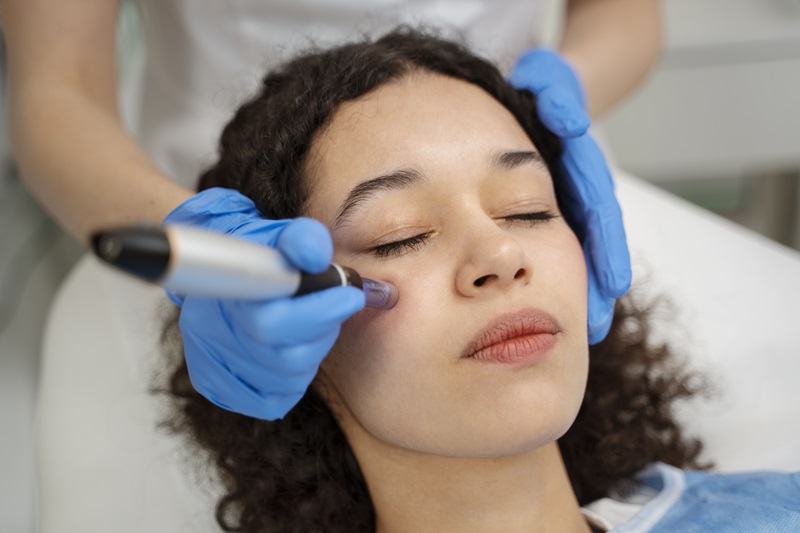
Laser pigmentation removal targets excess melanin in the skin while aiming to preserve surrounding tissue when performed by experienced professionals. This approach may be suitable for specific pigmentation concerns such as sun-related spots, age-related pigmentation, and selected cases of post-inflammatory hyperpigmentation or melasma after careful assessment.
Multiple sessions are commonly required to achieve optimal improvement, and consistent sun protection is essential to help maintain results.
Microneedling
Microneedling uses controlled micro-injuries to stimulate collagen production and support skin regeneration. It may be considered for individuals with mild pigmentation concerns, acne-related marks, uneven texture, or overall skin quality issues. When combined with suitable brightening treatments, it can support improved results for selected patients.
Prescription Topical Treatments
Dermatologists may prescribe medications for moderate to severe pigmentation, including:
- Hydroquinone
- Tretinoin
- Azelaic acid
- Triple-combination creams
- Tranexamic acid (for selected melasma cases)
Because these medications can cause irritation if used incorrectly, they should only be used under medical supervision.
Pigmentation Treatment for Darker & Black Skin Tones
Darker skin tones are more prone to post-inflammatory hyperpigmentation (PIH), meaning aggressive treatments such as strong chemical peels or high-intensity laser procedures may increase the risk of new pigmentation if not performed correctly.
Safer options often include azelaic acid, gentle chemical peels, and low-fluence laser treatments, which can improve pigmentation while minimizing unnecessary skin irritation.
Because treatment outcomes depend heavily on technique, choosing an experienced dermatologist or skincare professional familiar with darker skin phototypes is essential for achieving safe and effective results.
Hydrafacial as Supportive Care
Many people assume hydration has little to do with pigmentation, but a healthy skin barrier is essential for successful treatment.
Professional hydrafacial Dubai sessions help deeply cleanse, exfoliate, and hydrate the skin while improving the penetration of active skincare ingredients. Although Hydrafacial is not a standalone solution for pigmentation, it can complement a comprehensive treatment plan and leave the skin looking healthier and more radiant.
Mistakes That Can Make Pigmentation Worse
Many people unintentionally slow their progress by making common skincare mistakes.
Avoid the following:
- Skipping sunscreen on cloudy days
- Picking acne lesions
- Using harsh scrubs
- Over-exfoliating
- Mixing too many active ingredients at once
- Frequently changing skincare products
- Expecting overnight results
- Ignoring professional advice for persistent pigmentation
Remember, irritated skin often produces even more pigmentation as part of the healing process.
How Long Does It Take to Fade Pigmentation?
One of the most common questions patients ask is how quickly they will see improvement.
The answer depends on several factors, including the type of pigmentation, skin tone, treatment method, and daily sun protection habits.
Here is a general timeline:
| Type of Pigmentation | Average Improvement Time |
| Mild post-acne marks | 4–8 weeks |
| Moderate PIH | 2–4 months |
| Sunspots | 1–3 months with treatment |
| Melasma | 3–6 months or longer |
| Deep pigmentation | 6–12 months |
It is important to understand that pigmentation fades gradually. Consistency almost always delivers better long-term results than aggressive treatments.
Expert Tips for Brighter, More Even Skin

A young caucasian woman with patches under her eyes looking in the mirror and posing. Skin care theme
Dermatologists often recommend combining several strategies rather than relying on a single product.
Here are some expert-backed tips:
- Apply sunscreen every single day, regardless of the weather.
- Introduce new active ingredients slowly.
- Moisturize consistently to maintain a healthy skin barrier.
- Choose fragrance-free products if your skin is sensitive.
- Be patient—most pigmentation treatments require several weeks before noticeable changes appear.
- Schedule follow-up appointments if your pigmentation is resistant to home care.
Small, consistent improvements are usually more sustainable than dramatic short-term changes.
How to Prevent Dark Pigmentation on Face
Preventing pigmentation is often easier than treating it.
To protect your skin in the long term:
- Wear SPF 50 every day.
- Reapply sunscreen after sweating or swimming.
- Avoid prolonged sun exposure during peak UV hours.
- Treat acne early to reduce the risk of post-inflammatory marks.
- Never pop pimples.
- Wear protective hats and sunglasses outdoors.
- Maintain a skincare routine rich in antioxidants.
- Stay hydrated and eat a balanced diet.
These habits not only reduce pigmentation but also contribute to healthier, younger-looking skin overall.
When Should You See a Dermatologist?
While many cases of pigmentation respond well to over-the-counter skincare, certain situations require professional evaluation.
Seek medical advice if:
- Pigmentation appears suddenly without an obvious cause.
- Dark patches continue to spread.
- Home treatments have shown little improvement after several months.
- The discoloration changes in shape, color, or texture.
- You are unsure whether the spot is pigmentation or another skin condition.
Receiving an accurate diagnosis is the first step toward choosing the safest and most effective treatment.
Patients looking for individualized skincare plans can benefit from a consultation at Paramy poly clinic Mirdif official, where treatment recommendations are tailored to each person’s skin type, pigmentation pattern, and aesthetic goals.
Conclusion
Treating dark pigmentation on face requires a combination of patience, consistency, and evidence-based skincare. While ingredients such as vitamin C, niacinamide, retinoids, and azelaic acid can gradually brighten the complexion, professional treatments often provide faster and more dramatic improvements for stubborn discoloration.
The most effective approach begins with identifying the underlying cause of pigmentation, protecting the skin from daily UV exposure, and following a personalized routine that supports long-term skin health. Rather than searching for a quick fix, focus on sustainable habits and treatments that strengthen the skin barrier while reducing excess melanin production.
With the right strategy—and guidance from qualified skincare professionals when needed—achieving a clearer, brighter, and more even complexion is an attainable goal.
Frequently Asked Questions (FAQ)
Can pigmentation be removed by facial?
Facials may brighten the skin, but they cannot remove pigmentation on their own.
Can face pigmentation be reversed?
Some types of pigmentation can be significantly improved with the right treatment, while others can only be managed.
Can you fade hyperpigmentation in 2 weeks?
Most cases of hyperpigmentation take several weeks or months to improve, not just two weeks.
Can vitamin C remove pigmentation on its own?
Vitamin C can help fade mild pigmentation, but it is usually not enough as a standalone treatment.
How can I fade pigmentation on my face naturally at home?
Daily sunscreen and a gentle skincare routine can help reduce mild pigmentation, but persistent cases often require professional treatment.
What causes dark pigmentation on face?
The most common causes include sun exposure, hormonal changes, acne scars, inflammation, aging, genetics, and certain medications. Identifying the underlying cause is essential for selecting the most effective treatment.
Can dark pigmentation disappear naturally?
Some mild pigmentation may fade over time, especially if it is caused by temporary inflammation. However, many forms of pigmentation require consistent skincare, sun protection, or professional treatments for noticeable improvement.
What is the best skincare ingredient for pigmentation?
There is no single “best” ingredient for everyone. Vitamin C, niacinamide, retinoids, azelaic acid, alpha arbutin, and tranexamic acid are among the most effective options, depending on the type of pigmentation and skin type.
Does sunscreen really help reduce pigmentation?
Yes. Daily use of a broad-spectrum sunscreen with SPF 50 is one of the most important steps in preventing existing pigmentation from becoming darker and reducing the risk of developing new spots.
Are laser treatments permanent?
Laser treatments can significantly reduce certain types of pigmentation, but results are not always permanent. Continued sun protection and proper skincare are necessary to maintain improvements.
Can people with sensitive skin treat pigmentation safely?
Absolutely. Gentle ingredients such as niacinamide and azelaic acid are often well tolerated by sensitive skin. A dermatologist can recommend the safest treatment plan based on your individual skin condition.


