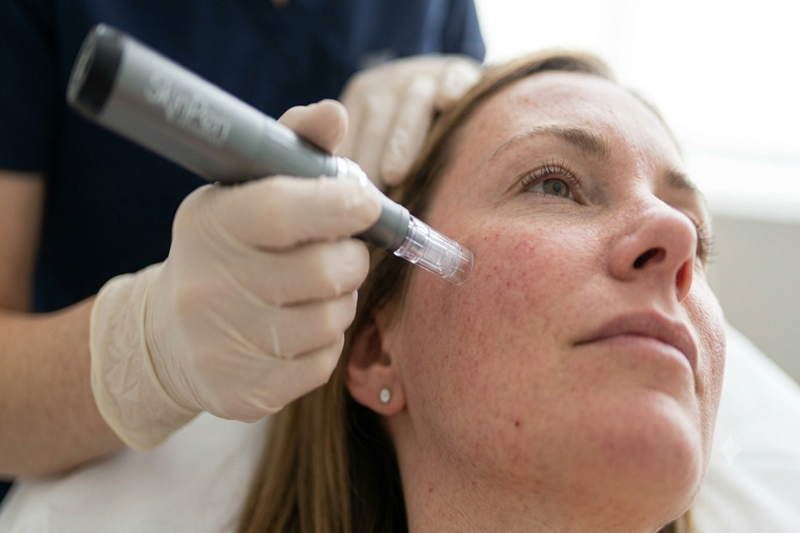

Skin pigmentation concerns are becoming increasingly common, especially in regions with high sun exposure and humid climates. In this context, melasma treatment Dubai women has become one of the most searched and clinically relevant topics, as more women seek long-term solutions rather than temporary cosmetic fixes.
Melasma and hyperpigmentation are not just surface-level issues—they often reflect deeper hormonal, environmental, and metabolic factors that influence overall skin health.
Understanding Melasma and Hyperpigmentation
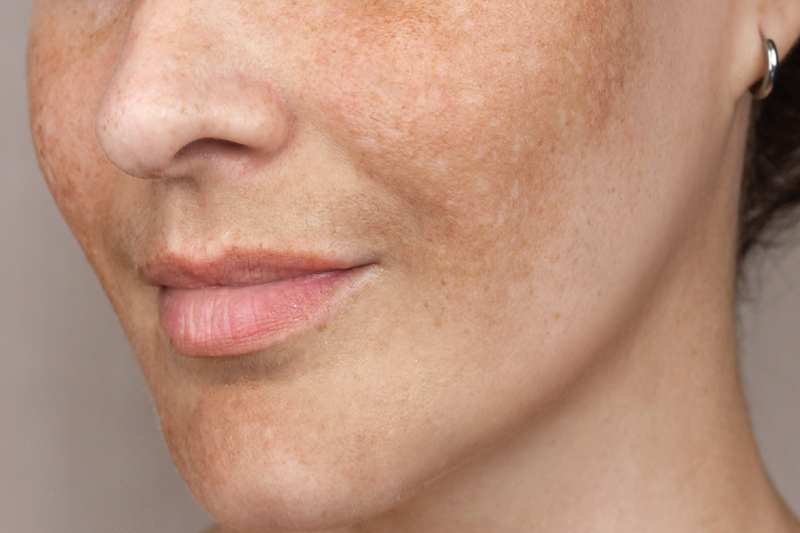
Melasma is a chronic skin condition characterized by symmetrical brown or gray-brown patches, usually on the face. Hyperpigmentation, on the other hand, is a broader term that refers to any darkening of the skin due to excess melanin production.
One of the most important aspects to understand is that hyperpigmentation causes are rarely single-factor based. Instead, they often result from a combination of triggers.
These may include:
- Hormonal fluctuations
- Sun exposure
- Inflammation
- Genetic predisposition
- Skin trauma or irritation
In the UAE, environmental conditions such as heat and UV exposure also contribute significantly to pigmentation issues like dark spots UAE residents commonly experience.
Main Triggers of Melasma in UAE Women
Melasma is particularly prevalent in women due to hormonal sensitivity.
Key triggers include:
- Pregnancy and hormonal changes
- Oral contraceptive use
- Chronic sun exposure
- Heat-induced skin stress
- Genetic predisposition
Because of these complex triggers, treatment often requires a multi-layered approach rather than a single solution.
Many patients initially seek chemical peel for pigmentation Dubai treatments as a corrective measure, but long-term success depends on addressing internal and external factors together.
Common Misconceptions About Pigmentation
There are several misconceptions that often delay proper treatment.
Misconception 1: It is only a cosmetic issue
In reality, pigmentation is often linked to hormonal and inflammatory processes.
Misconception 2: It can be fully cured overnight
Melasma is chronic and requires ongoing management.
Misconception 3: Topical creams are enough
While creams help, they rarely address deeper biological causes.
Understanding these misconceptions is essential before starting any treatment plan, including advanced hyperpigmentation treatment Dubai protocols.
Effective Treatment Options for Hyperpigmentation
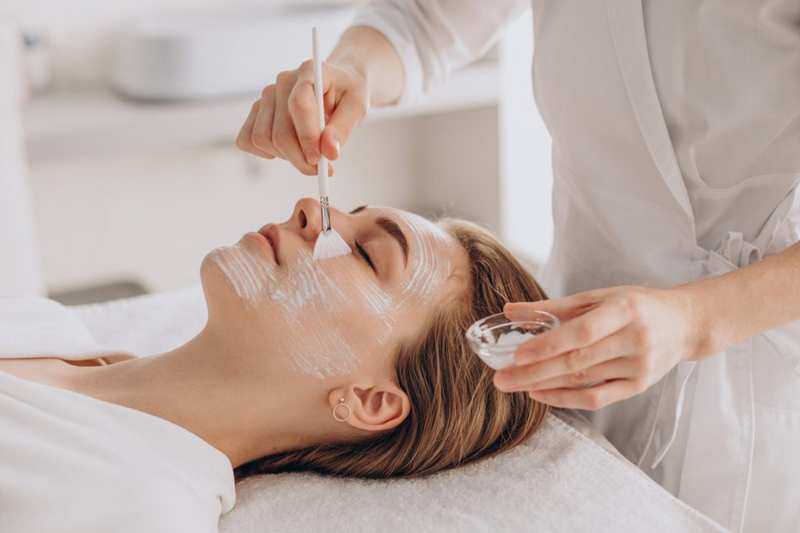
Modern dermatology offers multiple approaches depending on severity and skin type.
1. Laser Treatments
Laser technology targets melanin clusters to reduce pigmentation.
A commonly used option is laser for melasma Dubai, which helps break down pigment while stimulating collagen regeneration.
2. Chemical Peels
Chemical peels exfoliate the upper layers of the skin to promote new cell turnover.
These treatments are often recommended for early-stage pigmentation and uneven tone.
3. Topical Depigmenting Agents
These include ingredients such as:
- Hydroquinone
- Retinoids
- Vitamin C
- Kojic acid
They help regulate melanin production over time.
4. Combination Therapies
Best results are often achieved when treatments are combined:
- Laser + topical therapy
- Peels + skincare maintenance
- Medical + lifestyle interventions
This integrated approach is widely used in skin rejuvenation Dubai programs to enhance overall skin clarity and texture.
The Role of Lifestyle and Environment
Lifestyle plays a major role in pigmentation development and recurrence.
Key influencing factors:
- UV exposure without protection
- Poor sleep quality
- High stress levels
- Hormonal imbalance
- Diet high in processed foods
Even after successful treatment, unmanaged lifestyle factors can lead to recurrence.
Advanced Regenerative and Preventive Approaches
Modern aesthetic medicine is increasingly combining dermatology with regenerative science.
Some advanced clinics now include longevity facial therapy Dubai as part of anti-aging and pigmentation management programs.
These approaches aim to:
- Improve skin regeneration
- Reduce inflammation
- Enhance collagen production
- Support long-term skin resilience
This represents a shift from reactive treatment to preventive skin health optimization.
Prevention Strategies for Long-Term Skin Health
Preventing pigmentation is often more effective than treating it.
Recommended strategies include:
- Daily broad-spectrum sunscreen use
- Avoiding excessive heat exposure
- Using antioxidant-rich skincare
- Managing hormonal balance
- Maintaining hydration and skin barrier health
Consistency is key in preventing recurrence.
Future of Pigmentation Treatment
The future of pigmentation management is moving toward personalized and predictive dermatology.
Emerging trends include:
- AI-based skin analysis
- Genetic susceptibility testing
- Personalized laser settings
- Biomarker-guided skincare
- Regenerative medicine integration
This allows for more precise and long-lasting outcomes.
Frequently Asked Questions (FAQ)
Is melasma permanent?
Melasma is chronic but can be significantly controlled with proper treatment and maintenance.
Can sun exposure worsen pigmentation?
Yes, UV exposure is one of the strongest triggers.
Are lasers safe for melasma?
Yes, when performed correctly and tailored to skin type.
Why does pigmentation return?
Because underlying hormonal or environmental triggers are not fully controlled.
Can skincare alone treat melasma?
Skincare helps but is usually not sufficient without clinical treatments.
Conclusion
Understanding melasma treatment Dubai women within a broader dermatological and biological context is essential for achieving lasting results. Pigmentation is not only a surface condition but a reflection of deeper internal and environmental influences.
Ultimately, effective pigmentation management requires a holistic approach that treats both the skin and its underlying biological triggers.