
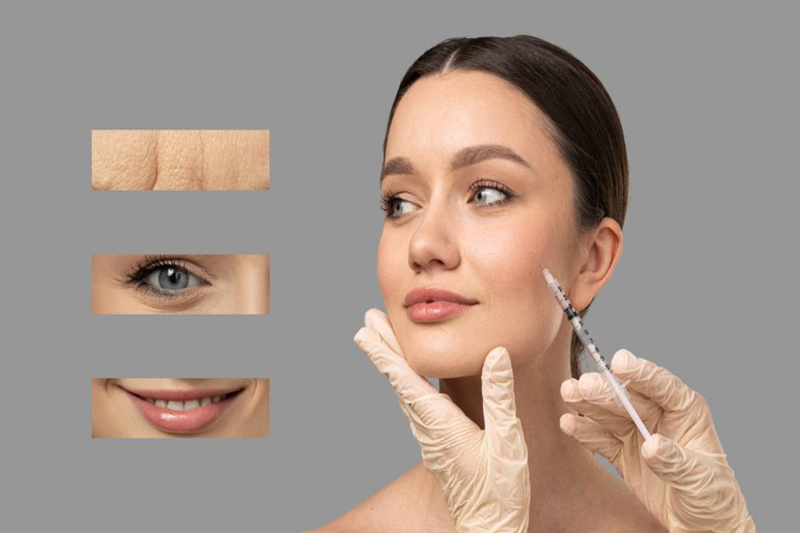
The demand for minimally invasive aesthetic treatments has grown significantly over the past decade. Among the most popular options are hyaluronic acid (HA) skin boosters and dermal fillers. Although both treatments are based on hyaluronic acid and are delivered through injections, they serve very different purposes. Understanding the HA skin booster vs dermal filler distinction is essential for choosing the treatment that aligns with your skin concerns and aesthetic goals.
Patients considering HA skin booster Dubai treatments often wonder whether they need improved hydration or restored facial volume. While both procedures can rejuvenate the face, they work through different mechanisms and deliver distinct results.
This comprehensive guide explains the science, benefits, treatment process, ideal candidates, and key differences between HA skin boosters and dermal fillers so you can make an informed decision before your appointment.
What Are HA Skin Boosters?
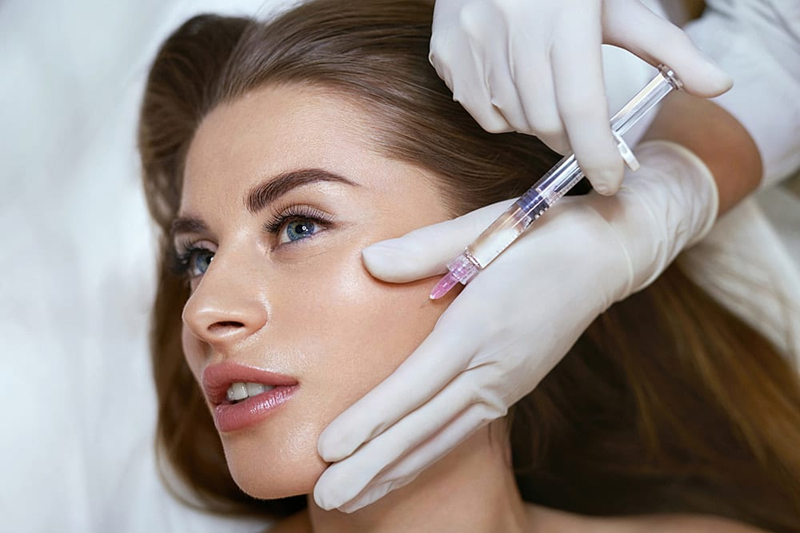
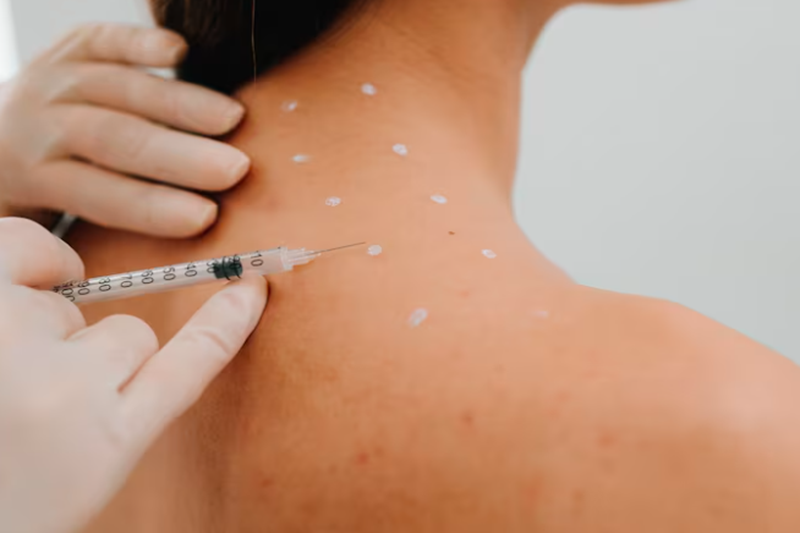
HA skin boosters are injectable treatments that deliver low-density hyaluronic acid into the superficial and mid-layers of the skin. Instead of adding volume or changing facial contours, they improve overall skin quality by increasing hydration and stimulating collagen production.
Healthy skin naturally contains hyaluronic acid, which binds water molecules and helps maintain elasticity. As we age, natural HA levels decline, leading to dehydration, fine lines, and loss of radiance.
Skin boosters replenish moisture from within, creating healthier, smoother, and more luminous skin without significantly altering facial structure.
What Are Dermal Fillers?
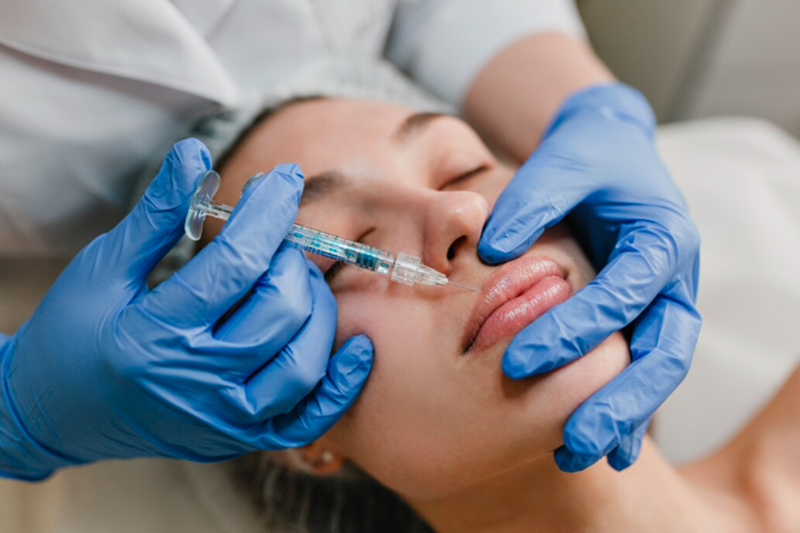
Dermal fillers are injectable gels designed to restore lost facial volume, improve contours, and soften deeper wrinkles.
Unlike skin boosters, fillers are placed deeper beneath the skin where they provide structural support.
Dermal fillers are commonly used to:
- Restore cheek volume
- Define the jawline
- Enhance the chin
- Augment the lips
- Improve under-eye hollows
- Smooth nasolabial folds
- Correct facial asymmetry
The primary objective is facial reshaping rather than improving overall skin texture.
HA Skin Booster vs Dermal Filler: The Core Difference
The biggest distinction between the two treatments lies in their purpose.
| HA Skin Boosters | Dermal Fillers |
|---|---|
| Improve hydration | Restore facial volume |
| Enhance skin quality | Reshape facial contours |
| Stimulate collagen | Lift and support tissues |
| Treat fine lines | Treat deeper folds |
| Natural glow | Facial definition |
| Minimal structural change | Visible contour enhancement |
Understanding this hyaluronic acid filler difference helps patients select the most appropriate treatment based on their expectations.
How HA Skin Boosters Work
After injection, hyaluronic acid attracts water molecules into the skin, improving hydration from within.
Over time, this increased hydration stimulates fibroblasts, encouraging collagen and elastin production.
The result is:
- Better skin elasticity
- Increased hydration
- Improved texture
- More radiant complexion
- Reduced fine lines
- Healthier-looking skin
Because the treatment enhances skin quality rather than facial shape, results appear gradually and naturally.
How Dermal Fillers Work
Dermal fillers provide immediate structural support beneath the skin.
Depending on the injection site, fillers can:
- Replace age-related volume loss
- Improve facial proportions
- Lift sagging tissues
- Create stronger facial contours
- Reduce deep wrinkles
Unlike skin boosters, results are usually visible immediately after treatment.
Hydration vs Volume: Understanding Treatment Goals
One of the easiest ways to understand the difference is to think about hydration vs volume filler.
If your concern is:
- Dry skin
- Dull complexion
- Fine lines
- Loss of skin elasticity
A skin booster is generally the better option.
If your concern is:
- Hollow cheeks
- Thin lips
- Weak chin
- Deep facial folds
- Volume loss
Dermal fillers are usually more appropriate.
Many patients benefit from combining both treatments for comprehensive facial rejuvenation.
Popular HA Skin Booster Products
Several HA-based skin boosters are widely used worldwide.
Examples include:
- Profhilo
- Restylane Skinboosters
- Juvederm Volite
- Redensity 1
Each product has unique characteristics regarding concentration, viscosity, and treatment protocol.
Comparing Profhilo and Traditional Fillers
One of the most common patient questions concerns Profhilo vs filler Dubai treatments.
Although Profhilo contains hyaluronic acid, it is not classified as a dermal filler.
Profhilo spreads beneath the skin to improve hydration and collagen stimulation without creating volume.
Traditional fillers remain localized where injected to sculpt and support facial structures.
This distinction makes each treatment suitable for different aesthetic goals.
Treatment Procedure
HA Skin Boosters
Treatment usually involves:
- Skin cleansing
- Application of topical anesthetic if needed
- Multiple microinjections
- Gentle massage of treated areas
The entire procedure typically takes 20–40 minutes.
Dermal Fillers
Dermal filler treatment generally includes:
- Facial assessment
- Treatment planning
- Marking injection sites
- Injection using needles or cannulas
- Final contour adjustments
Sessions usually take between 30 and 60 minutes.
Areas That Can Be Treated
HA Skin Boosters
Common treatment areas include:
- Face
- Neck
- Décolletage
- Hands
Many patients choose skin booster injection Dubai treatments to improve skin quality in areas showing early signs of aging.
Dermal Fillers
Typical treatment areas include:
- Lips
- Cheeks
- Chin
- Jawline
- Temples
- Under-eye area
- Nasolabial folds
- Marionette lines
Which Treatment Looks More Natural?

When performed by experienced practitioners, both treatments produce natural-looking results.
However:
Skin boosters improve skin quality without altering facial shape.
Fillers reshape facial contours while maintaining natural proportions.
The most natural outcomes are achieved through conservative treatment planning rather than excessive product use.
How Long Do Results Last?
HA Skin Boosters
Results generally last:
- 6–9 months
- Maintenance treatments every 6–12 months
Dermal Fillers
Longevity depends on the product and treatment area.
Typical duration ranges from:
- 9–18 months
- Some products may last longer
Individual metabolism influences product longevity.
Can Skin Boosters and Fillers Be Combined?
Yes.
In fact, many aesthetic specialists recommend combining both treatments.
A typical strategy may include:
- Skin boosters for hydration
- Fillers for structural support
- Neuromodulators for dynamic wrinkles
- Medical skincare for maintenance
This comprehensive approach produces balanced and long-lasting rejuvenation.
Who Is a Good Candidate?
HA Skin Boosters
Ideal candidates include individuals with:
- Dry skin
- Early signs of aging
- Fine lines
- Dull complexion
- Loss of elasticity
Dermal Fillers
Suitable candidates often have:
- Volume loss
- Facial asymmetry
- Deep wrinkles
- Thin lips
- Hollow cheeks
- Reduced jawline definition
A personalized consultation helps determine the most appropriate treatment plan.
Safety and Possible Side Effects
Both treatments are generally considered safe when performed by qualified medical professionals.
Temporary side effects may include:
- Mild redness
- Swelling
- Bruising
- Tenderness
- Injection-site discomfort
Most reactions resolve within a few days.
Following aftercare instructions helps minimize complications.
Choosing the Right Treatment
Before making a decision, consider your primary concern.
Choose HA skin boosters if your goal is:
- Better hydration
- Healthier skin
- Improved texture
- Subtle rejuvenation
Choose dermal fillers if you want:
- Volume restoration
- Facial contour enhancement
- Lip augmentation
- Jawline definition
- Wrinkle correction
Many clinics offering dermal filler Dubai treatments perform a detailed facial assessment to determine whether hydration, volume restoration, or a combination of both will achieve the most balanced results.
The Future of Injectable Skin Rejuvenation
Injectable aesthetics continue to evolve toward personalized treatment plans.
Emerging trends include:
- Regenerative injectables
- AI-assisted facial analysis
- Combination protocols
- Preventive aesthetic medicine
- Customized hyaluronic acid formulations
Rather than dramatically changing facial appearance, modern treatments increasingly focus on preserving natural beauty and healthy skin.
Frequently Asked Questions (FAQ)
Are skin boosters the same as dermal fillers?
No. Skin boosters improve hydration and skin quality, while dermal fillers restore volume and enhance facial contours.
Which treatment lasts longer?
Dermal fillers generally last longer than skin boosters, although longevity varies depending on the product used and individual metabolism.
Can I have both treatments at the same time?
Yes. Many patients combine skin boosters and dermal fillers to improve both skin quality and facial structure.
Is there any downtime?
Most people return to normal activities within 24 to 48 hours, although mild swelling or bruising may occur.
Which treatment is better for younger patients?
Skin boosters are often recommended for younger individuals looking to improve hydration and prevent early signs of aging without adding facial volume.
Conclusion
Understanding the difference between HA skin booster vs dermal filler is the key to choosing the most effective treatment for your aesthetic goals. Although both treatments use hyaluronic acid, they are designed to solve different concerns. Skin boosters focus on hydration, skin quality, and collagen stimulation, while dermal fillers restore volume, enhance contours, and provide structural support.
Whether you are considering your first injectable treatment or looking to refine your current aesthetic plan, a personalized consultation with an experienced practitioner will help determine the right approach. By selecting the appropriate treatment—or combining both when indicatedyou can achieve natural-looking, balanced, and long-lasting facial rejuvenation.