
Hair loss affects millions of men and women worldwide, prompting many people to search for treatments that are effective, convenient, and less invasive than in-clinic procedures. In recent years, topical peptide technologies have gained attention as a promising addition to traditional hair restoration methods. Among these innovations, the HairPen TriPeptide has generated considerable interest as a portable solution designed for home use.
If you’re looking for a comprehensive HairPen TriPeptide peptide pen review, understanding how peptide technology works, who may benefit from it, and whether it can truly replace professional treatments is essential. While peptide pens offer convenience and may support healthier hair follicles, they should be viewed as part of a broader hair restoration strategy rather than a universal replacement for medical care.
This guide explores the science behind HairPen TriPeptide Therapy, compares it with clinical treatments, and helps you determine whether this approach is right for your hair restoration goals.
What Is HairPen TriPeptide Therapy?
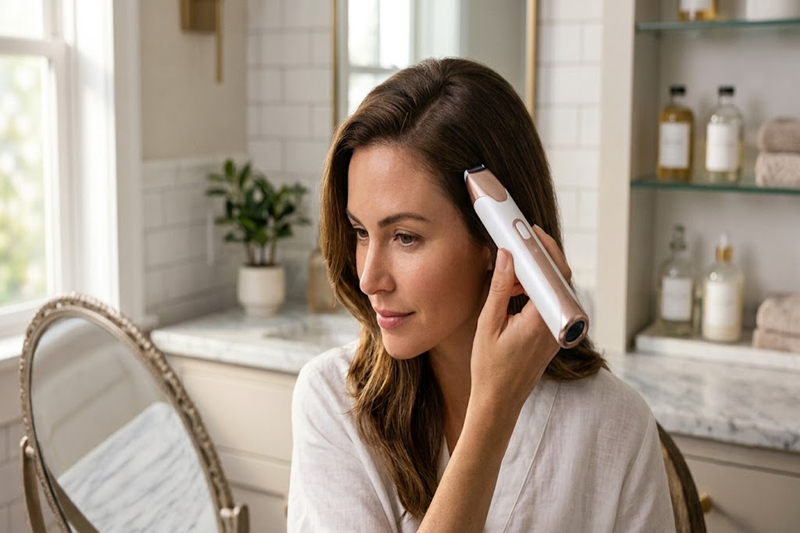
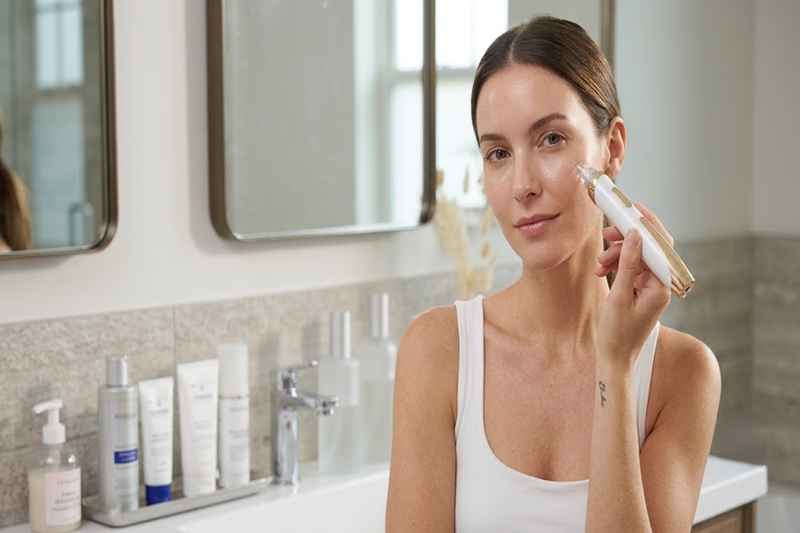
HairPen TriPeptide Therapy is a topical delivery system that applies peptide-based ingredients directly to the scalp. Unlike injectable regenerative therapies, peptide pens are designed for convenient at-home use and aim to support healthier hair follicles through repeated application.
Many people searching for a peptide pen for hair loss are attracted by the simplicity of using a portable device without scheduling clinic appointments.
The therapy focuses on nourishing the scalp environment, encouraging healthier follicle function, and supporting the natural hair growth cycle.
Understanding Peptides and Hair Biology
Peptides are short chains of amino acids that act as biological signaling molecules. In hair restoration, specific peptides communicate with skin cells and hair follicles to encourage repair, regeneration, and healthier cellular activity. Related regenerative compounds such as GHK-Cu copper peptide are studied for tissue repair, while broader peptides for skin care research helps explain how signaling molecules support cellular health.
Healthy hair growth depends on:
- Active hair follicles
- Good scalp circulation
- Balanced inflammation
- Healthy extracellular matrix
- Proper nutrient delivery
Certain cosmetic peptides are believed to support these biological processes by creating a healthier environment for hair follicles.
What Makes HairPen TriPeptide Different?
Unlike conventional topical products that mainly stimulate circulation or reduce hormonal effects, HairPen TriPeptide focuses on biomimetic peptide technology.
Many formulations include advanced ingredients found in modern tripeptide hair serum products, which are designed to improve scalp health while supporting stronger, thicker-looking hair over time.
The pen applicator also offers several practical advantages:
- Precise application
- Reduced product waste
- Easy daily use
- Better scalp coverage
- Portable design for travel
Consistency is often one of the biggest factors influencing results with topical therapies, making user-friendly delivery systems particularly valuable.
How Does HairPen TriPeptide Work?
Although formulations vary, peptide-based hair products generally aim to:
- Support healthier follicle activity
- Encourage cellular communication
- Improve scalp hydration
- Help maintain the hair growth cycle
- Support collagen production around follicles
- Promote a healthier scalp environment
Unlike medications that directly alter hormonal pathways, peptide products primarily work by supporting normal biological function.
Because hair growth is gradual, visible improvements often require several months of consistent use.
Can a Topical Peptide Pen Replace Clinic Treatments?
This is perhaps the most common question patients ask.
The answer depends largely on the severity and underlying cause of hair loss.
A peptide pen may be suitable for:
- Early-stage hair thinning
- Maintenance after professional treatment
- Supporting scalp health
- Individuals seeking non-invasive options
However, advanced hair loss caused by genetics, hormonal disorders, autoimmune disease, or significant follicle miniaturization often requires medical evaluation and more comprehensive treatment.
In many cases, topical therapy works best alongside professional care rather than replacing it entirely.
Comparing HairPen with Clinical Hair Restoration Treatments
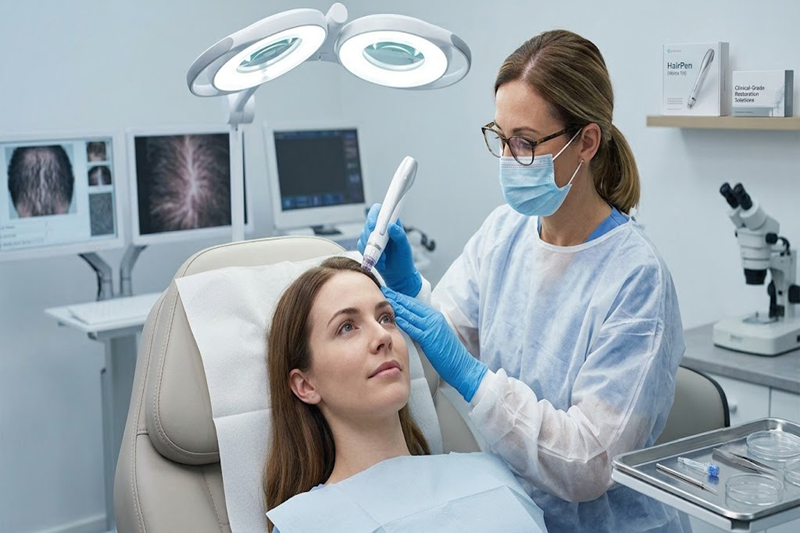
HairPen TriPeptide
Advantages:
- Home application
- No injections
- Minimal discomfort
- Convenient routine
- Lower ongoing cost
- Suitable for maintenance
Limitations:
- Requires consistent daily use
- Results develop gradually
- May not reverse advanced hair loss
Professional Clinic Treatments
Clinic-based therapies may include:
- PRP
- PRF
- Exosome therapy
- Microneedling
- Prescription medications
- Laser therapy
These treatments generally deliver stronger biological stimulation and allow physicians to customize protocols based on the patient’s diagnosis.
Some patients exploring regenerative options also consider GHK-Cu peptide therapy Dubai, which utilizes copper peptides as part of physician-directed treatment plans designed to support tissue repair and hair follicle health.
Who Is an Ideal Candidate?
HairPen TriPeptide may be appropriate for individuals experiencing:
- Mild hair thinning
- Seasonal shedding
- Early androgenetic alopecia
- Stress-related hair loss
- Postpartum recovery
- General scalp health concerns
It is generally less suitable for patients with complete follicle loss or extensive scarring alopecia.
A proper medical assessment remains the best way to determine the underlying cause of hair loss.
How Long Does It Take to See Results?
Hair grows slowly.
Most topical peptide therapies require patience.
Typical timeline:
First Month
- Improved scalp hydration
- Better scalp comfort
- Reduced dryness
Months 2–3
- Reduced shedding
- Healthier-looking hair
- Improved hair texture
Months 4–6
- Increased hair density
- Stronger hair shafts
- Improved overall appearance
Individual results vary depending on genetics, age, hormonal health, nutrition, and treatment consistency.
Benefits of HairPen TriPeptide Therapy
Potential advantages include:
- Non-invasive treatment
- Easy home use
- No recovery time
- Simple daily routine
- Targeted application
- Supports healthier scalp biology
- Can complement professional treatments
Many users appreciate the convenience of an at-home hair treatment Dubai option that fits into busy lifestyles while supporting long-term hair maintenance.
Are There Any Limitations?
Despite growing interest, peptide pens are not miracle solutions.
Limitations include:
- Daily commitment required
- Gradual results
- Variable individual response
- Limited research compared with established medical therapies
- Cannot replace surgery when follicles are permanently lost
Managing expectations is essential for long-term satisfaction.
Can HairPen Be Combined with Other Treatments?
Yes.
Many specialists recommend combination therapy.
HairPen may complement:
- PRP
- PRF
- Microneedling
- Prescription topical treatments
- Nutritional optimization
- Low-level laser therapy
Combining therapies often addresses multiple causes of hair loss simultaneously.
Safety Profile
Topical peptide products are generally well tolerated.
Possible temporary side effects include:
- Mild scalp redness
- Temporary irritation
- Dryness
- Mild itching
Patients with sensitive skin should perform a patch test before regular use.
Anyone experiencing persistent irritation should discontinue use and consult a healthcare professional.
Choosing the Right Hair Restoration Strategy
The best treatment depends on several factors:
- Cause of hair loss
- Age
- Severity
- Medical history
- Lifestyle
- Treatment expectations
- Budget
Someone experiencing early thinning may achieve satisfactory improvement with topical peptide therapy, while advanced hair loss often benefits from physician-guided treatment plans.
Patients interested in purchasing these products should also ensure they obtain them through reputable medical providers or authorized distributors when searching for hair peptide therapy buy options.
What Does the Future Hold for Peptide Hair Therapy?
Peptide science continues to evolve rapidly.
Future developments may include:
- Personalized peptide formulations
- AI-guided treatment selection
- Smart transdermal delivery systems
- Regenerative peptide combinations
- Improved follicle-targeting technology
These innovations may further expand the role of topical peptides within comprehensive hair restoration programs.
Frequently Asked Questions (FAQ)
Does HairPen TriPeptide actually regrow hair?
It may help support healthier follicles and improve hair density in appropriate candidates, but results vary depending on the underlying cause of hair loss.
Can HairPen replace PRP or PRF?
For mild hair thinning, it may provide supportive benefits. However, advanced hair loss often requires professional treatments that deliver stronger regenerative stimulation.
Is HairPen suitable for men and women?
Yes. Topical peptide therapy may be appropriate for both men and women experiencing certain types of hair thinning.
How often should HairPen be used?
Usage depends on the manufacturer’s instructions and your healthcare provider’s recommendations. Consistent application is essential for achieving the best possible results.
Is HairPen safe for long-term use?
Most topical peptide formulations are designed for ongoing use, although patients should always follow medical guidance and discontinue treatment if significant irritation occurs.
Conclusion
This HairPen TriPeptide peptide pen review highlights both the promise and the limitations of modern topical peptide technology. HairPen offers a convenient, non-invasive approach that may improve scalp health and support healthier hair growth, particularly for individuals with early-stage thinning or those seeking to maintain the results of professional treatments.
While peptide pens represent an exciting advancement in at-home hair care, they are not a universal substitute for medical diagnosis or physician-directed therapies. For the best outcomes, treatment should be tailored to the underlying cause of hair loss and may combine topical products with advanced regenerative procedures such as HairPen TriPeptide Dubai programs or other evidence-based clinical therapies.