
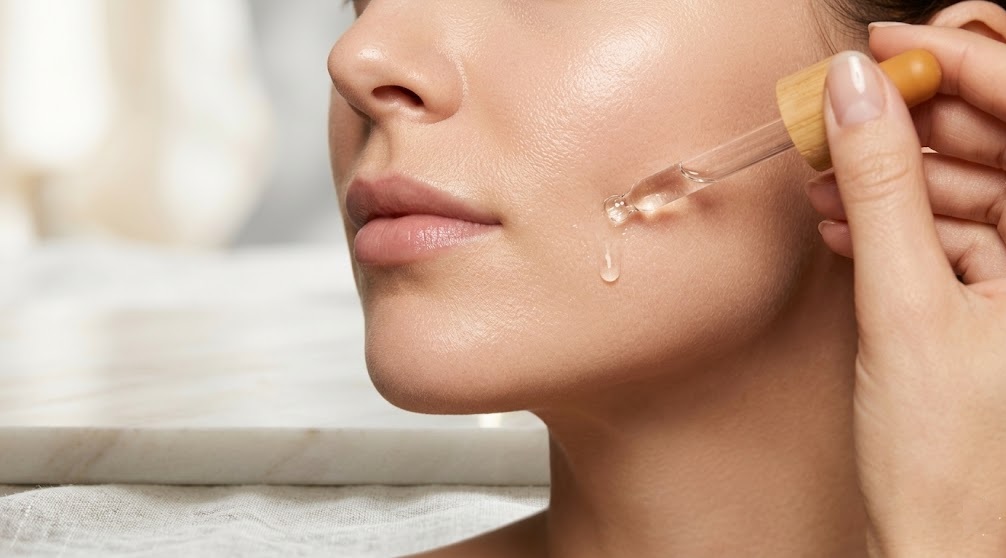
The skincare industry is constantly developing, introducing new ingredients that aim to improve skin quality, reduce visible signs of aging, and support healthier skin. Among these modern innovations, Peptides for Skin Care have gained significant attention from dermatologists, aesthetic professionals, and skincare users around the world.
Unlike many skincare trends that quickly disappear, peptides have continued to attract interest because of their connection with biological processes involved in skin repair and regeneration. Research suggests that certain peptides may support collagen production, improve skin elasticity, strengthen the skin barrier, and contribute to a smoother and firmer appearance.
Today, peptides are used not only in skincare products but also in advanced aesthetic and regenerative treatments. Their growing popularity has made many people ask an important question: Are peptides truly effective, or are they simply another beauty marketing trend?
To understand their value, it is important to look at how peptides work, what benefits they may provide, and what results users can realistically expect.
What Are Peptides?
Peptides are short chains of amino acids that act as biological messengers in the body. Since amino acids are the foundation of proteins, peptides play an important role in many natural processes, including tissue repair, inflammation control, and collagen production.
In skincare, peptides communicate with skin cells and encourage them to perform specific functions. Some peptides help stimulate collagen production, while others support repair, hydration, or skin protection.
Collagen is one of the most important proteins responsible for skin strength and elasticity. However, collagen production naturally decreases with age, which can lead to wrinkles, fine lines, and reduced firmness.
By supporting the skin’s natural mechanisms, peptides have become an important ingredient in modern anti-aging skincare.
Many skincare products use the general term peptides to describe different types of peptide compounds, each with unique benefits and functions.
Why Are Peptides Popular in Anti-Aging Skincare?
Many traditional skincare ingredients focus on hydration and surface-level improvement. Peptides work differently because they support communication between skin cells.
This allows them to help the skin maintain its natural repair processes and improve overall skin quality over time.
Peptide-based skincare is commonly used to support:
- Reduction of fine lines and wrinkles
- Improved skin firmness
- Better elasticity
- Enhanced collagen production
- Stronger skin barrier
- Improved texture and hydration
Although peptides can be beneficial, they are not instant solutions. Results usually appear gradually with consistent use and proper skincare habits.
How Do Peptides Support Collagen Production?
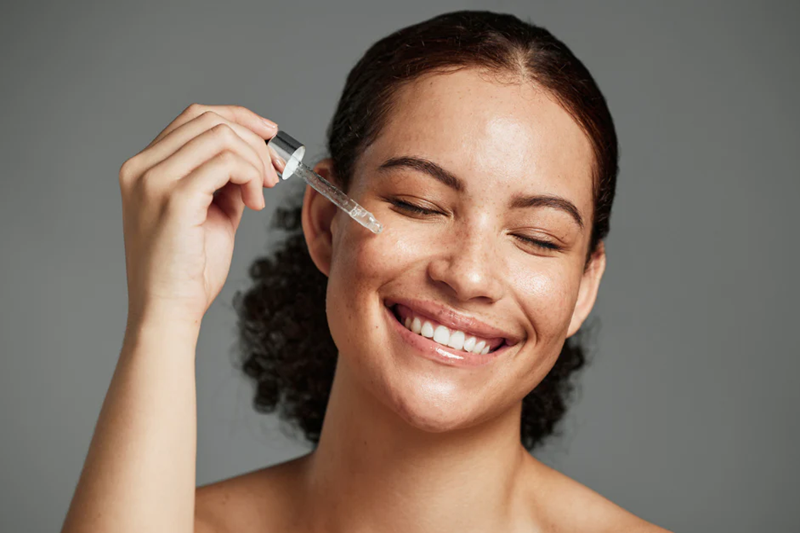
Collagen provides structure and strength to the skin. When collagen levels decline, the skin becomes thinner and loses its youthful appearance.
Certain peptides send signals to fibroblasts, which are the cells responsible for collagen production. These signals may encourage the skin to produce more structural proteins.
Potential results include:
- Improved firmness
- Smoother skin texture
- Reduced appearance of fine lines
- Better skin resilience
- Healthier overall appearance
This collagen-supporting ability is one of the main reasons peptides are widely used in anti-aging products and aesthetic treatments.
In addition to Skin Care, peptide therapy can also support Peptides for Weight Loss. If you’d like to learn more about this, feel free to check out this article: Peptides for Weight Loss
Types of Peptides in Skincare
Different peptides have different roles in skincare. Understanding these categories can help consumers choose products more effectively.
Signal Peptides
Signal peptides are designed to encourage skin cells to produce more collagen and elastin. They are among the most common peptides used in anti-aging skincare products.
Carrier Peptides
Carrier peptides help deliver minerals such as copper to skin cells. These minerals support skin repair, collagen formation, and regeneration.
Neurotransmitter Peptides
These peptides focus on reducing the appearance of expression lines by affecting muscle-related communication. Their effects are generally mild compared with injectable treatments.
Enzyme Inhibitor Peptides
These peptides help protect collagen by slowing down processes that contribute to collagen breakdown, helping maintain stronger skin over time.
Because different peptides have different functions, the quality of the overall formula is often more important than simply choosing a product that contains peptides.
Copper Peptides and Skin Rejuvenation
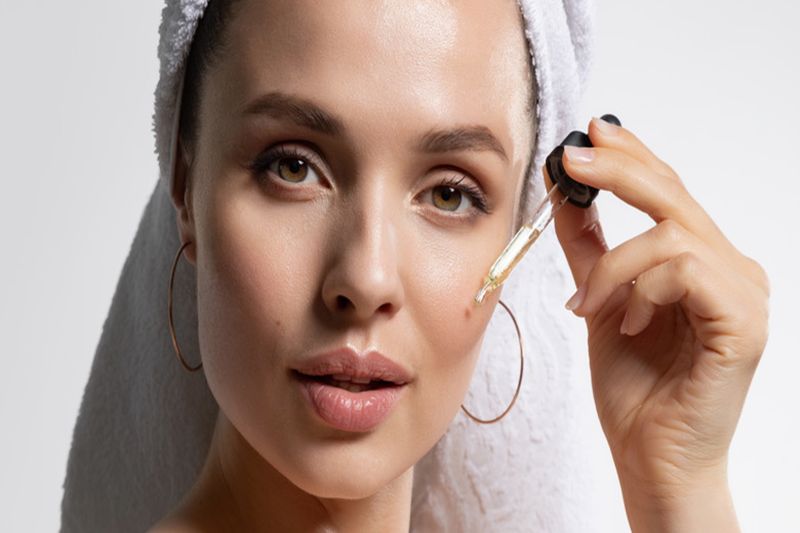
One of the most researched peptides in skincare is GHK-Cu copper peptide, also known as Copper Peptide.
This naturally occurring compound binds with copper and plays a role in tissue repair, wound healing, and collagen production.
Potential benefits of copper peptides include:
- Supporting collagen synthesis
- Improving skin texture
- Enhancing skin regeneration
- Increasing firmness
- Supporting healthier-looking skin
Because of these properties, copper peptides are often included in advanced skincare formulations and professional rejuvenation programs.
Topical Peptides vs Professional Peptide Treatments
Peptides are commonly found in creams, serums, and moisturizers. These products are convenient and can be easily added to daily skincare routines.
However, the effectiveness of topical peptides depends on several factors, including formulation quality, ingredient stability, and how well the product interacts with the skin.
Professional peptide treatments may use different delivery methods and are usually designed according to individual needs and goals.
The best approach depends on skin condition, expectations, and guidance from a qualified professional.
Peptide Pens at Paramy Polyclinic For Skin Care
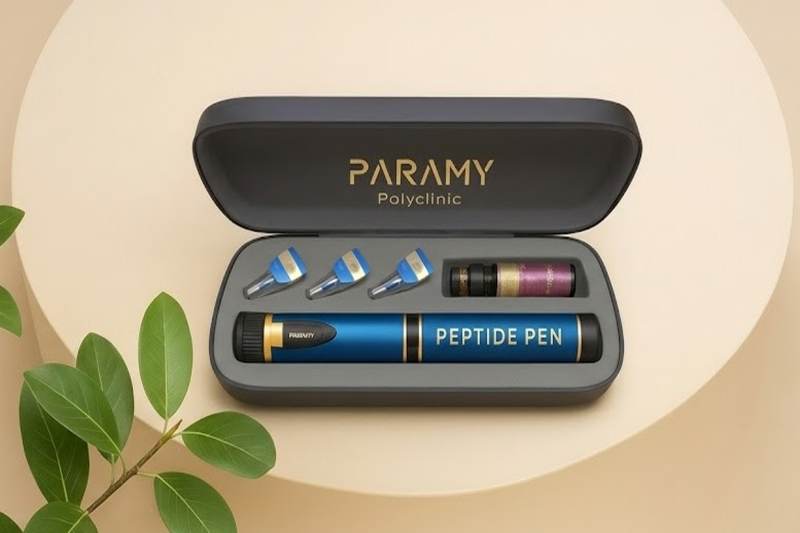
Advanced delivery systems such as peptide pens in dubai are becoming increasingly popular in aesthetic medicine as a more structured approach to peptide administration.
At Paramy Polyclinic Dubai, peptide pens are designed to provide a convenient method for delivering peptide-based treatments under professional medical supervision. Unlike topical peptide serums and creams, peptide pens use injection-based delivery and are incorporated into personalized treatment protocols based on individual needs.
These treatments are part of a growing trend toward customized aesthetic and wellness programs in Dubai, where peptide therapies are selected according to each patient’s goals and medical assessment.
Explore More: Peptide Pens At Paramy Polyclinic
Peptides and Long-Term Skin Health
Modern skincare is increasingly moving toward prevention and long-term skin maintenance rather than only treating visible aging signs.
Peptides are often included in longevity-focused skincare strategies because they support important processes such as:
- Cellular repair
- Skin regeneration
- Collagen preservation
- Barrier protection
- Healthy aging
This approach focuses on maintaining skin quality over time rather than only correcting existing problems.
Who May Benefit From Peptide Treatments For Skin Care?
Peptide-based skincare may be useful for people experiencing:
- Early signs of aging
- Fine lines and wrinkles
- Loss of firmness
- Uneven skin texture
- Reduced elasticity
- Slower skin recovery
They may also appeal to individuals interested in preventive skincare and maintaining healthy skin before major signs of aging appear.
A professional consultation can help determine whether peptide treatments are suitable for specific skin concerns.
Are Peptides for Skin Care Worth It?
Peptides are not a magic solution that removes wrinkles overnight. Their value comes from supporting the natural biological processes that maintain healthy skin.
With regular use, peptides may help improve firmness, texture, elasticity, and overall skin appearance.
When combined with proven skincare practices such as daily sunscreen use, proper hydration, and a balanced routine, peptides can become a valuable part of long-term skin health strategies.
New delivery technologies, including the peptides pen, are also creating new possibilities for personalized peptide-based approaches in aesthetic and regenerative medicine.
Frequently Asked Questions (FAQ)
How long does it take to see results from peptides?
Results are usually gradual. Many users notice improvements after several weeks of consistent use, while more visible changes may take several months.
Can peptides be used every day?
Yes. Most peptide skincare products are designed for daily use, depending on the product instructions.
Can peptides be combined with other skincare ingredients?
Yes. Peptides can often be combined with ingredients such as hyaluronic acid, niacinamide, and antioxidants.
Are peptides suitable for sensitive skin?
In many cases, yes. Peptides are generally considered gentle, but patch testing is recommended before using any new product.
Are peptide creams better than professional treatments?
Topical products can support skin health, while professional treatments may provide a more targeted approach. The right option depends on individual needs.
Conclusion
Peptides for Skin Care have become one of the most recognized ingredients in modern skincare because of their ability to support collagen production, skin repair, and overall skin quality.
Although peptides are not a replacement for sunscreen or scientifically proven treatments, they can be an effective addition to a complete skincare routine.
With continued research and advances in delivery methods, peptides are likely to remain an important part of anti-aging skincare and regenerative aesthetic medicine.


