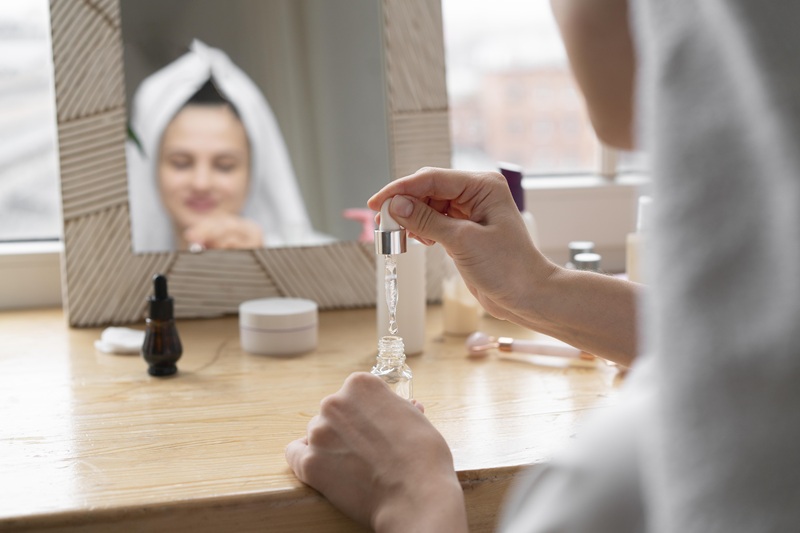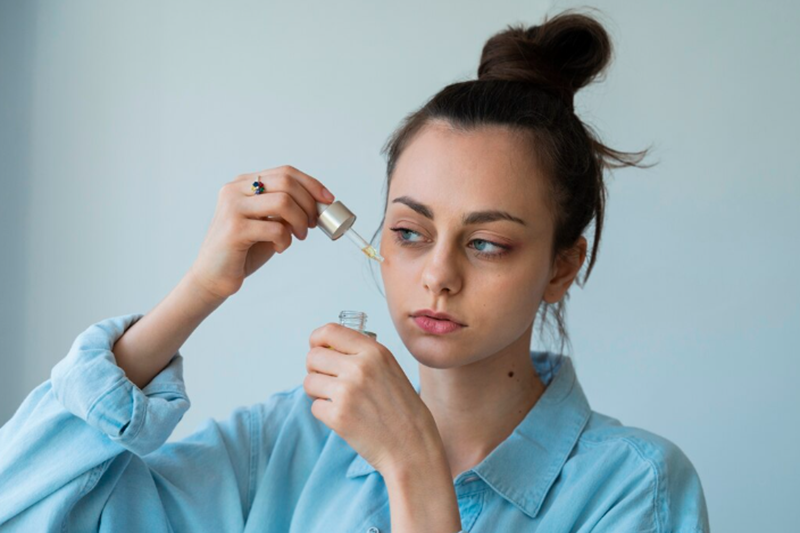

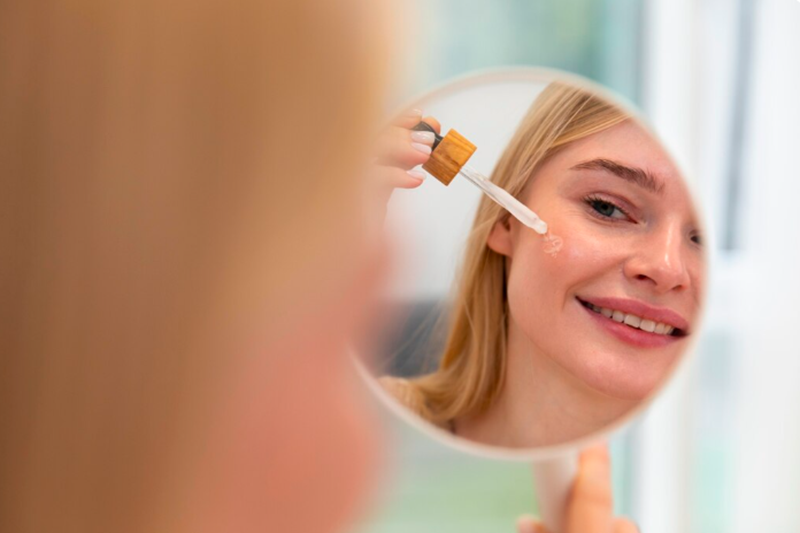
Should you choose peptides, or is a complete anti-aging skincare routine the better option? The answer depends on what you want to improve. Peptides can support the look and feel of aging skin, but they are only one part of a broader skincare strategy.
When comparing Peptides vs Anti-Aging Skincare, it helps to understand that these are not really two competing categories. Peptides are skincare ingredients, while anti-aging skincare refers to a much broader approach that can include sunscreen, retinoids, antioxidants, moisturizers, and other ingredients.
So which approach makes more sense for your skin? Let’s break down what peptides can do, how they compare with other anti-aging ingredients, and how to build a routine around your actual skin goals.
What Are Peptides in Skincare?
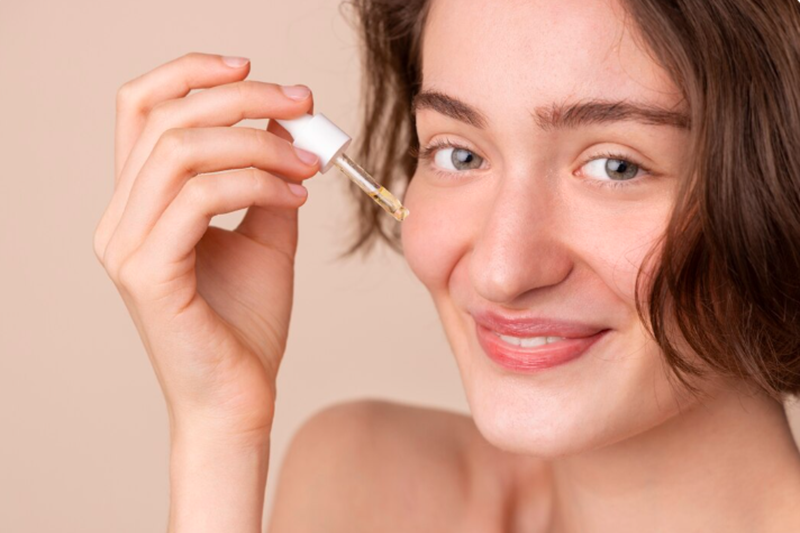
Peptides are short chains of amino acids that can be used in skincare formulations to support different skin functions.
Some cosmetic peptides are designed to interact with the skin in ways that may support the appearance of firmness, smoothness, and overall skin quality. Different peptides have different structures and proposed functions, so “peptides” should not be treated as one single ingredient with one identical effect.
You may find peptides in:
- Serums
- Moisturizers
- Eye creams
- Neck creams
- Anti-aging treatments
Their appeal comes from their potential to complement a skincare routine without being as inherently exfoliating or irritating as some stronger active ingredients.
What Can Peptides Help With?
Peptides are mainly used to support smoother, firmer, and healthier-looking skin. They may be useful if you are concerned about:
- Fine lines and wrinkles
- Loss of firmness
- Rough texture
- Dry or dull-looking skin
However, peptides are not designed to address every sign of skin aging. Your main skin concern should guide which ingredients you add to your routine.
What Can Peptides Do for Aging Skin?
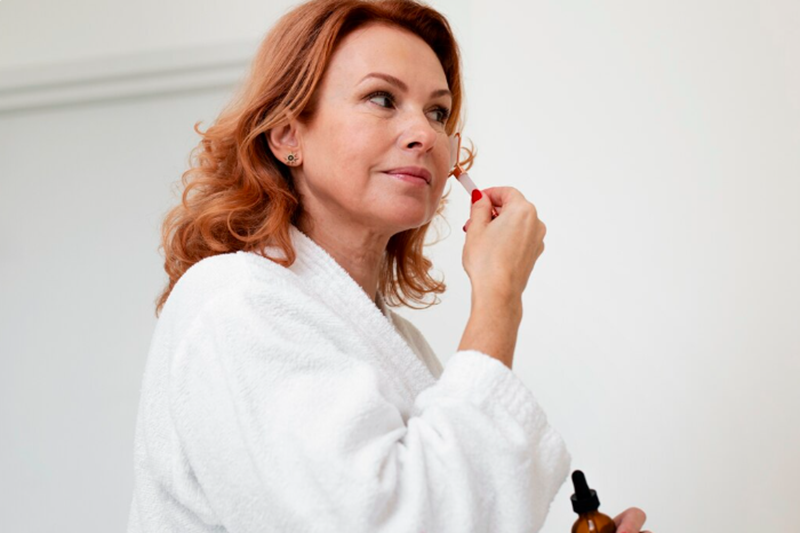
Peptides are mainly used in skincare products intended to improve the appearance of aging skin.
Depending on the specific peptide and formulation, peptide products may be marketed for concerns such as:
- Fine lines
- Loss of firmness
- Rough-looking texture
- Dryness
- Dull appearance
- General signs of skin aging
However, not all peptides work in the same way, and cosmetic products containing peptides can vary significantly in formulation and performance.
This is why the ingredient list alone does not tell you everything about how effective a particular product will be.
Are Peptides Better Than Retinoids?
This is one of the most common comparisons when discussing anti-aging skincare.
Retinoids, including retinol, are vitamin A derivatives with a well-established role in addressing several signs of photoaging and improving skin texture over time.
Peptides work differently. They are generally used as supportive ingredients rather than as a direct replacement for retinoid-based skincare.
For someone primarily concerned with fine lines, uneven texture, or photoaging, a retinoid may be an important consideration. Someone looking for a potentially gentler addition to their routine may also consider a peptide product.
The two do not necessarily need to compete. Depending on your skin and tolerance, peptides and retinoids can potentially be included in the same broader rout
Is Sunscreen More Important Than Peptides?
For long-term skin aging, daily sun protection is one of the most important parts of a skincare routine.
Ultraviolet radiation contributes significantly to premature skin aging, including changes in skin texture, pigmentation, and collagen structure. Regular use of broad-spectrum sunscreen can help reduce ongoing UV exposure.
This puts sunscreen in a different category from peptides.
Peptides may be used to support the appearance of aging skin, while sunscreen helps protect the skin from one of the major environmental factors contributing to photoaging.
If your goal is an effective anti-aging routine, adding more active ingredients does not compensate for consistently skipping sun protection.
Can Peptides Replace Moisturizer?
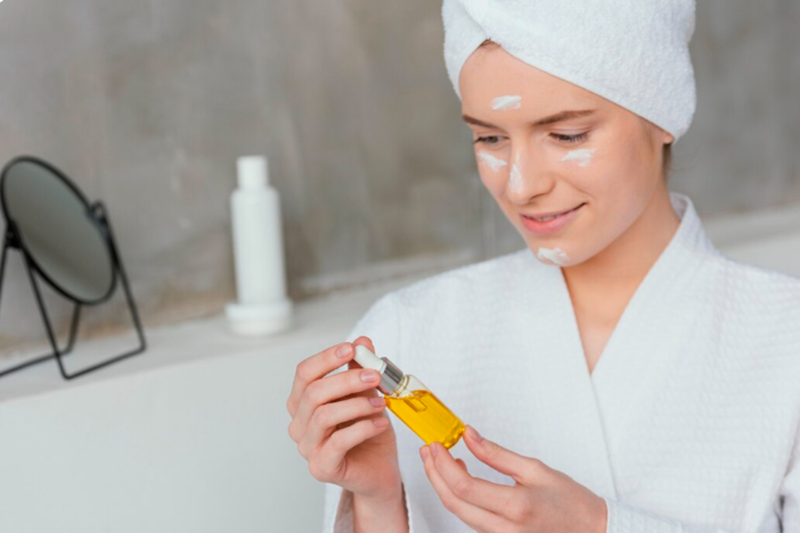
Usually, no.
A peptide serum and a moisturizer perform different roles, although some products may combine both functions.
Moisturizers help support the skin barrier and reduce water loss from the outer layer of the skin. This can make the skin feel softer and look smoother, especially when dryness makes fine lines more noticeable.
If your peptide product does not provide enough hydration for your skin, you may still benefit from applying a moisturizer.
Peptides vs Retinol: Which Should You Choose?
There is no universal answer because the right choice depends on your primary concern, skin sensitivity, and overall routine.
Choose a peptide product if:
- You want to add peptides to an existing routine.
- You prefer a generally gentle-feeling anti-aging ingredient.
- Your main focus is supporting the appearance of firmness and smoothness.
- Your skin does not tolerate stronger actives well.
Consider retinol or another retinoid if:
- Fine lines and uneven texture are major concerns.
- You want an ingredient with a stronger evidence base for photoaging.
- Your skin can tolerate retinoid use.
- You are prepared to introduce it gradually.
These are not mutually exclusive options. A well-planned routine can sometimes include both.
What Should an Anti-Aging Skincare Routine Include?
An effective routine does not need to contain every popular active ingredient.
Instead, start with the basics and add targeted ingredients according to your concerns.
Morning
A simple morning routine can include:
- Gentle cleanser if needed
- Antioxidant or targeted serum
- Moisturizer
- Broad-spectrum sunscreen
Evening
An evening routine might include:
- Gentle cleanser
- Targeted active, such as a retinoid or peptide product
- Moisturizer
The exact order can vary depending on the products you use and their formulations.
The goal is not to create the longest possible routine. It is to create one you can use consistently without unnecessarily irritating your skin.
Where Should Peptides Go in Your Routine?
Peptides can typically be used after cleansing and before moisturizer when they are formulated as a serum.
For example:
Cleanser → Peptide serum → Moisturizer → Sunscreen
in the morning, or:
Cleanser → Peptide serum → Moisturizer
at night.
If you use multiple active products, follow the instructions provided by the manufacturer and introduce new products gradually.
There is also no need to use a peptide product simply because it is trending. Its value depends on your specific skincare goals and the overall formulation.
How Should Peptides Fit Into Your Skincare Routine?
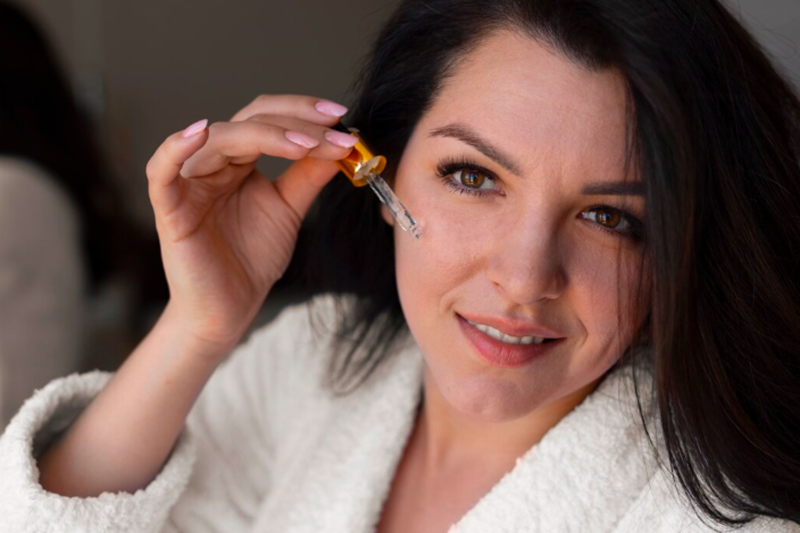
Peptides are typically used as part of a broader skincare routine rather than as a standalone solution. They can be included in products such as serums, moisturizers, or other leave-on formulas.
The key is to choose a product that matches your skin concerns and works well with the rest of your routine. Keeping the routine simple can also make it easier to understand how your skin responds to a new peptide product.
If you are adding peptides for the first time, introduce the product gradually and pay attention to any signs of irritation or sensitivity.
Can Peptides Be Combined With Other Skincare Ingredients?
Peptides can be used alongside many common skincare ingredients, but the overall routine should remain balanced. Using several active products at the same time is not always necessary and may make the routine more difficult to tolerate.
If you use peptides with ingredients such as retinoids, exfoliating acids, or other treatment-focused products, consider how each product affects your skin and avoid introducing several new actives at once.
A simple routine can make it easier to understand how your skin responds and determine which products are genuinely useful for your skincare goals.
What Should You Look For in Peptide Skincare Results?
Peptide skincare is generally better evaluated through gradual changes in the overall appearance and feel of the skin rather than dramatic overnight results.
Depending on the formula and your individual skin, you may notice improvements such as a smoother-looking texture, a more hydrated appearance, or skin that looks more refreshed over time.
Because skincare results can vary from person to person, consistency is important when assessing whether a peptide product is working well for your routine. Giving a product enough time to evaluate its effects can provide a clearer picture than changing products frequently.
How to Choose a Peptide Product
Not all peptide products are formulated the same way. When choosing one, consider your main skin concern, skin type, and how easily the product fits into your existing routine.
Look for a formula that:
- Suits your skin type
- Contains peptides appropriate for your skincare goals
- Can be used consistently
- Does not unnecessarily complicate your routine
If you are considering a more targeted peptide-based approach or want to learn about professional treatment options, exploring Peptide Therapies Dubai can be a helpful next step.
Common Mistakes When Using Peptide Products

Expecting Immediate Results
Skincare usually requires consistent use before you can properly assess how your skin responds. Switching products too quickly can make this difficult.
Choosing a Product Only Because It Contains Peptides
The word “peptides” on a label does not tell you everything about a product. The complete formulation, product quality, and suitability for your skin also matter.
Overcomplicating Your Routine
Using several active products at once can increase the risk of irritation and make it harder to identify which products work well for your skin.
Using Products That Do Not Suit Your Skin
Even a well-formulated peptide product may not be appropriate for every skin type. Pay attention to how your skin responds and adjust your routine when necessary.
Changing Products Too Frequently
Give a new product enough time to determine whether it suits your skin before replacing it with another option. Consistency makes it easier to evaluate your routine.
Frequently Asked Questions
Are peptides better than retinol for anti-aging?
Not necessarily. Peptides and retinoids work differently, and retinoids generally have stronger evidence for several signs of photoaging. Peptides can be used as a complementary ingredient.
Can I use peptides and retinol together?
They can potentially be used in the same routine, depending on the individual products and your skin’s tolerance.
Should I use peptides every day?
Many peptide products are designed for regular use, but follow the instructions for your specific product.
Are peptides good for wrinkles?
Peptides may help improve the appearance of certain signs of aging, including fine lines, but results vary by product and individual skin.
Should I use sunscreen or peptides?
Sunscreen serves a fundamentally different purpose and is an essential part of protecting skin from UV-related damage. Peptides can be an optional addition to a broader routine.
Can peptides replace moisturizer?
Usually not. Peptide serums and moisturizers serve different functions, although some products may combine both.
How long does it take to see results from peptides?
Results vary depending on the product and the skin concern. Consistent use over time is generally more meaningful than expecting immediate changes.
Can You Use Peptides Every Day?
Many peptide products are designed for regular use, but the recommended frequency depends on the specific formula. Follow the product instructions and introduce new products gradually.
Are Peptides Suitable for Sensitive Skin?
Peptides may be suitable for sensitive skin, but the full formula matters. Products containing fragrance or other active ingredients may cause irritation in some people.
Do Peptides Actually Work?
Peptides may help improve the appearance of smoother, firmer, and healthier-looking skin over time. Results vary depending on the product, formulation, and consistent use.
Conclusion
So, when it comes to Peptides vs Anti-Aging Skincare, the two should not really be viewed as competing choices.
Peptides are individual skincare ingredients that may help support the appearance of smoother, firmer, healthier-looking skin. Anti-aging skincare, however, is a much broader strategy that can include sun protection, moisturization, retinoids, antioxidants, and other targeted ingredients.
If you want to add peptides to your routine, consider them as one piece of the bigger picture rather than a replacement for the fundamentals. A simple, consistent routine built around your specific skin concerns is often more useful than chasing a single “best” anti-aging ingredient.