
When exploring advanced skincare, you may come across copper peptides and peptide pens. Although both terms are associated with peptide-based skincare, they do not necessarily describe the same type of product or treatment.
Copper peptides are skincare ingredients, while peptide pens may refer to different devices or treatment methods. Understanding their differences can help you explore your options and discuss suitable treatments with a qualified skincare professional.
What Are Copper Peptides?
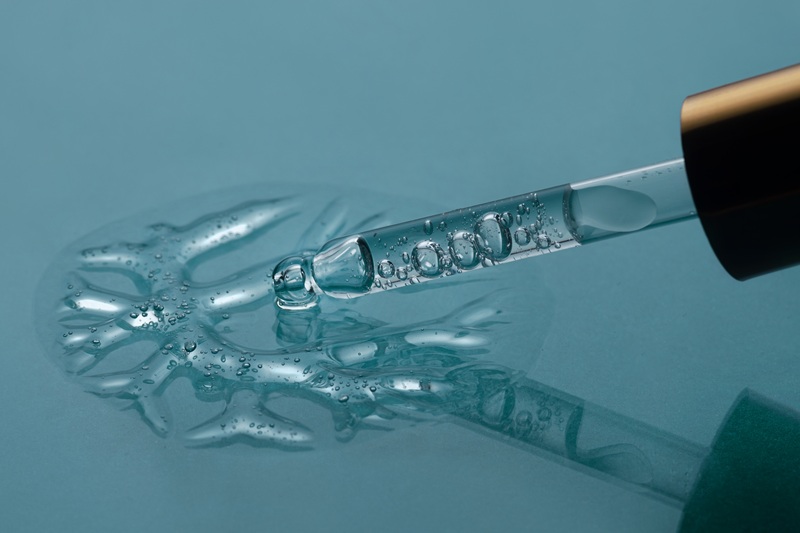
Copper peptides are compounds formed when peptides bind to copper ions. One well-known example is GHK-Cu (Copper Tripeptide-1), which is used in some cosmetic skincare formulations.
Copper peptides have been studied for their potential role in skin repair and extracellular matrix regulation. However, laboratory findings do not guarantee visible results from every topical skincare product.
Their performance depends on factors such as formulation, concentration, stability, and skin compatibility.
Potential Benefits of Copper Peptides
Copper peptide products may be included in skincare routines focused on:
- Supporting smoother-looking skin.
- Addressing the appearance of fine lines.
- Maintaining skin texture and overall appearance.
- Complementing a broader skincare routine.
Results vary between products and individuals, and copper peptides should not be considered a guaranteed anti-aging treatment.
What Are Peptide Pens?
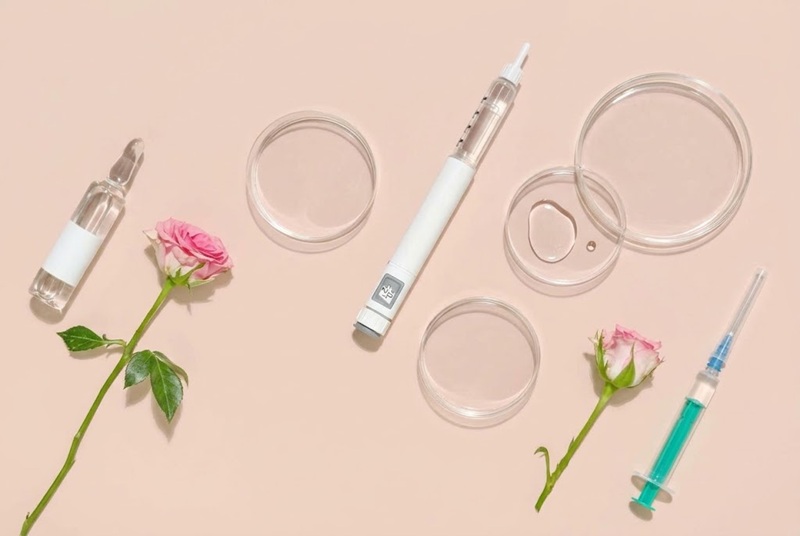
The term peptide pen does not have one universally established definition in aesthetic medicine. It may refer to different devices or procedures associated with peptide delivery.
Some products may involve skin penetration, while others may use non-invasive application methods. The device’s mechanism, formulation, sterility, and intended use must be evaluated individually.
If a peptide pen involves microneedling or another skin-penetrating technique, professional assessment is particularly important. A standard cosmetic serum should not automatically be used with a device or applied to freshly treated skin.
Before undergoing a peptide pen treatment, ask the provider about the exact device, ingredients, application method, and evidence supporting the procedure
Copper Peptides vs Peptide Pens: Key Differences
The main distinction is that copper peptides describe an ingredient, whereas peptide pens may describe a device or treatment method.
| Feature | Copper Peptides | Peptide Pens |
|---|---|---|
| Category | Skincare ingredient | Device or procedure term |
| Application | Usually topical | Depends on the specific device |
| Main consideration | Formulation and skin tolerance | Delivery method, device safety, and formulation |
| Evidence | Depends on the product and research | Depends on the specific device and protocol |
| Professional guidance | Helpful for product selection | Important, particularly for invasive procedures |
These options are not necessarily direct alternatives. Their suitability depends on the specific product, treatment goals, and individual circumstances.
What to Know Before Choosing a Peptide Pen
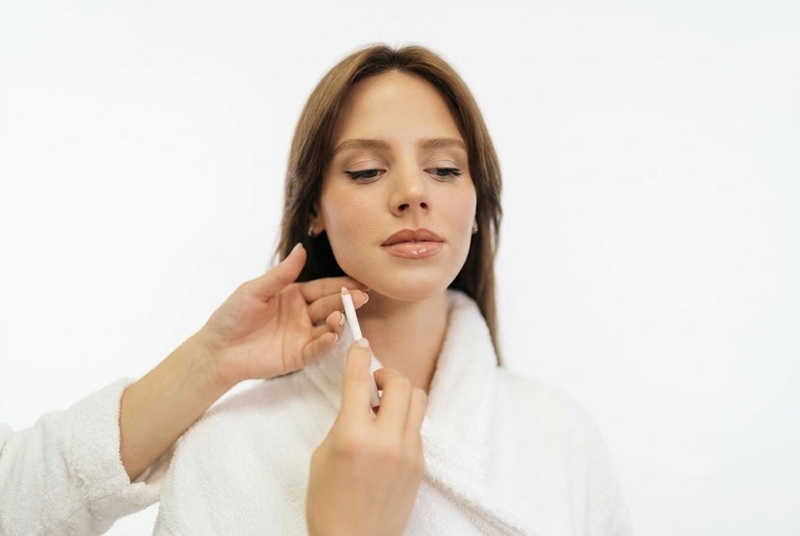
Before considering a peptide pen treatment, it is important to understand the specific device, its application method, and the formulation used. The term “peptide pen” can describe different products, so the treatment’s intended use and supporting evidence should be clarified.
Consider the following factors before choosing a procedure:
- Treatment method: Ask how the device works and whether it involves skin penetration.
- Product formulation: Confirm which ingredients are used and whether they are suitable for the intended application.
- Safety considerations: Discuss potential side effects, contraindications, and aftercare with a qualified professional.
- Treatment goals: Ensure the proposed procedure aligns with your individual skin concerns and expectations.
A professional consultation can help you understand the treatment and determine whether it is appropriate for your skin.
Which Option Should You Choose for Your Skin?
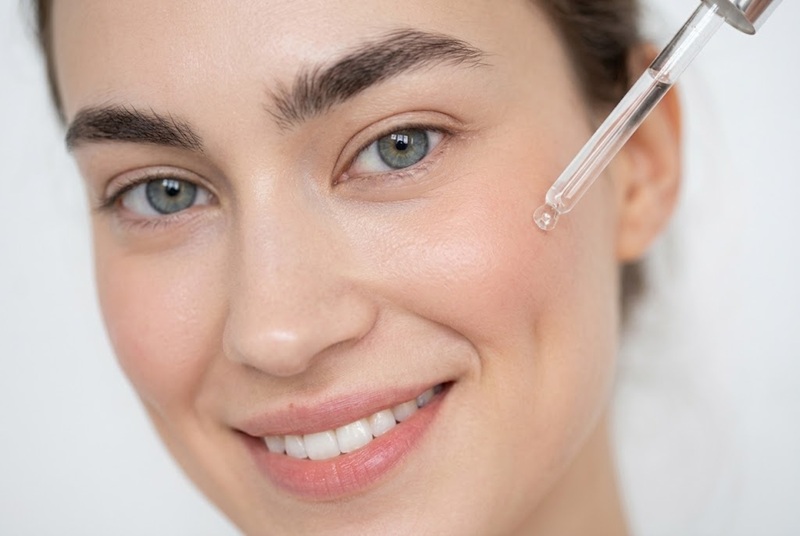
There is no universal choice that works for everyone. Your decision should depend on the exact product or procedure and your skincare goals.
Copper Peptides May Be Suitable for:
- People interested in peptide-based topical skincare.
- Individuals looking for a non-invasive cosmetic skincare option.
- Those focused on maintaining skin texture and appearance.
- People who want to discuss ingredient suitability with a skincare professional.
Peptide Pens May Be Considered When:
- You are exploring a specific professional aesthetic treatment.
- The device and its application method have been clearly identified.
- A qualified provider has assessed your skin concerns.
- You understand the potential risks, benefits, and aftercare requirements.
The term “peptide pen” alone is not enough to establish a treatment’s effectiveness or safety.
Are Copper Peptides Safe for All Skin Types?
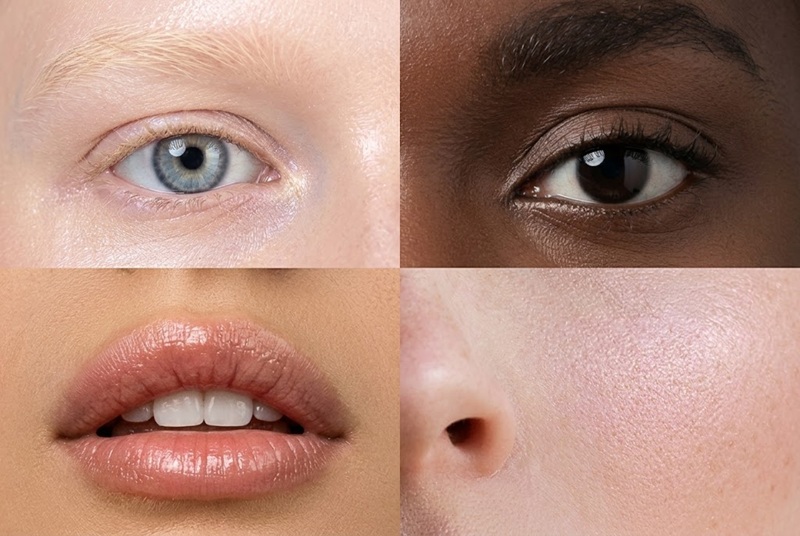
Copper peptide products may be tolerated by many individuals, but skin sensitivity and formulation differences can affect the risk of irritation.
Before using a copper peptide product:
- Check the ingredient list and manufacturer’s instructions.
- Introduce new products carefully, especially if your skin is sensitive.
- Avoid combining multiple potentially irritating products without appropriate guidance.
- Stop using the product if you experience persistent irritation or an unexpected reaction.
- Consult a professional if you have a skin condition or are recovering from a cosmetic procedure.
Can You Use Copper Peptides After Microneedling?
Not automatically. After microneedling, the skin barrier may be temporarily disrupted, and product suitability depends on the formulation and procedure.
A regular cosmetic serum should not be assumed to be appropriate for application to freshly treated skin. Follow your treating professional’s instructions regarding post-procedure products and timing.
Frequently Asked Questions
Are copper peptides the same as peptide pens?
No. Copper peptides are skincare ingredients, while peptide pens may refer to different devices or procedures. Their exact relationship depends on the specific product or treatment.
Are copper peptides better than peptide pens?
There is no established universal answer. They may serve different purposes and should be evaluated according to the specific product, device, and treatment goals.
Can copper peptides improve skin texture?
Copper peptides are used in skincare products intended to support skin appearance. However, results vary, and evidence for specific cosmetic benefits depends on the formulation and available research.
Should you use a peptide serum after microneedling?
Not automatically. Product suitability depends on the formulation and procedure. Follow your treating professional’s aftercare recommendations.
Final Thoughts
The comparison between Copper Peptides vs Peptide Pens begins with understanding the difference between a skincare ingredient and a potential delivery method. Copper peptides are commonly used in topical formulations, while peptide pen treatments must be evaluated according to their specific technology and protocol.
Consider your skin concerns, the available evidence, and professional guidance when exploring peptide-based skincare and aesthetic treatments.