
A beauty peptide is becoming an increasingly popular ingredient in modern skincare, thanks to its potential to support smoother, firmer, and healthier-looking skin. From everyday peptide serums to advanced aesthetic treatments, these small chains of amino acids are attracting attention for their role in skin repair, collagen support, and overall skin rejuvenation.
But with so many peptide products and treatments available, it can be difficult to know which peptides actually matter and what they can realistically do for your skin. In this guide, we explore how beauty peptides work, their potential benefits, the most popular types—including GHK-Cu—and how peptide-based treatments differ from topical skincare products.
What Is a Beauty Peptide?
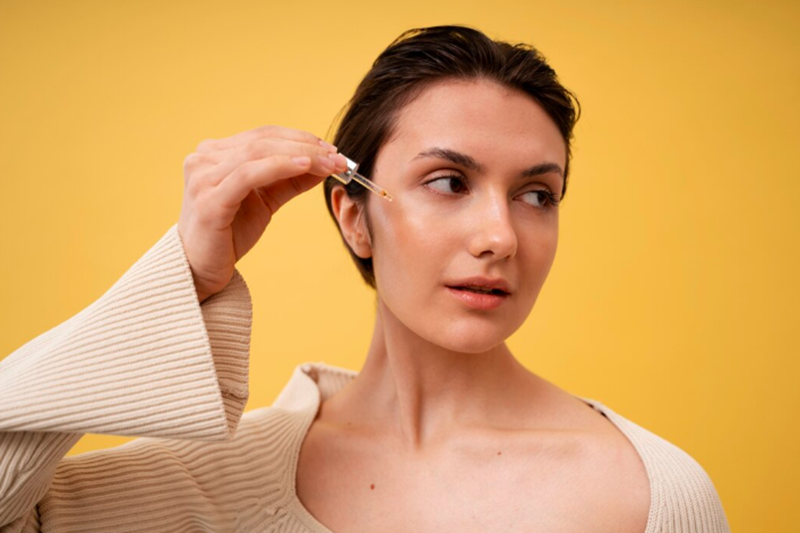
A beauty peptide is a short chain of amino acids used in skincare and aesthetic treatments to support healthier, smoother, and more youthful-looking skin. Peptides can work as signaling molecules, helping the skin support processes associated with collagen production, elasticity, hydration, and repair.
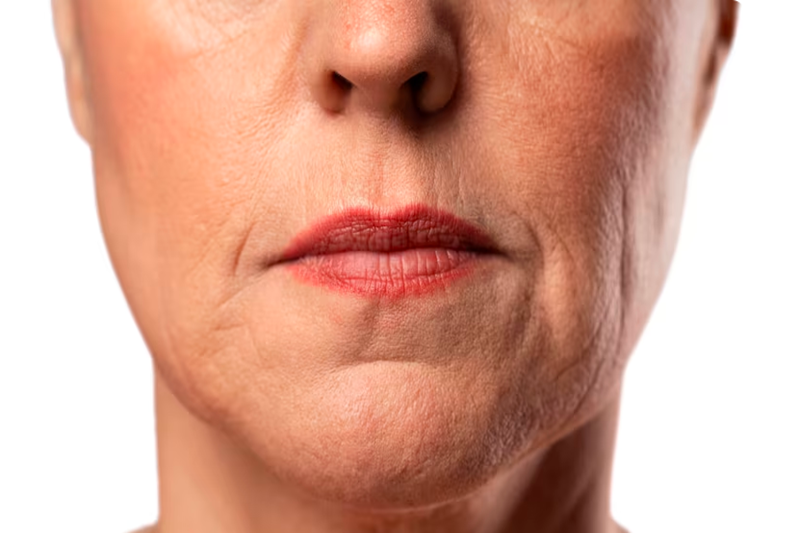
As the skin ages, collagen and elastin production naturally decline. This can contribute to fine lines, reduced firmness, uneven texture, and other visible signs of aging. Beauty peptides have therefore become increasingly popular as part of modern skincare routines and professional rejuvenation treatments.
Unlike ingredients that simply exfoliate or hydrate the surface of the skin, certain peptides are designed to interact with specific biological processes. However, the effects depend on the type of peptide, its formulation, concentration, and whether it is used in a topical skincare product or a professional treatment.
How Do Beauty Peptides Work?
Peptides can have different functions depending on their structure and formulation. Some act as signaling peptides that support processes associated with collagen production, skin repair, and firmness.
Because different peptides target different processes, the most suitable option depends on the specific skin concern and the formulation being used.
What Are the Benefits of Beauty Peptides?
Different beauty peptides may support several aspects of skin appearance, including:
- Skin firmness: Some peptides support processes associated with collagen production.
- Fine lines: Consistent use may help improve the appearance of fine lines.
- Skin texture: Peptide formulations can contribute to smoother-looking skin.
- Skin repair: Certain peptides are studied for their potential role in supporting the skin’s natural repair processes.
- Overall skin quality: Peptide-based skincare can help the complexion look healthier and more refreshed.
Results vary depending on the peptide, formulation, concentration, and method of application.
Which Beauty Peptides Are Commonly Used in Skincare?
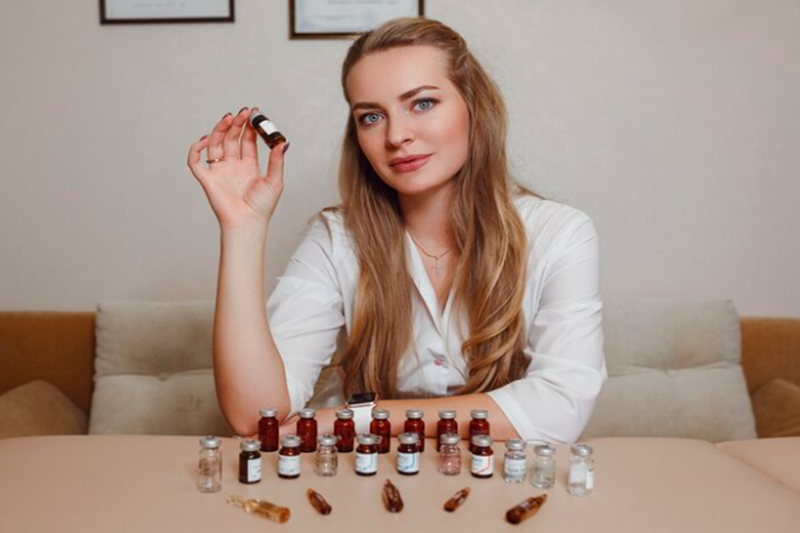
Different peptides have different functions, so they should not be treated as interchangeable ingredients. Common categories include:
- Signal peptides: Used to support processes associated with collagen and skin firmness.
- Copper peptides: Studied for their potential role in skin repair and remodeling.
- Carrier peptides: Help deliver trace elements that may support skin functions.
- Neurotransmitter-affecting peptides: Used in some cosmetic formulations targeting the appearance of expression lines.
The effectiveness of a peptide product depends on factors such as its formulation, concentration, stability, and how it is delivered.
GHK-Cu: A Popular Beauty Peptide
GHK-Cu is one of the most widely discussed copper peptides in modern skincare and aesthetic medicine. It is a copper-binding peptide that has been studied for its potential role in skin remodeling and repair.
GHK-Cu has attracted attention because of its relationship with processes involved in maintaining the extracellular matrix and supporting skin quality. In cosmetic skincare, it is commonly associated with concerns such as visible signs of aging, loss of firmness, and uneven skin texture.
For people interested in professional applications rather than topical skincare alone, learning about GHK-Cu peptide treatments in Dubai can help clarify how this peptide may be incorporated into an aesthetic treatment plan.
The appropriate approach depends on the individual’s skin condition, goals, and the treatment protocol used by a qualified professional.
Beauty Peptide Skincare vs. Professional Peptide Treatments
Topical peptide products, such as serums and creams, are applied directly to the skin and are formulated for regular skincare use. Their effectiveness depends on factors such as the peptide, concentration, formulation, and skin penetration.
Professional peptide treatments may use different formulations or delivery methods and can be selected according to individual aesthetic concerns.
Therefore, a peptide serum and a professional peptide treatment should not automatically be considered interchangeable.
What Is Peptide Therapy?
Peptide therapy refers to professional approaches that use specific peptides for targeted purposes. In aesthetic medicine, peptide-based treatments may be considered as part of a broader strategy for supporting skin quality and rejuvenation.
If you are considering a professional approach, peptide therapy in Dubai can help you explore available treatment options and determine whether peptide-based care is suitable for your goals.
A qualified professional should assess your individual needs before recommending a treatment.
How to Add Beauty Peptides to Your Skincare Routine
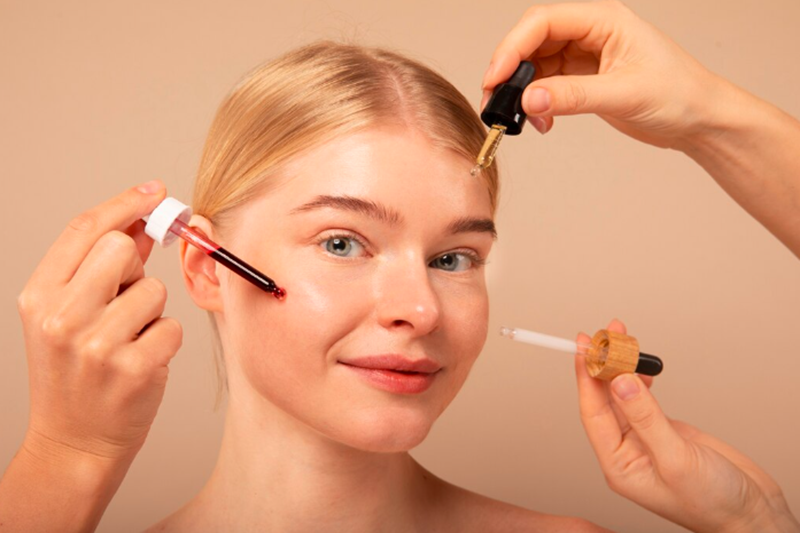
A simple routine can make it easier to use topical peptide products consistently:
- Cleanser: Gently cleanse the skin.
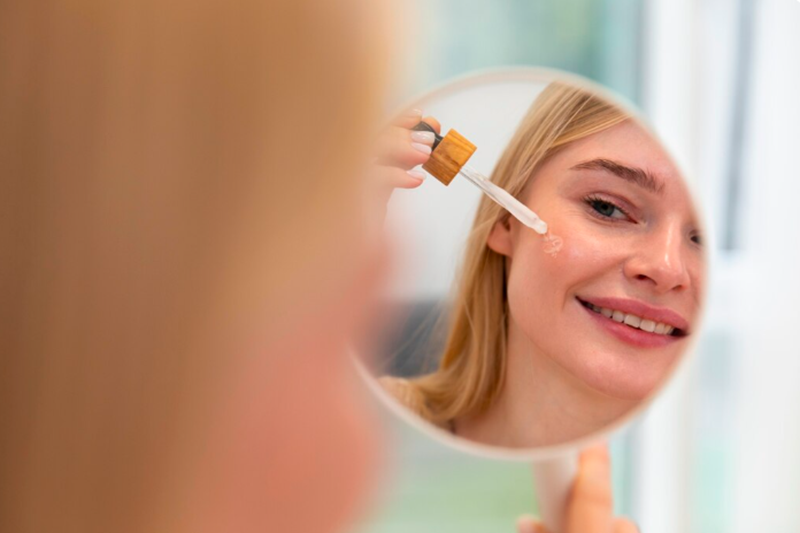
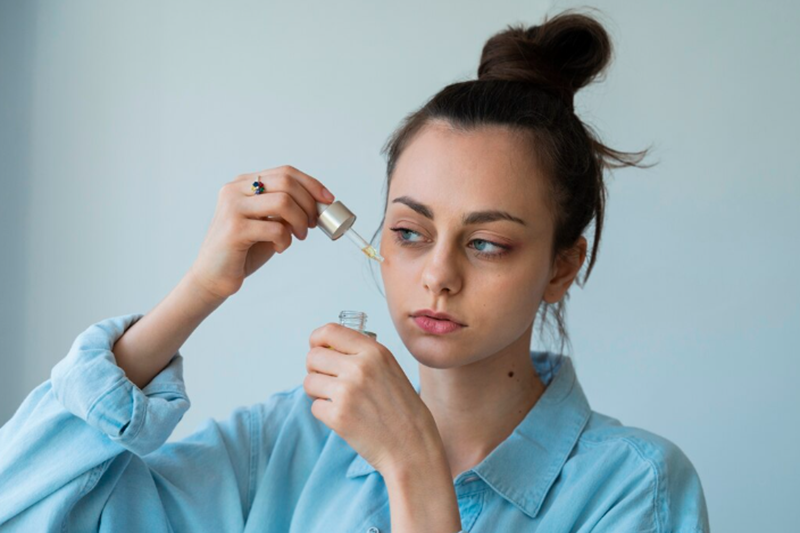
- Beauty peptide serum: Apply the product according to its instructions.
- Moisturizer: Maintain skin hydration and support the skin barrier.
- Sunscreen: Use broad-spectrum SPF during the day.
If you use several active ingredients, introduce new products gradually to reduce the risk of irritation.
Are Beauty Peptides Safe?
The safety of a peptide product depends on the specific peptide, formulation, concentration, and method of application.
Many peptide skincare products are designed for regular topical use, while professional peptide treatments require individualized assessment. Anyone with sensitive skin, allergies, an existing skin condition, or concerns about combining treatments should consult an appropriate healthcare professional.
Beauty Peptides vs. Other Anti-Aging Ingredients
Beauty peptides are only one part of a broader skincare routine. Other commonly used ingredients include:
- Retinoids: Used to support skin renewal and address signs of photoaging.
- Vitamin C: Provides antioxidant support and can help brighten the complexion.
- Hyaluronic acid: Helps maintain skin hydration.
- Niacinamide: Supports the skin barrier and can improve the appearance of uneven tone.
- AHAs: Exfoliate the skin and improve surface texture.
The right combination depends on your skin type, concerns, and tolerance for active ingredients.
How to Choose the Right Beauty Peptide Treatment
Choosing a beauty peptide should start with your specific skin concern rather than simply choosing the most popular peptide.
Consider whether you need:
- Daily topical skincare
- Support for firmness or fine lines
- A professional aesthetic treatment
- A treatment tailored to a specific skin concern
For advanced peptide treatments, a consultation with a qualified professional can help determine the most appropriate approach.
Frequently Asked Questions About Beauty Peptides
What is a beauty peptide?
A beauty peptide is a short chain of amino acids used in skincare and aesthetic treatments to support specific skin functions, including processes related to firmness, hydration, collagen, and repair.
Are beauty peptides good for aging skin?
Certain peptides may help improve the appearance of fine lines, firmness, and skin texture when used consistently. Results depend on the specific peptide and formulation.
Is GHK-Cu a beauty peptide?
Yes. GHK-Cu is a copper peptide studied for its potential role in skin repair and remodeling and is commonly used in skincare and aesthetic medicine.
Can I use peptide products every day?
Many topical peptide products are designed for regular use, but the appropriate frequency depends on the specific product and its instructions.
Are peptide treatments the same as peptide serums?
No. A peptide serum is applied topically, while professional peptide treatments may use different formulations or delivery methods. They should not automatically be considered equivalent.
Final Thoughts
Beauty peptides have become a popular part of modern skincare because of their potential to support skin firmness, texture, hydration, and overall appearance. However, peptides are not a single type of ingredient, and different peptides can have very different functions.
For the best results, choose a peptide based on your specific skin concern, use products consistently, protect your skin from UV exposure, and seek professional guidance when considering advanced treatments.
The goal is not simply to follow the latest skincare trend, but to choose an evidence-informed approach that fits your skin and your individual aesthetic goals.