

Chronic pain affects millions worldwide, diminishing quality of life and mobility. Whether discomfort stems from sports injuries, joint degeneration, or post-surgical recovery, identifying effective treatment protocols remains a priority.
In recent years, interest in Peptides for Pain Sensation and Peptides for Pain Relief has accelerated across regenerative medicine. Unlike conventional analgesics that mask symptoms, specific bioactive peptides support the body’s natural healing cascades and encourage tissue regeneration.
Decoding Nociceptive Pathways: How the Body Detects and Processes Pain
Pain is a sophisticated physiological warning system designed to protect biological structures from harm. Specialized sensory nerve endings known as nociceptors detect noxious stimuli—mechanical, thermal, or chemical—and relay electrical signals through the peripheral nervous system to the brain.
Pain sensation is typically classified into distinct clinical categories:
- Acute Pain: Manifests abruptly following trauma, surgery, burns, or acute injury. It functions as an essential protective signal and generally resolves as the underlying tissue heals.
- Chronic Pain: Persists past the normal tissue healing timeframe, often lasting months or years. Conditions such as osteoarthritis, tendinopathies, mechanical back pain, fibromyalgia, and chronic neuropathic syndromes rely heavily on sensitization mechanisms.
- Neuropathic Pain: Arises directly from structural damage or functional impairment within the nervous system. Affected individuals frequently report burning, sharp, shooting, or electric shock-like sensations.
Emerging research into neuropeptides indicates that various therapeutic molecules directly modulate how nociceptive signals are processed and perceived for clinical pain management.
What Are Therapeutic Peptides?
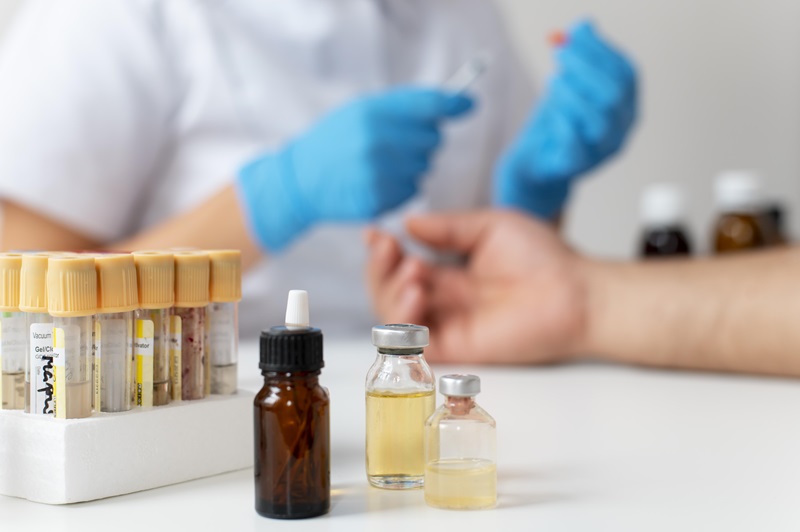
Peptides are precise, short chains of amino acids linked by peptide bonds, functioning as critical signaling molecules throughout human physiology. They regulate a vast array of biological processes, including:
- Cellular communication and signal transduction
- Tissue repair and extracellular matrix remodeling
- Modulation of acute and chronic inflammatory responses
- Immune system regulation
- Angiogenesis and microvascular perfusion
Because individual peptides target specific receptor sites and biological pathways with high affinity, they represent a cornerstone of modern regenerative medicine and precision rehabilitation programs.
In addition to Pain Relief, peptide therapy can also support Peptides for Weight Loss. If you’d like to learn more about this, feel free to check out this article. Peptides for Weight Loss
The Role of Peptides in Modern Pain Management and Tissue Recovery
The expanding clinical interest in targeted therapies specifically Peptides for Pain Sensation and Peptides for Pain Relief stems from their capacity to influence multiple pathophysiological factors associated with chronic discomfort, rather than simply interrupting neurological pain transmission.
1. Regulating Inflammatory Cascades
Persistent, low-grade inflammation is a primary driver of ongoing tissue damage and chronic pain. Certain regulatory peptides help modulate immune cell activity, suppress chronic pathway signaling, and downregulate pro-inflammatory cytokines, which effectively reduces localized swelling and oxidative stress.
2. Promoting Structural Tissue Regeneration
Muscles, tendons, ligaments, articular cartilage, and fascial networks demand efficient cellular proliferation and rapid collagen synthesis following trauma or repetitive strain. Specific regenerative peptides enhance fibroblast activity, promote extracellular matrix remodeling, and accelerate structural recovery.
3. Enhancing Microvascular Circulation
Optimal tissue healing requires a robust, continuous delivery of oxygen and essential micronutrients. Peptides involved in angiogenesis stimulate the formation of new capillary networks, successfully restoring microcirculation to ischemic, poorly vascularized, or damaged anatomical regions.
4. Accelerating Athletic Recovery
Active individuals and elite athletes routinely utilize targeted peptide protocols to minimize mandatory downtime, manage exercise-induced inflammatory stress, and optimize musculoskeletal recovery following intensive, high-impact training regimens. This recovery focus overlaps with goals often covered in peptide therapy for men.
Common Peptides Associated with Pain Management

Clinical protocols frequently incorporate specific sequence-defined peptides studied for their regenerative properties:
- BPC-157: A stable gastric pentadecapeptide investigated extensively for its role in accelerating tendon-to-bone healing, ligament repair, skeletal muscle regeneration, and gastrointestinal mucosal protection. Research suggests BPC-157 promotes angiogenesis and upregulates growth factor receptors.
- TB-500 (Thymosin Beta-4): A synthetic version of a naturally occurring repair protein that facilitates cellular migration, actin-sequestering, and anti-inflammatory activity, thereby supporting structural integrity and joint mobility after injury.
- Thymosin Alpha-1: Primarily recognized for its immune-modulating properties, this peptide supports systemic inflammatory balance, indirectly influencing chronic pain states linked to immune dysregulation.
Peptides and Chronic Joint Pain
Articular joint deterioration is among the primary indications prompting patients to investigate advanced regenerative therapies. Conditions frequently addressed within comprehensive care models include:
- Knee and hip osteoarthritis
- Chronic tendinopathies and bursitis
- Rotator cuff tears and shoulder impingement syndromes
- Chronic mechanical lower back pain
- Post-traumatic joint instability
While peptide therapies are not presented as anatomical cures, specialized clinicians integrate them into multi-modal treatment paradigms designed to optimize cellular repair, preserve joint cartilage, and restore functional mobility.
The Role of Peptides in Sports Injury Recovery
Athletes frequently encounter repetitive overload injuries and acute trauma that challenge traditional healing timelines:
- Tendinous strains and micro-tears
- Ligamentous sprains (e.g., ACL or ankle complexes)
- Muscle fiber disruptions
- Overuse and impingement syndromes
Regenerative peptide protocols serve as valuable adjuncts to structured physical therapy, helping to shorten recovery windows and improve the tensile strength of repaired tissues.
Why Patients Are Looking Beyond Traditional Analgesics

Standard pharmacological approaches to chronic pain management frequently rely on non-steroidal anti-inflammatory drugs (NSAIDs), corticosteroids, or opioid medications. While effective for short-term symptom suppression, prolonged reliance presents notable limitations:
- Risk of gastrointestinal ulceration, renal stress, or cardiovascular complications from chronic NSAID use
- Potential for tolerance, dependence, or systemic side effects associated with opioid analgesics
- Lack of tissue-healing properties (masking pain without repairing underlying pathology)
This clinical reality has driven patients and forward-thinking physicians toward regenerative frameworks centered on tissue restoration and physiological healing.
At Paramy Polyclinic,At Paramy Polyclinic, Peptide therapy in Dubai is offered as one of our services, which you can use for Pain Relief.is offered as one of our services, which you can use for Pain Relief.
Advanced Delivery Systems in Modern Therapy
To ensure precision, safety, and patient compliance, modern therapeutic protocols frequently utilize advanced delivery systems. The adoption of The Role of Peptide Pens in Dubai and international clinical centers has revolutionized self-administration under medical guidance.
Prefilled or adjustable peptide pens offer distinct clinical advantages:
- Dose Accuracy: Mechanical dosing dials eliminate measurement errors associated with traditional syringes.
- Convenience and Portability: Compact designs facilitate seamless adherence to strict dosing schedules.
- Enhanced Patient Confidence: Needle-free or micro-needle pen architectures reduce anxiety and simplify administration.
Safety Considerations and Medical Oversight
Peptide therapies must be prescribed and monitored exclusively under qualified medical supervision. Prior to initiating any protocol, healthcare providers perform comprehensive evaluations, including:
- Detailed clinical history and physical examination review
- Assessment of existing systemic health conditions
- Evaluation of potential drug-peptide interactions
- Establishment of clear, measurable therapeutic endpoints
Professional oversight ensures that dosing regimens remain safe, biologically appropriate, and continuously optimized for clinical efficacy.
Frequently Asked Questions (FAQ)
1. What are peptides, and how do they help with pain relief?
Peptides are short chains of amino acids that act as biological signaling molecules. Rather than simply masking pain signals like traditional painkillers, specific therapeutic peptides help modulate inflammation, stimulate cellular repair in damaged tissues, and encourage microvascular circulation to support natural healing.
2. Are peptide therapies safe for managing chronic pain?
When administered under the direct supervision of qualified medical professionals, peptide therapies are generally well-tolerated. Comprehensive clinical evaluation prior to treatment ensures proper dosing, minimizes adverse effects, and screens for potential contraindications.
3. Can peptide therapy replace physical therapy and rehabilitation?
No. Peptides are designed to act as complementary adjuncts within a comprehensive rehabilitation program. They work best when combined with structured physical therapy, guided exercise, proper nutrition, and lifestyle optimization.
4. How long does it take to see results from peptide protocols for injury recovery?
Timeline responses vary significantly depending on the specific peptide used, the severity and chronicity of the injury, and the patient’s overall metabolic health. While some individuals report improvements in inflammation and comfort within a few weeks, structural tissue remodeling is a gradual biological process.
5. Why are peptide delivery pens commonly used in clinical practice?
Peptide pens offer precise dosing accuracy, enhanced convenience, and ease of self-administration. They help patients adhere strictly to their prescribed treatment schedules while reducing the complexity of preparation.
Final Thoughts
The scientific landscape of pain management is evolving rapidly, and targeted peptide therapies represent an innovative frontier in regenerative medicine. By supporting endogenous tissue repair, modulating inflammatory cascades, and optimizing recovery windows, evidence-based peptide protocols offer a promising complementary approach for individuals navigating chronic pain or athletic injuries. Consulting with experienced medical professionals ensures these advanced interventions are safely and effectively integrated into a personalized roadmap for long-term health and mobility.


