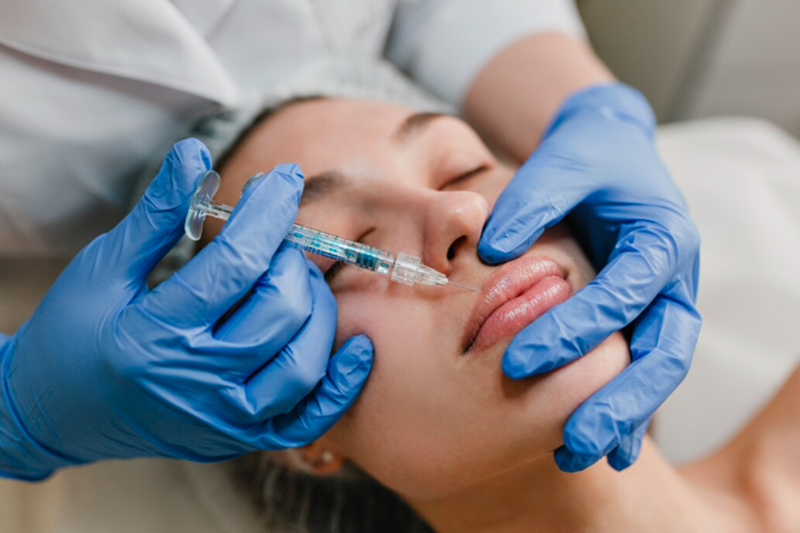


In recent years, Peptide Therapy for Men has moved from a niche term in anti-aging clinics into one of the most searched health topics among men of all ages. If you are still learning what is peptide therapy in general, the same cellular-signaling principles apply here with male-focused goals. Peptides are short chains of amino acids essentially the same building blocks the body uses every day to repair tissue, produce hormones, and regulate metabolism. What sets peptides apart from ordinary proteins is their smaller size, which allows the body to absorb them quickly and use them as biological messengers that trigger very specific processes inside cells.
A few key factors drive this growing interest among men: the natural decline in growth hormone and testosterone that begins in midlife, a desire for faster recovery after intense training, and a search for better sleep, improved body composition, and steady daily energy all without the broad side-effect profile that anabolic steroids carry. As a result, men increasingly see peptide therapy not as a hormone replacement, but as a performance-optimization tool that works with the body’s own systems.
This guide walks through how peptides work, their core benefits, the most common types used by men today, how they differ from TRT and steroids, what the clinical process looks like, and the safety and legal considerations every man should understand before starting.
How Do Peptides Work?
The simplest way to picture how a peptide works is to think of it as a “key” that fits only one specific “lock” a cellular receptor. Once a peptide enters the bloodstream, it travels to its target cells and binds to that matching receptor on the cell membrane. This binding acts like pressing a button: it sends a signal inside the cell to start a specific process for example, prompting the pituitary gland to release growth hormone, or activating pathways involved in fat metabolism.
The key point is that most peptides interact with only one type of receptor, which makes their effect targeted. Unlike many systemic drugs, they don’t create widespread interference across unrelated pathways in the body. Growth hormone secretagogues, for instance, bind to receptors in the pituitary gland and prompt the body to produce more of its own growth hormone rather than introducing synthetic growth hormone directly into the bloodstream.
The Core Benefits of Peptide Therapy for Men

Unlike generic supplements that act broadly and non-specifically, peptides are designed for very precise goals — some focus on tissue repair, others on stimulating growth hormone release, and others on neurological pathways tied to libido. This specificity is what sets peptide therapy apart from other performance-enhancement approaches.
Muscle Growth and Body Recomposition
A class of peptides known as secretagogues (such as Ipamorelin and CJC-1295) stimulate the pituitary gland to naturally increase growth hormone output. This natural rise in growth hormone can support increased lean muscle mass alongside gradual fat loss without pushing hormone levels to the unnatural spikes seen with direct growth hormone injections.
While many peptides aid in overall body composition, those interested primarily in slimming down can read our guide on Peptide Therapy for Weight Loss to understand how appetite and blood sugar regulation work together.
Enhanced Recovery and Injury Healing
One of the most widely used applications of peptide therapy is soft-tissue repair. Peptides like BPC-157 and TB-500 are specifically studied for their effects on tendon, ligament, and joint recovery, which has made them popular among athletes and anyone with a history of injury. These peptides are thought to support local blood flow and new blood vessel formation, shortening the body’s natural repair timeline.
Sexual Health and Libido Support
PT-141 (Bremelanotide) stands out as one of the more distinctive options in this space. Unlike medications such as Viagra, which work by increasing blood flow to the genitals, PT-141 acts directly on brain and nervous system pathways linked to sexual desire. This different mechanism has positioned PT-141 as an option for men whose low libido is rooted in neurological or psychological factors rather than purely vascular issues.
Most Popular Peptides for Men: A Quick Reference
| Peptide Name | Primary Goal | Delivery Method |
|---|---|---|
| BPC-157 | Tendon, ligament, and gut tissue repair | Subcutaneous injection |
| TB-500 | Tissue regeneration and reduced systemic inflammation | Subcutaneous injection |
| Ipamorelin | Natural stimulation of growth hormone release | Subcutaneous injection |
| CJC-1295 | Sustained elevation of growth hormone levels | Subcutaneous injection |
| PT-141 | Libido and sexual performance support | Subcutaneous injection or nasal spray |
| Sermorelin | Pituitary stimulation for growth hormone release | Subcutaneous injection |
| Semaglutide/Tirzepatide* | Appetite control and weight management | Weekly subcutaneous injection |
| MK-677 (peptide analog, oral) | Growth hormone and appetite stimulation | Oral capsule |
*These two are technically receptor agonists and, unlike most other entries in this table, do have FDA-approved indications for diabetes and weight management.
Peptides vs. TRT vs. Steroids: What’s the Difference?
One of the most common points of confusion is whether peptide therapy is simply another form of testosterone replacement therapy (TRT) or a type of steroid. The answer is no: peptides work by stimulating the body’s own natural hormone production or repair processes, while TRT introduces hormone directly from an external source, and anabolic steroids push hormone levels far beyond the body’s natural range.
| Criteria | Peptide Therapy | TRT | Steroids (Anabolic) |
|---|---|---|---|
| Mechanism | Stimulates the body’s own hormone production or tissue repair | Directly replaces testosterone from an external source | Artificially elevates anabolic hormones well beyond natural levels |
| Side Effects | Generally limited; mostly localized (injection-site redness) | Can suppress natural testosterone production, alter blood lipids | Liver and cardiovascular strain, significant hormonal suppression, mood changes |
| FDA Approval | Most bodybuilding-oriented peptides are not FDA-approved for these uses | Approved for clinically diagnosed testosterone deficiency | Approved only for specific medical conditions, not performance or athletic use |
The Clinical Process: What to Expect During Therapy

Starting peptide therapy isn’t as simple as ordering a vial online and injecting it at home — a safe, effective protocol follows a structured clinical process from start to finish. This typically begins with lab testing to establish a baseline, followed by choosing the right delivery method for the specific peptide and goal, and finally tracking progress against a realistic timeline. Understanding what this process actually looks like helps set the right expectations and, more importantly, keeps the therapy safe.
Diagnosis and Lab Work
Before starting any peptide therapy, comprehensive bloodwork is essential. Hormone levels such as testosterone and IGF-1, along with liver and kidney function markers, should be evaluated to confirm whether therapy is actually needed and to help the prescribing physician determine an appropriate dose. Skipping this step can carry serious health risks.
Administration Methods
Depending on the peptide and its intended purpose, therapy is typically delivered through one of three routes:
- Subcutaneous injection: the most common method for most repair-focused and growth-hormone-stimulating peptides, typically administered using a peptide pen for men for ease and accuracy.
- Oral capsules: used for certain analogs like MK-677, though oral absorption is generally lower than injection.
- Nasal sprays: used for peptides like PT-141 that require rapid absorption.
Results Timeline
| Timeframe | Observable Changes |
|---|---|
| Week 2–3 | Improved sleep quality and increased daily energy |
| Week 4–6 | Faster post-workout recovery, mild reduction in joint discomfort |
| Week 8–12 | Noticeable changes in body composition (fat loss, muscle gain) |
| Month 3+ | Results stabilize; follow-up labs allow for dose reassessment |
This timeline is a general pattern only; actual results vary based on the specific peptide, dosage, and individual physiology.
Safety, Side Effects, and Legal Considerations
No honest conversation about peptide therapy is complete without addressing its risks. While peptides are generally considered milder than steroids or high-dose hormone replacement, they are not risk-free, and the market surrounding them is full of gray areas — from unregulated suppliers to unclear regulatory status. Before starting any protocol, it’s worth understanding the realistic side effects, the dangers of sourcing peptides outside proper medical channels, and where these compounds actually stand from a legal and FDA perspective.
Potential Side Effects
Like any medical intervention, peptide therapy is not free of risk. The most commonly reported side effects include redness or mild irritation at the injection site, temporary dizziness, headaches, and in some cases mild water retention. These effects are usually mild and short-lived, but any persistent or worsening symptoms should always be discussed with a physician.
The Danger of “Research Grade” Peptides
One of the most important warnings in this space concerns purchasing peptides from unregulated sources labeled “for research purposes only.” These products have no reliable quality oversight, may be contaminated, and often don’t match their labeled dosage. Peptides should always be sourced through a licensed compounding pharmacy under the supervision of a qualified physician.
FDA Status and Legality
An important and often overlooked point is that many peptides popular in bodybuilding and anti-aging circles — including BPC-157 and TB-500 — do not currently have FDA approval for human use in these applications. Others, like Sermorelin or PT-141, are approved in specific prescription formulations. Before starting any peptide, checking its clinical and legal status with an informed physician is a necessary step.
Frequently Asked Questions (FAQ)
1. Are peptides legal for athletes? Many common peptides, including BPC-157, TB-500, and several growth hormone secretagogues, are on the World Anti-Doping Agency’s (WADA) prohibited substances list. Competitive athletes should always check WADA’s current list before using any peptide to avoid potential bans.
2. How long should I stay on a peptide cycle? Cycle length depends on the specific peptide and the goal of therapy, but many clinical protocols run for roughly 8 to 12 weeks, after which follow-up bloodwork determines whether to continue or pause treatment. Continuous, unsupervised use is not recommended.
3. Do peptides cause hair loss? Most common peptides, such as BPC-157 or Ipamorelin, have no direct link to hair loss. However, some growth-hormone-stimulating peptides may indirectly raise IGF-1 levels, which in genetically predisposed individuals could potentially influence the rate of hair thinning. This effect is highly individual and worth discussing with a physician before starting treatment.
Conclusion: Is Peptide Therapy Right for You?
Peptide therapy can be an effective tool for men looking to improve recovery, body composition, sleep quality, and even sexual health — but men shouldn’t view it as a magic shortcut or a replacement for a healthy lifestyle. Peptide therapy delivers the best results when men pair it with proper nutrition, consistent training, and ongoing medical supervision. If you’re considering this path, the right first step is consulting a hormone specialist or a reputable regenerative medicine clinic, who can run baseline labs and build a plan suited to your specific body and goals.