
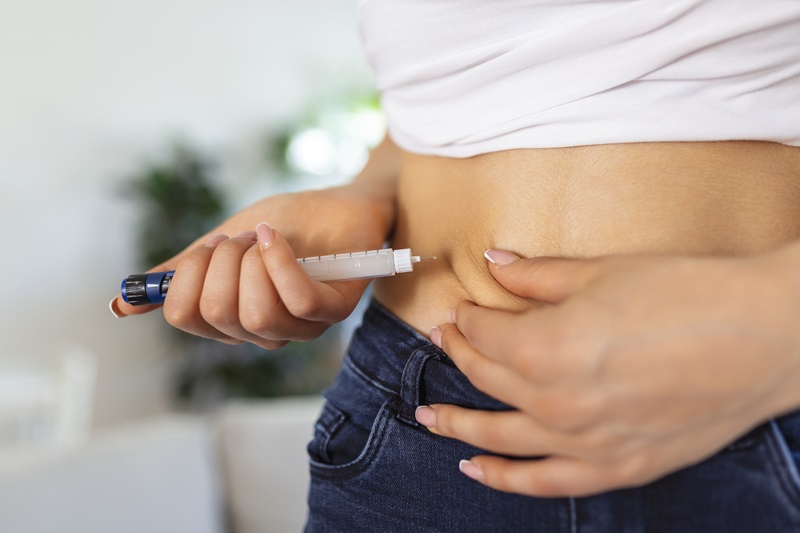
Weight management has become one of the biggest health priorities worldwide, and medical science has introduced new treatment options for individuals who struggle to lose weight through diet and exercise alone. Among these innovations, weight loss injections have gained significant attention for their ability to support sustainable weight reduction when used as part of a comprehensive medical program.
Unlike fad diets or unregulated supplements, prescription weight loss injections are designed to influence the body’s natural appetite and metabolic pathways. When prescribed appropriately and combined with healthy lifestyle changes, they may help eligible patients achieve meaningful improvements in body weight and overall metabolic health.
As interest in advanced weight management grows, many individuals also explore complementary wellness options such as peptide pens dubai, although these products serve different purposes and should always be evaluated by qualified healthcare professionals.
This guide explains how weight loss injections work, who may benefit from them, their effectiveness, safety profile, potential side effects, and what to expect during treatment.
What Are Weight Loss Injections?
Weight loss injections are prescription medications administered by injection to help reduce body weight by regulating appetite, slowing gastric emptying, and improving feelings of fullness.
Most modern medications work by mimicking naturally occurring hormones involved in hunger regulation. Rather than simply suppressing appetite, they help the brain recognize satiety signals more effectively, allowing patients to consume fewer calories without experiencing constant hunger.
These medications are intended for individuals who meet specific medical criteria and should always be prescribed as part of a structured weight management plan supervised by a healthcare provider.
How Do Weight Loss Injections Work?

Weight loss injections primarily influence hormones that regulate appetite and digestion.
Their mechanisms may include:
- Reducing hunger signals
- Increasing feelings of fullness
- Slowing stomach emptying
- Improving blood sugar regulation
- Supporting healthier eating habits
- Reducing food cravings
Because they target biological pathways associated with obesity, these medications can help patients maintain calorie reduction more comfortably than dieting alone.
Who Is a Good Candidate for Weight Loss Injections?
Not everyone who wants to lose weight requires injectable medication.
Healthcare providers generally recommend weight loss injections for adults who:
- Have obesity based on Body Mass Index (BMI)
- Are overweight with obesity-related health conditions
- Have been unsuccessful with diet and exercise alone
- Are committed to long-term lifestyle modifications
- Have no medical contraindications to treatment
A comprehensive medical assessment is essential before starting therapy.
Types of Weight Loss Injections

Several injectable medications are currently used for medical weight management.
GLP-1 Receptor Agonists
These medications mimic hormones that naturally regulate appetite and blood sugar.
Potential benefits include:
- Reduced appetite
- Improved satiety
- Better glucose control
- Gradual, sustainable weight loss
Dual Hormone Therapies
Newer medications target multiple hormonal pathways simultaneously, potentially leading to greater weight reduction for some patients.
Research in this area continues to evolve rapidly.
How Effective Are Weight Loss Injections?
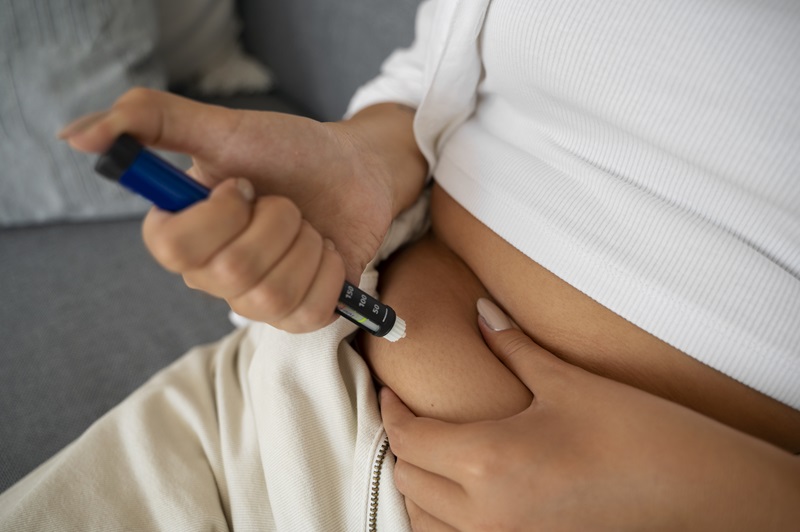
Clinical studies have demonstrated that prescription weight loss injections can produce significant reductions in body weight when combined with nutrition, exercise, and behavioral support.
Results vary depending on factors such as:
- Starting weight
- Treatment adherence
- Physical activity
- Dietary habits
- Medical conditions
- Duration of therapy
Most patients experience gradual weight loss over several months rather than dramatic changes within weeks.
Steady progress is generally considered healthier and more sustainable than rapid weight reduction.
Benefits Beyond Weight Loss
Many patients experience improvements beyond the number shown on the scale.
Potential benefits include:
Improved Blood Sugar Control
Some medications were originally developed to help manage diabetes and continue to provide metabolic benefits for eligible patients.
Better Cardiovascular Health
Weight reduction may contribute to healthier blood pressure, cholesterol levels, and overall cardiovascular risk.
Reduced Joint Stress
Losing excess body weight often decreases pressure on weight-bearing joints, making movement more comfortable.
Increased Energy
As overall health improves, many individuals report better mobility and higher daily energy levels.
Enhanced Quality of Life
Successful weight management can positively influence confidence, sleep quality, and physical function.
Are Weight Loss Injections Safe?

For appropriately selected patients, prescription weight loss injections are generally considered safe when prescribed and monitored by qualified healthcare professionals.
However, like any medication, they carry potential risks and side effects.
Regular follow-up appointments allow clinicians to monitor:
- Weight changes
- Blood pressure
- Blood sugar levels
- Medication tolerance
- Nutritional status
- Overall health progress
Patients should never begin injectable medications without professional medical supervision.
Common Side Effects
Most side effects are mild and improve as the body adjusts to treatment.
Common side effects may include:
- Nausea
- Vomiting
- Constipation
- Diarrhea
- Reduced appetite
- Mild abdominal discomfort
Healthcare providers often minimize these effects by gradually increasing the medication dose.
Less Common Risks
Although uncommon, more serious complications may occur in certain individuals.
Medical evaluation is important if symptoms such as severe abdominal pain, persistent vomiting, or allergic reactions develop.
Patients should always discuss their complete medical history before beginning treatment.
Lifestyle Still Matters
Weight loss injections are not intended to replace healthy habits.
The most successful treatment plans combine medication with:
Balanced Nutrition
A diet rich in lean protein, vegetables, fruits, whole grains, and healthy fats supports long-term success.
Regular Exercise
Physical activity helps preserve muscle mass while improving cardiovascular fitness.
Recommended activities may include:
- Walking
- Cycling
- Swimming
- Strength training
- Flexibility exercises
Sleep
Poor sleep can negatively affect hunger hormones and weight regulation.
Most adults benefit from seven to nine hours of quality sleep each night.
Stress Management
Chronic stress may contribute to emotional eating and unhealthy food choices.
Meditation, mindfulness, breathing exercises, and counseling may support long-term weight management.
Weight Loss Injections vs. Other Medical Weight Management Options
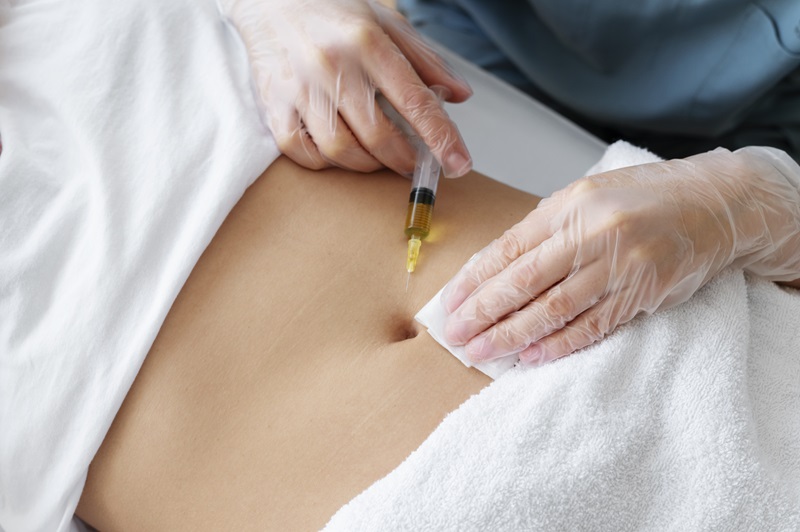
Several medical approaches are available depending on individual health needs.
Oral Weight Loss Medications
Some patients respond well to prescription tablets rather than injections.
Bariatric Surgery
Surgical treatment may be considered for individuals with severe obesity who meet specific medical criteria.
Medical Nutrition Therapy
Structured nutrition programs supervised by registered dietitians remain an important component of treatment.
Emerging Peptide-Based Therapies
Interest continues to grow in Peptides for Weight Loss, as researchers investigate how certain peptide compounds may influence metabolism, appetite regulation, and body composition. While some peptide-based approaches show promise, many remain under active investigation, and patients should rely on evidence-based therapies recommended by qualified healthcare professionals.
The Role of Personalized Medicine
Obesity is a complex medical condition influenced by genetics, hormones, metabolism, lifestyle, and environmental factors.
Because every patient responds differently, personalized treatment plans often produce better long-term outcomes.
A physician may consider:
- Medical history
- Current medications
- Hormonal health
- Eating habits
- Physical activity
- Weight loss goals
- Existing medical conditions
Individualized care helps maximize both safety and effectiveness.
Can Weight Be Regained After Stopping Treatment?
Yes.
Like many chronic health conditions, obesity often requires ongoing management.
If healthy habits are not maintained after discontinuing medication, weight regain may occur.
Long-term success depends on maintaining:
- Healthy eating patterns
- Regular physical activity
- Behavioral changes
- Medical follow-up
- Realistic expectations
Weight loss injections should be viewed as one component of a comprehensive treatment strategy rather than a permanent solution.
What Should You Expect During Treatment?

Treatment usually begins with a comprehensive consultation.
Your healthcare provider may perform:
- Medical history review
- Physical examination
- BMI assessment
- Blood tests
- Lifestyle evaluation
- Discussion of treatment goals
Medication doses are often increased gradually to improve tolerability.
Patients typically attend regular follow-up visits to monitor progress and adjust treatment when necessary.
Future Developments in Weight Management
Medical research continues to improve obesity treatment.
Current areas of innovation include:
- Next-generation hormone therapies
- Personalized metabolic medicine
- Combination obesity medications
- AI-assisted nutrition planning
- Precision lifestyle interventions
In addition, specialized wellness centers are exploring complementary approaches such as peptide therapy dubai, integrating medically supervised peptide-based protocols into broader health optimization programs when clinically appropriate.
Frequently Asked Questions (FAQ)
How effective are weight loss injections?
Clinical studies show that many patients achieve meaningful weight reduction when injections are combined with healthy eating, exercise, and ongoing medical supervision.
Are weight loss injections safe?
For appropriately selected patients, they are generally considered safe when prescribed and monitored by qualified healthcare professionals.
How long does it take to see results?
Many patients begin noticing changes within several weeks, while more substantial results usually develop over several months.
Do I need to exercise while using weight loss injections?
Yes. Regular physical activity helps improve overall health, preserve muscle mass, and maximize long-term weight management.
Can anyone use weight loss injections?
No. These medications are intended for individuals who meet specific medical criteria after evaluation by a healthcare provider.
Will I regain weight after stopping treatment?
Weight regain is possible if healthy lifestyle habits are not maintained. Long-term success depends on continued nutrition, exercise, and medical follow-up.
Are weight loss injections a substitute for healthy eating?
No. They are designed to complement—not replace—a balanced diet and healthy lifestyle.
Conclusion
Modern weight loss injections have transformed the medical approach to obesity by providing scientifically supported options for individuals who need more than diet and exercise alone. When prescribed appropriately, these medications can help reduce appetite, improve metabolic health, and support meaningful long-term weight loss.
However, no medication works in isolation. Lasting success depends on combining medical treatment with balanced nutrition, regular physical activity, healthy sleep habits, and ongoing professional guidance. By following a personalized treatment plan and maintaining realistic expectations, patients can achieve sustainable improvements in both their weight and overall health.