
Premature skin aging is one of the most common aesthetic concerns worldwide, particularly in fast-paced urban environments where chronic stress, environmental pollution, and intense sun exposure are part of everyday life. Fine lines, surface dullness, uneven pigmentation, and a gradual loss of elasticity can appear much earlier than expected when the skin is repeatedly subjected to internal and external stressors.
The encouraging reality is that you are far from powerless against these processes. With a well-structured combination of daily lifestyle habits, disciplined skincare routines, and modern medical-aesthetic solutions, it is entirely possible to reduce premature skin aging and maintain healthier, more resilient skin for years to come.
This comprehensive guide explores eleven evidence-informed strategies in detail—ranging from foundational daily habits to advanced regenerative treatments utilized in modern dermatology and aesthetic medicine.
1. Daily Sun Protection as the Non-Negotiable Foundation

Ultraviolet (UV) radiation is by far the single most significant external catalyst driving early skin aging. UV rays systematically degrade collagen fibers, disrupt structural skin proteins, and accelerate irregular melanin production. This destructive process, known as photoaging, accounts for the vast majority of visible premature aging.
To safeguard your skin properly:
- Apply a broad-spectrum sunscreen with an SPF of 30 to 50 every single morning, regardless of the weather or season.
- Reapply every 2 to 3 hours if you spend extended periods outdoors or swimming.
- Avoid relying exclusively on makeup products containing SPF, as they rarely provide adequate coverage thickness.
- Utilize physical barriers such as wide-brimmed hats, UV-blocking sunglasses, and protective clothing.
Even indoor exposure near glass windows contributes to cumulative skin damage over time. When it comes to sun protection, consistency always triumphs over product complexity.
2. Deep Hydration and Skin Barrier Repair
Skin hydration extends far beyond simply drinking glasses of water. It fundamentally relies on the structural integrity of the skin barrier—the outermost layer responsible for locking in essential moisture and shielding underlying tissues from external irritants.
When the skin barrier is compromised, it becomes exceptionally vulnerable to dehydration lines, micro-tears, and chronic irritation.
- Incorporate moisturizers rich in ceramides, hyaluronic acid, and glycerin to reinforce lipid matrices.
- Discard harsh, stripping cleansers that compromise your skin’s natural pH and protective oils.
- Consider utilizing overnight nourishing masks to accelerate barrier recovery while you sleep.
Well-hydrated skin diffuses and reflects light far more effectively, instantly appearing smoother, plumper, and more youthful.
3. Nutrition That Actively Supports Skin Longevity
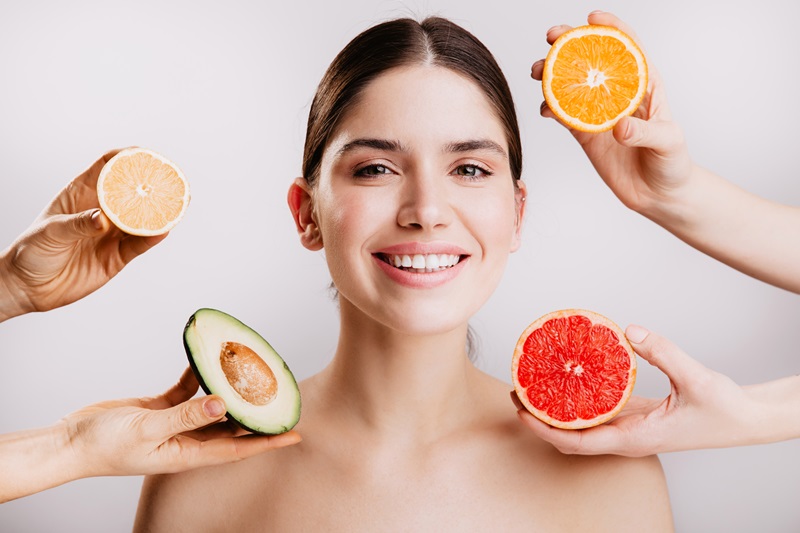
The structural health of your skin is deeply influenced by internal cellular nutrition. A dietary intake deficient in vital micronutrients accelerates oxidative stress, systemic inflammation, and the breakdown of dermal collagen networks.
To successfully reduce premature skin aging, prioritize:
- Vitamin C-rich produce, such as citrus fruits and dark berries, which serve as essential cofactors for collagen synthesis.
- Omega-3 fatty acids found in cold-water fish, flaxseeds, and walnuts to regulate inflammatory pathways.
- Vitamin E and botanical polyphenols for robust antioxidant cell protection.
- Sufficient zinc and selenium to optimize cellular repair mechanisms.
Conversely, diets high in refined sugars and highly processed foods accelerate glycation—a chemical process that stiffens collagen fibers and directly promotes deep wrinkle formation.
4. Eliminating Smoking and Reducing Alcohol Consumption
Smoking remains one of the fastest ways to dramatically accelerate visible aging. It profoundly restricts peripheral blood vessels, severely diminishing oxygen and nutrient delivery to skin cells while rapidly degrading underlying connective tissues.
Prominent smoking-related skin changes include:
- Premature vertical lines and deep wrinkles around the mouth and eyes.
- A characteristic dull, yellowish, or grayish skin tone.
- Significant reduction in skin elasticity and delayed wound healing.
Similarly, excessive alcohol consumption systematically dehydrates the body and triggers systemic inflammatory responses. Eliminating tobacco use and moderating alcohol intake can dramatically improve skin clarity, micro-circulation, and structural texture within months.
5. Sleep Optimization for Cellular Repair

The human body performs the vast majority of its structural restoration and cellular regeneration during deep sleep cycles. Chronic sleep deprivation elevates circulating cortisol levels, which actively degrades collagen proteins and worsens inflammatory skin disorders.
To optimize nightly skin recovery:
- Aim consistently for 7 to 9 hours of uninterrupted restorative sleep.
- Maintain strict, regular sleep and wake schedules to regulate circadian rhythms.
- Minimize blue light exposure from digital screens at least an hour before bedtime.
- Keep your sleeping environment dark, quiet, and cool.
Nighttime is also when skin permeability increases naturally, making it the ideal therapeutic window for active skincare absorption.
6. Stress Control and Hormonal Balance
Psychological and physiological stress are frequently underestimated factors in accelerated skin aging. Persistently elevated cortisol levels trigger systemic inflammation, exacerbate adult acne flare-ups, and speed up the breakdown of dermal matrix proteins.
Effective daily stress management tools include:
- Regular physical activity, such as brisk walking, swimming, or yoga.
- Mindfulness practices, meditation, and controlled diaphragmatic breathing exercises.
- Intentional periods of digital disconnection and time spent in natural environments.
The skin and the nervous system share an intimate embryonic connection, meaning unmanaged emotional stress almost always manifests physically on the epidermal surface.
7. Advanced Skincare Actives That Actually Work
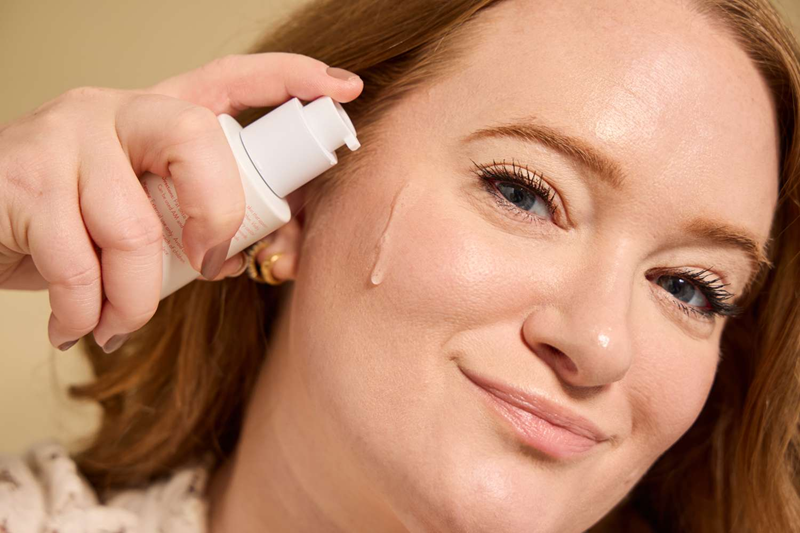
A disciplined, consistent skincare routine built around clinically proven active ingredients can significantly slow visible aging patterns.
Key dermatological actives include:
- Retinoids: Accelerate cellular turnover, stimulate fibroblast activity, and visibly smooth fine lines.
- Vitamin C: Neutralizes free radicals, brightens hyperpigmentation, and supports collagen production.
- Niacinamide: Strengthens the skin barrier, regulates sebum production, and improves overall tone.
- Peptides: Act as vital signaling molecules to support structural integrity and repair.
- Hyaluronic Acid: Delivers immediate surface hydration and a temporary plumping effect.
At a professional level, modern aesthetic clinics also incorporate advanced regenerative ingredients. For instance, individuals frequently explore peptides dubai based treatment plans as part of personalized anti-aging programs designed to optimize skin quality from within.
8. Regenerative Aesthetic Medicine and Cellular Repair Therapies
Modern dermatology has successfully moved beyond superficial, surface-level treatments into the realm of advanced cellular-level regeneration.
One of the most notable innovations in this field is exosomes therapy dubai, where specialized exosome-based formulations are utilized in clinical environments to enhance intercellular communication pathways, accelerate tissue repair, and downregulate chronic inflammation.
These advanced formulations deliver concentrated bioactive molecules that help improve:
- Overall skin texture, suppleness, and micro-smoothness.
- Natural skin radiance and luminosity.
- Post-procedure recovery timelines following intensive aesthetic interventions.
- Stubborn signs of chronic photoaging.
9. Protection Against Urban Pollution and Oxidative Stress
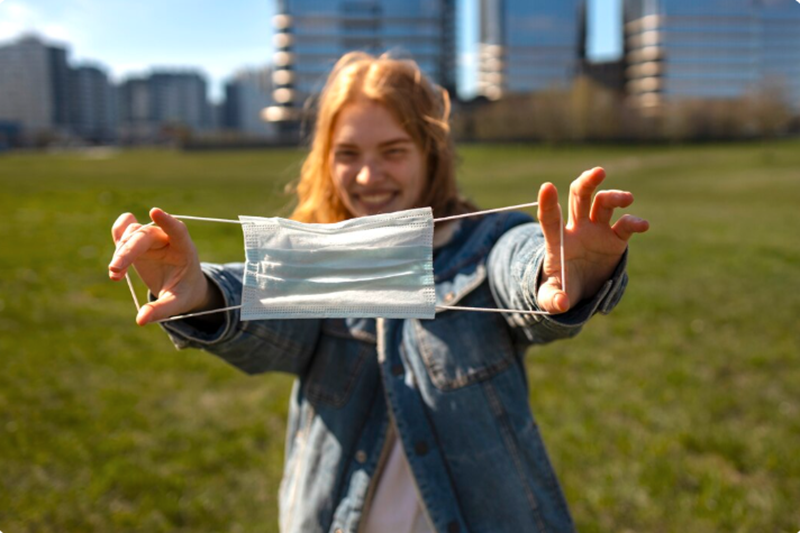
Modern urban environments constantly expose human skin to microscopic particulate matter, heavy metal dust, and environmental exhaust toxins. These airborne pollutants generate unstable free radicals that attack cell membranes and accelerate structural aging.
To safeguard your complexion:
- Incorporate potent antioxidant serums containing vitamin C, ferulic acid, or niacinamide into your morning routine.
- Cleanse your skin thoroughly every single evening to lift away particulate accumulation.
- Never leave daily pollution residue on your face overnight.
- Consistently reinforce your lipid barrier with targeted, nourishing moisturizers.
Long-term environmental exposure without adequate defensive shielding leads inevitably to chronic dullness, mottled skin tone, and premature wrinkle development.
10. Clinical Skin Treatments for Visible Rejuvenation
When early signs of structural aging have already manifested, professional in-office treatments can achieve profound improvements that at-home routines alone cannot match.
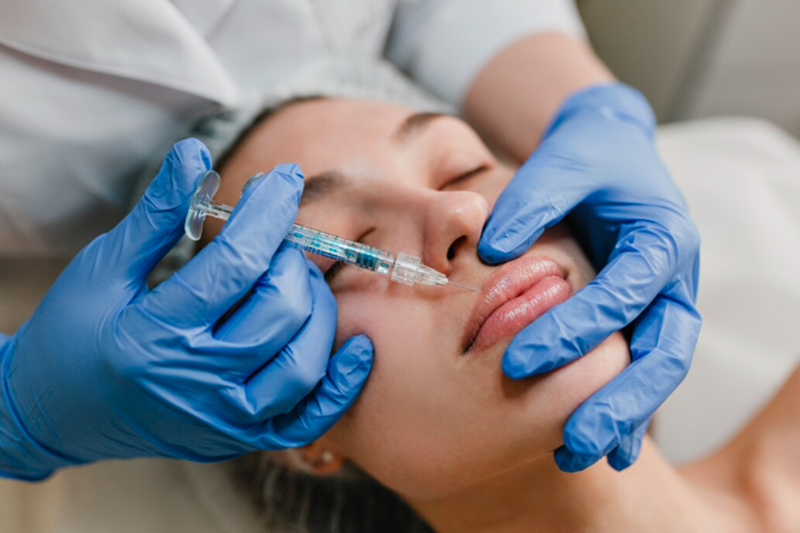
Many individuals seeking comprehensive rejuvenation explore advanced exosomes treatment dubai protocols, often combined synergistically with clinical microneedling, fractional laser resurfacing, or advanced medical facials.
In addition to cellular therapies, popular non-invasive procedures such as HydraFacial in Dubai are widely utilized to deeply cleanse, exfoliate, and infuse the skin with essential antioxidant serums, instantly restoring a vibrant, refreshed, and healthy glow.
These targeted clinical treatments are engineered to:
- Routinely stimulate deep dermal collagen and elastin production.
- Improve overall skin elasticity and firmness.
- Softly diminish fine lines and textural irregularities.
- Enhance overall skin clarity and smoothness.
11. Peptide-Based Innovations for Long-Term Skin Support
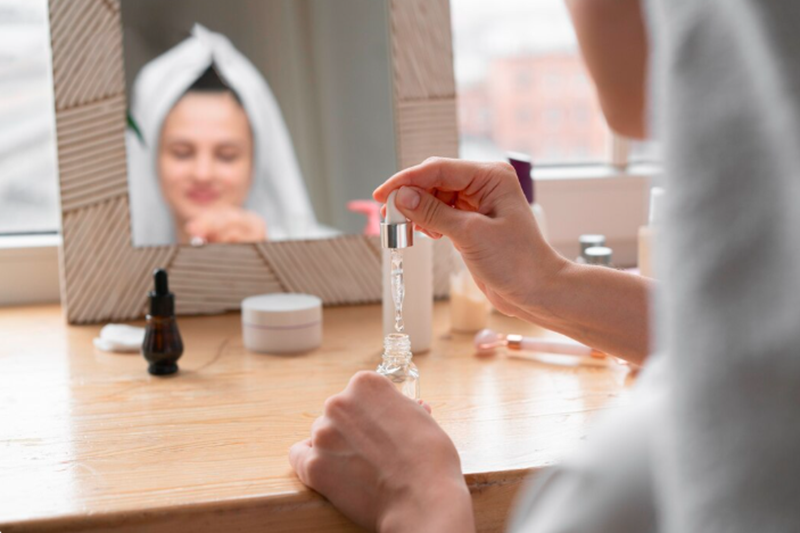
Peptides are short, highly specific chains of amino acids that function as biochemical messengers within the skin. They instruct dermal cells to synthesize fresh collagen, repair localized micro-damage, and maintain optimal structural resilience.
In contemporary aesthetic practice, advanced delivery mechanisms—such as the specialized peptide pen—are increasingly utilized within medically supervised regenerative protocols.
Potential clinical benefits include:
- Measurable improvements in skin firmness, density, and elasticity.
- Visible reduction in the depth of fine lines and expression wrinkles.
- Enhanced cellular regeneration and moisture retention capacity.
When thoughtfully integrated into a broader, multi-layered clinical skincare plan, peptide-based innovations play an invaluable role in long-term preventative anti-aging strategies.
The Bigger Picture: Prevention Is the Real Anti-Aging Strategy
The most crucial concept in aesthetic dermatology is that proactive prevention is exponentially more effective than retroactive correction. Once deep structural degradation occurs within the dermal matrix, reversal becomes significantly more complex and demands intensive clinical intervention.
A consistent, harmonious blend of strict sun protection, deep hydration, wholesome nutrition, restorative sleep, stress management, and targeted professional treatments can dramatically slow the visible progression of aging. The ultimate objective is not to stop natural biological maturation entirely, but rather to age in a healthier, more controlled, and exceptionally graceful manner.
Frequently Asked Questions (FAQ)
1. What is the primary cause of premature skin aging?
The single most significant external driver of premature skin aging is cumulative ultraviolet (UV) radiation from sunlight, a destructive process commonly known as photoaging. Other major contributing factors include cigarette smoking, urban air pollution, chronic psychological stress, poor nutritional habits, and lack of restorative sleep.
2. At what age should I begin incorporating anti-aging skincare products?
Dermatologists generally recommend establishing a preventative skincare routine in your mid-to-late 20s. Incorporating a daily broad-spectrum sunscreen, gentle antioxidants like vitamin C, and basic barrier-supporting moisturizers early on helps preserve natural collagen stores and prevents future damage long before fine lines become visible.
3. How do retinoids help reduce premature skin aging?
Retinoids (derivatives of vitamin A) function by significantly accelerating cellular turnover in the epidermis and stimulating deep dermal fibroblasts to produce fresh collagen and elastin. This biological action smooths out fine lines, refines uneven skin texture, and enhances overall skin firmness over time.
4. Can lifestyle changes alone reverse existing signs of skin aging?
While healthy lifestyle modifications and dedicated topical skincare cannot completely reverse deep structural wrinkles or severe volume loss, they can dramatically improve surface skin texture, hydration, and elasticity, while successfully preventing further damage and softening the appearance of early fine lines.
5. Why is daily sunscreen application necessary even on cloudy or overcast days?
Up to 80 percent of the sun’s harmful ultraviolet rays can easily penetrate through cloud cover, fog, and window glass. Applying a broad-spectrum sunscreen every single day ensures continuous protection against cumulative, invisible skin damage that gradually leads to premature aging.
Final Thoughts
Successfully learning how to reduce premature skin aging requires a sophisticated, layered strategy that operates across multiple dimensions simultaneously: cellular, environmental, and behavioral. No single cosmetic cream or isolated treatment can achieve lasting, comprehensive results on its own.
However, when rigorous lifestyle discipline is combined with state-of-the-art dermatological innovations—such as advanced regenerative therapies and targeted peptide solutions—the skin’s natural capacity to sustain a youthful, resilient appearance improves remarkably. Ultimately, consistency remains the true secret to enduring skin vitality.