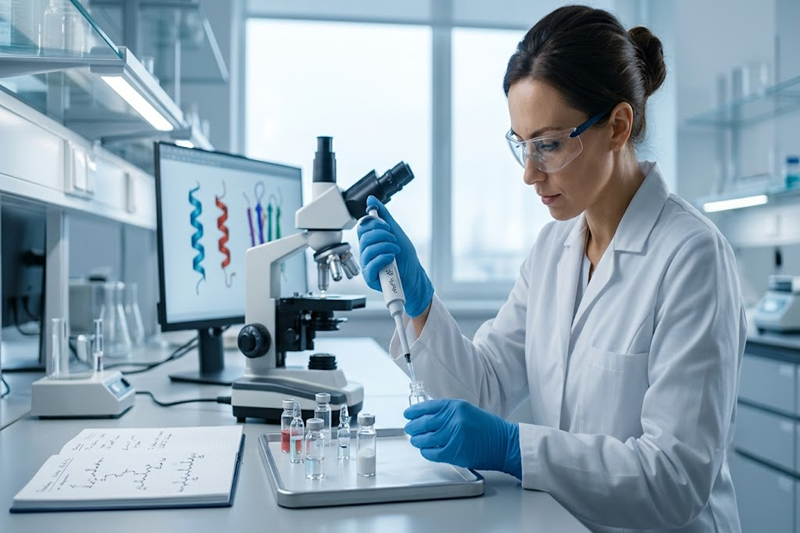
Modern medicine has seen a monumental shift toward biological and bio-identical treatments designed to work in harmony with the human body. Among these innovations, peptide therapy has quickly risen to prominence as a powerful tool for anti-aging, performance optimization, metabolic health, and tissue repair.
If you are wondering what is peptide therapy and how these tiny biological chains can dramatically influence cellular health, you are not alone. This comprehensive guide breaks down the mechanisms, diverse types, administration techniques, and safety profiles of peptide therapies to help you understand their expanding role in modern wellness.
Peptides vs. Proteins: Understanding the Difference
To grasp what is peptide therapies and their role in healing, it helps to start at the molecular level. Both peptides and proteins are constructed from amino acids the fundamental building blocks of life. However, their structural scale and biological behavior set them apart significantly.
- Peptides: Typically consist of short chains containing anywhere between 2 to 50 amino acids linked together by peptide bonds. Because of their small molecular size, peptides are easily absorbed by tissues and pass rapidly through cell membranes.
- Proteins: Comprise complex, long chains of more than 50 amino acids (often hundreds or thousands), folded into intricate 3D structures. Hemoglobin, collagen, and antibodies are classic examples of large proteins.
Because peptides are much smaller than traditional proteins, they function primarily as highly specific biological signals rather than heavy structural components. Their compact size allows them to target cell receptors with pinpoint precision.
How Does Peptide Therapy Work in the Body?
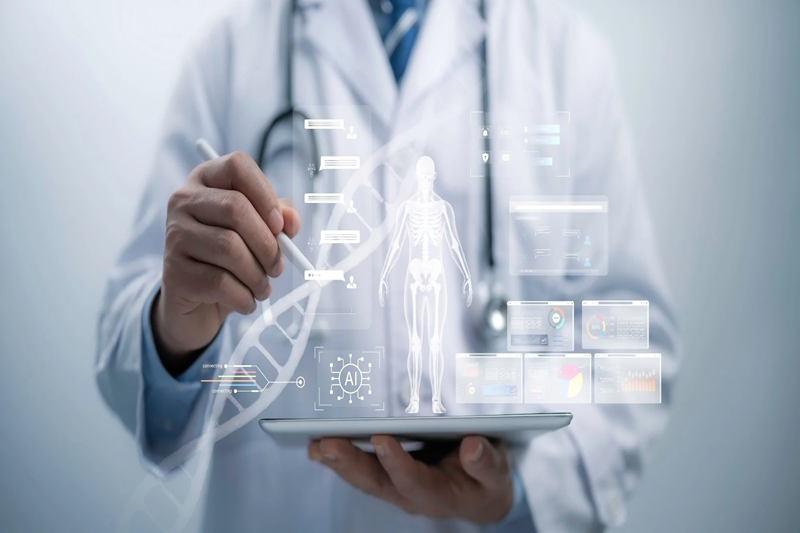
Understanding how does peptide therapy work requires looking at cellular signaling. Peptides serve as bHow Does Peptide Therapy Work in the Body?iological messengers within the human endocrine and immune systems. When administered, a specific peptide circulates through the bloodstream and selectively binds to matching receptor sites on the target cell surfaces.
Once attached, the peptide triggers a cascade of chemical messages inside the cell. Depending on the design of the peptide, this signal can:
- Prompt the pituitary gland to naturally release more growth hormone.
- Stimulate cellular repair pathways and reduce systemic inflammation.
- Increase collagen synthesis in skin fibroblasts.
- Regulate insulin sensitivity and appetite centers in the brain.
Rather than forcing a chemical outcome—as many pharmaceutical drugs do—peptide therapy essentially gives your body’s innate systems the chemical instruction manual to repair, regenerate, and balance themselves.
Common Types of Peptides and Their Benefits
Scientists have isolated and synthesized dozens of therapeutic peptides, each tailored to achieve specific biological outcomes.
| Peptide Name | Primary Target / Function | Key Benefits |
| BPC-157 | Tissue Repair & Gut Health | Accelerates healing of tendons, muscles, ligaments, and gut lining |
| CJC-1295 / Ipamorelin | Growth Hormone Secretagogues | Stimulates natural GH production without spiking cortisol or prolactin |
| Semaglutide / Tirzepatide | Metabolic & GLP-1 Pathways | Promotes weight loss, regulates blood sugar, curbs appetite |
| GHK-Cu | Skin & Tissue Remodeling | Boosts collagen production, tightens skin, accelerates wound healing |
| Semax / Selank | Neurological & Neuroprotective | Enhances focus, reduces anxiety, improves memory retention |
Each of these peptides offers specialized properties, making personalization a central pillar of successful peptide therapy.
Major Categories of Peptide Applications
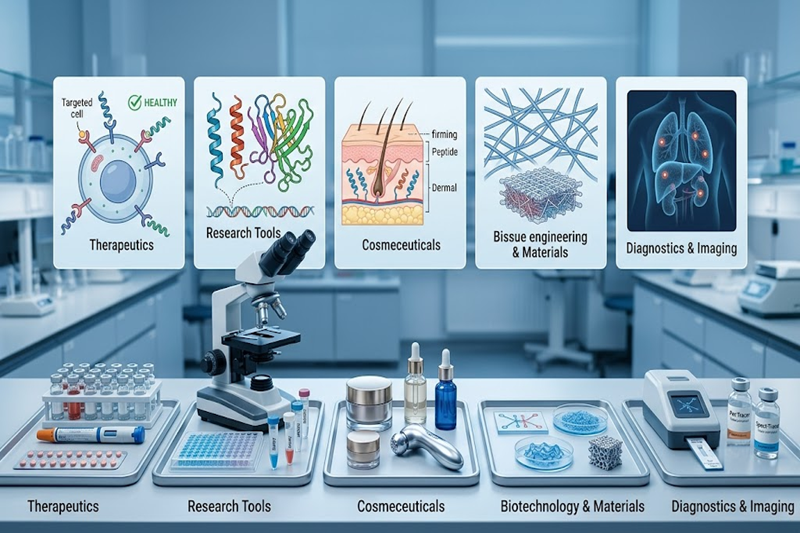
Because peptides can influence almost every organ system, their clinical applications span multiple health and therapeutic disciplines.
Weight Loss and Metabolic Health
Glucagon-like peptide-1 (GLP-1) receptor agonists have revolutionized metabolic medicine. Peptides in this category mimic gut hormones to slow gastric emptying, improve glucose-dependent insulin secretion, and send strong satiety signals to the brain. This results in sustainable weight loss, reduced visceral fat, and improved markers for metabolic syndrome.
Muscle Growth and Body Recomposition
For goals common in peptide therapy for men, Growth Hormone Secretagogues (GHS) such as Ipamorelin, CJC-1295, and MK-677 send signal pathways to the pituitary gland, releasing natural pulses of Human Growth Hormone (HGH). This elevation boosts lean muscle tissue development, accelerates recovery following strenuous exercise, and increases fat oxidation during resting states.
Skin Rejuvenation and Anti-Aging
In aesthetic protocols and peptide therapy for women, peptides like GHK-Cu (Copper Peptide) and Epithalon work directly on cellular longevity and dermal matrix repair. GHK-Cu stimulates collagen and elastin production, improves skin elasticity, and reduces fine lines, while Epithalon helps regulate cellular division and oxidative stress response at a genetic level.
Cognitive Enhancement and Mental Clarity
Nootropic peptides such as Semax, Selank, and P21 act directly on neurobiology. They boost Brain-Derived Neurotrophic Factor (BDNF), lower neural inflammation, relieve systemic anxiety, and optimize executive function and memory consolidation without the typical crash associated with traditional stimulants.
Delivery Methods: Why Route Matters
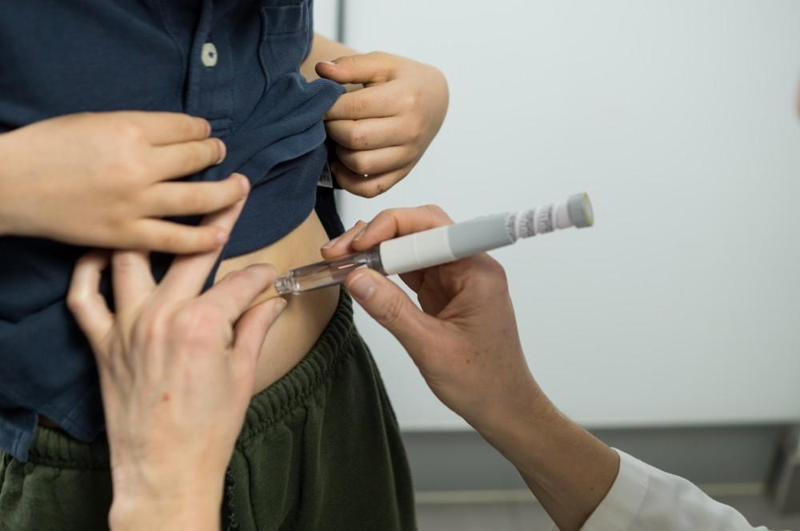
The method by which a peptide enters the body determines its stability, bioavailability, and overall efficacy. Because peptides are delicate biological molecules, stomach acid rapidly breaks them down if swallowed, rendering many inactive.
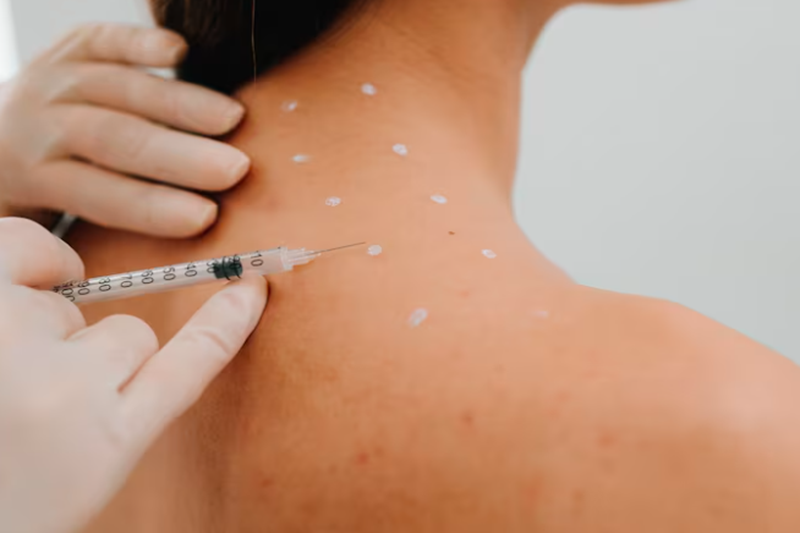
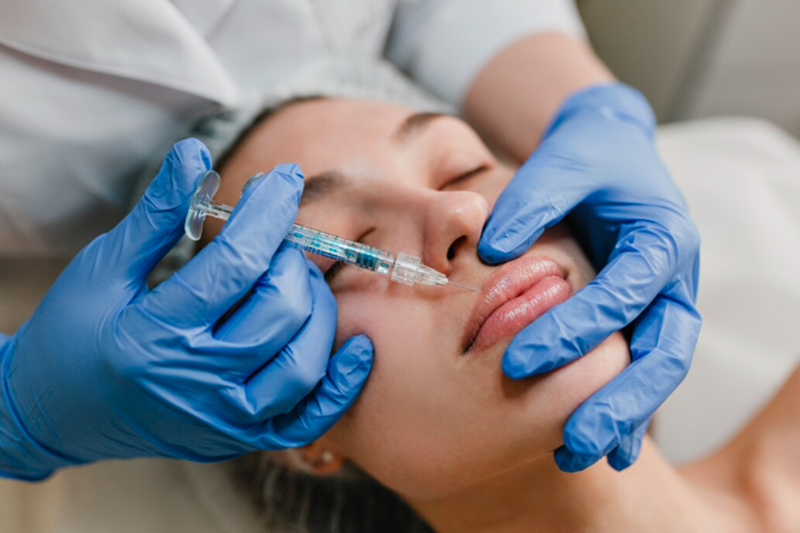
- Subcutaneous Injection: The gold standard for most systemically acting peptides (e.g., BPC-157, CJC-1295, Semaglutide). Injected into the fatty layer just under the skin using tiny insulin needles (often delivered via convenient peptide pens) for maximum absorption.
- Nasal Sprays: Ideal for neuroprotective and brain-targeted peptides like Semax and Selank, allowing direct transport across the blood-brain barrier via olfactory pathways.
- Topical Creams & Serums: Primarily used in dermatology for localized effects, such as GHK-Cu for cosmetic skin rejuvenation or hair growth.
- Oral Capsules: Only specialized, stomach-acid-resistant formulations (like oral BPC-157 Arg) are viable, typically targeted at gastrointestinal repair.
Choosing the proper administration route ensures that the peptide reaches its intended target intact.
Safety, Side Effects, and FDA Regulations
When considering what is peptide therapy, safety and regulatory status are critical factors to evaluate. Because peptides closely match naturally occurring molecules in the human body, they generally boast favorable safety profiles and are well-tolerated.
However, potential side effects can still occur depending on the specific compound used. Common mild side effects include:
- Redness, irritation, or mild swelling at the injection site.
- Temporary fluid retention or mild headaches.
- Increased hunger (specifically with certain growth hormone secretagogues).
From a regulatory standpoint, FDA oversight varies significantly. Some peptides (such as specific insulin analogs and GLP-1 medications) are FDA-approved prescription drugs. Other compounds are sold as research chemicals or prepared through specialized compounding pharmacies under strict quality controls. It is crucial to source peptides exclusively through licensed medical providers to avoid contaminated or degraded products.
Peptides in Sports: WADA and Doping Status
Athletes subject to competitive drug testing must exercise extreme caution with peptide therapy. The World Anti-Doping Agency (WADA) strictly prohibits broad categories of peptide hormones and growth factors under its Prohibited List.
Most growth hormone secretagogues (e.g., Ipamorelin, CJC-1295, GHRPs) and muscle-enhancing peptides (e.g., TB-500, Follistatin analogs) fall under Category S2: Peptide Hormones, Growth Factors, Related Substances, and Mimetics. Ingestion or injection of these prohibited compounds can lead to positive anti-doping tests and long-term athletic bans, regardless of whether they were prescribed for injury recovery or therapeutic purposes.
Practical Guide: Storage, Preparation, and Cost

Navigating a peptide regimen requires paying close attention to handling practices, as these molecules are sensitive to temperature and physical degradation.
Reconstitution
Many research and therapeutic peptides arrive as a lyophilized (freeze-dried) powder in a sealed glass vial. Before use, they must be reconstituted using Bacteriostatic Water (sterile water containing 0.9% benzyl alcohol to prevent bacterial growth). The liquid must be introduced gently down the inner glass wall of the vial, avoided vigorous shaking to prevent breaking delicate peptide chains.
Storage
Dry, un-reconstituted peptide powders can usually be kept at room temperature for short periods, but are best stored in a freezer. Once reconstituted with bacteriostatic water, vials must be kept refrigerated between 2°C to 8°C (36°F to 46°F) and typically used within 30 to 60 days to maintain maximum potency.
Monthly Cost
The overall financial commitment for peptide therapy varies based on the specific peptide, dosage, and whether it is acquired via a specialized medical clinic. On average:
- Basic recovery or cosmetic protocols (e.g., BPC-157 or GHK-Cu): $100 – $250 / month
- Advanced anti-aging or GH secretagogue stacks: $300 – $600 / month
- Prescription weight loss peptides (e.g., Semaglutide/Tirzepatide without insurance): $400 – $1,000+ / month
Frequently Asked Questions About Peptide Therapy
How long does it take to see results from peptide therapy?
The timeline depends heavily on the peptide used. Fast-acting peptides like BPC-157 for acute injury or recovery can show noticeable improvements within 1 to 2 weeks. Metabolic and anti-aging peptides (such as CJC-1295/Ipamorelin) usually require 3 to 6 months of consistent use to achieve dramatic improvements in body composition and vitality.
Do I need a prescription for peptide therapy?
Yes, legitimate therapeutic peptides prescribed for medical treatments require a prescription from a licensed healthcare professional. For patients looking to buy peptide pens in dubai, it is highly recommended to consult a registered facility like Paramy Polyclinic to ensure safety. While many raw research chemicals are sold online, these products are not certified for human consumption and carry significant risks of contamination or incorrect dosing.
Can you stack multiple peptides together?
Absolutely. Combining or “stacking” peptides that target complementary pathways is a very common practice. For instance, CJC-1295 and Ipamorelin are frequently combined to optimize natural HGH release, while BPC-157 and TB-500 are often paired for comprehensive tissue and wound healing.
Conclusion: Is Peptide Therapy Right for You?
Peptide therapy represents a significant advancement in personalized and regenerative medicine. By harnessing the body’s natural signaling mechanisms, these targeted short-chain amino acids offer a unique way to enhance recovery, improve metabolic health, boost cognitive performance, and slow the biological markers of aging with minimal side effects.
Whether you are looking to recover from a chronic injury, optimize your body composition, or improve overall vitality, understanding what is peptide therapy and how it interacts with your cellular biology is the first step. However, because peptide responsiveness varies based on individual biochemistry, working with a qualified healthcare professional is essential. A tailored protocol, proper administration, and high-quality sourcing ensure you achieve optimal, long-term results safely and effectively.