
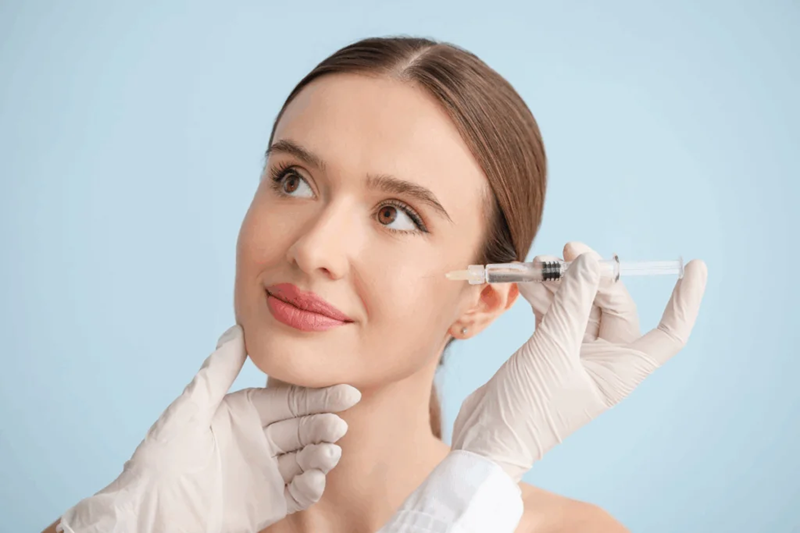
Modern medicine is finally moving away from one-size-fits-all solutions, focusing instead on treatments that work alongside a woman’s natural biology. Peptide therapy for women is leading this shift. It offers a targeted, science backed way to support hormonal balance, skin health, and overall vitality at every stage of life.
Unlike traditional chemical pharmaceuticals, which often function by forcefully blocking or altering biochemical pathways (frequently leading to unintended systemic side effects), peptide therapy for women operates through precision cellular signaling. Peptides do not introduce foreign, synthetic chemicals to force an unnatural biological response. Instead, this therapy works by amplifying, instructing, and restoring your body’s inherent, natural communication signals. By delivering exact molecular messages directly to cellular receptors, specialized peptide protocols prompt a woman’s body to produce its own essential hormones, repair damaged skin matrix, optimize metabolic functions, and naturally balance the endocrine system.
Understanding Peptides: The Body’s Cellular Messengers
To fully grasp how peptide therapy for women delivers transformative health benefits, it is essential to understand what peptides are at a fundamental molecular level. Peptides are short, precisely arranged chains of amino acids linked together by peptide bonds. Amino acids serve as the universal building blocks of life, but when joined in specific sequences, they form specialized signaling molecules that act as cellular messengers throughout the human body.
Every physiological process in a woman’s body—from collagen synthesis in the skin to fat breakdown, endocrine signal secretion, and tissue repair—is driven by peptide signaling. These messengers travel through intercellular pathways, binding to specific target cell receptors like a key inserting into a custom lock. Upon binding, they deliver precise commands, instructing cells to perform vital functions such as repairing damaged DNA, initiating tissue recovery, or secreting growth factors naturally.
A frequent point of confusion when researching peptide therapy for women is the distinction between peptides, proteins, and individual amino acids. The primary distinguishing factor lies in chain length, molecular weight, and biological function:
| Category | Chain Length | Structural Complexity | Representative Example |
| Amino Acids | Single Units (1) | Unbound basic building blocks | L-Glutamine, Glycine, L-Arginine |
| Peptides | Short Chains (2 to 50 Amino Acids) | Linear or simple folded chains; highly mobile cell messengers | GHK-Cu, CJC-1295, Semaglutide, PT-141 |
| Proteins | Long Chains (50+ to 1,000s Amino Acids) | Complex 3D tertiary/quaternary folded structures | Collagen, Hemoglobin, Insulin, Antibodies |
Because peptides are significantly smaller than complex proteins, they possess lower molecular weights and greater flexibility. This allows peptides designed for female health to penetrate tissues efficiently and bind with exceptional receptor specificity.
How Peptide Therapy Works Specifically for Women

Women’s physiology relies on an intricate, highly sensitive endocrine cascade. As women age—beginning as early as the late 20s and accelerating through the 30s, perimenopause, and menopause—natural endocrine signaling gradually declines. Production of vital regulating factors, including human growth hormone (hGH), estrogen, progesterone, and metabolic regulators, drops significantly.
This female hormonal decline manifests in multi-systemic symptoms: slowing cellular turnover leading to visible skin aging, stubborn visceral abdominal fat storage, loss of lean muscle tone, systemic brain fog, decreased libido, and persistent daily fatigue. Historically, the primary response to this shift was conventional Hormone Replacement Therapy (HRT), which floods the body with exogenous hormones. While effective for some, traditional HRT can sometimes trigger side effects such as water retention, mood swings, elevated clotting risks, or receptor downregulation due to excessive hormone concentrations.
This is why peptide therapy for women offers a superior, physiologically aligned alternative or complement to traditional HRT. Rather than flooding the female system with synthetic, exogenous hormones, targeted secretagogue peptides gently stimulate the pituitary gland and endocrine tissues to produce and release their own endogenously synthesized hormones in natural, physiological pulses. This natural pulse-like delivery restores optimal hormonal balance without overwhelming cellular receptors, drastically minimizing side effects and encouraging long-term endocrine self-regulation in women.
Key Benefits of Peptide Therapy for Women
Because peptides act as highly specific biological messengers, peptide therapy for women is not a one-size-fits-all treatment. Instead, protocols are customized to target specific health objectives. Whether a woman’s main concern is revitalizing aging skin, rebalancing hormones through perimenopause, overcoming metabolic resistance and PCOS, or restoring intimate wellness, tailored peptide regimens deliver targeted, transformative results.
Below, we examine the primary areas of health where personalized peptide protocols deliver proven clinical benefits for women across all stages of life.
Anti-Aging and Skin Rejuvenation
Skin health, elasticity, and firmness depend heavily on structural proteins within the extracellular matrix, particularly collagen and elastin – which is why many patients also explore peptides for skin care as part of a broader aesthetic plan. As a woman’s natural collagen production drops by approximately 1% to 1.5% per year after age 25, the skin barrier weakens, resulting in fine lines, deep wrinkles, loss of elasticity, and hyperpigmentation.
- GHK-Cu (Copper Peptide): A naturally occurring copper tripeptide complex that acts as a powerful tissue remodeling agent. In aesthetic peptide therapy for women, GHK-Cu directly stimulates dermal fibroblasts to upregulate collagen and elastin synthesis, accelerates wound healing, reduces skin inflammation, and repairs the lipid barrier. Clinical studies demonstrate its efficacy in improving skin density, reducing fine lines, and lightening age-related hyperpigmentation.
- Collagen Peptides: Bioactive hydrolyzed collagen fragments that provide both essential amino acid building blocks (proline, hydroxyproline, and glycine) and direct signal triggers to skin cells, promoting endogenous structural repair from within.
Hormonal Balance and Menopause Support
Perimenopause and menopause bring sharp decreases in endogenous growth factors and hormonal signaling, which frequently lead to increased visceral abdominal fat accumulation, progressive loss of lean muscle mass, sluggish recovery, and chronic sleep disturbances in women.
- CJC-1295 & Ipamorelin Combination: When co-administered in peptide therapy for women, these secretagogues act synergistically on distinct pituitary receptors to trigger a clean, natural pulse of growth hormone (GH). Unlike synthetic growth hormone administration—which can suppress natural pituitary function—this combination preserves the natural pulsatile release pattern. The result is accelerated abdominal fat breakdown, preserved lean muscle mass, enhanced bone density, deeper restorative REM sleep, and elevated daily vitality throughout menopause.
Metabolic Health, Weight Loss, and PCOS
Metabolic dysfunction, insulin resistance, and Polycystic Ovary Syndrome (PCOS) affect millions of females worldwide, making sustainable weight management exceptionally difficult due to dysregulated appetite signals and chronic low-grade systemic inflammation.
- Semaglutide & Tirzepatide: Advanced GLP-1 (Glucagon-Like Peptide-1) and dual GLP-1/GIP receptor agonists that have revolutionized metabolic peptide therapy for women. They delay gastric emptying, optimize insulin release in response to food intake, improve peripheral insulin sensitivity, and act directly on brain satiety centers to curb food cravings and facilitate sustainable body fat reduction.If you want to dive deeper into how these protocols specifically accelerate fat burning, check out our full guide on Peptide Therapy for Weight Loss.
- C-Peptide as a Diagnostic Marker: C-Peptide is produced in equal amounts to insulin during the cleavage of proinsulin. In clinical practice for women with PCOS, evaluating serum C-Peptide levels serves as a critical diagnostic marker for underlying hyperinsulinemia and beta-cell workload, allowing physicians to precisely calibrate metabolic peptide protocols for female patients.
- Systemic Anti-Inflammatory Effects: In addition to weight management, peptide signaling plays a crucial role in suppressing pro-inflammatory cytokines. This reduction in systemic chronic inflammation provides significant relief for women suffering from autoimmune conditions—such as Hashimoto’s thyroiditis, rheumatoid arthritis, and lupus—which disproportionately affect women.
Restoring Libido and Sexual Wellness
Female sexual dysfunction, low sexual desire (Hypoactive Sexual Desire Disorder or HSDD), and lack of emotional intimacy are frequently caused by hormonal fluctuations, stress, or neurological signaling imbalances in women.
- PT-141 (Bremelanotide): Unlike male erectile dysfunction medications that focus primarily on peripheral vascular blood flow, PT-141 is a core component of sexual wellness peptide therapy for women that works directly on the central nervous system. By activating melanocortin receptors in the hypothalamus, PT-141 enhances female sexual desire, arousal, and satisfaction at a neurological level.
- Oxytocin: Frequently termed the “bonding hormone,” intranasal Oxytocin peptide therapy fosters emotional intimacy, reduces systemic anxiety, elevates mood, and enhances physical responsiveness, delivering comprehensive sexual and emotional wellness support for women.
Administration: How Are Peptides Delivered?
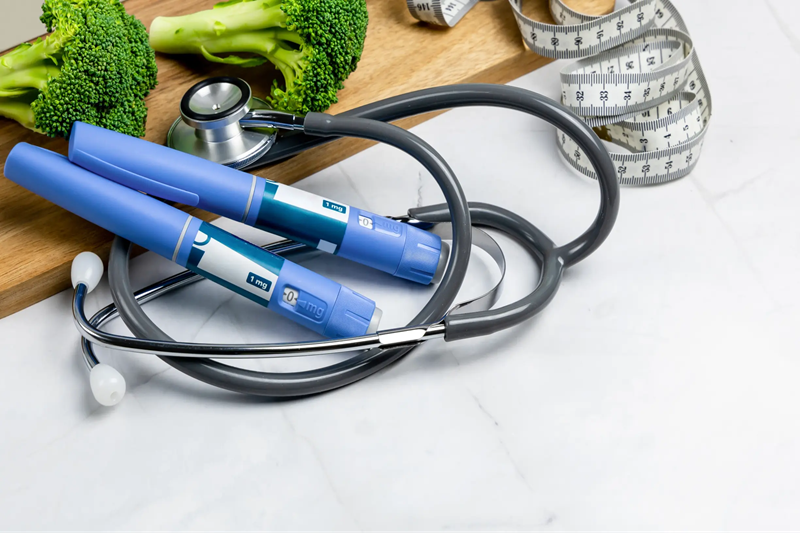
Understanding peptide delivery is crucial for achieving optimal clinical outcomes in peptide therapy for women. Because peptides are delicate biological chains composed of amino acid bonds, they are susceptible to rapid degradation by digestive enzymes and harsh gastric acid if swallowed standardly without specialized encapsulation.
To maximize bioavailability and ensure that active peptide molecules reach target cellular receptors intact, medical providers utilize specific delivery routes based on the female target tissue and peptide structure:
| Administration Route | Bioavailability | Convenience Level | Primary Use Cases & Characteristics in Female Therapy |
| Subcutaneous Injection | Highest (90%–100%) | Moderate (Requires tiny needle) | Gold Standard. Bypasses digestion completely; delivers precise, rapid systemic absorption, often administered via peptide pen therapy. Ideal for CJC-1295, Ipamorelin, PT-141, and Semaglutide. |
| Topical Creams & Serums | Localized High Absorption | High (Daily skin application) | Designed for localized dermal action. Highly effective for GHK-Cu skin rejuvenation and hair follicle stimulation in female pattern thinning. |
| Nasal Sprays | High (Direct mucosal route) | High (Simple spray) | Crosses the blood-brain barrier rapidly via olfactory pathways. Preferred for neurological peptides like Oxytocin and Semax. |
| Oral Capsules / Sublingual | Variable (Low to Moderate) | Highest (Convenient pill) | Requires specific stomach-stable peptides (e.g., BPC-157 arginate salt) or enteric coating to survive digestive breakdown. |
Safety, Side Effects, and the Grey Market Warning
When administered under proper medical supervision using physician-grade formulations, peptide therapy for women possesses an excellent safety profile due to its biomimetic design. However, as with any active biological therapy, mild side effects can occur.
Common, transient side effects in women include:
- Minor redness, itching, or localized swelling at the subcutaneous injection site.
- Mild, transient nausea or appetite changes (most common during the initial dose titration of GLP-1 peptides like Semaglutide).
- Temporary fluid retention or mild flushing immediately following secretagogue administration.
Critical Safety Warning: The Danger of “Research Chemical” Grey Markets
Due to the surging popularity of peptide therapy for women, an unregulated “grey market” has expanded online, selling unverified products labeled “for research purposes only.” Purchasing peptides from unaccredited online vendors presents severe health risks, including heavy metal contamination, bacterial endotoxins, improper dosage concentrations, or completely inactive/counterfeit ingredients. To ensure absolute safety, efficacy, and purity, peptide therapy for women must strictly be sourced through a licensed healthcare professional working with accredited 503A or 503B compounding pharmacies.
Peptide Therapy vs. Peptide Supplements: What’s the Difference?
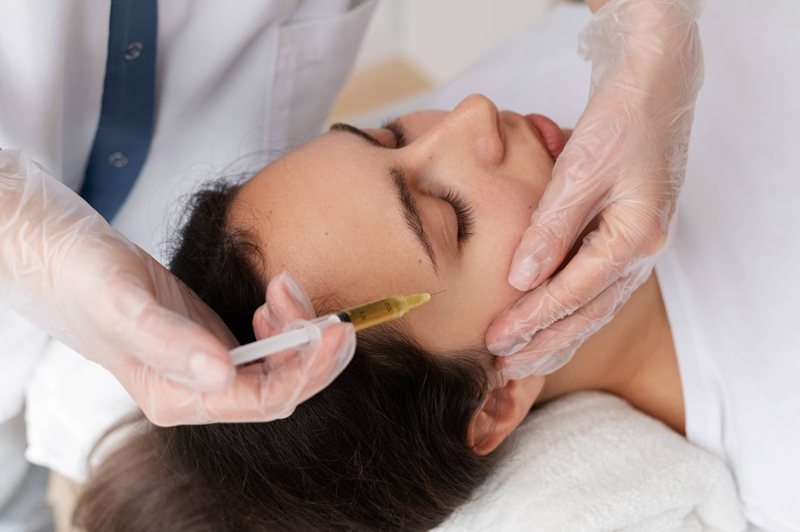
A frequent source of consumer confusion among women is distinguishing between commercially available dietary supplements (such as oral collagen powders) and clinical peptide therapy for women.
- Over-the-Counter Dietary Supplements: Products like dietary hydrolyzed collagen powders are broad nutrition products. When ingested, digestive enzymes break these proteins down into individual amino acids in the gastrointestinal tract, treating them primarily as general macronutrient dietary protein rather than targeted signal callers.
- Prescription Clinical Peptide Therapy: In contrast, clinical peptide therapy for women utilizes highly specialized, targeted peptide sequences formulated to remain intact and bind directly with high specificity to female target cell receptors, executing exact therapeutic commands (e.g., triggering pituitary growth hormone pulses or stimulating hypothalamic desire centers).
Frequently Asked Questions About Peptide Therapy for Women
Are peptides the same as steroids?
No, peptides are completely different from anabolic steroids. Anabolic steroids are synthetic derivatives of testosterone that flood the body with high doses of exogenous androgenic hormones, often causing receptor suppression and severe systemic side effects in women (such as virilization). In contrast, peptide therapy for women uses short amino acid chains that function as natural signal messengers, encouraging a woman’s body to produce and regulate its own endogenous hormones naturally and safely.
How long does it take to see results from peptide therapy for women?
The timeline for results depends on the specific peptide protocol and your individual physiology. Improved energy, enhanced deep sleep quality, and mental clarity often occur within the first 1 to 2 weeks. Skin rejuvenation, hair density improvements, and noticeable fat loss typically become apparent between 4 to 8 weeks, while full metabolic rebalancing and structural tissue remodeling reach peak results around 3 to 6 months of consistent, medically supervised peptide therapy for women.
Conclusion: Is Peptide Therapy Right for You?
Medical peptide therapy for women represents a monumental leap forward in personalized functional medicine. By working with your body’s natural female physiology rather than against it, targeted peptide protocols empower women to restore hormonal equilibrium, revitalize skin structural integrity, manage metabolic and PCOS challenges, and reclaim sexual vitality and overall energy across every decade of life.
Take the Next Step in Your Wellness Journey
If you are ready to address the root cause of age-related hormonal decline, weight loss resistance, or skin aging, consult with a qualified functional medicine specialist today. A customized, lab-verified protocol centered around peptide therapy for women and tailored to your unique biological profile can help you look, feel, and perform at your absolute best.


