
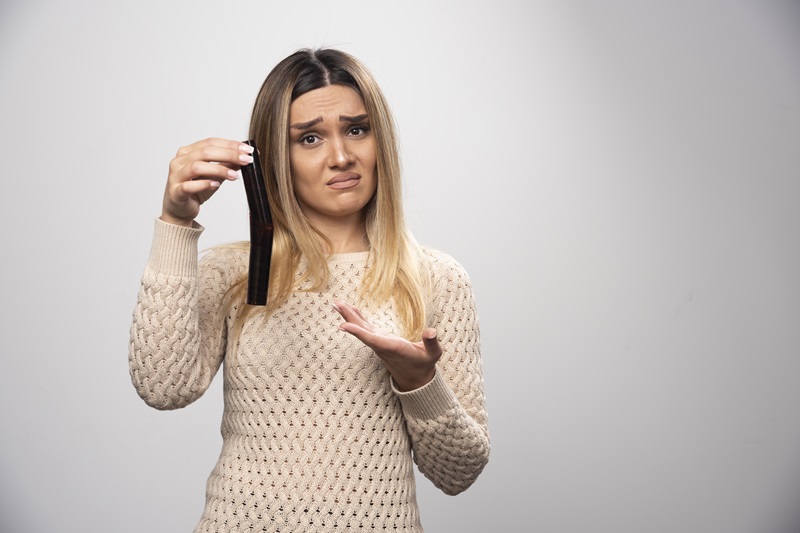
Hair shedding is a normal part of the hair growth cycle, but noticing more strands in your brush, on your pillow, or in the shower can be alarming. While it’s easy to assume the worst, early hair shedding doesn’t always lead to permanent hair loss. In fact, taking action during the earliest stages can significantly improve your chances of preserving healthy hair.
If you’re looking for ways to Prevent Hair Loss, the key is identifying the underlying cause before the condition progresses. Early intervention, lifestyle improvements, scalp care, and evidence-based treatments can help maintain hair density and support healthier follicles over time.
As awareness of preventive hair care grows, many people also explore technologies such as laser hair regrowth dubai programs alongside medical evaluation to support long-term scalp health. However, understanding why shedding begins is the first step toward choosing the right solution.
This comprehensive guide explains why hair shedding occurs, what you should do when it first starts, which treatments have scientific support, and how to build a long-term strategy for healthier hair.
Understanding the Difference Between Hair Shedding and Hair Loss
Many people use the terms “hair shedding” and “hair loss” interchangeably, but they are not the same.
Hair shedding is usually a temporary increase in the number of hairs entering the resting (telogen) phase of the growth cycle. Hair loss, on the other hand, often involves progressive miniaturization of hair follicles or permanent damage that reduces hair density over time.
A healthy scalp typically loses between 50 and 100 hairs each day. If you begin noticing significantly more hair than usual for several weeks, it’s worth investigating the cause rather than waiting for it to improve on its own.
Why Does Hair Shedding Suddenly Increase?

Several factors can interrupt the normal hair growth cycle.
Emotional and Physical Stress
Stress is one of the most common triggers of temporary shedding. Major life events, illness, surgery, emotional trauma, or chronic anxiety can push more follicles into the shedding phase.
This condition, known as telogen effluvium, often appears two to three months after the triggering event.
Hormonal Changes
Hormonal fluctuations frequently affect hair growth.
Common examples include:
- Pregnancy
- Childbirth
- Menopause
- Thyroid disorders
- Polycystic ovary syndrome (PCOS)
Hormones influence follicle activity, and even small imbalances can contribute to noticeable thinning.
Nutritional Deficiencies
Hair follicles are highly active tissues that require consistent nutrition.
Deficiencies in nutrients such as:
- Iron
- Vitamin D
- Vitamin B12
- Zinc
- Protein
may slow hair production and increase shedding.
Genetics
Family history plays an important role in androgenetic alopecia, also known as pattern hair loss.
Unlike temporary shedding, genetic hair loss gradually causes follicles to become smaller, producing finer and shorter hairs over time.
Poor Scalp Health
Inflammation, dandruff, excess oil, and scalp irritation may negatively affect the environment surrounding hair follicles.
Maintaining a healthy scalp is an essential part of every strategy to Prevent Hair Loss.
Early Warning Signs You Shouldn’t Ignore
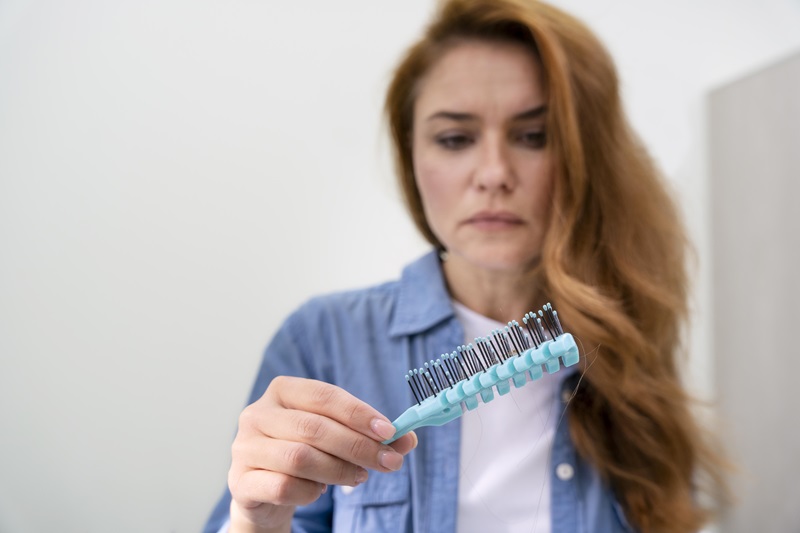
Hair problems often begin gradually.
Watch for signs such as:
- Increased hair shedding during washing
- More hair on your pillow
- A widening part line
- Reduced ponytail thickness
- Visible scalp in bright lighting
- Slower hair growth
- Increased hair breakage
The earlier these signs are addressed, the greater the chance of maintaining healthy hair density.
How to Prevent Hair Loss Before It Gets Worse
Early action often produces better outcomes than waiting until thinning becomes obvious.
Schedule a Professional Hair Assessment
Rather than guessing the cause, consult a qualified healthcare professional or dermatologist.
A comprehensive evaluation may include:
- Medical history
- Scalp examination
- Blood tests
- Hormonal assessment
- Nutritional evaluation
Identifying the underlying cause allows treatment to target the problem instead of simply masking the symptoms.
Improve Your Daily Nutrition
Healthy hair starts from within.
Focus on eating:
- Lean protein
- Eggs
- Fish
- Leafy green vegetables
- Berries
- Nuts and seeds
- Whole grains
Hydration also plays an important role in maintaining scalp and follicle health.
Reduce Everyday Stress
Stress management benefits both overall health and hair growth.
Helpful strategies include:
- Regular exercise
- Meditation
- Yoga
- Deep breathing
- Adequate sleep
- Time outdoors
Reducing chronic stress may help restore the normal hair growth cycle.
Avoid Hair Damage
Daily styling habits can worsen existing shedding.
Try to:
- Avoid excessive heat styling
- Limit tight hairstyles
- Reduce harsh chemical treatments
- Use gentle shampoos
- Minimize aggressive brushing
Protecting existing hair is just as important as stimulating new growth.
Build a Healthy Scalp Environment

Healthy follicles depend on a healthy scalp.
A balanced scalp routine should include:
Gentle Cleansing
Removing excess oil, product buildup, and environmental pollutants helps create a healthier environment for follicles.
Managing Inflammation
Persistent redness, itching, dandruff, or irritation should not be ignored.
Treating scalp inflammation early may reduce additional stress on hair follicles.
Scalp Massage
Gentle scalp massage may help improve circulation while encouraging relaxation.
Although massage alone will not reverse significant hair loss, it can complement an overall hair care routine.
Medical Treatments That May Help
Treatment recommendations depend on the cause of shedding.
Common evidence-based options include:
Topical Medications
Certain topical treatments may help extend the active growth phase of hair follicles and reduce further thinning.
Oral Medications
Some individuals may benefit from prescription medications under medical supervision.
Treatment suitability varies depending on age, health history, and the underlying diagnosis.
Nutritional Supplementation
Supplements can be helpful when laboratory testing confirms nutritional deficiencies.
Taking unnecessary supplements without evidence of deficiency is unlikely to produce significant improvements.
Advanced Hair Restoration Technologies
Technology continues to improve preventive hair care.
Low-level laser therapy (LLLT) has gained attention for its ability to stimulate follicle activity using specific wavelengths of light.
Modern systems such as folix hair laser are designed to support scalp circulation and cellular activity through non-invasive laser technology. While results vary between individuals, these treatments are often incorporated into comprehensive hair restoration plans under professional guidance.
Other regenerative therapies may also be recommended depending on the patient’s diagnosis and stage of hair thinning.
Daily Habits That Support Long-Term Hair Health

Consistency often matters more than expensive products.
Healthy habits include:
Eat Enough Protein
Hair is composed primarily of keratin, making adequate protein intake essential.
Sleep Well
Hair follicles undergo repair during sleep.
Aim for seven to nine hours of quality sleep each night.
Stay Physically Active
Exercise supports circulation, hormone regulation, and stress reduction.
Stop Smoking
Smoking reduces blood flow to hair follicles and contributes to oxidative stress.
Protect Your Hair From UV Exposure
Extended sun exposure may contribute to scalp damage and weakened hair.
Wearing a hat or using protective hair products can help during prolonged outdoor activities.
Mistakes That Can Make Hair Shedding Worse
Many people unintentionally delay recovery by making avoidable mistakes.
Common examples include:
- Waiting too long before seeking advice
- Frequently switching hair products
- Following unverified social media trends
- Taking unnecessary supplements
- Ignoring scalp problems
- Continuing damaging styling practices
- Expecting immediate results
Hair growth is naturally slow, and meaningful improvement usually requires patience and consistency.
How Long Does It Take to See Improvement?
Hair follicles respond gradually.
Depending on the underlying cause and treatment plan:
- Initial improvements may appear after three months.
- Noticeable thickening often requires four to six months.
- Maximum improvement may take nine to twelve months.
Regular follow-up with a healthcare professional helps monitor progress and adjust treatment if necessary.
Can Hair Shedding Be Completely Prevented?
Not every form of hair loss can be prevented, particularly when strong genetic factors are involved.
However, many common causes of excessive shedding—including nutritional deficiencies, stress, scalp disorders, and hormonal imbalances—can often be managed successfully when identified early.
The sooner you begin taking steps to Prevent Hair Loss, the better your chances of maintaining healthy, fuller-looking hair for years to come.
Before considering more intensive procedures, many specialists recommend combining healthy lifestyle habits with appropriate medical evaluation and personalized treatment plans, allowing interventions to be introduced at the most effective stage.
Frequently Asked Questions (FAQ)
Is it normal to lose hair every day?
Yes. Losing between 50 and 100 hairs daily is considered a normal part of the natural hair growth cycle.
When should I see a doctor about hair shedding?
If excessive shedding continues for more than six to eight weeks, or if you notice visible thinning or bald patches, it’s advisable to seek professional evaluation.
Can stress-related hair shedding grow back?
In many cases, yes. Once the underlying stressor is resolved, hair growth often gradually returns over several months.
Does diet really affect hair growth?
Absolutely. Hair follicles require adequate protein, iron, vitamins, and minerals to function normally. Poor nutrition can contribute to increased shedding.
Can laser therapy help prevent hair loss?
Low-level laser therapy may support follicle activity and scalp health for some individuals when used as part of a professionally guided treatment plan.
Are expensive hair products always better?
No. The effectiveness of a product depends on its ingredients and whether it addresses the underlying cause of your hair concerns, not simply its price.
Conclusion
Learning how to Prevent Hair Loss starts with recognizing early signs rather than waiting for noticeable thinning to develop. Temporary shedding can often be managed successfully through proper diagnosis, nutritional support, healthy lifestyle habits, scalp care, and evidence-based medical treatments.
While no single solution works for everyone, combining preventive strategies with professional guidance offers the best opportunity to preserve hair density and maintain long-term scalp health. Acting early, staying consistent, and choosing scientifically supported treatments can make a meaningful difference in protecting your hair before minor shedding becomes a more significant concern.


