
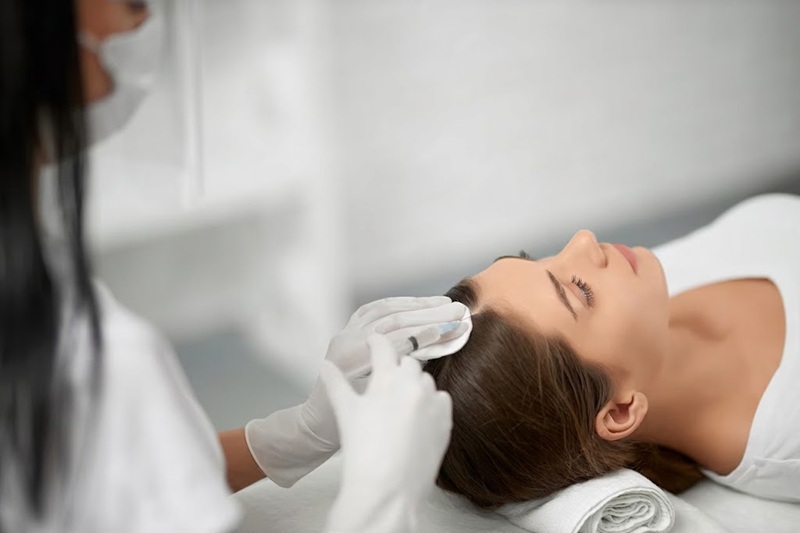
If you are wondering what Hair Botox is and whether it can regrow hair, the answer depends on which treatment you mean. Hair Botox is not actually Botox and does not involve injections. It is a cosmetic hair treatment designed to improve the appearance, texture, and manageability of the hair. It can make dry, frizzy, or damaged hair look smoother and healthier, but it does not stimulate new hair growth.
Scalp Botox, on the other hand, refers to injections of botulinum toxin into the scalp. This is a different procedure that has been investigated as a possible treatment for certain types of hair loss. However, research is still limited, and Botox injections are not currently considered a standard hair-regrowth treatment.
What Is Hair Botox?
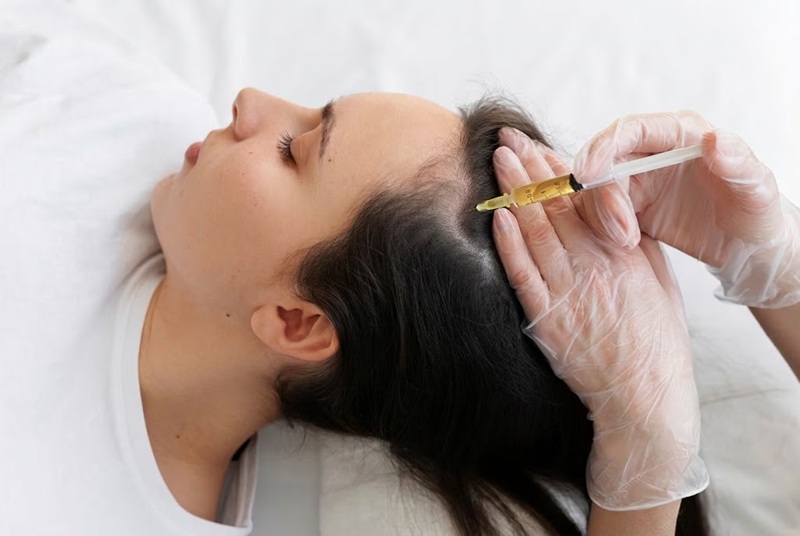
Hair Botox is a non-invasive cosmetic treatment for improving the appearance and feel of the hair. Despite its name, it does not contain botulinum toxin and does not involve needles or injections.
The treatment is applied directly to the hair rather than the scalp. Depending on the specific formula, it may contain conditioning ingredients such as proteins, amino acids, vitamins, oils, or other compounds designed to smooth the hair shaft and improve its appearance.
Hair Botox is mainly used to address concerns such as:
- Frizz and unruly hair
- Dryness and rough texture
- Dull-looking hair
- Heat or chemical damage
- Lack of softness and shine
The name “Hair Botox” refers to its smoothing and rejuvenating effect on the appearance of the hair, rather than the use of actual Botox.
What Does Hair Botox Do to Your Hair?
Hair Botox can temporarily improve the condition and appearance of existing hair. The treatment coats and conditions the hair shaft, helping damaged or rough strands appear smoother.
Depending on the condition of your hair, potential benefits may include:
- Smoother and softer hair
- Reduced frizz
- Improved shine
- Easier styling and manageability
- A healthier-looking appearance
- A temporary fuller or thicker-looking effect
However, these are primarily cosmetic benefits. Hair Botox does not permanently repair the hair follicle or change the natural hair-growth cycle.
Can Hair Botox Regrow Hair?
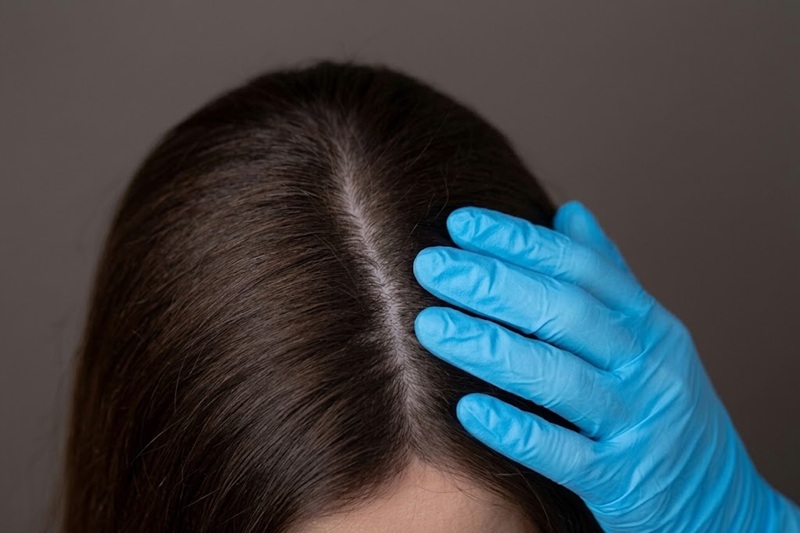
No. Hair Botox does not regrow hair.
This distinction is important because hair growth occurs inside the hair follicle, beneath the surface of the scalp. Hair Botox is applied to the hair shaft and therefore does not target the follicles responsible for producing new hair.
It may make existing strands look smoother, thicker, or healthier, which can create the appearance of increased volume. However, this does not mean that new hair follicles are being stimulated.
If you are experiencing noticeable hair loss, thinning, a receding hairline, or widening of your part, a cosmetic treatment such as Hair Botox will not address the underlying cause.
Is Scalp Botox the Same as Hair Botox?
No. Hair Botox and scalp Botox are two different treatments.
Hair Botox Scalp Botox
Cosmetic hair treatment Injectable procedure
Applied to the hair Injected into the scalp
Does not contain botulinum toxin Uses botulinum toxin
Improves hair texture and appearance Being investigated for certain scalp and hair conditions
Does not stimulate hair follicles May potentially affect the scalp environment
No injections are involved Requires injections by a qualified professional
Scalp Botox is sometimes discussed as a potential treatment for hair loss because researchers have investigated whether botulinum toxin may influence factors involved in hair follicle function. However, this is very different from the cosmetic Hair Botox treatment applied to the hair.
Is Scalp Botox the Same as Hair Botox?
No. Hair Botox and scalp Botox are two different treatments.
| Hair Botox | Scalp Botox |
|---|---|
| Cosmetic hair treatment | Injectable procedure |
| Applied to the hair | Injected into the scalp |
| Does not contain botulinum toxin | Uses botulinum toxin |
| Improves hair texture and appearance | Being investigated for certain scalp and hair conditions |
| Does not stimulate hair follicles | May potentially affect the scalp environment |
| No injections are involved | Requires injections by a qualified professional |
Scalp Botox is sometimes discussed as a potential treatment for hair loss because researchers have investigated whether botulinum toxin may influence factors involved in hair follicle function. However, this is very different from the cosmetic Hair Botox treatment applied to the hair.
Can Botox Injections Help With Hair Loss?
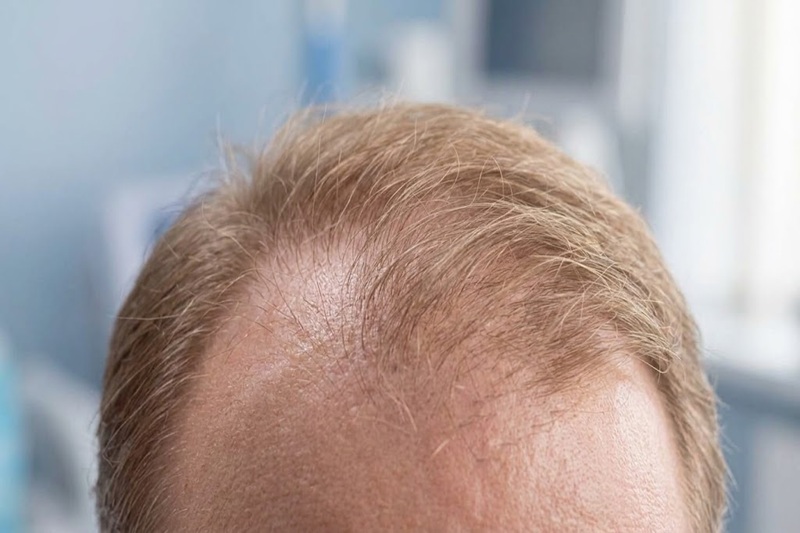
Research into scalp Botox as a treatment for hair loss is still developing.
Some clinical studies have reported improvements in hair density or hair diameter following botulinum toxin injections, particularly in people with androgenetic alopecia. One proposed explanation is that relaxing certain scalp muscles could alter local blood flow and reduce some of the effects associated with scalp tension.
However, the available research is still limited, and results have not been consistent enough to establish Botox injections as a standard treatment for hair loss.
For this reason, Botox injections should not be presented as a guaranteed way to regrow hair. Anyone considering this approach should first have their type and cause of hair loss properly evaluated.
Hair Botox vs. Hair Loss Treatments
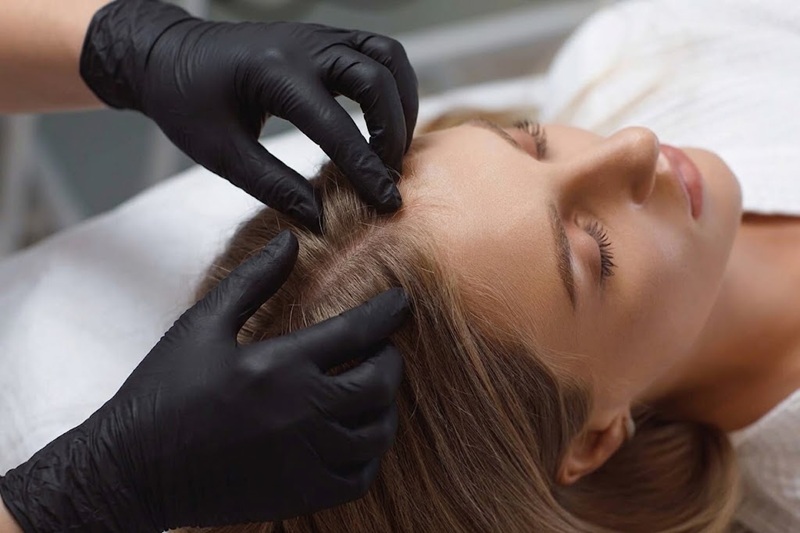
The right treatment depends on whether your concern is hair quality or hair loss.
If your main concerns are dryness, frizz, roughness, or damaged hair, Hair Botox may help improve the appearance and manageability of existing strands.
If you are experiencing actual hair loss or progressive thinning, the priority is identifying the underlying cause. Depending on the diagnosis, evidence-based treatments may include medications or other hair-restoration approaches.
For example, minoxidil is an established treatment for certain forms of hair loss and may help stimulate hair growth in appropriate patients. Other options may be considered depending on the type, severity, and cause of hair loss.
Who Can Benefit From Hair Botox?
Hair Botox may be suitable for people with dry, frizzy, rough, dull, or damaged hair who want to improve its smoothness, shine, and manageability. However, it is a cosmetic hair treatment, not a treatment for hair loss or thinning.
Conclusion
Hair Botox can improve the appearance, smoothness, and manageability of damaged or frizzy hair, but it does not regrow hair or stimulate hair follicles. It is also different from scalp Botox, which involves botulinum toxin injections and is still being investigated as a potential treatment for certain types of hair loss.
If your main concern is hair thinning or hair loss, identifying the underlying cause is more important than choosing a cosmetic treatment. A qualified hair specialist can help determine which treatment is most appropriate for your individual needs.
FAQs About Hair Botox
Does Hair Botox contain real Botox?
No. Despite the name, Hair Botox is generally a cosmetic conditioning and smoothing treatment and does not contain botulinum toxin.
Does Hair Botox make hair grow?
No. Hair Botox can improve the appearance, smoothness, and manageability of existing hair, but it does not stimulate new hair growth.
Is Hair Botox the same as scalp Botox?
No. Hair Botox is applied to the hair shaft, while scalp Botox involves actual botulinum toxin injections into the scalp.
Can scalp Botox regrow hair?
Current research suggests that scalp Botox may have potential for certain types of hair loss, but the evidence remains limited. It should not currently be considered a proven or standard hair-regrowth treatment.
Is Hair Botox good for thinning hair?
Hair Botox may make existing hair appear smoother or fuller, but it does not treat the underlying cause of hair thinning or produce new hair growth.
Is Hair Botox a permanent treatment?
No. The effects are temporary and gradually fade as the hair is washed and exposed to normal styling and environmental factors.
How Long Does Hair Botox Last?
Hair Botox results are temporary and gradually fade with washing, styling, and everyday wear. How long the effects last depends on the formula used, hair condition, washing frequency, and aftercare.