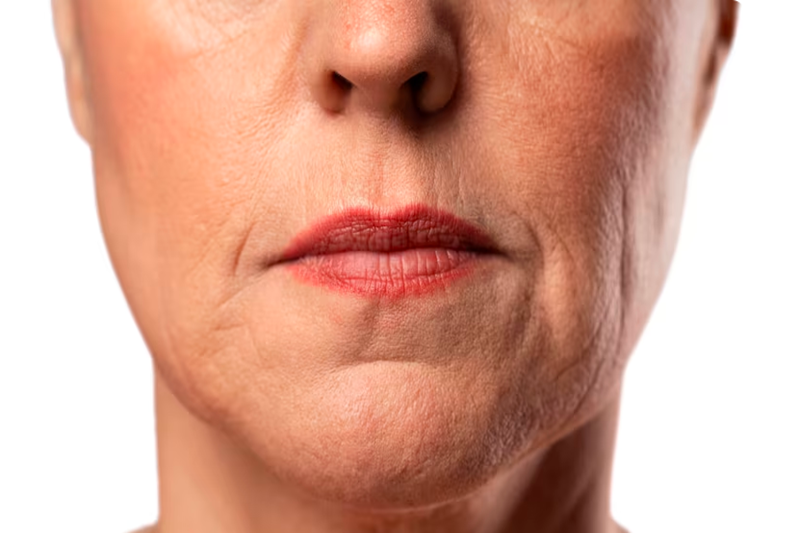
Nasolabial folds are the lines that extend from the sides of the nose toward the corners of the mouth. They are a normal part of facial anatomy, but they often become more noticeable with age as the skin loses elasticity and facial tissues gradually change.
Many people considering nasolabial fold botox wonder whether Botox can actually reduce these lines. Botox can be highly effective for wrinkles caused mainly by muscle activity, but true nasolabial folds usually have a different underlying cause. Understanding this distinction can help you choose the most appropriate treatment for your facial structure and goals.
What Are Nasolabial Folds?
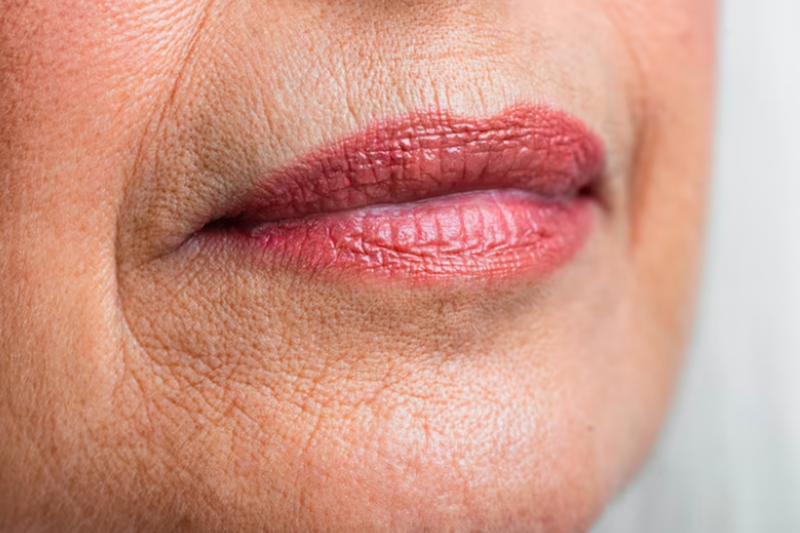
Nasolabial folds are natural creases that run from the area beside the nose toward the corners of the mouth. Everyone has them to some degree, although their depth and visibility vary considerably.
With age, they may become more prominent because of several factors, including:
- Changes in skin elasticity
- Loss or redistribution of facial volume
- Changes in soft-tissue support
- Repeated facial movement
- Genetics
- The natural aging process
Because several factors can contribute to their appearance, treatment should be based on the individual’s facial structure rather than simply treating the visible crease.
Does Nasolabial Fold Botox Work?
Botox is not usually the primary treatment for true nasolabial folds.
Botulinum toxin temporarily reduces the activity of targeted muscles. This makes it particularly useful for dynamic wrinkles that become more noticeable when facial muscles contract.
Nasolabial folds, however, are usually influenced by a combination of facial anatomy, changes in soft-tissue volume, reduced support, and skin laxity. Muscle activity may play a role, but it is generally not the main cause of a prominent nasolabial fold.
As a result, injecting Botox directly into the fold may not produce the improvement a patient expects. Inappropriate placement or excessive treatment can also affect nearby muscles and potentially alter normal facial movement or expression.
Botox can still be useful for selected lower-face concerns where muscle activity is an important factor, but this is different from directly treating the structural appearance of a nasolabial fold.
How Does Botox Work?
Botox contains botulinum toxin type A, which temporarily reduces communication between targeted nerves and muscles.
When muscle activity is reduced, certain expression-related wrinkles may appear softer. This mechanism is different from treatments designed to restore volume or improve structural support.
This distinction is particularly important when discussing nasolabial folds because reducing muscle movement does not directly replace lost volume or reverse age-related changes in facial tissues.
Why Do Nasolabial Folds Become More Visible With Age?

Nasolabial folds can become deeper as several normal changes occur in the face over time.
Loss of Skin Elasticity
The skin gradually changes with age, including reductions in collagen, elastin, and overall elasticity. Less elastic skin may make existing facial creases more noticeable.
Changes in Facial Volume
Facial fat does not remain exactly the same throughout life. Some areas may lose volume, while other areas may shift or become more prominent. Changes in the midface can increase the visual contrast around the nasolabial area.
Soft-Tissue Changes
Facial tissues naturally change in position and support over time. These changes can contribute to the appearance of deeper folds even when facial muscle activity has not significantly changed.
Facial Movement and Genetics
Repeated facial expressions can contribute to facial lines, while genetics and individual facial structure strongly influence how visible nasolabial folds are.
Nasolabial Fold Botox vs. Dermal Fillers: Which Is Better?
Botox and dermal fillers have different purposes. Botox primarily reduces muscle activity, while dermal fillers can restore volume and provide soft-tissue support.
When loss of volume or reduced structural support contributes significantly to nasolabial folds, a qualified practitioner may consider a filler-based treatment. If you are considering Botox for facial wrinkles, learn more about Botox treatment in Dubai and whether it may be suitable for your concerns.
However, treating nasolabial folds does not always mean placing filler directly into the deepest part of the crease. In some patients, improving support in the midface can soften the appearance of the nasolabial region while maintaining more balanced facial proportions.
The best approach depends on the patient’s anatomy, skin quality, degree of volume loss, and overall aesthetic goals.
What Treatment Is Best for Nasolabial Folds?
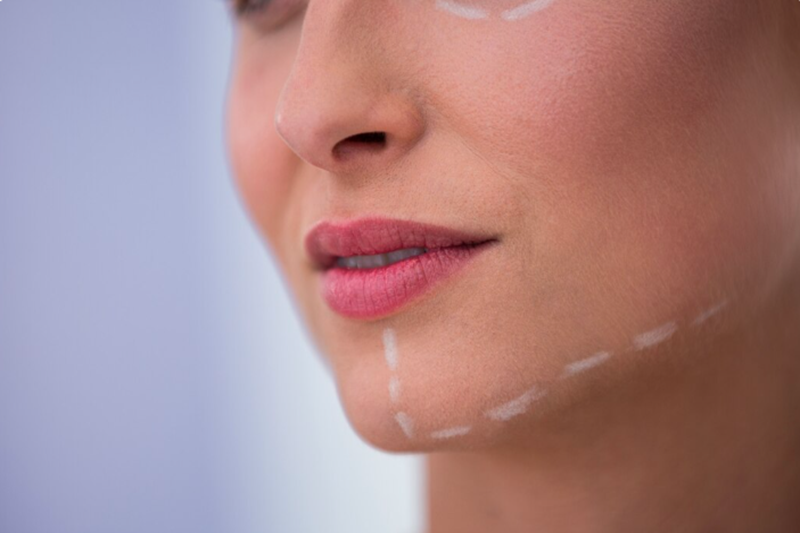
There is no single treatment that is appropriate for every patient. The choice should depend on what is primarily responsible for the appearance of the folds.
Dermal Fillers
Dermal fillers may be considered when volume loss or reduced soft-tissue support is a major contributor. They can add volume and provide support in carefully selected areas.
Skin-Rejuvenation Treatments
When skin texture and mild laxity are important factors, treatments designed to improve skin quality and stimulate collagen may be considered.
Energy-Based Treatments
Certain laser, radiofrequency, or ultrasound-based procedures may help address skin laxity and support collagen remodeling in appropriately selected patients.
Surgical Facial Rejuvenation
When there is significant skin laxity and tissue descent, surgical facial rejuvenation may provide a more comprehensive correction than injectable treatments alone.
The goal should not simply be to erase the fold, but to improve overall facial balance and maintain a natural appearance.
Can Botox Be Used Around the Mouth?
Although Botox is not generally the main treatment for nasolabial folds, it can be used carefully in selected areas of the lower face.
Depending on the patient’s anatomy and concerns, botulinum toxin may be considered for:
- Downturned mouth corners
- Chin muscle activity
- Certain lower-face expression lines
- Excessive movement around the lips
These treatments address specific muscle-related concerns rather than correcting the structural cause of a nasolabial fold.
The area around the mouth requires particular precision because these muscles are important for speaking, eating, smiling, and other everyday facial movements.
What Happens During a Nasolabial Fold Consultation?
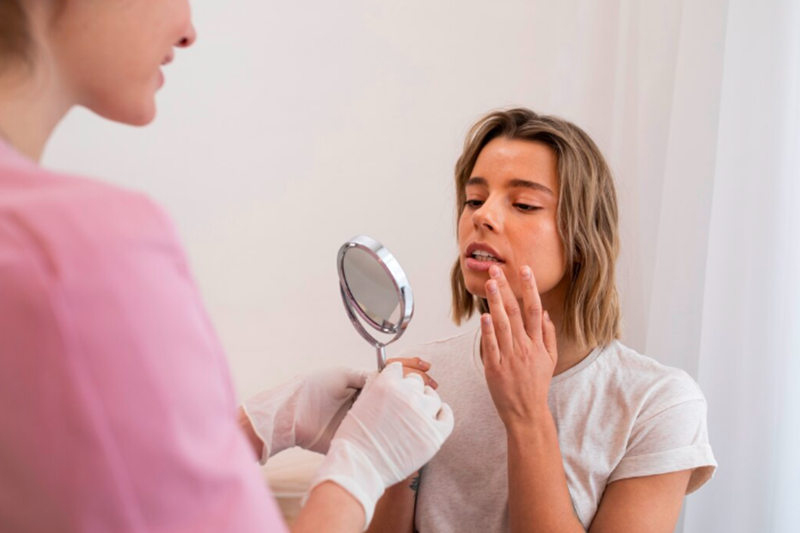
A good consultation should evaluate the entire face rather than focusing only on the deepest part of the fold.
A qualified practitioner may assess:
- Facial proportions
- Midface volume
- Skin quality
- Skin laxity
- Muscle activity
- Facial movement
- Fold depth and pattern
- Previous cosmetic treatments
- The patient’s desired outcome
This assessment helps determine whether Botox, filler, another procedure, or a combination approach is more appropriate.
It also helps prevent unnecessary treatment when the selected procedure would not address the actual cause of the concern.
How Long Does Botox Last?
Botox produces temporary effects, and the duration varies between individuals. Factors such as the treatment area, dose, muscle activity, metabolism, and individual response can influence how long the results remain noticeable.
Because nasolabial folds are usually not caused primarily by muscle activity, repeating Botox does not necessarily address the underlying reason the folds are visible.
Is Nasolabial Fold Botox Safe?
Botulinum toxin is widely used in aesthetic medicine, but injectable treatments still have potential risks.
Possible effects include:
- Temporary bruising
- Swelling
- Tenderness
- Headache
- Temporary weakness of nearby muscles
- Facial asymmetry
- Changes in facial expression
When treatment is performed around the mouth, inaccurate placement or excessive dosing can interfere with normal facial movement. For this reason, treatment should be performed by a qualified and experienced medical professional who understands facial anatomy.
Can Lifestyle Changes Reduce Nasolabial Folds?
Lifestyle habits cannot eliminate established nasolabial folds, particularly when their appearance is primarily related to facial anatomy and age-related tissue changes.
However, healthy habits can support overall skin health. Using sunscreen, avoiding smoking, maintaining a balanced diet, staying adequately hydrated, and avoiding major fluctuations in body weight can help maintain healthier-looking skin.
What Should You Consider Before Choosing Botox?
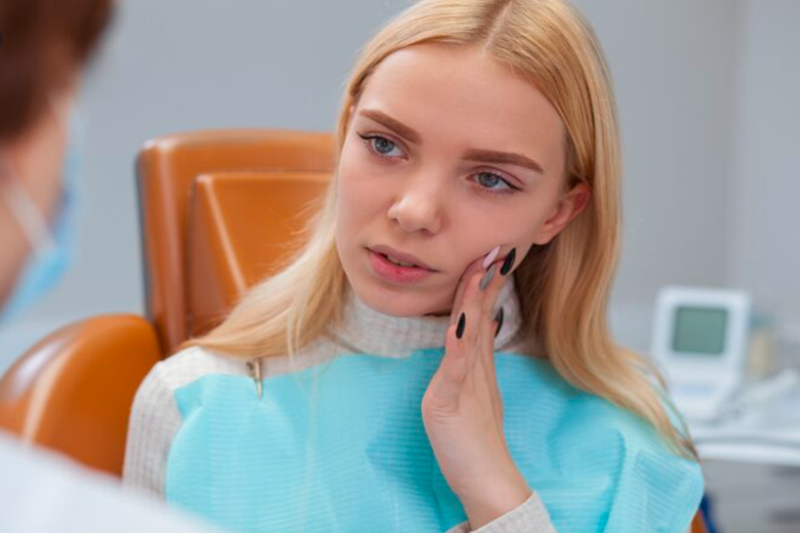
Before choosing nasolabial fold botox, it is important to understand what is actually causing the folds.
During a consultation, useful questions include:
- What is causing my nasolabial folds?
- Would Botox address the underlying cause?
- Would filler or another treatment be more appropriate?
- Could treating another facial area improve the appearance of the folds?
- What results can I realistically expect?
- Could the treatment affect my facial expressions?
- What are the potential risks and limitations?
A well-planned treatment should focus on the patient’s individual anatomy and facial balance rather than simply trying to eliminate every visible line.
Frequently Asked Questions About Nasolabial Fold Botox
Does Botox get rid of nasolabial folds?
Botox is generally not the primary treatment for true nasolabial folds because these folds are often influenced by facial structure, volume changes, soft-tissue support, and skin laxity rather than muscle activity alone.
Is Botox or filler better for nasolabial folds?
Neither treatment is automatically better. Botox reduces muscle activity, while fillers can restore volume and provide support. The appropriate option depends on the underlying cause and the patient’s facial anatomy.
Can Botox make nasolabial folds worse?
Botox does not normally make nasolabial folds deeper. However, inappropriate placement or excessive treatment can alter nearby muscle activity and facial balance, particularly around the mouth.
Can Botox be combined with filler?
In selected patients, different treatments can be combined to address different aspects of facial aging. Whether a combination approach is appropriate depends on the patient’s anatomy, concerns, and treatment goals.
What is the best way to reduce deep nasolabial folds?
The most appropriate treatment depends on the cause and severity of the folds. Options may include dermal fillers, skin-rejuvenation treatments, energy-based procedures, or surgical facial rejuvenation when structural changes are more significant.
Final Thoughts
Nasolabial fold botox is not usually the first choice for prominent nasolabial folds because these lines are generally influenced by several factors, including facial anatomy, soft-tissue support, volume changes, skin elasticity, and aging.
Botox can be highly effective for dynamic wrinkles and selected muscle-related concerns around the lower face, but it does not restore lost volume or replace structural support. For this reason, treating nasolabial folds requires a more individualized approach.
The most important consideration is identifying why the folds are prominent in the first place. A professional assessment can determine whether Botox, dermal fillers, skin-rejuvenation treatments, energy-based procedures, or a combination approach is most suitable.
The goal should be a balanced and natural-looking improvement that respects the individual’s facial anatomy rather than simply attempting to remove every visible crease.